
Hear from Our Customers
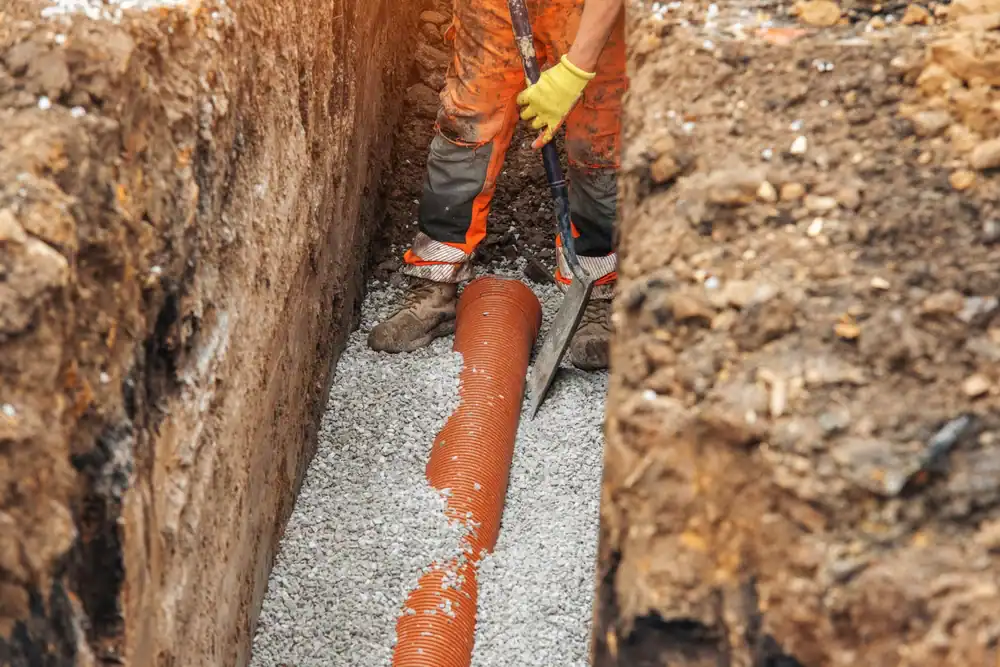
You get drainage that works. No more backups in your basement floor drain. No more wondering if the next heavy rain will flood your lowest level.
When your main waste line replacement is done with the right pipe pitch and proper trenching, water moves where it’s supposed to go. That means your toilets flush without hesitation, your sinks drain clean, and you’re not calling for emergency service every few months because something’s backing up again.
The difference between a line that works and one that doesn’t often comes down to a quarter inch per foot. That’s the minimum slope your sewer line needs. Get it wrong, and you’re dealing with slow drainage, frequent clogs, and eventually a full system failure. Get it right, and you forget it’s even there.
We’ve been handling line changes and cesspool work across Islip, Central Islip, and the surrounding Suffolk County area for over 25 years. We’re licensed with Suffolk County Consumer Affairs, fully bonded, and we know what the inspectors are looking for before they show up.
We understand Long Island’s sandy soil and high water tables. We know which neighborhoods have older systems that need special attention and which properties are connecting to the new Central Islip sewer lines.
When you call us, you’re getting someone who’s done this exact work hundreds of times in your area. Not a crew learning on your property.
First, we assess your property and determine the exact route your new line needs to take. That includes checking the depth, planning for proper slope, and identifying any obstacles underground. If you’re connecting to the municipal sewer, we handle the permits and coordinate with the town.
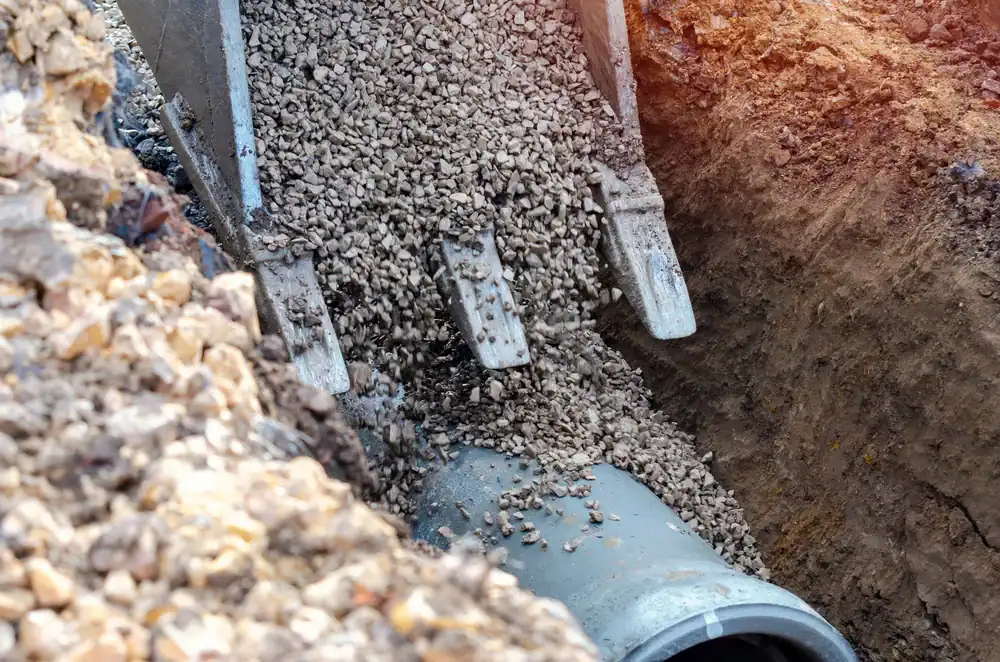
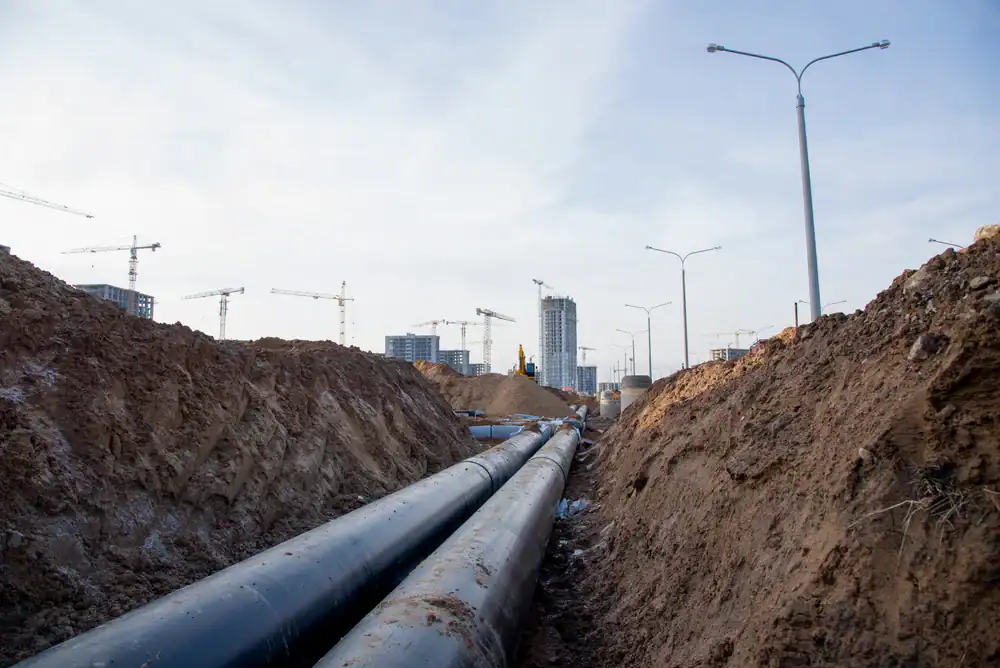
Next comes trenching and excavation. We use equipment designed for Long Island’s soil conditions, and we dig to the exact depth needed to maintain that quarter-inch-per-foot pitch from your house to the connection point. If your water table is high, we manage dewatering so the trench stays stable while we work.
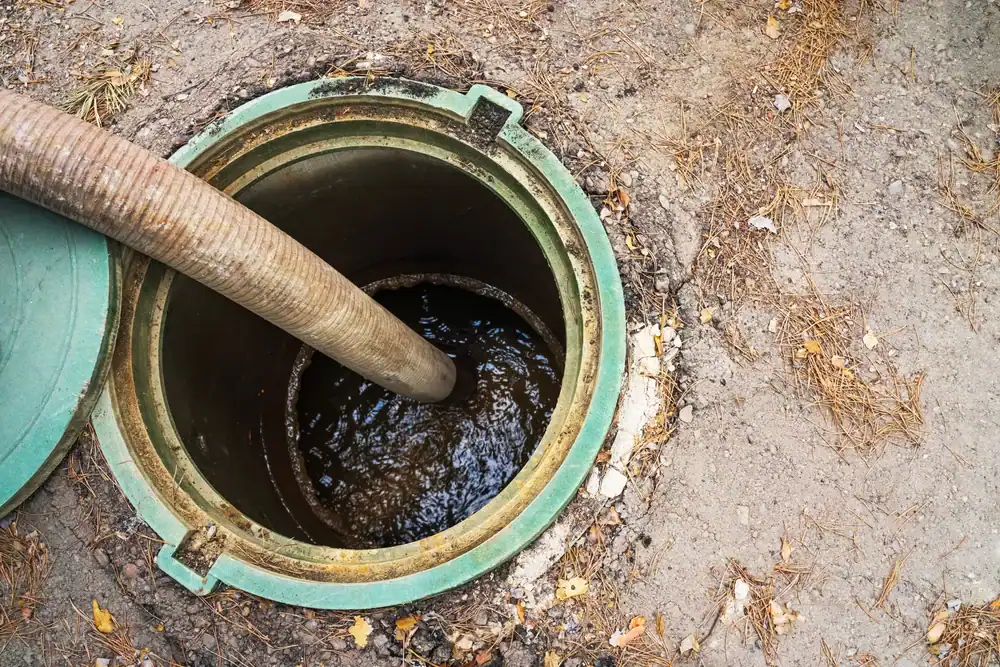
Then we install the new line, making sure every joint is sealed and every section is properly bedded. We don’t rush the backfill. If your old cesspool is being abandoned, we pump it, clean it, and fill it according to Suffolk County regulations. You’re not left with a compliance issue down the road.
Before we leave, everything is inspected, tested, and restored. Your yard gets graded back, and your new line is ready to handle decades of use.
Ready to get started?
You get a complete line change from start to finish. That means trenching, pipe installation with correct pitch and slope, backfilling, and site restoration. If you’re abandoning a cesspool, we pump it, backfill it properly, and make sure it meets Suffolk County’s requirements so you’re not dealing with violations later.
We handle all the permitting and coordination with local authorities. In Islip and Central Islip, that matters. The new sewer infrastructure means more properties are connecting, and the town is paying attention to how it’s done. We make sure your work passes inspection the first time.
Our equipment is built for this. We’re not showing up with a shovel and hoping for the best. We use laser-guided grading to hit exact depths and slopes, and our trenchers are designed to work in sandy soil without collapsing the walls. If we hit groundwater, we have pumps on-site to manage it.
You also get 24/7 emergency response if something goes wrong. Backups and pipe failures don’t wait for business hours, and neither do we. If your line fails on a Saturday night, we’re available to handle it.
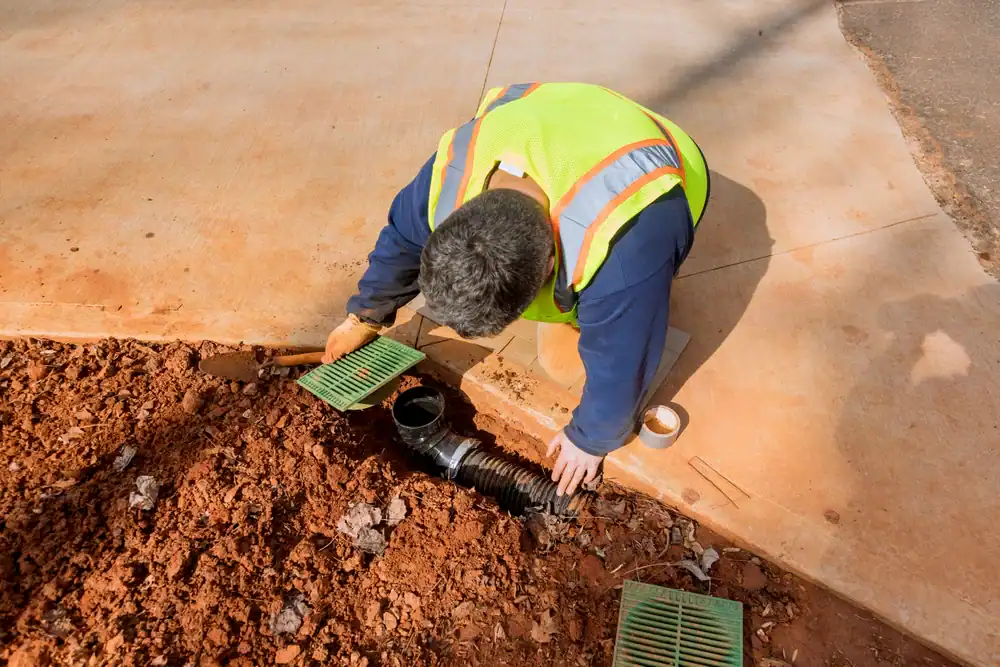
If you’re seeing frequent backups, multiple drains backing up at the same time, or water pooling in your yard near the line, you’re likely looking at replacement. Repairs work when the damage is localized—a single crack or a small section that’s failed.
Replacement makes sense when the line is old, when you’re seeing problems in multiple spots, or when the pitch is wrong and causing chronic drainage issues. A lot of older homes in Islip have lines that were installed before current code requirements, and they’ve been limping along for years.
The honest answer comes from a camera inspection. We can run a line through your pipe and show you exactly what’s happening. If it’s a mess from end to end, patching one spot won’t fix the underlying problem. If it’s isolated damage, we’ll tell you that too.
You need a new line run from your house to the municipal connection point, and your old cesspool has to be properly abandoned. That means pumping it out completely, backfilling it with sand or gravel, and making sure it’s done to Suffolk County standards.
The new line has to be installed at the right depth and slope so it drains properly into the sewer system. Depending on your property, that might mean trenching across your yard, under a driveway, or around landscaping. We handle all of that, plus the permits and inspections required by the town.
The whole process usually takes a few days, depending on the distance and any complications we run into. You’ll be without wastewater service for part of that time, so we work as quickly as we can without cutting corners. Once it’s done, you’re connected to the municipal system and you don’t have to worry about cesspool maintenance anymore.
Gravity moves your wastewater. If the pitch is too shallow, waste doesn’t flow fast enough and you get buildup. If it’s too steep, water runs ahead of solids and you end up with clogs. The minimum is a quarter inch of drop for every foot of pipe—that’s what the code requires and what actually works.
A fifty-foot run needs about a foot of total drop from your house to the connection point. That doesn’t sound like much, but getting it exact matters. Even a small error compounds over distance, and suddenly you’ve got a line that drains slow or backs up under heavy use.
We use laser grading equipment to hit that pitch exactly. It’s not something you eyeball. When your line is installed with the right slope from the start, it works the way it’s supposed to for decades. When it’s off, you’re calling for service within a few years.
Most residential line changes take one to three days, depending on the distance, soil conditions, and whether we’re dealing with a high water table. Shorter runs with straightforward access can be done faster. Longer runs or properties with obstacles take more time.
Trenching itself is usually the quickest part. It’s the prep work—locating utilities, setting up dewatering if needed, getting the trench walls stable—and the finish work that take time. We don’t rush the backfill or the compaction because that’s what keeps your new line from shifting or settling later.
If we run into unexpected issues—old utilities that weren’t marked, rock ledge, or water table problems—it can add time. We’ll let you know as soon as we see it. Most jobs in Islip go smooth because we’ve done enough of them to anticipate what we’re going to find.
Call us. We’re available 24/7, and we don’t charge extra for nights or weekends. If your main waste line has failed and you’ve got backups, that’s not something you wait on. We’ll get someone out to assess the situation and either get you flowing again temporarily or start the replacement process if that’s what’s needed.
Emergency line failures usually mean everything is backing up—toilets, sinks, showers. We’ll locate the problem, determine if it’s a blockage or a break, and take the fastest route to getting your system working. Sometimes that’s a cleanout and a temporary fix. Sometimes it means starting a full replacement right away.
The advantage of calling a company that does line changes regularly is we have the equipment and crew ready to go. We’re not scrambling to rent a trencher or find someone who knows how to do the work. We handle it the same day in most cases.
Yes. Suffolk County requires that anyone doing sewer connections or cesspool abandonment be licensed and bonded. That’s not optional, and it’s not something you want to skip. If the work isn’t done by a licensed contractor, you can run into problems with inspections, permits, and even selling your property later.
A licensed contractor knows the local codes, has insurance to cover any issues that come up, and is accountable to the county if something goes wrong. Unlicensed work might be cheaper upfront, but it costs you more when it fails inspection or when you’re dealing with a compliance issue years down the road.
We’re licensed with Suffolk County Consumer Affairs and fully insured. That means your work gets done right, it passes inspection, and you’re covered if anything unexpected happens during the job. It’s one less thing to worry about when you’re already dealing with a line problem.
Other Services we provide in Islip