
Hear from Our Customers
A properly installed sewer line to cesspool connection doesn’t back up when you run the dishwasher. It doesn’t flood your yard after a shower. It just works.
That’s what happens when the pipe pitch and slope are installed correctly from the start. Your waste flows the way it should—downhill, at the right speed, without clogs or standing water. No surprises at 2 a.m.
Most line failures happen because someone cut corners on the installation. Wrong slope. Poor bedding. Cheap materials. You end up paying twice—once for the bad job, and again to fix it. We do it right the first time so you’re not dealing with this again in three years.
We’ve been handling cesspool and septic work on Long Island for almost two decades. Four generations of our family have been in this business, so we’ve seen what works and what doesn’t.
Kings Park homeowners deal with specific challenges—Suffolk County’s 2019 regulations, high water tables near the Nissequogue River, older systems that weren’t built to today’s standards. We know how to navigate the county requirements and get your system compliant without dragging the job out.
You’re not hiring a crew that just showed up last year. You’re working with people who’ve done this thousands of times and know exactly what your property needs.
First, we assess your property to figure out where the problem is and what’s causing it. Sometimes it’s a collapsed pipe. Sometimes it’s roots. Sometimes the original installation was just wrong from day one.
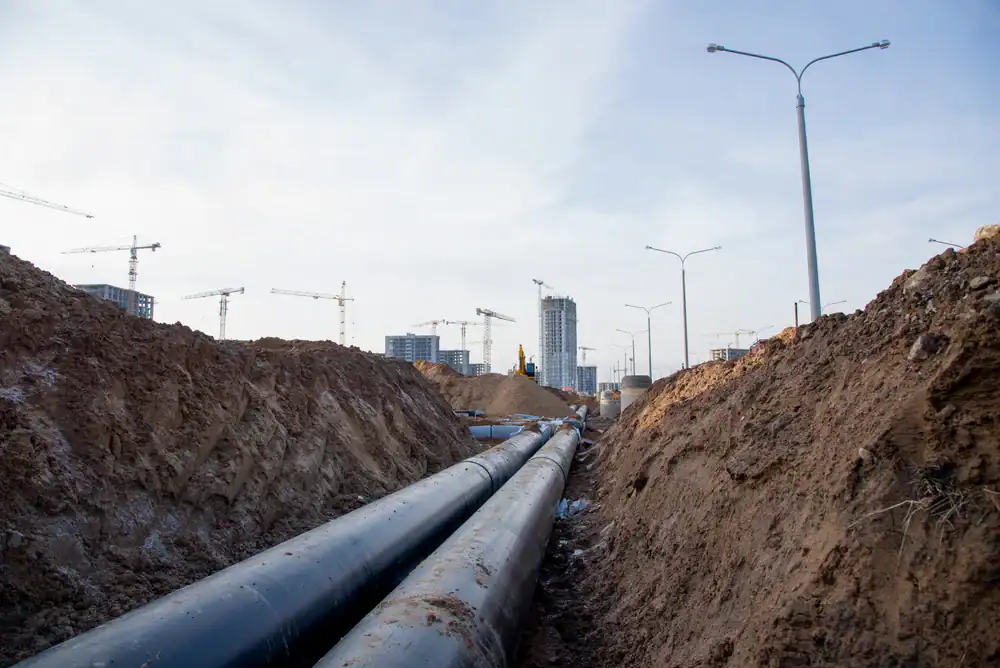
Once we know what we’re dealing with, we map out the trenching and excavation work. We use equipment that gets the job done without tearing up your entire yard. The goal is to replace what’s broken and leave everything else alone.
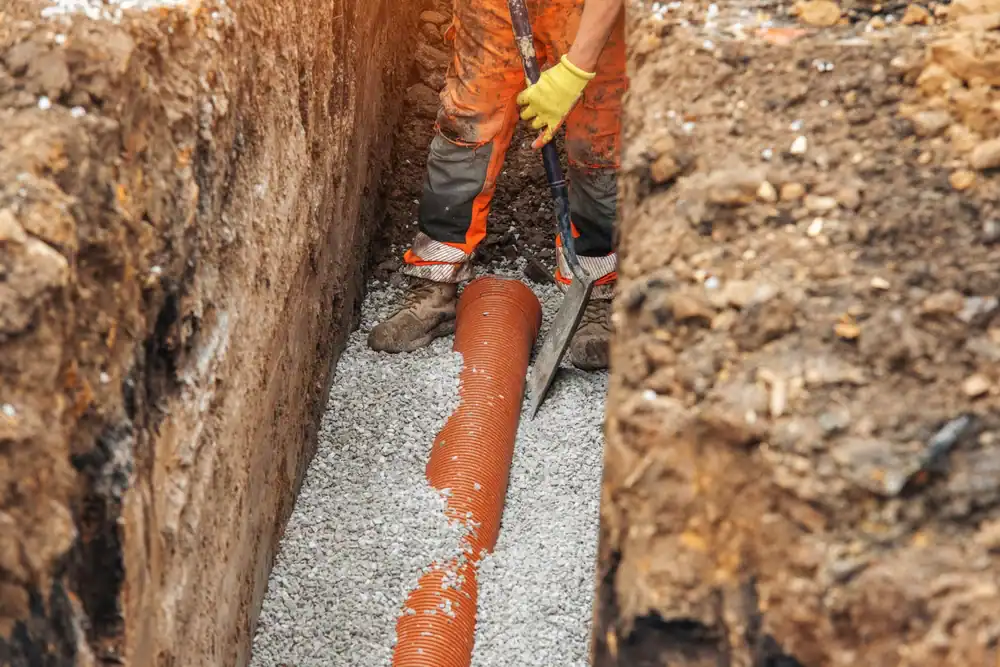
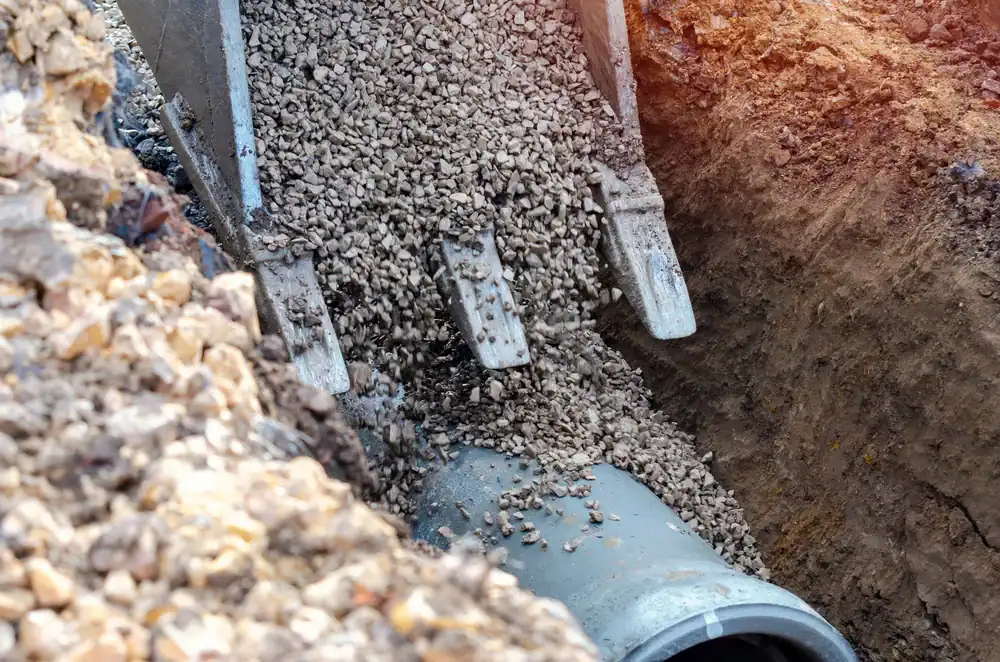
Then comes the actual line change—removing the old pipe, installing new lines with the correct pitch and slope, and connecting everything to your cesspool system. We make sure the grade is right so waste flows properly. One-quarter inch drop per foot. Not too steep, not too shallow.
After installation, we test the system to confirm everything drains the way it should. Then we backfill, compact, and clean up. You shouldn’t be able to tell we were there except for the fact that your drains actually work now.
Ready to get started?
When you hire us for line changes in Kings Park, NY, you’re getting a full site assessment, professional excavation, proper pipe installation with correct pitch, and connection to your existing cesspool system. We handle the permits, the county requirements, and the cleanup.
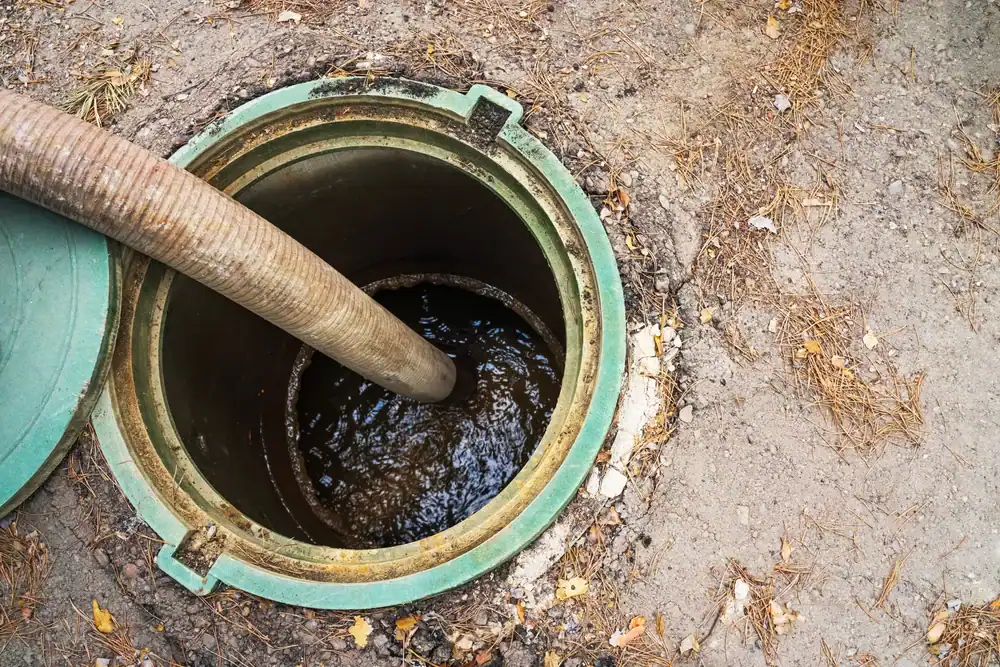
Suffolk County banned cesspool-to-cesspool replacements back in 2019. If your system needs work, it has to meet current standards. That means if you’re replacing a failed cesspool, you’ll need a septic tank installed before the leaching structure. We handle that compliance work so you don’t get stuck with fines or failed inspections.
Kings Park sits on Long Island’s sole-source aquifer. That means the water you drink comes from the ground beneath your property. When sewer lines fail and leak, that contamination goes straight into the drinking water supply. It’s not just about your house—it’s about protecting the water for everyone in the area.
We also know that most homeowners here are dealing with older systems that weren’t designed for today’s usage. Families are bigger. Water consumption is higher. Your 40-year-old cesspool line wasn’t built for that load. Upgrading your main waste line now prevents the kind of emergency that costs three times as much when it happens at the worst possible moment.
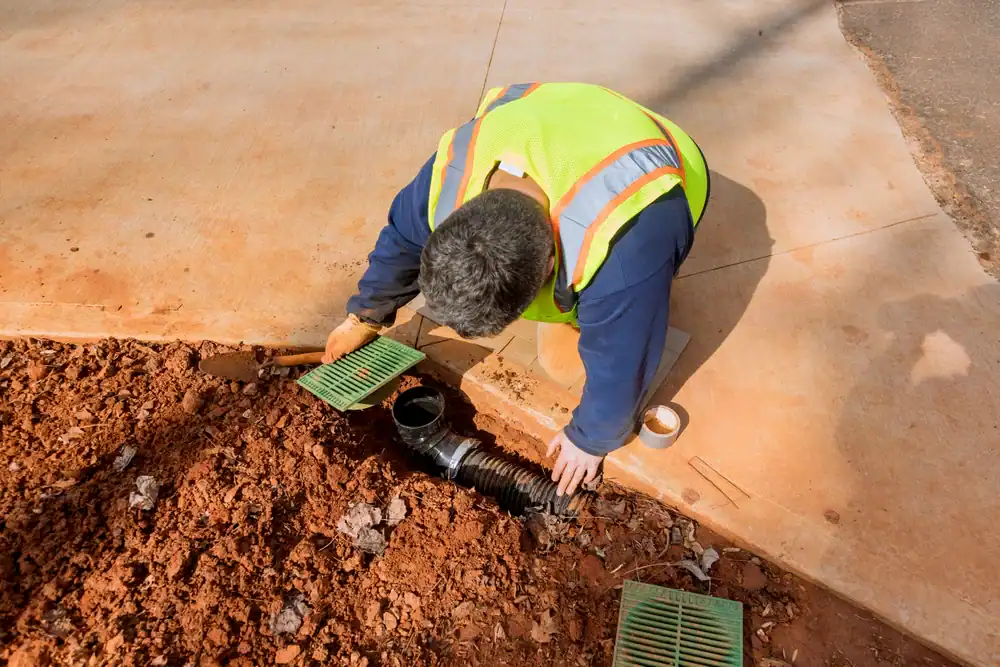
If you’re dealing with frequent backups, slow drains throughout the house, or wet spots in your yard that smell like sewage, your line is probably failing. A repair might work if the damage is isolated to one small section. But if the pipe has settled, cracked in multiple places, or was installed wrong to begin with, a full line change is the only fix that lasts.
Here’s the reality: most “repairs” on old sewer lines are just buying you a few months. If the pipe is cast iron or clay and it’s been in the ground for 30-plus years, it’s deteriorating. Patching one section doesn’t stop the rest from failing. You’ll be back in the same situation within a year, except now you’ve spent money twice.
We’ll assess your system and tell you honestly whether a repair makes sense or if you’re better off replacing the line. If a repair will actually solve the problem, we’ll say so. But we’re not going to patch something that’s going to fail again in six months just to get a quick job.
The standard pitch for sewer lines is one-quarter inch of drop per foot of pipe. That means for every foot the pipe runs, it drops a quarter inch in elevation. This slope lets waste flow at the right speed—fast enough to keep solids moving, but not so fast that water outruns the waste and leaves solids behind.
If the pitch is too shallow, waste sits in the pipe and clogs build up. If it’s too steep, the water flows too fast and leaves solids stuck in the line. Either way, you end up with backups. Getting the pitch right is the difference between a system that works for 20 years and one that fails in two.
A lot of line failures happen because someone eyeballed the slope or didn’t compact the bedding properly. The pipe settles, the pitch changes, and suddenly your drains don’t work. We use a laser level to ensure the grade is exact from start to finish. It’s not complicated—it just has to be done right.
We’re digging a trench from your house to your cesspool, so yes, there’s going to be some disruption. But we use equipment that minimizes the width of the trench and keeps the work zone as tight as possible. Most of the time, we’re looking at a trench that’s 18 to 24 inches wide and however deep we need to go to reach the pipe and maintain proper slope.
The goal is to get in, do the work, and get out without tearing up more of your yard than necessary. We don’t dig up your whole lawn just because it’s easier for us. After the line is installed and tested, we backfill the trench, compact it properly so it doesn’t settle later, and grade it so water drains away from the house.
Your grass will need some time to recover, but you’re not looking at a torn-up yard for months. Most properties are back to normal within a few weeks. If you’ve got landscaping or hardscaping in the way, we’ll work around it where we can or remove and replace it if we have to.
It depends on what you’re doing and what Suffolk County regulations require. If you’re just replacing a damaged sewer line and your cesspool is still in good shape, you can usually connect the new line to the existing cesspool. But if your cesspool itself is failing and needs replacement, that’s where the 2019 regulations come in.
Suffolk County banned cesspool-to-cesspool replacements as of July 2019. If you’re replacing a failed cesspool, you now have to install a septic tank before the leaching structure. The septic tank provides a level of treatment that cesspools don’t, which helps protect the groundwater. It’s an extra step and an extra cost, but it’s the law.
We handle the compliance side so you don’t have to figure out what’s required. We’ll assess your system, tell you what needs to happen to meet county standards, and pull the necessary permits. You’re not going to get halfway through the job and find out you’re missing something the county requires.
Most line changes take one to three days depending on the distance from your house to the cesspool, the condition of the soil, and whether we run into any surprises underground. If it’s a straightforward replacement with no obstacles, we can usually get it done in a day or two.
If we hit ledge rock, old foundations, or other utilities that weren’t marked, that adds time. If your cesspool is 150 feet from the house instead of 50, that adds time. We’ll give you a realistic timeline once we’ve assessed the site, and we’ll keep you updated if anything changes.
The actual installation work is the fastest part. Most of the time goes into excavation, making sure the pitch is right, and testing the system before we backfill. We’re not rushing through it just to get to the next job. A line change that’s done right the first time saves you from having to deal with this again in a few years.
Most backups happen because of clogs—grease, roots, or solid waste that gets stuck in the line. But if you’re getting frequent backups even after clearing the line, the problem is usually the pipe itself. Older pipes crack, collapse, or settle over time. Cast iron corrodes. Clay breaks apart. Tree roots work their way into any crack or joint they can find.
Improper installation is another big cause. If the original line wasn’t installed with the right pitch, waste doesn’t flow properly and clogs build up. If the pipe wasn’t bedded correctly, it settles and the slope changes. If the wrong materials were used, the pipe deteriorates faster than it should.
In Kings Park, you’re also dealing with soil conditions and water tables that put extra stress on underground pipes. Freeze-thaw cycles, ground movement, and saturated soil all contribute to pipe failure over time. The pipes that were installed 30 or 40 years ago weren’t designed to handle the load that today’s households put on them. Upgrading to modern materials with proper installation prevents the cycle of constant repairs and backups.
Other Services we provide in Kings Park