
Hear from Our Customers
Your drains empty the way they should. No slow gurgling from the basement. No sewage smell creeping into your yard when it rains. No panic every time someone flushes a toilet.
When your sewer line to cesspool connection is installed correctly—with proper pipe pitch and slope—waste flows downhill like it’s supposed to. You’re not calling for emergency service every six months. You’re not dealing with backups that flood your basement or create sinkholes in your lawn.
You get a system that handles your household waste without drama. That’s what line changes are supposed to do. Fix the problem at the source so you can stop thinking about your cesspool and get back to everything else.
We’ve been handling cesspool and septic work on Long Island for nearly two decades, with a family history in this trade that goes back four generations. We know Lattingtown properties—the soil conditions, the older cesspool systems common in North Shore homes, and the Nassau County regulations you need to follow.
We’re not the cheapest option, and we don’t pretend to be. You’re paying for technicians who show up when they say they will, use the right equipment for trenching and excavation, and give you straight answers about what’s actually wrong with your system. No scare tactics. No surprise fees after the work is done.
When your main waste line is failing and you need it replaced, you want someone who’s done this exact job hundreds of times in your area. That’s what you get here.
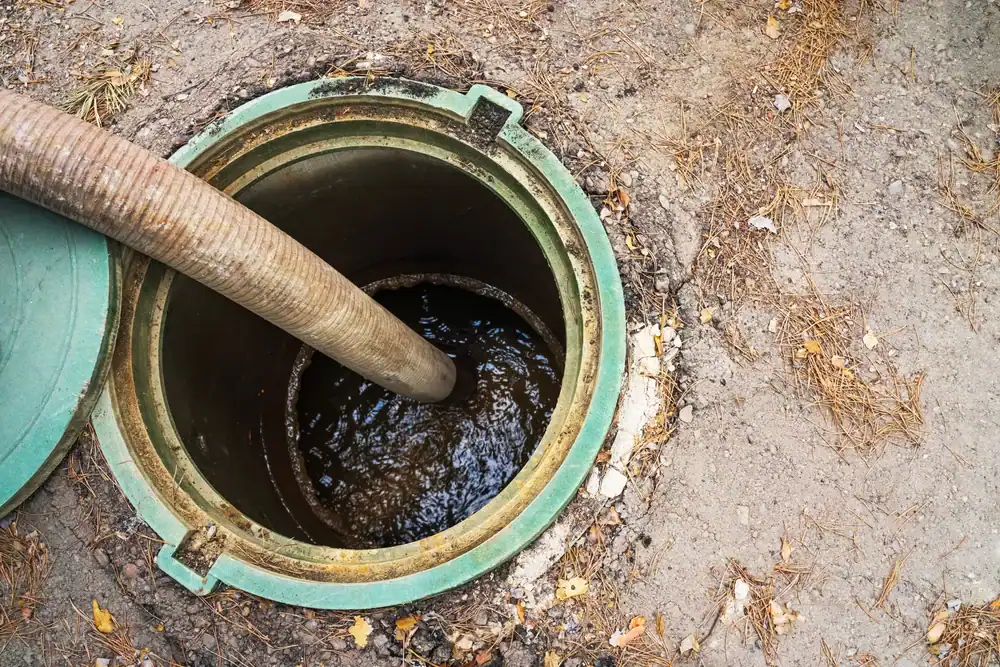
First, we locate your cesspool and trace the line from your house to the tank. We need to know exactly where the pipe runs before we start digging. That means using locating equipment, not guesswork.
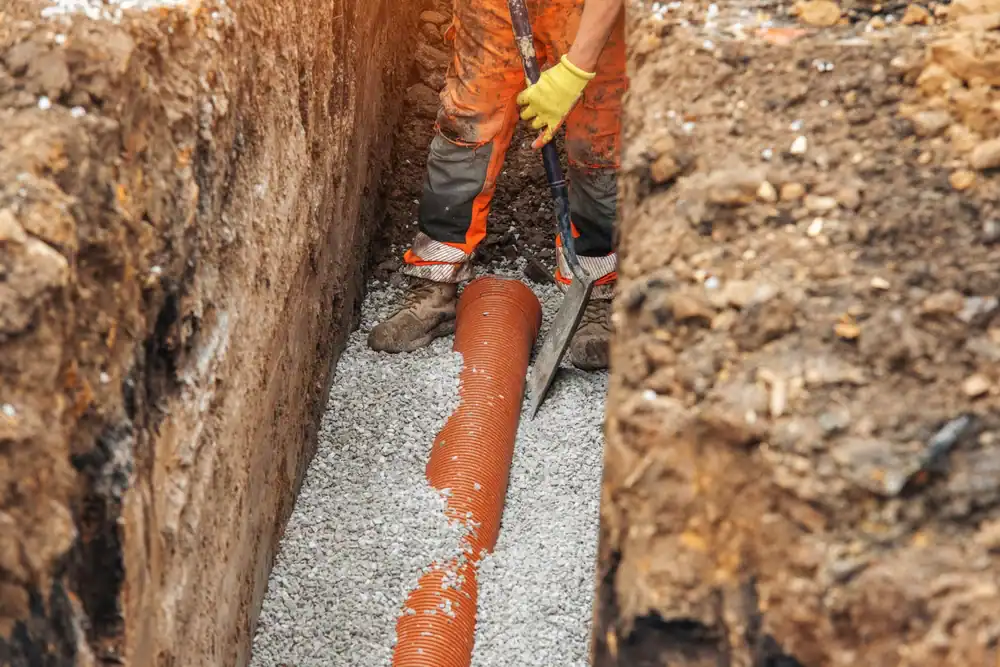
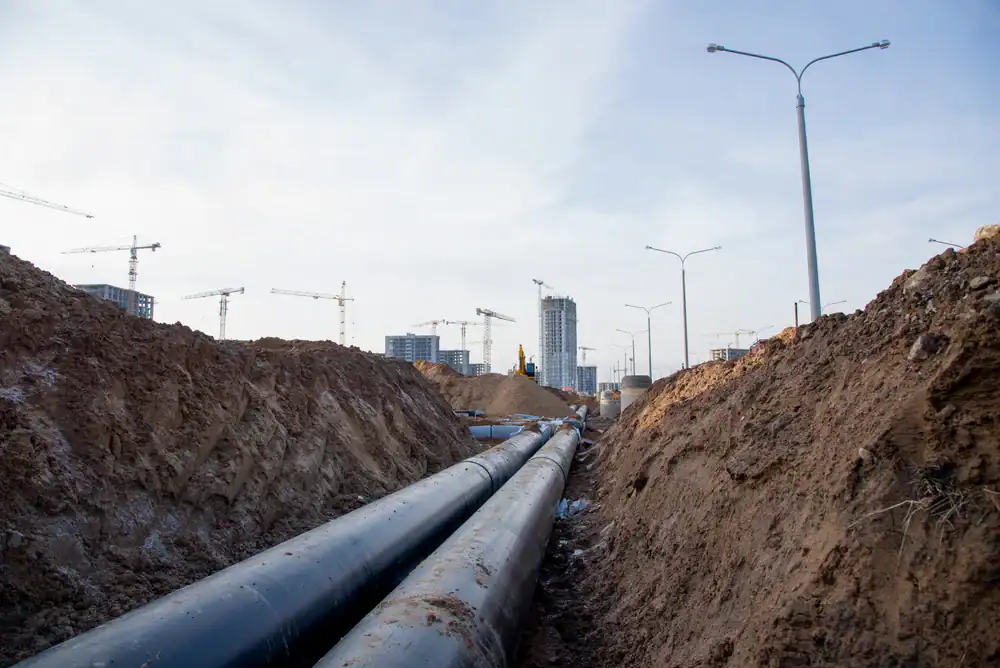
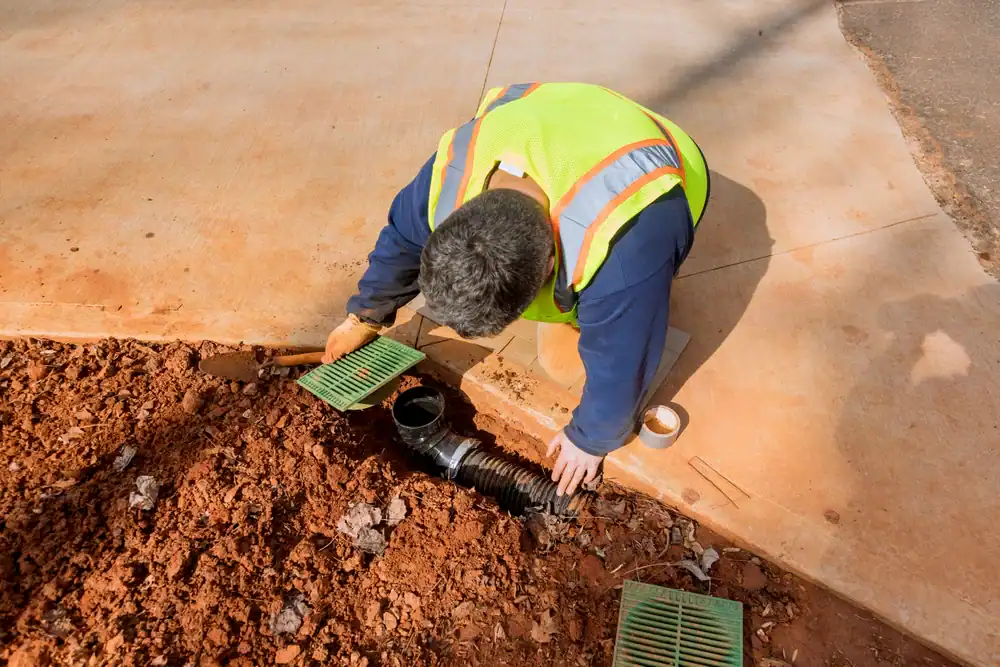
Then comes trenching and excavation. We dig down to expose the damaged section of your main waste line. Sometimes it’s a small area. Sometimes the whole run needs replacing. We’ll know once we can see the pipe condition and check for root intrusion, cracks, or collapse.
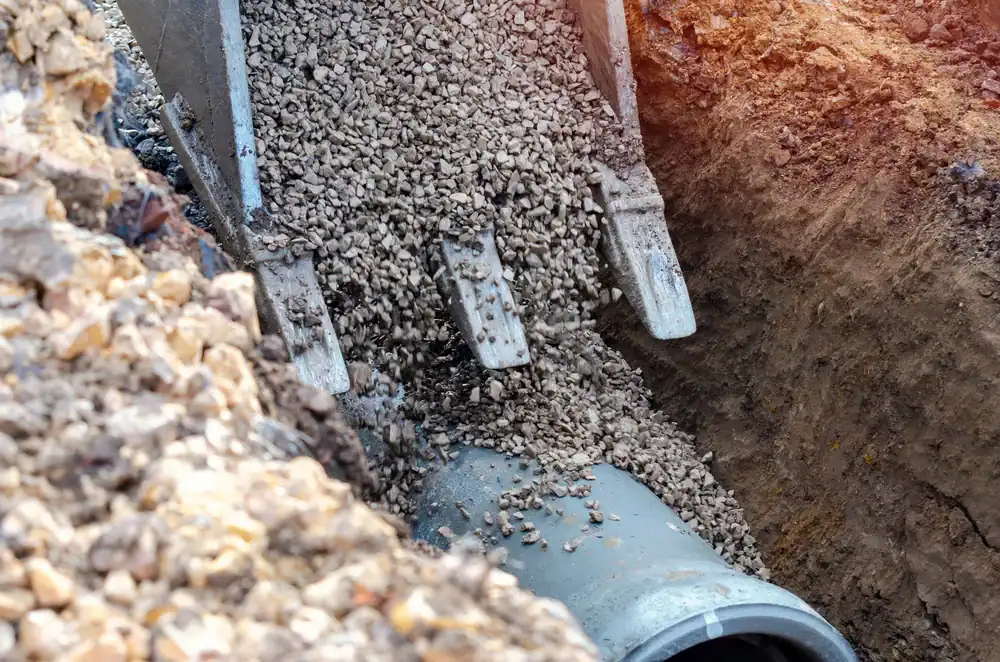
Once the old pipe is out, we install new line with the correct pipe pitch and slope. That grade matters—too flat and waste sits in the pipe, too steep and liquids run ahead of solids. We make sure your sewer line to cesspool connection is angled right so everything flows properly.
After the new line is in and tested, we backfill the trench and restore your property as close to original condition as possible. You’ll have documentation of what was done, where the new line runs, and when your next service should happen.
Ready to get started?
You get a full system inspection before we dig. We’re looking at your cesspool capacity, checking for signs of failure beyond just the line, and making sure a line change actually solves your problem. If your tank is collapsing or your leach field is shot, replacing the pipe won’t fix that. We’ll tell you up front.
The work includes excavation, removal of failed pipe sections, installation of new lines with proper slope, and connection to your existing cesspool. In Lattingtown, many homes have older cesspools that weren’t built to current standards. If your system needs upgrading to meet Nassau County requirements, we’ll walk you through what that means and what your options are.
You also get cleanup and site restoration. We’re not leaving piles of dirt in your driveway or ruts across your lawn. And if we find other issues during excavation—like a cesspool that’s closer to failure than you realized—you’ll know about it before we close everything back up.
Lattingtown properties often have extensive landscaping and hardscaping. We work carefully around those features because we know restoration costs can exceed the original repair if things get damaged unnecessarily.
If your drains are slow even after pumping, or if you’re getting backups within months of having your cesspool emptied, the problem is usually your lines. Pumping removes waste from the tank. It doesn’t fix broken pipes.
Common signs your main waste line needs replacing: sewage smell in your yard, wet spots or sinkholes above where the pipe runs, gurgling sounds from drains when you run water, or backups that keep happening no matter how often you pump. Those point to pipe failure—cracks, root intrusion, or complete collapse.
If you’re not sure, we can run a camera line inspection. That shows us exactly what’s happening inside your pipes. You’ll see the same footage we do, so there’s no question about whether you need a line change or if pumping will handle it.
Age is the biggest factor. Many Lattingtown homes have cesspool systems that were installed decades ago, and those old clay or cast iron pipes crack over time. Tree roots find those cracks and grow into the line, blocking flow and eventually breaking the pipe apart.
Ground movement is another issue. Freeze-thaw cycles, soil settling, and even heavy vehicles driving over where your line runs can shift or crush pipes. Once a pipe loses its proper pitch and slope, waste stops flowing correctly and you start getting backups.
Poor installation also causes early failure. If the original line wasn’t sloped right or wasn’t bedded properly in the trench, it fails faster than it should. We see that fairly often with older systems where standards weren’t as strict. When we replace your line, we make sure the grade is correct so the new pipe lasts.
Most line changes take one to two days depending on how much pipe needs replacing and what we run into during excavation. If it’s a straightforward swap of a damaged section, we’re usually done in a day. If the whole run from house to cesspool needs replacing, plan on two days.
As for property damage, we dig a trench along the path of your old line. That trench is typically 18 to 36 inches wide and deep enough to reach your pipe—usually three to five feet down. We’ll need to remove anything in that path temporarily: pavers, landscaping, sections of lawn.
The goal is to minimize disruption, but trenching and excavation mean some impact is unavoidable. We restore the area after the new line is in, but things like sod or plantings will need time to recover. If your line runs under a driveway or patio, that’s more involved and we’ll discuss options before we start.
We work year-round. Frozen ground makes excavation harder, but if your line is failing and causing backups, waiting until spring isn’t realistic. You need it fixed now.
Winter line changes take longer because we’re dealing with cold soil and sometimes frozen ground at the surface. But the work gets done. We have equipment that handles those conditions. The bigger concern in winter is restoration—grass won’t grow back until spring, so you’ll have a bare patch until the ground thaws and we can reseed.
If your situation isn’t an emergency and you’d rather wait for better weather, that’s your call. But if you’re getting sewage backups or your system is failing, don’t sit on it. The longer you wait, the worse the damage gets and the more expensive the repair becomes.
Not always, but sometimes. It depends on what we find during inspection and what Nassau County requires for your property. If your cesspool itself is still structurally sound and meets current regulations, we can replace just the lines.
But here’s the catch: Nassau County doesn’t allow failed cesspools to be replaced with new cesspools anymore. If your tank is collapsing or too far gone, you’ll need to upgrade to a full septic system. That’s a bigger job and a bigger cost, but it’s not optional if your cesspool has reached end of life.
We’ll assess your entire system before we start digging. If an upgrade is coming—whether now or in the next few years—you should know that before you invest in new lines. Sometimes it makes more sense to do everything at once. Sometimes the cesspool has years left and a line change is all you need. We’ll give you the full picture so you can make the right call for your property.
We stop and talk to you before doing any additional work. If we uncover a collapsed section of pipe we didn’t know about, or if your cesspool is in worse shape than the inspection showed, you’ll know immediately. No surprise bills.
You’ll get a clear explanation of what we found, what it means for your system, and what it costs to fix. Then you decide whether to proceed with additional repairs or handle them later. Some problems need to be addressed right away—like a cesspool that’s actively leaking into your yard. Others can wait.
The advantage of finding issues during excavation is that we’re already on site with equipment and an open trench. Fixing multiple problems at once usually costs less than mobilizing for separate jobs later. But that’s your decision to make, not ours. We’re here to give you accurate information and let you choose how to move forward.
Other Services we provide in Lattingtown