
Hear from Our Customers
Your toilet backs up. Your shower won’t drain. Multiple fixtures are acting up at once, and you’re wondering if this is going to cost you thousands.
Here’s what matters: catching the problem now, while it’s still a line issue and not a full system failure. Most line changes in Laurel run a few thousand dollars. Wait until your cesspool fails completely, and you’re looking at $15,000 to $30,000 for a mandatory septic upgrade under Suffolk County’s 2019 regulations.
The right line change means proper pipe pitch and slope—a consistent quarter-inch drop per foot toward your cesspool. It means trenching that doesn’t destroy your landscaping. It means connections that last decades, not years. When the work is done correctly, your drains clear fast, stay clear, and you stop thinking about your wastewater system entirely.
We serve Laurel and the surrounding Suffolk County area with the kind of local knowledge that only comes from years of hands-on work. We’re licensed, insured, and available when you need us—including emergencies at 631-529-0101.
Long Island’s sandy soil creates unique challenges. Problems develop faster here than in other parts of the country, and most cesspools show real deterioration after 15 to 20 years. We’ve seen what works and what doesn’t in Laurel specifically, and we bring that experience to every job.
You’re not getting a sales pitch. You’re getting straight answers about what’s wrong, what it takes to fix it, and what it costs.
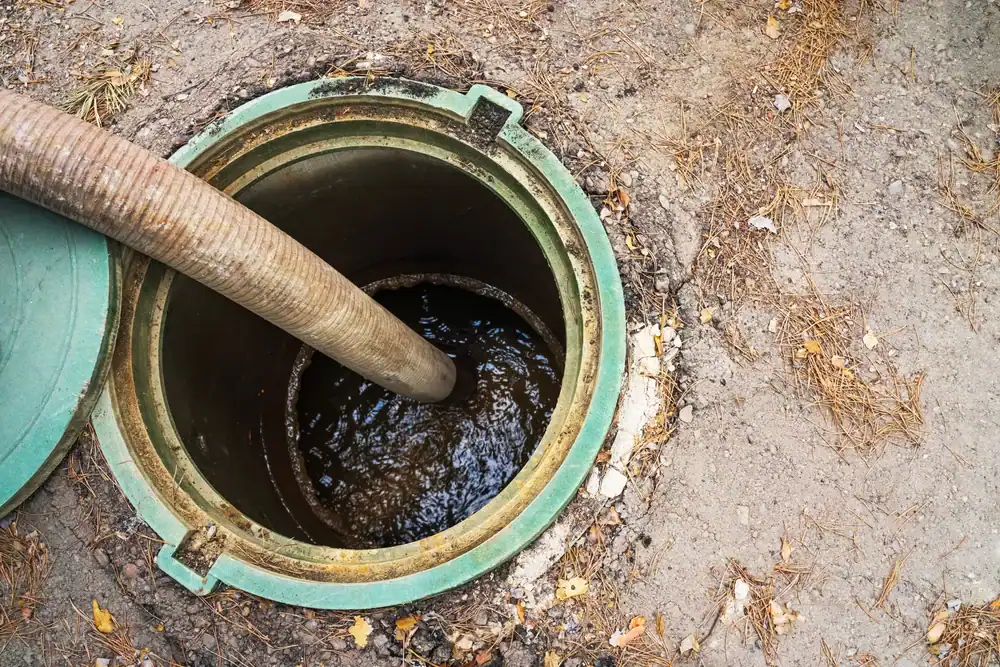
First, we assess the damage. That usually means a video inspection to see exactly where your line has failed—whether it’s root intrusion, pipe collapse, or just age catching up with old Orangeburg or cast iron. You see what we see, and we explain what needs to happen.
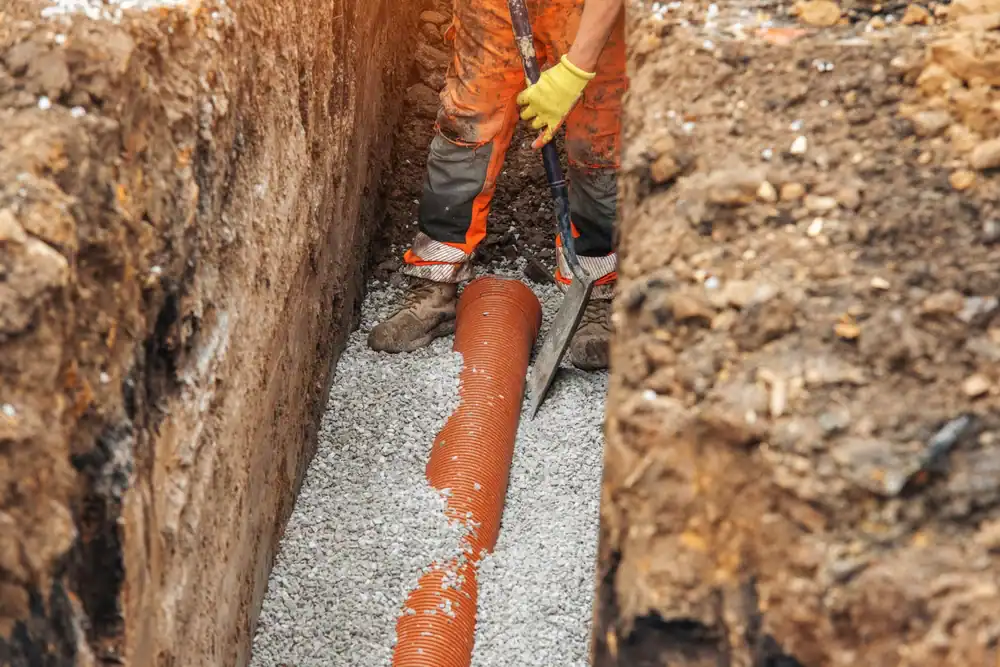
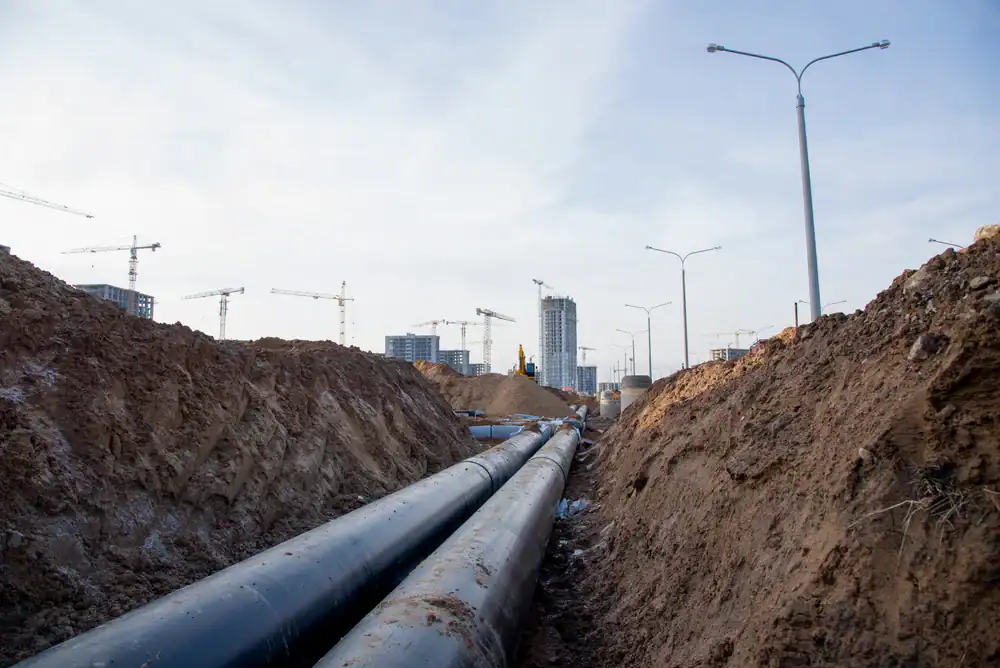
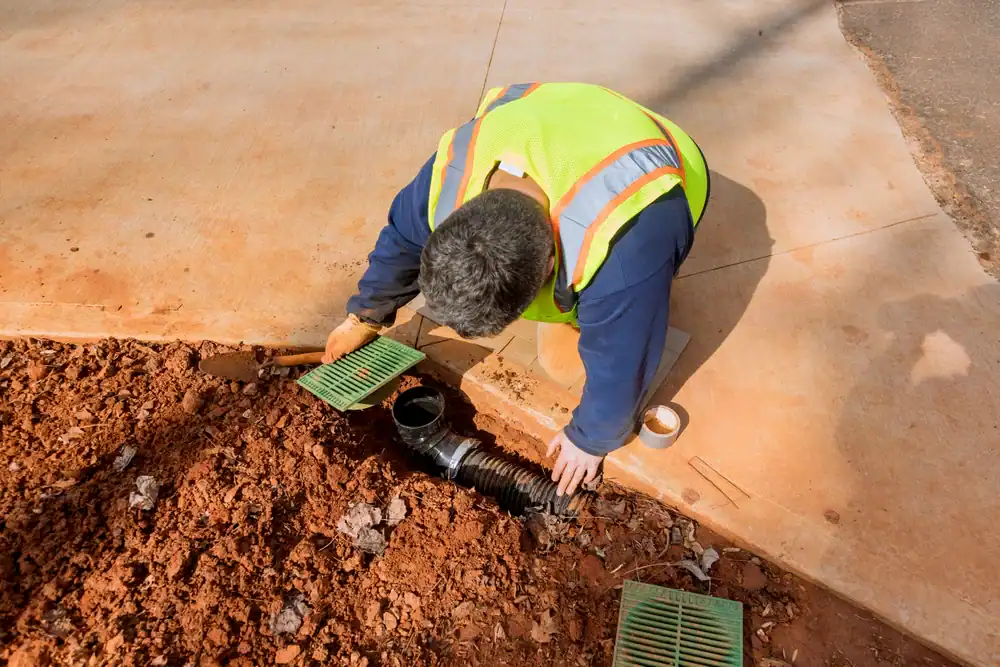
Next comes excavation and trenching. We dig precisely where needed, not everywhere. Modern equipment lets us create clean access points for the damaged sections while leaving the rest of your property intact. If your whole line needs replacement, we map the route that makes sense for your property and your system.
Then we install the new line with laser-guided equipment to ensure proper slope. Every foot of pipe needs to drop a quarter inch toward your cesspool. Too flat and waste sits in the line. Too steep and liquids outrun solids. We check grade multiple times during installation because this is where most problems start.
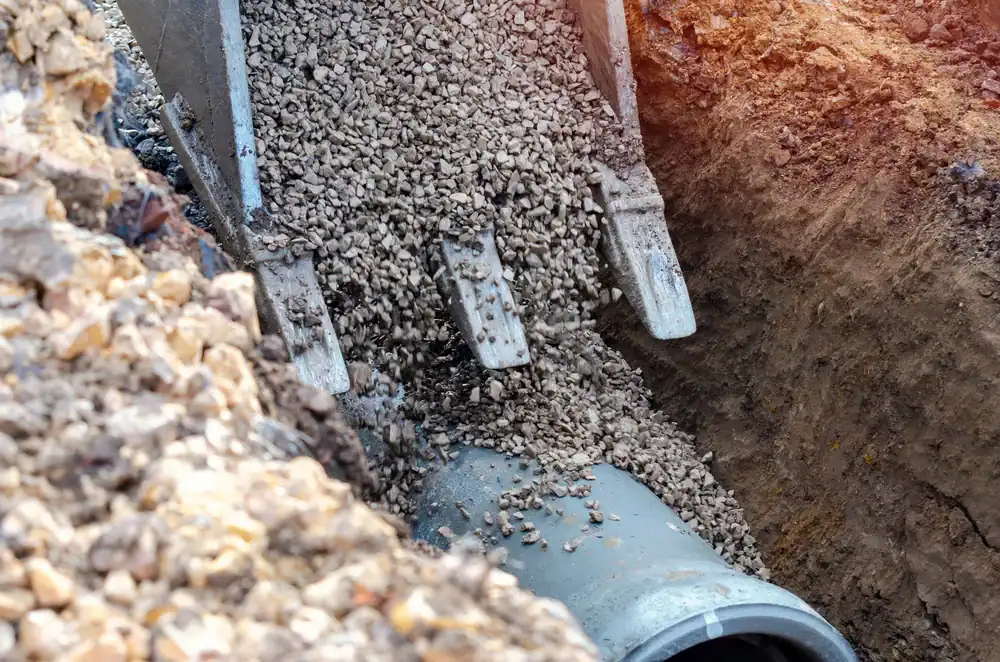
Finally, we connect everything—your house to the new line, the new line to your cesspool—and test the system under real flow conditions before we backfill. You should see immediate improvement in how your drains perform.
Ready to get started?
A complete line change includes excavation, new pipe installation with proper pitch, connection to your existing cesspool, backfill, and site cleanup. You’re getting PVC pipe rated to last 100 years, not the Orangeburg material that fails after 50 or the cast iron that corrodes from the inside out.
In Laurel and throughout Suffolk County, you’re also dealing with regulatory requirements that didn’t exist when your system was first installed. If your cesspool is failing, you can’t just replace it with another cesspool—the 2019 ban means you’re upgrading to a modern septic system. But if your cesspool is still functional and only your lines have failed, a proper line change buys you time and keeps you compliant with current inspection requirements.
Suffolk County requires septic inspections every three years. Missing those deadlines means fines on top of whatever emergency repairs you’re already facing. Keeping your lines in good shape means passing those inspections without surprises, and it means your system keeps working between inspection cycles.
The work comes with our commitment to do it right. That means licensed technicians, proper equipment, and no shortcuts on the details that matter—like slope, like connections, like making sure your yard looks like a crew was never there.
It depends on what the video inspection shows and how old your current lines are. If you’ve got one localized break or blockage in otherwise solid pipe, a targeted repair makes sense. You’re looking at a few hundred dollars to dig down, fix that section, and move on.
But if your pipe is old Orangeburg material, heavily root-damaged throughout, or showing multiple failure points, patching one spot just means you’ll be calling again in six months when the next section goes. Cast iron and clay lines that are 75-plus years old often fall into this category too—they’ve served their lifespan, and trying to repair them is throwing money at a losing battle.
The honest answer comes from what we find during inspection. We’ll show you the footage, explain what you’re looking at, and give you the real cost comparison between repair and replacement. Sometimes repair is the smart move. Sometimes it’s not. You’ll know which situation you’re in before any digging starts.
Long Island’s sandy soil is part of it. Tree roots find sewer lines easily here because they’re searching for water, and once they find a small crack or joint, they expand inside the pipe until flow stops completely. That’s especially common with older clay or Orangeburg pipes that have natural seams and weak points.
Age is the other major factor. Orangeburg pipe—that tar paper material used heavily from the 1950s through 1970s—was only designed to last about 50 years. If your house was built in that era and the lines have never been replaced, you’re on borrowed time. Cast iron corrodes from the inside as waste gases create sulfuric acid. Clay can crack from ground settling or freeze-thaw cycles.
Then there’s installation quality from decades ago. Lines that were never set at proper slope, connections that were poorly made, or pipes that were damaged during original backfill—those problems don’t get better with age. Eventually something gives, and that’s when you get the backup that brings us out to your property.
Most residential line changes in Laurel take one to three days depending on distance and site conditions. If we’re replacing 50 feet of line with clear access and no obstacles, you’re looking at a day—maybe a day and a half if we hit unexpected complications like old concrete or unmarked utility lines.
Longer runs or difficult site conditions stretch that timeline. If your cesspool is 150 feet from your house, if we’re working around mature landscaping you want to preserve, or if we need to coordinate with other utilities, it might take three days. Weather matters too—heavy rain turns excavation into a mud pit and we’ll pause rather than create a mess.
Here’s what that timeline includes: inspection and marking, excavation, pipe installation with grade checks, connection and testing, backfill and compaction, and site restoration. You’ll have working drains again as soon as the connections are made and tested. The rest is finishing work to get your property back to normal.
We can minimize the impact, but we can’t make it invisible. Replacing a sewer line means digging a trench from your house to your cesspool, and that trench needs to be wide enough and deep enough to work in—usually about two feet wide and four to six feet deep depending on your line depth.
What we can do is plan the route carefully to avoid mature trees, gardens, and hardscaping where possible. We can use smaller equipment in tight spaces. We can strip and save sod in sections so it goes back down after backfill. And we can time the work to match your landscaping plans if you’re already thinking about changes.
The trench will be visible after we’re done, especially for the first few weeks. Grass grows back. Ground settles. By next season, most properties show minimal evidence of the work. If you’ve got specific concerns—a prize garden, new pavers, irrigation lines—tell us during the estimate. We’ll factor that into how we approach the job and what restoration work makes sense.
Your sewer line is just the pipe that carries waste from your house to your cesspool. Your cesspool is the underground tank where solids settle and liquids leach into the surrounding soil. They’re connected, but they’re separate components that can fail independently.
If your cesspool is still functioning—still accepting waste, still leaching properly, still passing inspections—but your line has failed, you only need line work. That’s the few-thousand-dollar fix. Your cesspool keeps doing its job, and the new line restores proper flow between your house and that tank.
But if your cesspool has failed—if it’s not leaching anymore, if the bottom has deteriorated, if you’re getting backups even with clear lines—Suffolk County regulations say you can’t replace it with another cesspool. You’re upgrading to a modern septic system with a tank and leach field, and that’s the $15,000 to $30,000 project. The good news is grant funding up to $30,000 is available for Suffolk County residents making that upgrade. The line work is part of that larger project, but the scope and cost are completely different.
Yes, and we handle that process. Suffolk County requires permits for sewer line work to ensure it’s done to code and properly inspected. That includes verifying proper slope, appropriate materials, and correct connections to your existing system.
The permit process also creates a record that the work was done legally, which matters when you sell your property or apply for renovation permits down the road. Unpermitted work can come back to bite you during a title search or home inspection, sometimes years after the fact.
We pull permits as part of the job, coordinate inspections, and make sure everything is documented correctly. You don’t need to visit town offices or figure out the paperwork. It’s built into our process because it protects you and ensures the work meets current standards. The permit cost is included in your estimate, so there are no surprises when the bill comes.
Other Services we provide in Laurel