
Hear from Our Customers
No more backups during dinner parties. No more panic when guests use the bathroom. No more holding your breath every time someone flushes.
When your sewer line to cesspool connection is installed correctly, water flows exactly where it should. Drains clear fast. Toilets flush without hesitation. Your system handles everything your household throws at it without complaint.
Most homes here were built in the 1940s, which means original pipes that have been shifting, cracking, and losing proper pitch for decades. When pipe pitch and slope are off, waste doesn’t flow downhill like it should. It sits in the line, creating backups and eventually complete failure.
A proper line change fixes the root problem. You’re not patching a crack or clearing a temporary blockage. You’re replacing the entire connection from your house to your cesspool with new pipe at the correct slope, so gravity does what it’s supposed to do for the next fifty years.
We’ve been based right here in Locust Valley for four generations. We’re not a franchise that showed up last year. We’re the family-owned company that’s been maintaining cesspool systems in homes like yours since before most of these properties changed hands.
We’re licensed and insured, which matters more than you’d think when someone’s digging on your property. But what really matters is that we’ve seen every version of what can go wrong with a 1940s-era cesspool system. We know which shortcuts fail and which methods actually last.
When your neighbor three streets over had their line replaced, there’s a good chance we did it. When the property down the block needed emergency work during a winter freeze, we were the ones who showed up within two hours and got it handled without ripping up their entire yard.
First, we run a camera through your existing line to see exactly what we’re dealing with. You’ll see the footage yourself—the cracks, the root intrusion, the sections where the pipe has dropped and created a belly that holds water and waste.
Then we talk through your options. In many cases, we can use trenchless methods that avoid the typical $10,000-$20,000 in landscape restoration costs. If trenching and excavation are necessary, we map out the most direct path that protects your landscaping, driveway, and property features as much as possible.
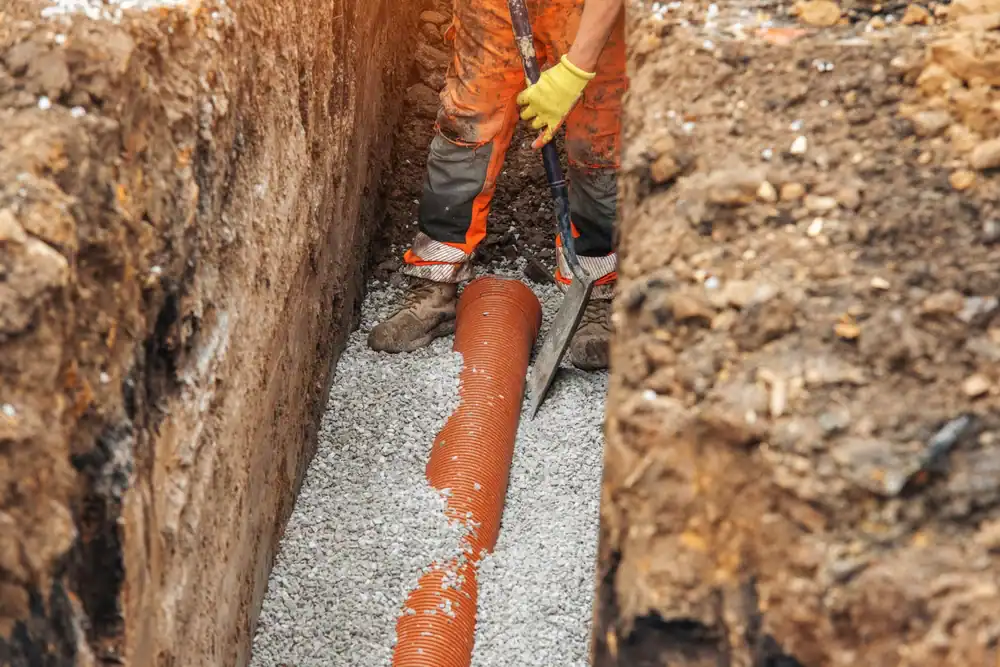
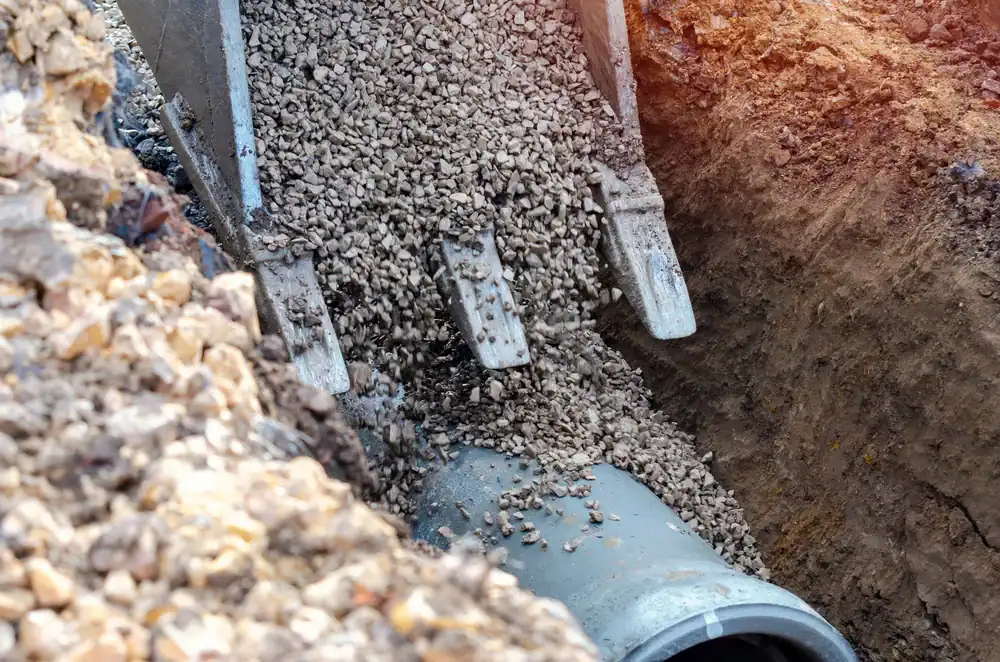
During the actual work, we remove the old line and install new pipe at the proper pitch from your house to your cesspool. Every section is sloped correctly so gravity moves waste downhill without any low spots where backups can develop. We test the entire system before we backfill, because finding a problem after we’ve covered everything costs you time and money.
Once it’s done, you have a complete sewer line replacement that’ll last well over fifty years, guaranteed for ten years, and installed by people who’ve been doing this work in Locust Valley since your grandparents were raising families here.
Ready to get started?
You get a camera inspection that shows you exactly what’s wrong, not a guess based on symptoms. You get options explained in plain language, with real numbers for both trenchless and traditional methods. You get a crew that shows up when we say we will and finishes on schedule.
Most line failures here happen because of back-pitched sections where previous work was done incorrectly, or because tree roots have crushed clay pipes that have been in the ground for eighty years. About 60% of the sewer line problems we see in Nassau County come from root intrusion, especially in neighborhoods with mature trees like this one.
When we replace your line, we’re accounting for Long Island soil conditions—the clay content that causes pipes to shift, the freeze-thaw cycles that crack inferior materials, and the water table issues that affect how we backfill and compact around new pipe. These aren’t small details. They’re the difference between a repair that lasts three years and one that outlives your mortgage.
You also get documentation for your records and future property sales, showing that the work was done by a licensed contractor, inspected properly, and guaranteed for a full decade.
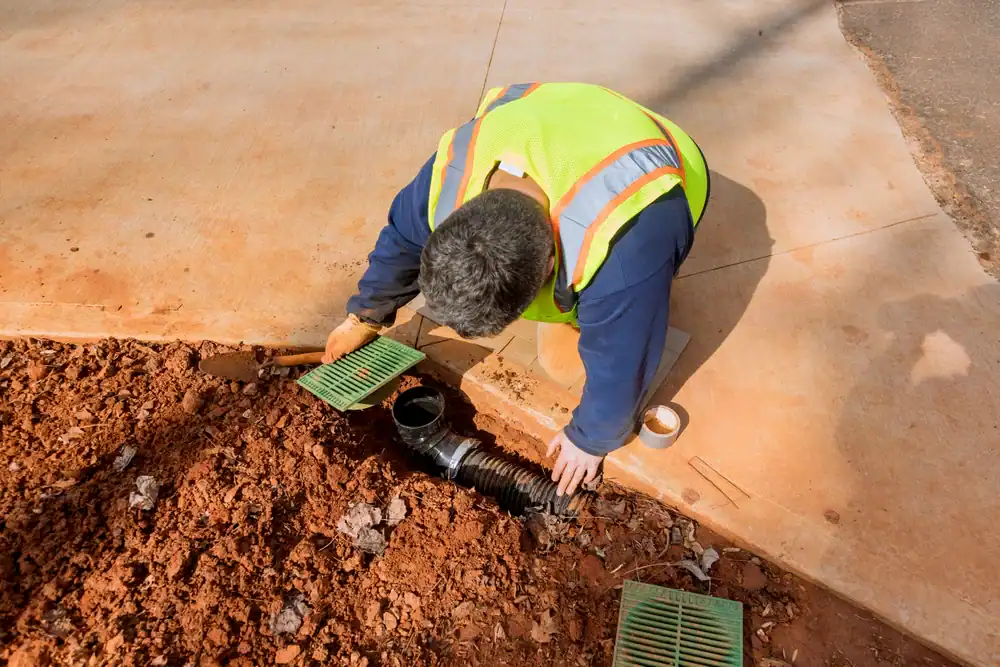
If you’re getting repeated backups even after clearing the line, or if you’ve had multiple sections repaired over the years, you’re probably past the point where repairs make financial sense. A camera inspection shows us exactly how much of your line is compromised.
When we see widespread cracking, multiple root intrusions, or sections where the pipe has lost its slope, a full line change costs less in the long run than chasing problems every few years. One client spent $3,000 on three separate repairs over five years before finally replacing the whole line for $6,500. He could have saved money and stress by doing it right the first time.
The other factor is age. If your home was built in the 1940s and you’re still running the original clay pipe, you’re on borrowed time. Those lines weren’t designed to last eighty years, and the longer you wait, the higher the chance of a complete failure that floods your basement or yard with sewage.
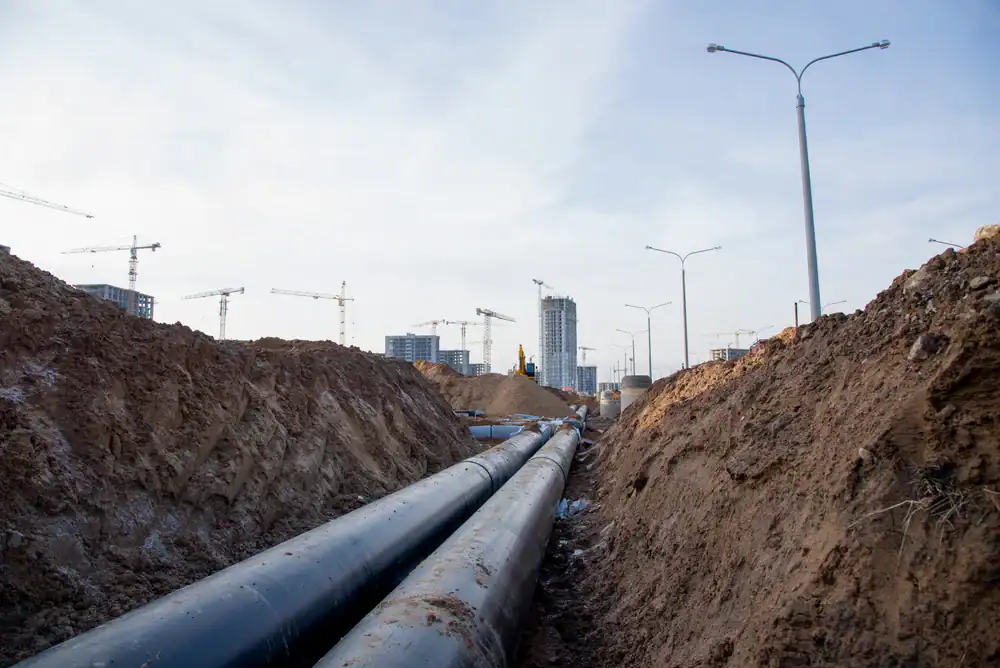
Trenchless methods let us replace your line by creating small access points at each end and pulling new pipe through the existing path. Traditional excavation means digging a trench from your house to your cesspool, removing the old pipe, and installing new pipe in the open trench.
Trenchless saves you the cost of restoring your lawn, landscaping, driveway, or walkways. On Long Island, homeowners typically save 30-50% on total project costs when they can avoid excavation. The work also finishes faster—usually in a day or two instead of a week.
But trenchless doesn’t work in every situation. If your line has completely collapsed, or if we need to correct major slope issues, we may need to excavate. The camera inspection tells us which method will actually work for your specific situation. We’re not going to sell you on trenchless if it’s not the right solution, because a failed repair costs you more than doing it right the first time.
Most line changes take one to three days depending on the length of your run, soil conditions, and whether we’re using trenchless or traditional methods. The camera inspection happens first and usually takes about an hour. You’ll know the same day what we found and what we recommend.
If you approve the work, we typically schedule it within a few days unless you’re calling for an emergency. During the actual installation, your water will be off for portions of the day, but we make sure you have working facilities by end of day if the job runs longer than expected.
The timeline can stretch if we hit unexpected problems—a water main we didn’t know was there, ledge rock that requires special equipment, or weather that makes excavation unsafe. But those situations are rare, and we communicate immediately if something changes the schedule or cost.
Not if we can avoid it. We map the most direct path from your house to your cesspool and look for ways to minimize impact on your property. If trenchless methods work for your situation, we only need small access points at each end—no continuous trench.
When excavation is necessary, we’re strategic about where we dig. We avoid mature trees, stay clear of irrigation systems when possible, and route around hardscape features that would be expensive to replace. The goal is to fix your sewer line, not destroy everything else in the process.
We also handle restoration differently than most companies. Instead of leaving you with a muddy trench and a pile of dirt, we backfill properly, compact the soil in layers, and restore the surface as close to original condition as possible. You’ll still need to reseed or replant, but you’re not looking at a construction zone for months after we leave.
The main culprits are age, root intrusion, and improper slope. Most homes here were built in the 1940s with clay pipe that was never designed to last eighty years. Clay cracks as soil shifts, and once there’s a crack, tree roots find their way in and expand until they completely block the line.
Back-pitched sections are another common problem. If previous work was done incorrectly, or if settling has changed the slope of your pipe, waste can’t flow downhill properly. It sits in the low spots, creating chronic backups that won’t resolve no matter how many times you have the line cleared.
Long Island’s freeze-thaw cycles don’t help. When water freezes in the ground around your pipe, it expands and puts pressure on joints and weak spots. Over decades, that seasonal stress adds up. Combined with our clay-heavy soil that holds moisture and shifts as it expands and contracts, you have conditions that are particularly hard on underground pipes.
Most line changes here run between $5,000 and $12,000 depending on the length of your run, soil conditions, and whether we can use trenchless methods. A straightforward trenchless replacement on a 50-foot run might come in around $6,000. A 100-foot traditional excavation through difficult soil with landscape restoration could push toward $12,000.
Emergency replacements cost more because we’re mobilizing crews outside normal hours and rushing materials. That’s why it makes sense to address problems when you first notice repeated backups, rather than waiting until sewage is flooding your basement at 9 PM on a Saturday.
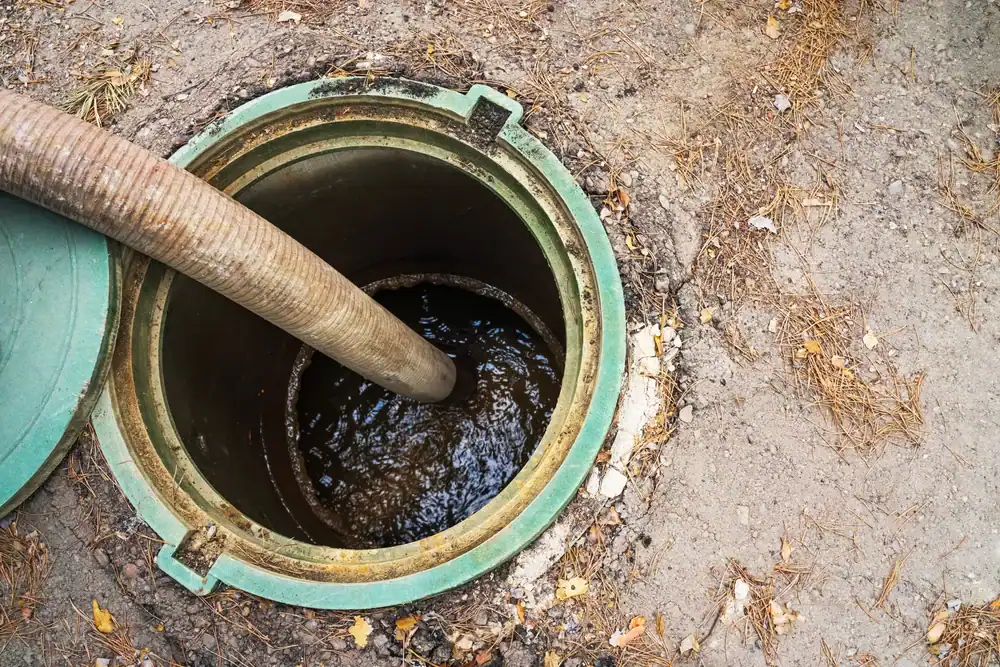
The cost also depends on what we find during the camera inspection. If your cesspool itself is failing, or if we discover other issues with your system, those need to be addressed as part of the overall solution. We give you a detailed estimate before any work starts, so you know exactly what you’re paying for and why. No surprises, no padding, just honest numbers based on what your specific situation requires.
Other Services we provide in Locust Valley