
Hear from Our Customers
Your drains empty fast. Your toilets flush without hesitation. You stop worrying about backups during family gatherings or when guests visit.
That’s what proper line changes give you. Not just a temporary fix, but a main waste line replacement that handles everything your household throws at it. When the pipe pitch and slope are correct—one-quarter inch drop per foot—wastewater flows naturally without creating pressure issues or allowing sewer gases back into your home.
Most homeowners in Massapequa don’t realize their cesspool problems aren’t actually cesspool problems. The real issue is often the connection line between your house and the cesspool. When that line fails due to age, root intrusion, or improper installation, you’re looking at slow drains, frequent backups, and sewage odors that won’t go away no matter how many times you pump the tank.
We’ve been handling line changes in Massapequa for nearly two decades. We’re not new to Long Island’s unique challenges—the sandy soil, high water table, and aging infrastructure that makes proper trenching and excavation more complex than other regions.
Most homes in Massapequa were built before 1973, back when cesspools were the standard and installation practices weren’t as strict. That means your sewer line to cesspool connection might be sitting at the wrong angle, made from outdated materials, or deteriorating from decades of use.
We show up with the right equipment, handle the excavation without tearing up your entire yard, and install new lines that meet current code requirements. You get 24/7 availability because line failures don’t wait for business hours, and you get technicians who’ve seen every variation of cesspool system Long Island has to offer.
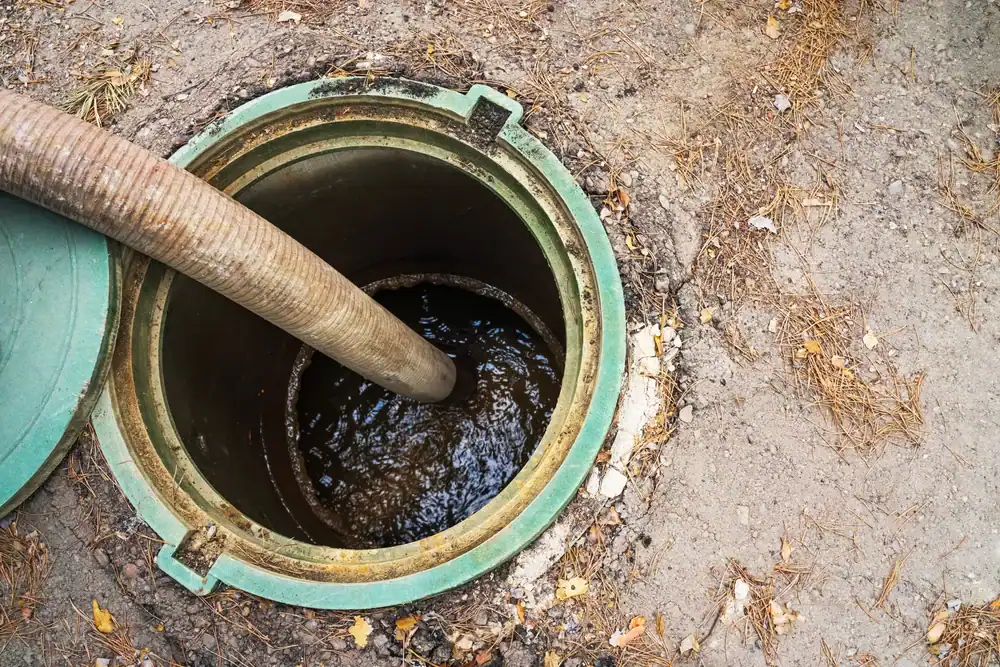
First, we inspect your existing line with video camera technology. This shows us exactly where the failure is, what caused it, and whether you need a full main waste line replacement or a targeted repair. You see what we see—no guessing, no upselling.
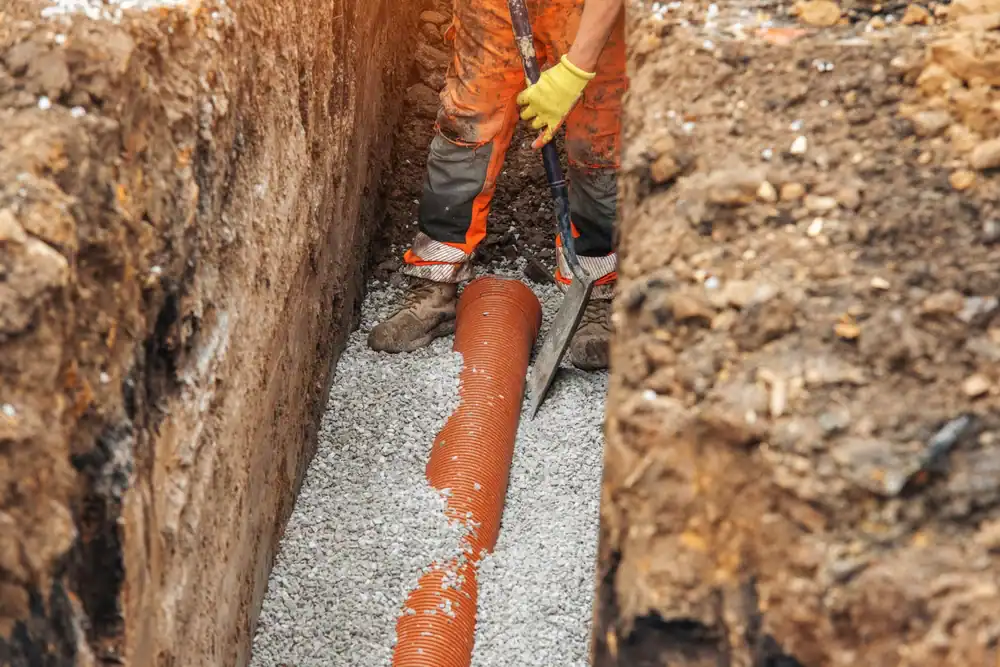
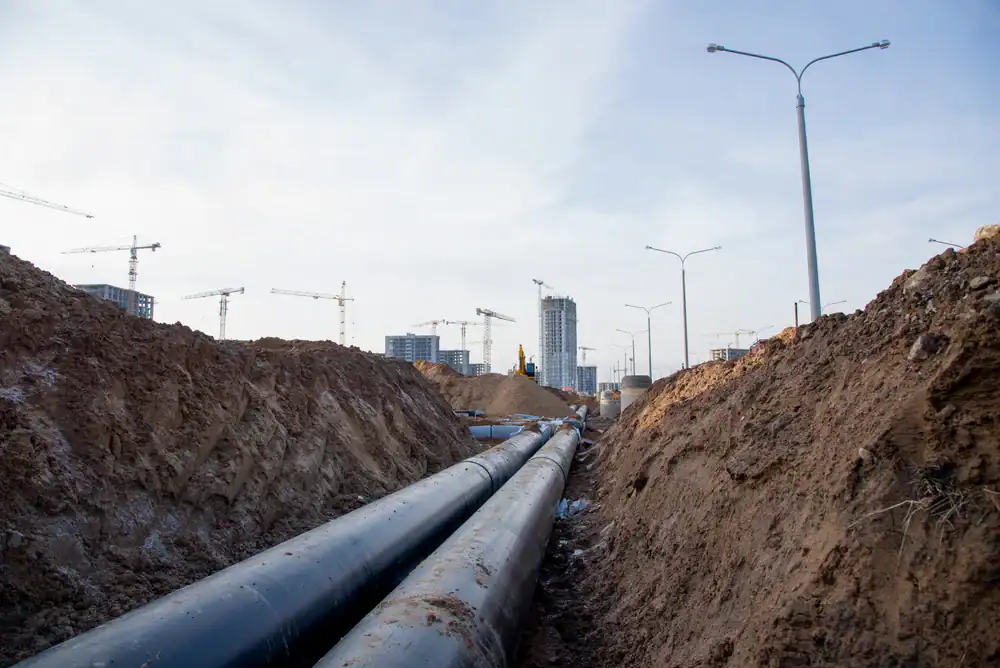
Next comes excavation. We dig strategically to access the damaged section while minimizing disruption to your landscaping and hardscaping. For many Massapequa properties, we can use trenchless methods that eliminate the need for extensive digging. When traditional trenching is necessary, we’re precise about it.
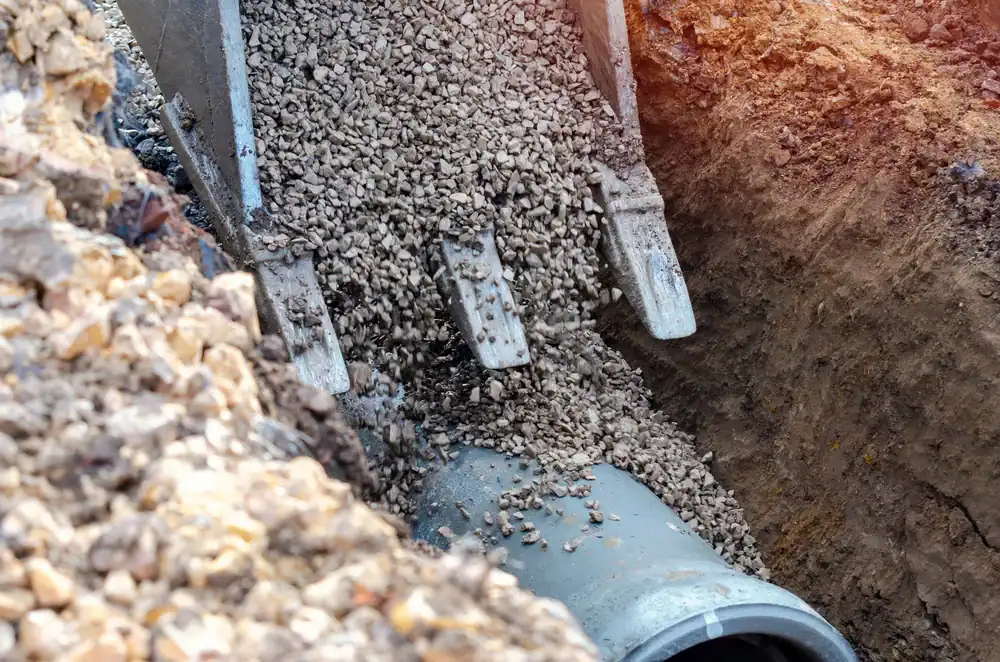
Then we install the new line with proper pipe pitch and slope. This isn’t negotiable—if the angle is wrong, you’ll have problems within months. We ensure that one-quarter inch per foot drop so wastewater flows naturally to your cesspool without creating pressure issues or allowing gases back into your home. The sewer line to cesspool connection gets sealed properly to prevent root intrusion and groundwater infiltration.
Finally, we test everything before backfilling. You’ll know your system works before we leave your property.
Ready to get started?
You get a complete video inspection of your existing system so you know exactly what you’re dealing with. This matters in Massapequa because many homes have mixed systems—part cesspool, part septic, sometimes connected to municipal sewers in ways that don’t meet current code.
The trenching and excavation work includes proper shoring and safety measures. Long Island’s sandy soil and high water table make excavation more complex than other regions. We account for that in how we dig, what materials we use, and how we protect your property during the work.
Your new line gets installed at the correct pitch—typically two percent slope, which translates to two feet of drop per 100 feet of run. This ensures wastewater moves efficiently without flowing so fast that it siphons water from your traps and lets sewer gases into your home. For lateral lines to your leaching field, we use the standard one-eighth inch per foot pitch.
We handle permits and inspections required by Nassau County. Since July 2019, Suffolk County regulations have tightened significantly, and while Massapequa is in Nassau County, similar scrutiny applies to any cesspool or septic work. You don’t want to deal with compliance issues when you eventually sell your home.
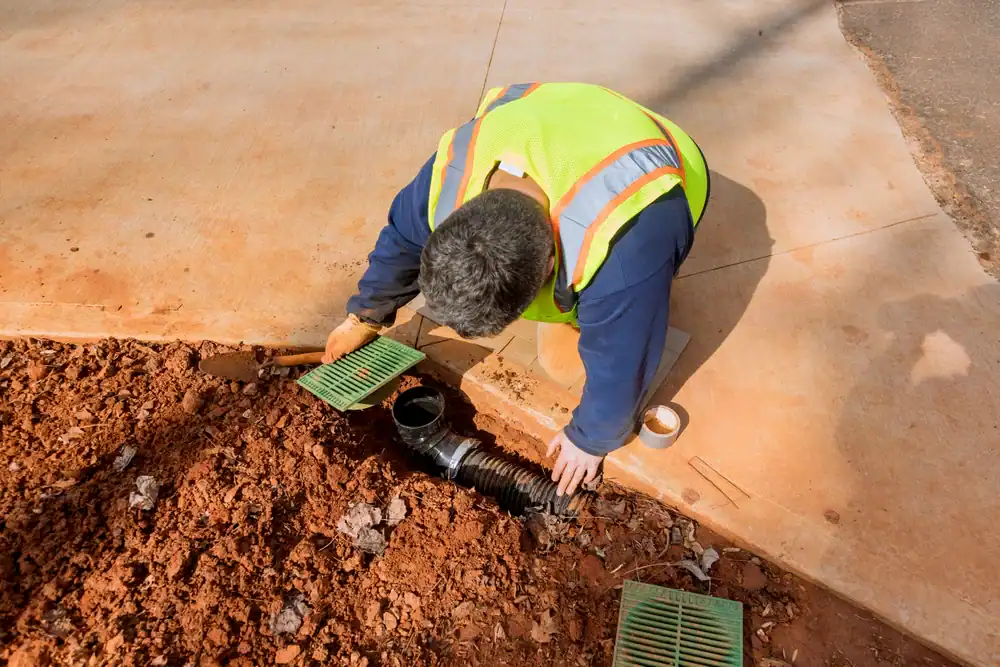
Expect to pay between $4,130 and $4,480 for a typical residential line replacement in the Northeast, which includes Massapequa. That’s 83% higher than what homeowners in the Lower South pay, but it reflects regional labor costs, material expenses, and the complexity of working with Long Island’s soil conditions.
The total depends on how much line needs replacing. Excavation runs $30 to $70 per cubic foot, with additional trenching at $4 to $12 per linear foot. If we can use trenchless methods, you’ll save on excavation costs and landscape restoration.
Emergency calls cost two to three times more than scheduled service. If you’re noticing slow drains, sewage odors, or wet spots in your yard above the line, don’t wait. Addressing problems early prevents the $3,000 to $7,000 you’d spend on sewage backup cleanup, not counting structural repairs or temporary housing if your home becomes uninhabitable.
Age is the primary culprit. Most Massapequa homes were built before 1973, and those original sewer lines are now 50+ years old. Materials break down, joints separate, and pipes crack under the weight of soil and traffic above them.
Root intrusion is the second major cause. Tree roots seek out water sources, and even a tiny crack in your sewer line to cesspool connection becomes an entry point. Once roots get inside, they expand and create blockages that cause backups.
Improper installation also creates failures. If the original pipe pitch and slope weren’t correct, you’ve been dealing with slow drainage and partial clogs for years. Eventually, the constant standing water and pressure cause the line to fail completely. Long Island’s sandy soil and high water table accelerate these problems because the ground shifts more than in other regions.
In many cases, yes. Trenchless repair and replacement methods let us access your line through small entry points rather than digging a continuous trench from your house to your cesspool. We insert a new liner into the existing pipe or use pipe bursting technology to replace the old line with minimal surface disruption.
Trenchless works best when your existing line is relatively straight and the damage is from cracks, corrosion, or root intrusion rather than complete collapse. We determine this during the video inspection. If your line has collapsed sections or is severely misaligned, traditional trenching and excavation becomes necessary.
The benefit of trenchless methods goes beyond saving your landscaping. You avoid the cost of restoring driveways, patios, or walkways that would need to be removed for traditional excavation. The work also goes faster—often completed in one to two days instead of a week.
The angle of your sewer line controls how wastewater flows to your cesspool. Too flat, and waste moves slowly, creating clogs and allowing solids to settle in the pipe. Too steep, and water rushes through so fast it leaves solids behind and can siphon water from your drain traps, letting sewer gases into your home.
The standard is one-quarter inch of drop per foot of horizontal run. For a 50-foot line from your house to your cesspool, that’s 12.5 inches of total drop. This slope moves wastewater efficiently while keeping enough water in the pipe to carry solids along.
Many older Massapequa homes have lines installed at incorrect angles because standards were less strict decades ago. When we do line changes, we’re not just replacing old pipe with new pipe—we’re correcting the pitch so your system actually works the way it should. That’s why proper main waste line replacement costs more than a simple pipe swap, and why it prevents problems instead of just delaying them.
Most residential line changes in Massapequa take two to four days from start to finish. Day one typically involves the video inspection, marking utility lines, and beginning excavation. Day two is installing the new line and making the sewer line to cesspool connection. Days three and four cover testing, backfilling, and restoring your property surface.
Trenchless methods can reduce this to one or two days since we’re not doing extensive digging. Emergency repairs might happen faster if we’re addressing a single failure point rather than replacing the entire line.
Weather affects the timeline. Heavy rain makes excavation difficult and dangerous in Long Island’s sandy soil. We won’t compromise safety or quality to meet an arbitrary deadline. You’ll know the realistic timeframe after we inspect your system and assess site conditions. Most homeowners can continue living in their home during the work, though you’ll need to minimize water usage while we’re disconnected from your cesspool.
Sewage backs up into your home through the lowest drains—usually basement fixtures, first-floor bathrooms, or washing machine connections. You’re looking at contaminated water that exposes your family to dangerous pathogens through direct contact, airborne particles, and contaminated surfaces. Children and elderly family members face the highest risk of severe illness.
The backup causes property damage that extends beyond the immediate flooding. Sewage soaks into drywall, flooring, and subflooring. Professional remediation costs $3,000 to $7,000 on average, not including structural repairs or replacing damaged belongings. Your homeowner’s insurance might not cover it if they determine the backup resulted from lack of maintenance.
Beyond your property, failed lines contaminate Long Island’s groundwater. Your drinking water comes entirely from underground aquifers, and cesspool failures threaten the water supply for your neighbors and the broader community. Suffolk County already has higher nitrate levels than 95% of the country. Nassau County faces similar challenges. When your line fails, you’re not just dealing with a personal problem—you’re contributing to a regional crisis that affects property values and public health across Massapequa.
Other Services we provide in Massapequa