
Hear from Our Customers
Your toilets are backing up. There’s a wet spot in the yard where the line runs. Maybe you’re smelling sewage near the house. A contractor tells you the whole cesspool system needs replacing—$25,000, maybe more.
But here’s what most homeowners in Mastic Beach don’t know: the problem is often the pipe, not the system. Especially in homes built in the 70s and 80s, which makes up most of this area. Those old orangeburg pipes crack and collapse. The pitch gets thrown off over decades of settling. Tree roots find their way in.
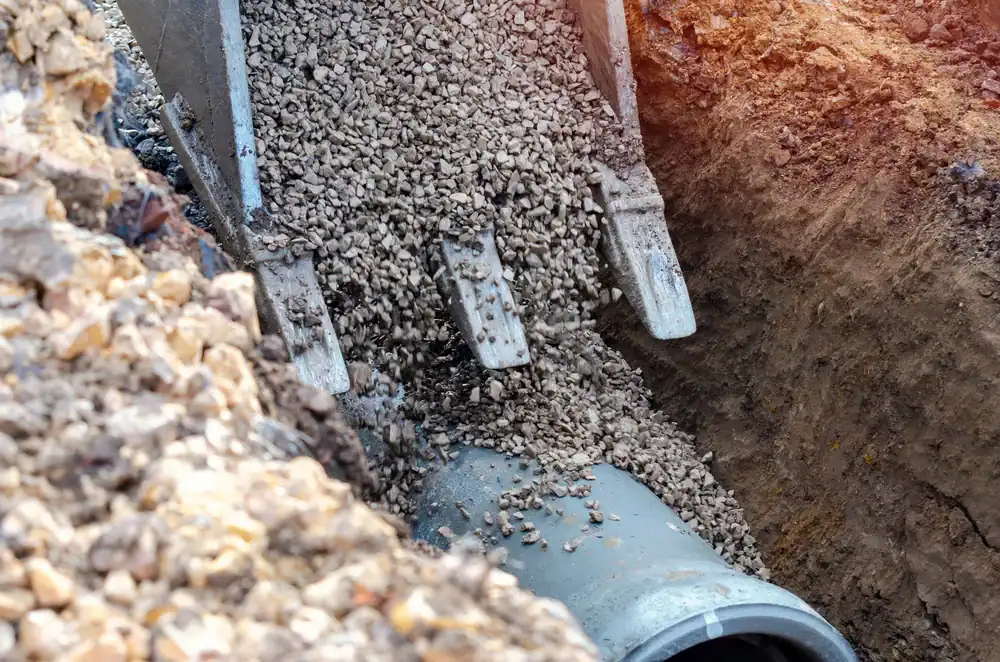
A proper line change—replacing the sewer line from your house to the cesspool—runs between $500 and $3,000 depending on distance and access. That’s not pocket change, but it’s a hell of a lot better than ripping out a functioning cesspool because the connection failed. We dig down, pull the old pipe, lay new PVC at the correct slope, backfill it right, and you’re done. Usually in a day.
Quality Cesspool is a family-owned, licensed, and insured cesspool company serving Mastic Beach and the surrounding Suffolk County area. We’re not the biggest operation on Long Island, and we’re fine with that.
What matters is we know this area. We know the soil conditions here. We know what pipes were used in different decades and how they fail. When we show up to assess your line, we’re looking at the whole picture—not just trying to sell you the biggest job possible.
Most of our work comes from referrals, which tells you something. People call us when they want straight answers about what’s wrong and what it’ll actually take to fix it.
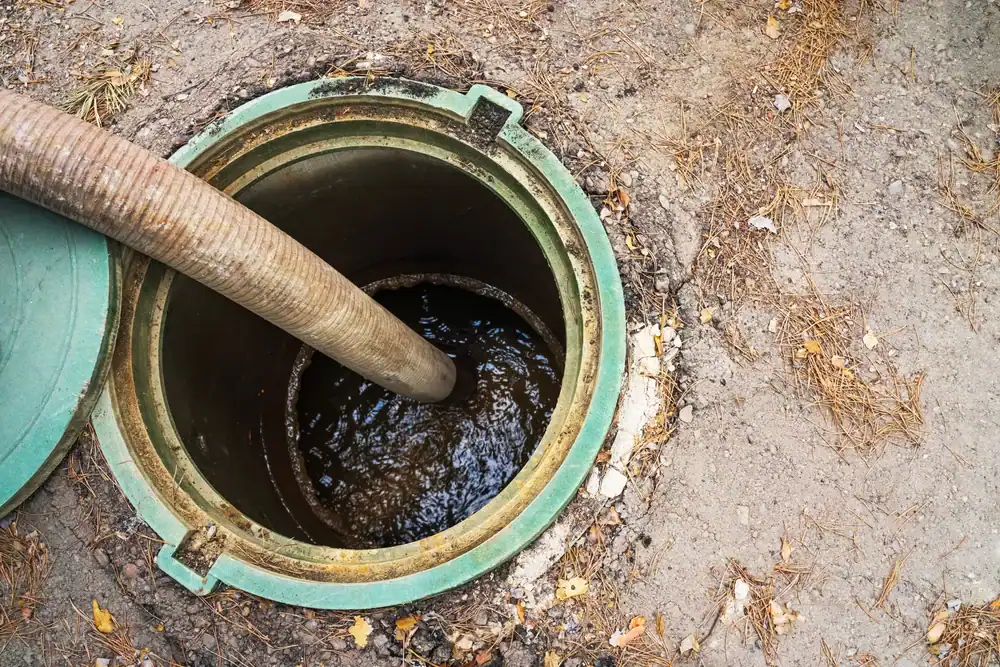
First, we locate the existing line and figure out where the problem is. Sometimes it’s obvious—there’s a sinkhole forming over a collapsed section. Other times we need to do some digging to confirm what’s failing and where.
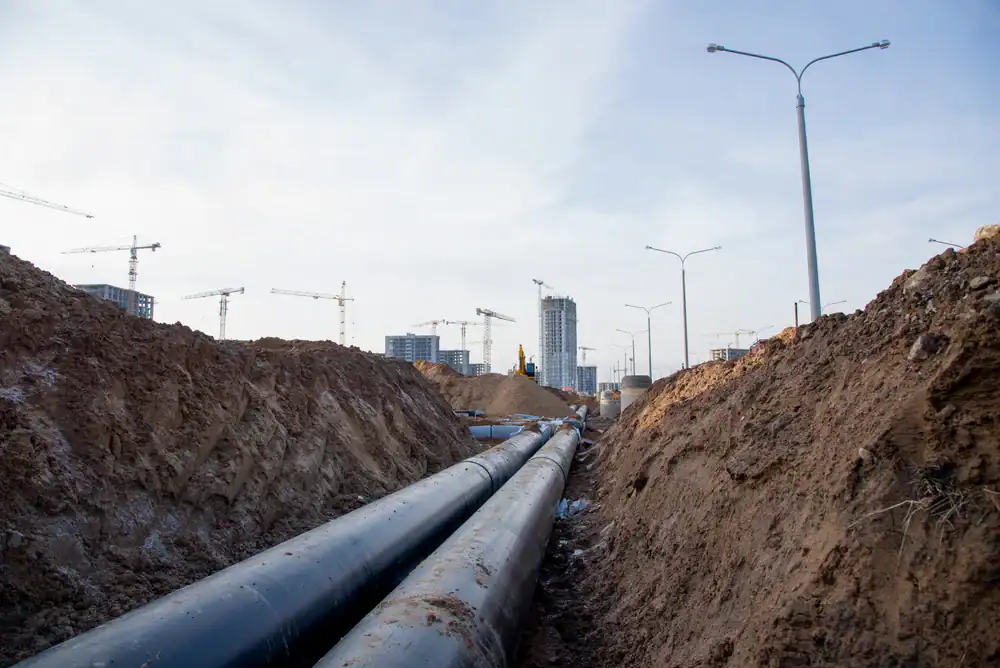
Once we know what we’re dealing with, we map out the excavation. We’re digging a trench from your house to the cesspool, or at least to the problem section if it’s a partial replacement. The depth depends on your setup, but we’re usually going down three to four feet. We use proper excavation equipment to do this efficiently without tearing up more of your property than necessary.
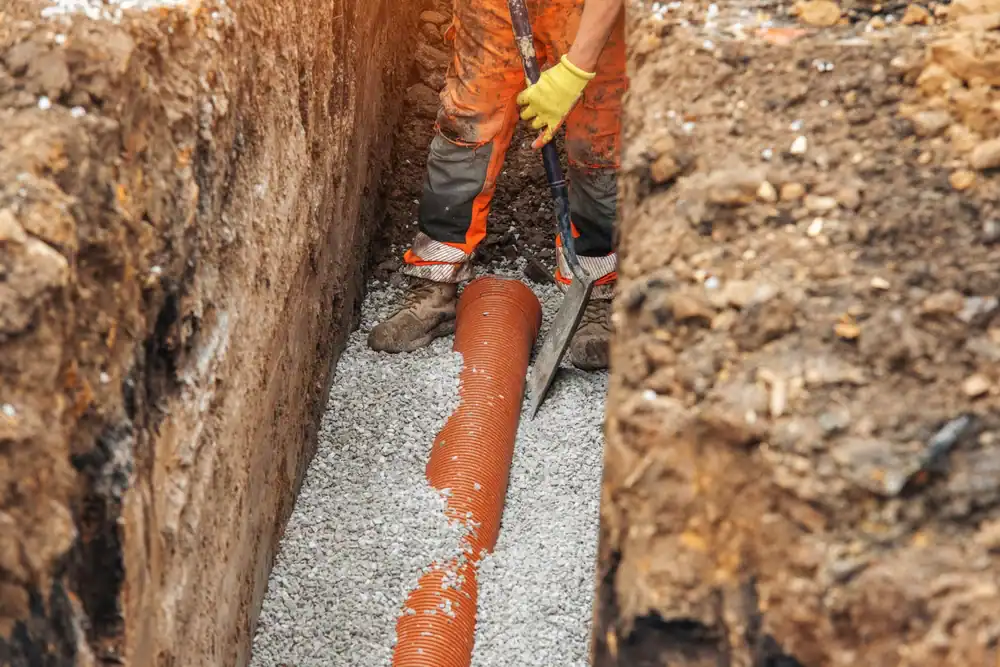
The old pipe comes out. We inspect the cesspool connection point to make sure it’s solid—if that’s compromised, we address it now, not later. Then we lay new schedule 40 PVC pipe at the correct pitch. That slope matters more than most people realize. Too flat and waste doesn’t flow. Too steep and liquids run ahead of solids. We get it right.
After the new line is in and connected, we backfill the trench in layers, compacting as we go. Then we test it. You’ll know before we leave that everything’s flowing the way it should.
Ready to get started?
When you hire us for line changes in Mastic Beach, you’re getting a complete pipe replacement done right. That means proper trenching and excavation with equipment that doesn’t destroy your yard more than necessary. It means new PVC pipe rated for underground waste lines, not the cheap stuff that’ll crack in five years.
You’re also getting the correct pipe pitch and slope. A lot of backups and slow drains come down to improper slope—either from settling over time or because it was installed wrong in the first place. We set the grade at a quarter inch per foot, which is the standard that actually works.
Here’s something specific to this area: Suffolk County has a lot of older homes with cesspool systems, and about 75% of households still use them. That means there’s a lot of aging infrastructure. The orangeburg pipe that was common in the 60s and 70s has a lifespan of about 50 years under good conditions. Most of it is past that now. When we’re replacing your line, we’re also looking at the cesspool connection itself to make sure that junction is solid. If it’s not, we fix it as part of the job.
You’re not just getting a new pipe. You’re getting a proper diagnosis, the right materials, correct installation, and a system that’ll move waste the way it’s supposed to for decades.
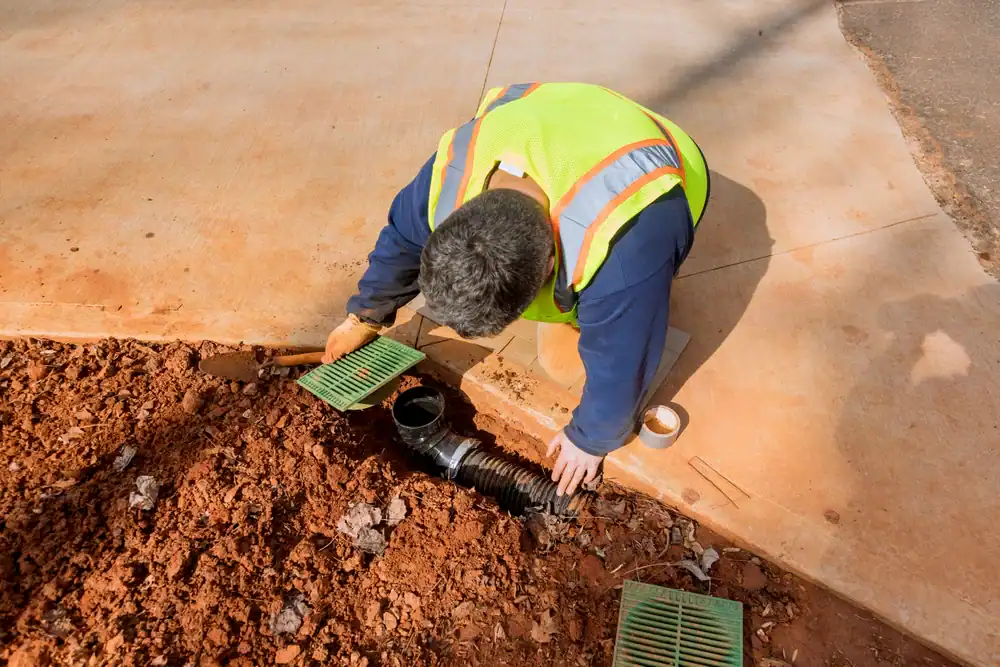
Start with the symptoms. If you’re seeing backups, slow drains, or wet areas in the yard, that could be either the line or the cesspool itself. The difference usually shows up in where the problem happens and how the system behaves.
A failing line typically causes localized issues. You might see soggy ground along the path of the pipe, or backups that happen when you use a lot of water at once. If the cesspool is failing, you’ll usually see the whole system struggling—standing water near the tank, sewage odors around the cesspool location, or backups that don’t correlate with heavy use.
The only way to know for sure is to have someone who knows what they’re looking at come assess it. We can usually tell within the first few minutes of inspection whether it’s a line problem or a system problem. If it’s the line, you’re looking at a few thousand dollars and a day or two of work. If it’s the whole system, that’s a different conversation. But don’t let anyone tell you it’s the whole system without actually confirming where the failure is.
Age is the biggest factor. Most homes in Mastic Beach were built in the 70s, and the pipes that were standard back then don’t last forever. Orangeburg pipe, which was basically tar paper formed into a pipe, was everywhere. It deteriorates, collapses, and stops flowing. If your house is from that era and you’ve never replaced the line, there’s a good chance that’s what you have.
Ground settling is another common cause. Over decades, the soil shifts and the pipe pitch changes. What was installed at the correct slope 40 years ago might now be back-pitched in sections, meaning waste can’t flow downhill like it should. You get slow drains and eventually backups.
Tree roots are the third big one. Roots seek out water and nutrients, and they’ll find any crack or joint in your sewer line. Once they’re in, they grow and block the pipe. You might get it snaked out temporarily, but if the pipe is compromised, the roots will come back. Replacing the line with solid PVC solves it permanently.
For most residential properties in this area, you’re looking at somewhere between $500 and $3,000. That range is wide because every property is different. The main factors are distance from the house to the cesspool, how deep we need to dig, what’s in the way, and what we find when we get down there.
A straightforward replacement on a property with good access and no complications might be on the lower end. If we’re going a long distance, dealing with difficult soil, or running into unexpected issues with the cesspool connection, it goes up. We give you a clear estimate after we assess the site, and we don’t hit you with surprise charges halfway through the job.
Compare that to a full cesspool replacement, which runs around $25,000 in Suffolk County. If your system is actually fine and it’s just the line that’s failed, you’re saving a massive amount of money by fixing what’s broken instead of replacing what isn’t.
Most line changes can be completed in a day, sometimes two depending on the scope. We’re not talking about a weeks-long project that leaves your yard torn up and your plumbing out of commission indefinitely.
The actual work involves excavating the trench, removing the old pipe, installing the new line at the proper slope, making the connections at both ends, backfilling and compacting the trench, and testing the system. If everything goes smoothly and we’re not dealing with complications, that’s a day’s work for an experienced crew.
Weather can affect the timeline—we’re not backfilling a trench in a rainstorm. And if we discover additional issues once we’re into the job, like a compromised cesspool connection that needs repair, that adds time. But you’ll know before we start what the expected timeline is, and we’ll tell you immediately if something changes that.
It depends on what’s failed and why. If you have a localized collapse or root intrusion in one section and the rest of the pipe is solid, we can sometimes replace just that section. That saves you money and minimizes disruption to your property.
But here’s the reality: if part of the line has failed due to age, the rest of it is probably not far behind. Orangeburg pipe doesn’t fail in just one spot and stay perfect everywhere else. If we’re seeing deterioration, it’s usually happening along the whole run. In those cases, replacing the entire line makes more sense than doing a patch job now and coming back in two years to replace another section.
We’ll tell you honestly what we think makes sense. If a partial replacement will actually solve the problem long-term, we’ll do that. If we think you’re going to be calling us back in a year with the same issue six feet down the line, we’ll recommend doing it all now. You make the final call, but we’ll give you our professional opinion based on what we’re seeing.
Yes, and we handle that. Any work on your cesspool system or the lines connected to it requires permits from the local town in Suffolk County. The regulations exist to make sure the work is done correctly and doesn’t create environmental or health hazards.
The permit process involves submitting plans, getting approval, and then having the work inspected after it’s complete. We manage all of that as part of the job. You’re not filling out paperwork or dealing with the town building department—we are.
This is one of those things where working with a licensed and insured contractor matters. We know what the local requirements are, we know how to get permits approved without delays, and we know what the inspector is going to look for when they come out. The work gets done to code the first time, it passes inspection, and you’re not dealing with compliance issues down the road.
Other Services we provide in Mastic Beach