
Hear from Our Customers
When your main waste line fails, everything stops working. Toilets back up. Showers won’t drain. You can’t do laundry or run the dishwasher without raw sewage coming back into your home.
A proper line change fixes the root cause, not just the symptom. You’re not pumping out a full cesspool every few weeks anymore because the waste is actually flowing where it’s supposed to go. The new pipe sits at the correct pitch and slope, so gravity does its job without you thinking about it.
You also stop worrying about what’s happening underground. New heavy-duty polyethylene pipe doesn’t crack, doesn’t leak, and roots can’t get inside because it’s seamless. That means no more emergency calls, no more saturated soil around your foundation, and no more wondering when the next backup will hit. Your system works the way it should have from the start.
We’ve been handling line changes across Mount Sinai and the North Shore for years. We’re the team that shows up with a camera first, not a shovel.
Before we recommend anything, you see the inside of your pipe on video with a foot counter that tells you exactly where the break, belly, or root intrusion is. No guessing. No upselling a full replacement when a targeted repair would work.
Mount Sinai sits on some of the densest cesspool infrastructure in the country, and a lot of homes here are dealing with lines that were installed decades ago. We’ve seen what happens when contractors skip the inspection and just start digging. You end up paying for work you didn’t need, and the real problem stays buried.
First, we run a video camera through your line. You watch with us. We locate the problem, measure the depth, and mark the exact spot on your property. If the pipe is broken, collapsed, or sitting at the wrong angle, you’ll see it.
Next, we decide whether trenchless repair makes sense or if we need to excavate. Trenchless means we dig two small access pits and pull new pipe through the old line without tearing up your driveway or landscaping. If the line is too far gone or the pitch is wrong, we trench it and do it right.
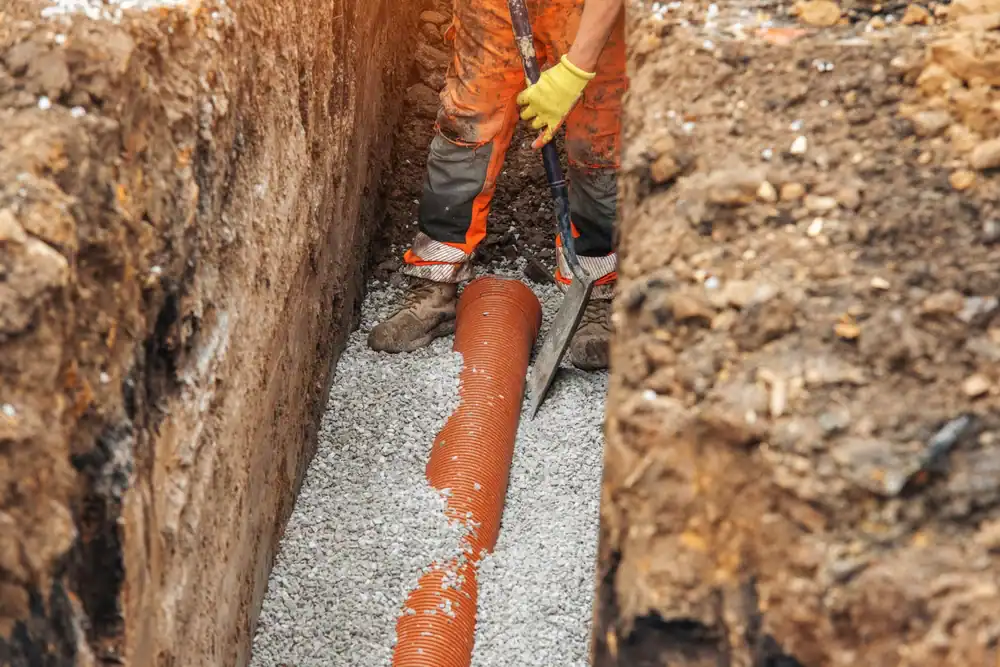
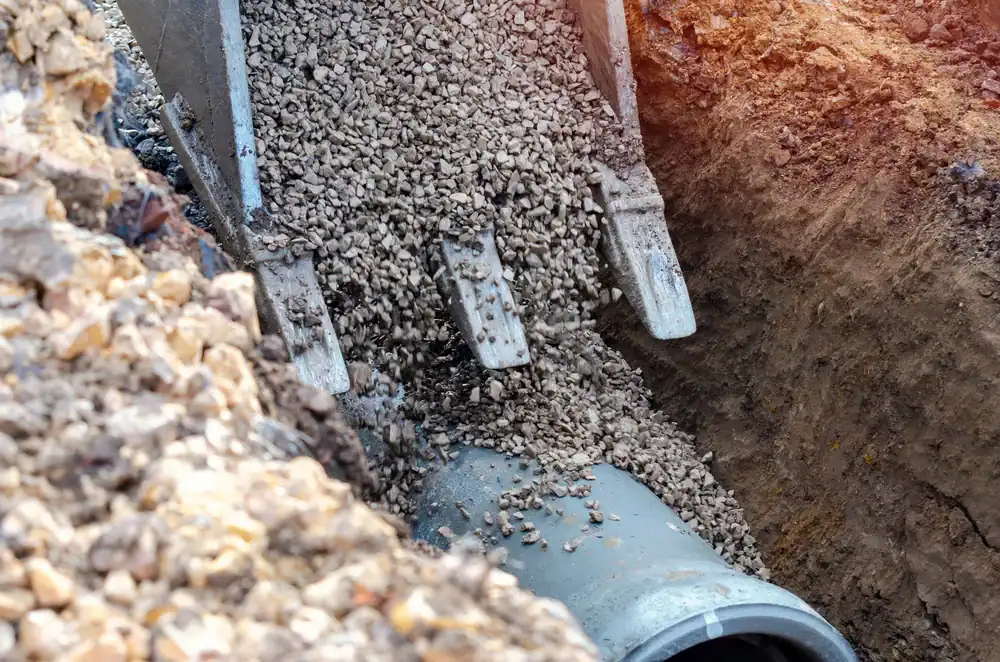
Then we install new seamless polyethylene pipe that’s rated for 100 years. It’s chemical-resistant, root-proof, and code-compliant. We set the grade so waste flows downhill on its own, check the connection to your cesspool, backfill with clean material, and compact everything so your yard doesn’t sink later. Before we leave, the system gets tested and you get documentation of what was done.
Ready to get started?
You get a full video inspection with footage you can keep. That’s how we confirm what’s broken and where. Then you get a free estimate based on what we actually found, not what we think might be wrong.
The line change itself includes trenching and excavation if needed, or trenchless installation if your situation allows it. We remove the old pipe, install new polyethylene pipe at the correct pitch and slope, and make sure the connection to your cesspool is solid and sealed. Everything gets backfilled and compacted properly so you’re not left with a trench that caves in after the first rain.
Mount Sinai homeowners are dealing with aging infrastructure and soil that doesn’t always cooperate. We’ve handled line changes on properties with high water tables, tight access, and old cesspools that weren’t installed to code. If your system is part of Suffolk County’s push to upgrade substandard cesspools in dense areas, this work may also qualify you for reimbursement under the state’s septic replacement funding program. That’s up to 75% of your cost or $25,000 back.
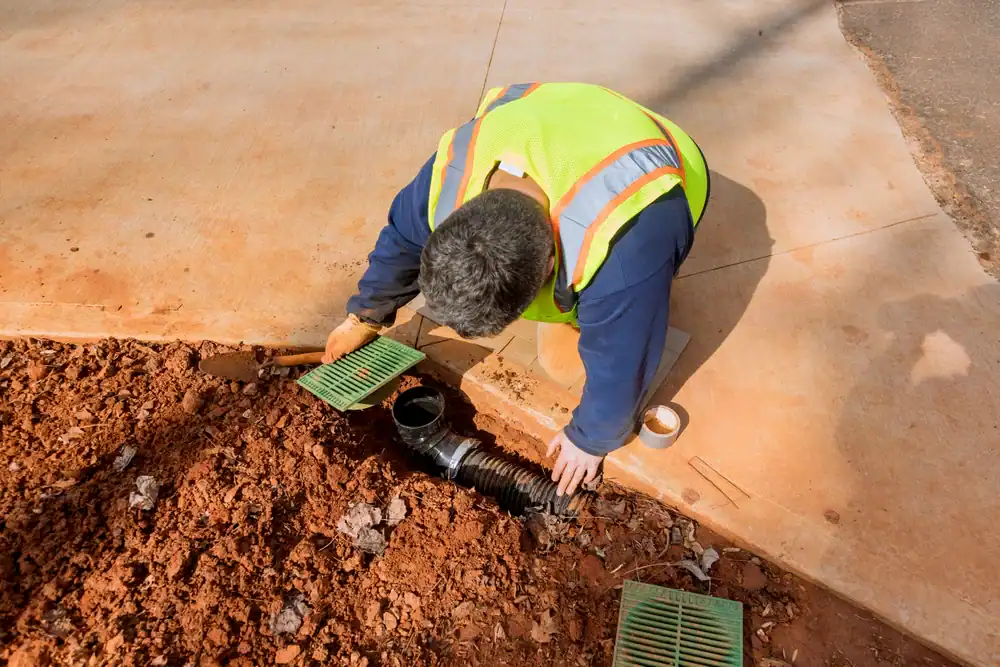
If your cesspool fills up faster than it used to, or if you’re getting backups even after a recent pump-out, the problem isn’t the cesspool. It’s the line feeding it.
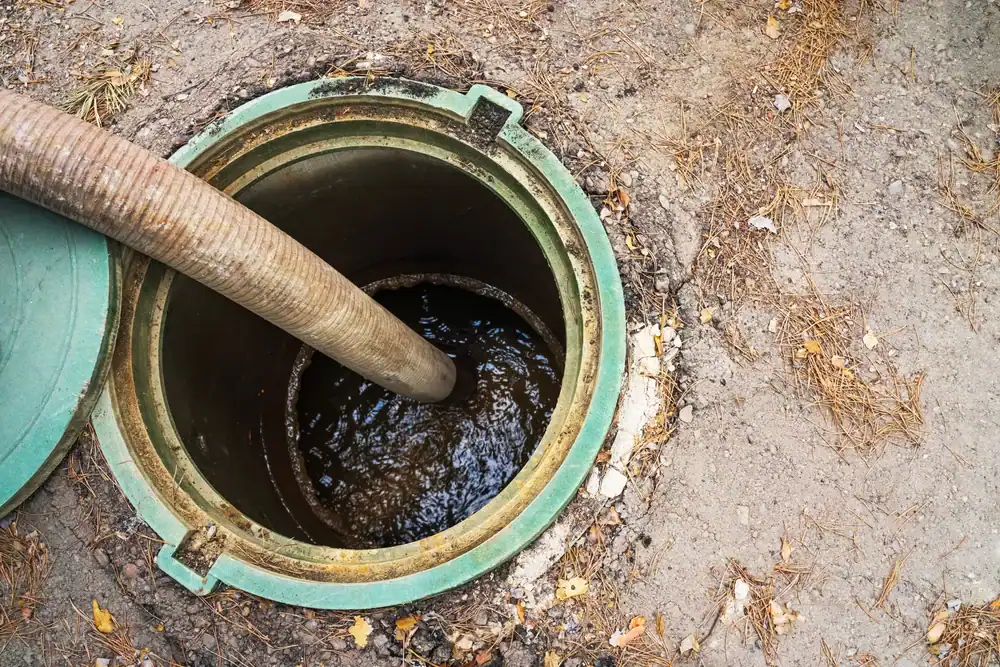
A pump-out clears the tank, but it doesn’t fix a broken pipe, a belly in the line, or a connection that’s separated. If waste isn’t reaching the cesspool because the pipe is cracked or sitting at the wrong angle, you’ll keep having the same problem no matter how often you pump.
That’s why we start with a video inspection. The camera shows us whether the pipe is intact, whether it’s pitched correctly, and whether roots or debris are blocking flow. If the line is compromised, pumping won’t help. You need a replacement.
Trenchless repair works when the existing pipe is still mostly intact and in the right location. We dig two small pits at either end of the damaged section, then pull new pipe through the old one from the inside. Your driveway, landscaping, and walkways stay untouched.
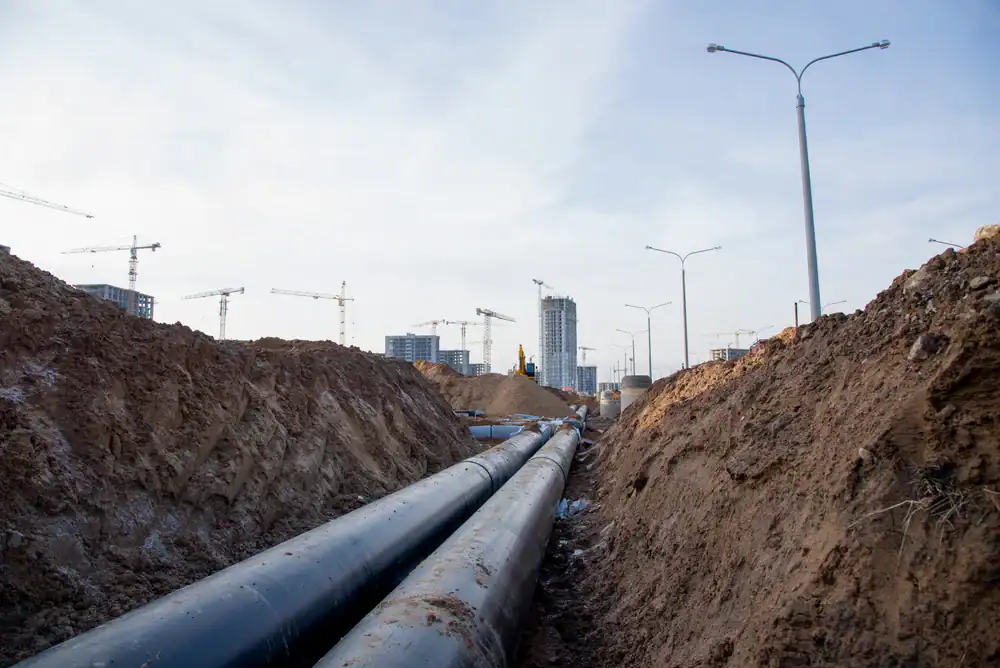
Full excavation is necessary when the pipe has collapsed, when it’s sitting at the wrong pitch, or when the line was never installed correctly in the first place. We trench along the path of the pipe, remove it completely, and install a new line at the proper slope so gravity moves waste downhill without any low spots where solids can settle.
Trenchless is faster and less invasive, but it’s not always an option. After the video inspection, we’ll tell you which method makes sense for your situation and why.
Most line changes take one to two days depending on the length of the run, the depth of the line, and site conditions. Trenchless jobs are usually faster. Full excavation with grading and compaction takes longer.
You won’t be able to use your plumbing while we’re working on the line. That means no toilets, sinks, showers, or appliances that drain. If you’re home during the job, plan accordingly. Some customers leave for the day. Others make arrangements to use a neighbor’s bathroom or stay somewhere else overnight if the work runs into a second day.
Once the new line is in and the connection is tested, your plumbing is back in service. We don’t leave until everything drains properly and you’re able to use your system again.
It depends on where your line runs and what method we use. Trenchless repair requires only two small access pits, so most of your property stays intact. If your line runs under a paved driveway and we can access it from either end, we won’t touch the pavement.
Full excavation means we trench along the path of the pipe. If that path crosses your lawn, driveway, or landscaping, yes, we’ll need to dig it up. But we don’t leave it looking like a construction site. After the new pipe is in, we backfill with clean material, compact it properly, and restore the surface as close to original condition as possible.
If your driveway needs to be cut, we’ll saw-cut clean lines and patch with asphalt or concrete depending on what’s there. If it’s lawn, we grade it level and you can reseed or sod once it settles. We’ve done this enough times to know how to minimize disruption and clean up correctly.
Cost depends on the length of the run, the depth of the line, site access, and whether we’re doing trenchless or full excavation. A straightforward 50-foot line change with open access costs less than a 100-foot run under a paved driveway with ledge rock in the way.
That’s why we don’t quote over the phone. We come out, run the camera, measure the distance, check the depth, and assess site conditions. Then we give you a written estimate based on what your job actually requires.
What we don’t do is guess at the problem and charge you for work that may not be necessary. If the video shows a 10-foot section of broken pipe, we’re not replacing 80 feet of good pipe just to pad the bill. You pay for what needs to be fixed, and you’ll know exactly what that is before we start.
Yes, if your system qualifies under New York State’s septic replacement funding program. The state is reimbursing homeowners up to 75% of project costs or $25,000 for upgrades that reduce nitrogen, phosphorus, and PFAS contamination in groundwater.
Mount Sinai is in one of Suffolk County’s priority areas for cesspool and septic upgrades because of dense populations, small lots, and shallow groundwater. If your line change is part of a larger system replacement or upgrade to a nitrogen-reducing system, you may be eligible.
We can’t guarantee you’ll qualify, but we can point you toward the right resources and make sure the work we do meets the technical requirements for reimbursement. It’s worth looking into before you pay out of pocket, especially if your system is older and due for a full upgrade anyway.
Other Services we provide in Mount Sinai