
Hear from Our Customers
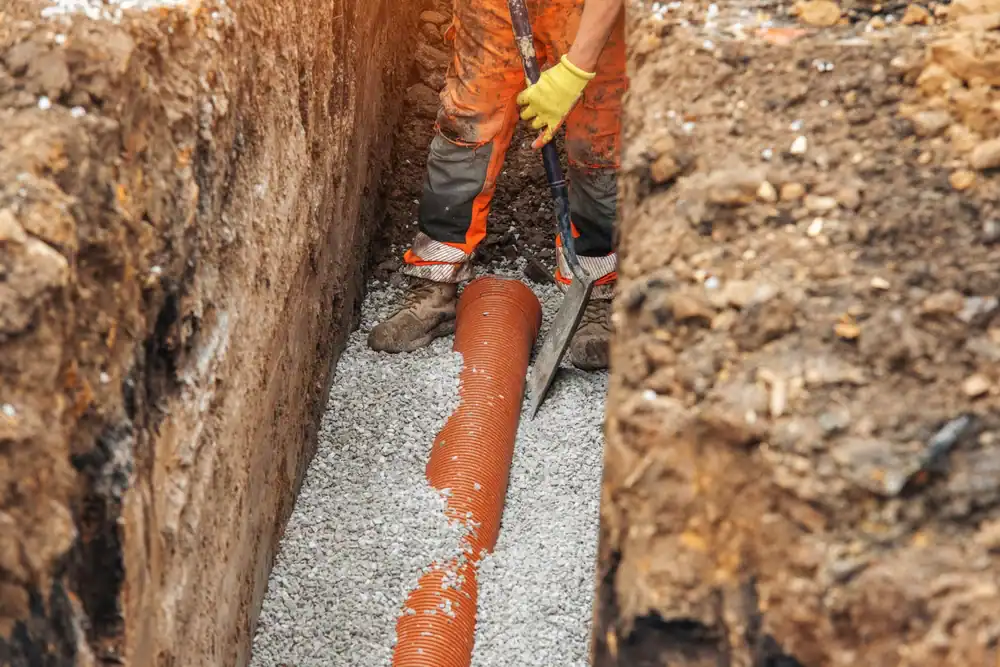
Your drains stop backing up. Water flows where it should, when it should. No more standing water in your yard, no sewage smells near your foundation, and no wondering if your system will hold up through the next heavy use.
That’s what proper line changes do. When your main waste line has the right pitch—minimum 1/4 inch per foot—and your sewer line to cesspool connection is sealed correctly, your system handles everything you throw at it without complaint.
Most homes in Muttontown were built in the 1970s or earlier, which means your pipes have been underground for 40-plus years. They crack. They settle. Tree roots find their way in. When that happens, you’re not dealing with a minor inconvenience—you’re dealing with backups, slow drainage across multiple fixtures, and the real risk of system failure that could cost you $5,000 to $20,000 if you’re forced into a full replacement.
Fixing it now, the right way, means you avoid that. You get a system that works reliably, protects your property value, and keeps your home running the way a million-dollar Muttontown property should.
We’ve been doing this for nearly 20 years on Long Island, with roots going back four generations. That means we know Nassau County’s soil, the high water table you’re dealing with here, and exactly how Muttontown’s older cesspool systems behave when they start to fail.
We’re licensed, insured, and local. We live here, work here, and understand what’s at stake when your system goes down. You’re not getting a national franchise that doesn’t know the difference between Nassau and Suffolk regulations—you’re getting a crew that responds in 30 minutes when it’s an emergency and shows up with the right equipment, the right experience, and zero learning curve.
We don’t oversell. We don’t pitch you services you don’t need. We tell you what’s wrong, what it takes to fix it, and what it costs before we start digging.
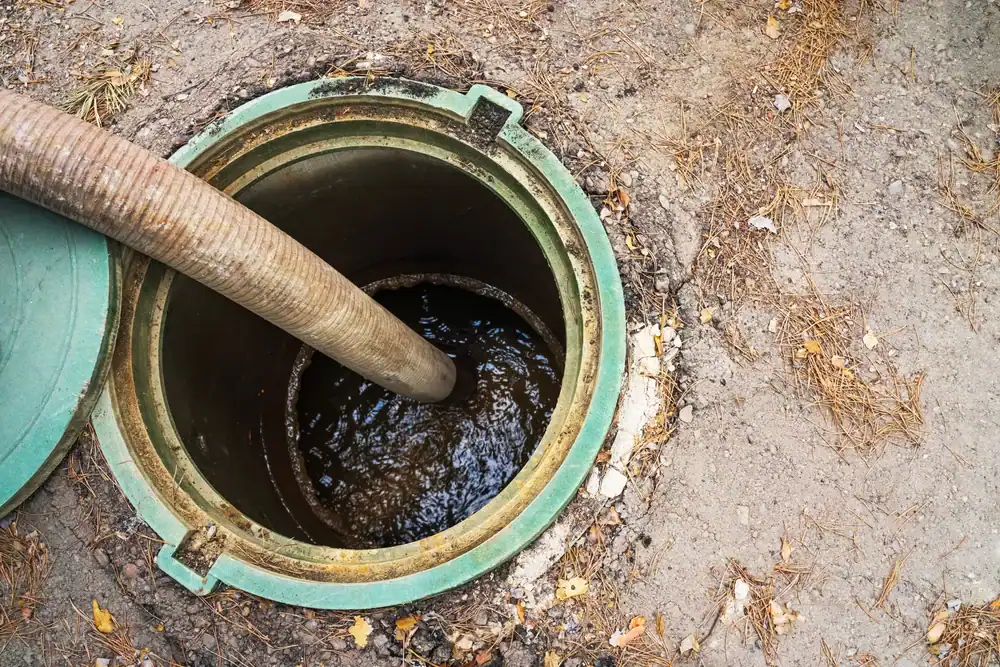
First, we assess the damage. We locate the problem section—whether it’s a back-pitched pipe, a collapsed line, or a connection that’s failed—and map out the work. You’ll know what we’re digging, where we’re digging, and why.
Then we trench. We excavate carefully to expose the damaged pipe without tearing up more of your property than necessary. If trenchless options make sense—and they often do—we use small 4×4 access holes instead of ripping up your entire yard. That saves you thousands in restoration costs and gets the job done faster.
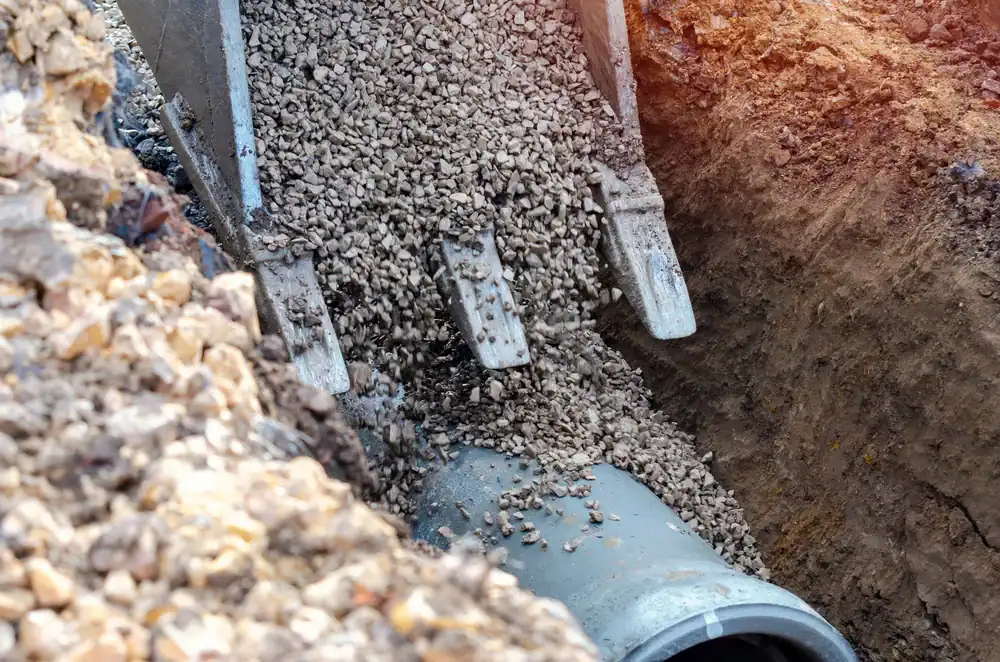
Once we’re in, we remove the old pipe and install the new line with the correct slope. That 1/4 inch per foot isn’t a suggestion—it’s the difference between a system that drains and one that clogs every six months. We check it, confirm it, and make sure every connection is sealed properly before we backfill.
Finally, we connect everything—your house line to the new pipe, the new pipe to your cesspool—and test the system under real conditions. No guessing. No “it should be fine.” We make sure it works before we leave.
Ready to get started?
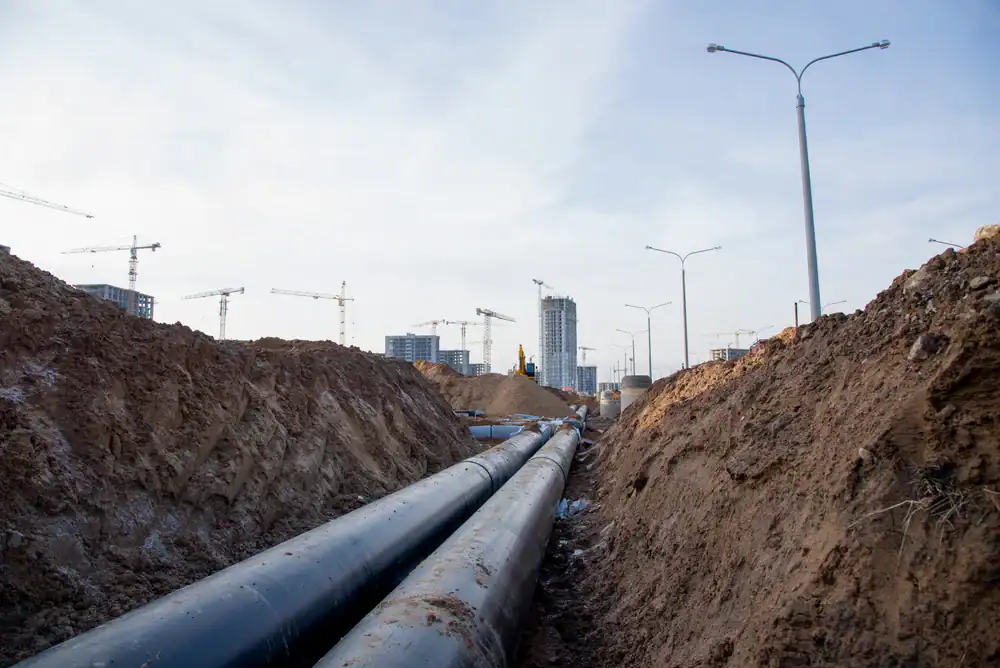
You’re getting proper trenching and excavation that doesn’t destroy your landscaping or leave your yard looking like a construction zone for weeks. You’re getting new pipe installed at the correct pitch so gravity does its job and waste actually flows downhill. And you’re getting connections that don’t leak, don’t separate, and don’t fail the first time your system gets heavy use.
In Muttontown, where most properties sit on systems built decades ago, that matters more than you’d think. Nassau County requires cesspool inspections every five years, and if your system’s failing, you can’t just replace it with another cesspool—you’re looking at a full upgrade to a compliant septic or advanced treatment system. Catching line problems early and fixing them right keeps you out of that $10,000-$20,000 replacement scenario.
We also handle backups and pipe failure that other companies walk away from. If your line’s completely collapsed, if roots have taken over, if the pitch is so far off that nothing’s draining—we fix it. We’ve seen it all, and we know how to get your system back to working condition without the runaround.
This isn’t about selling you the most expensive option. It’s about making sure your pipes do what pipes are supposed to do: move waste away from your house, reliably, every time you flush or run water down a drain.
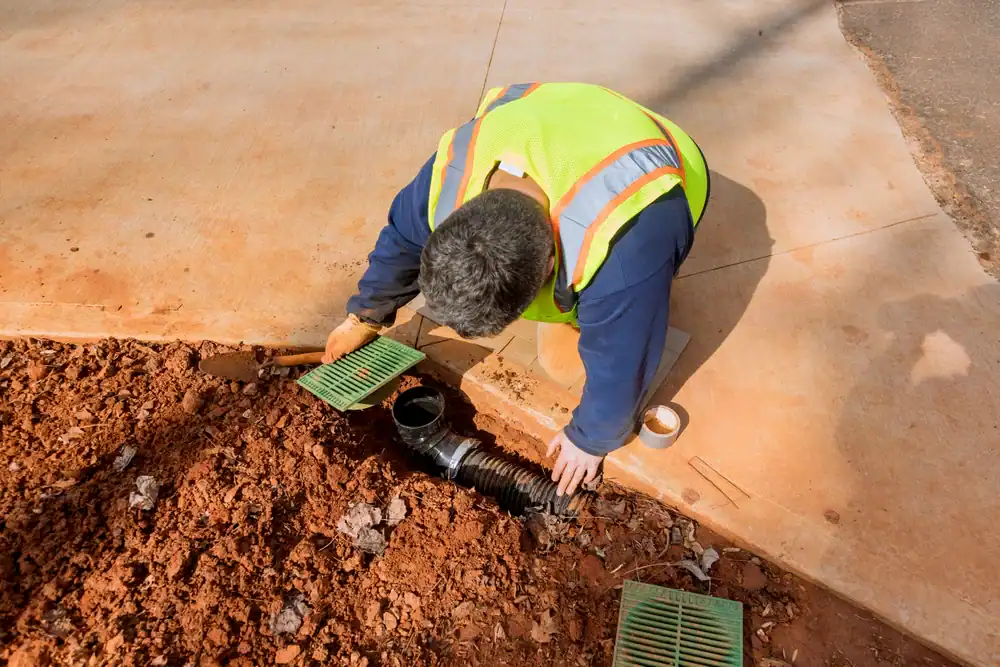
If you’re dealing with slow drainage across multiple fixtures, frequent backups even after pumping, or soggy spots in your yard near the cesspool, you’re likely looking at a line problem—not just a full tank.
A pump-out clears the tank. It doesn’t fix cracked pipes, improper slope, or failed connections. If your system was just pumped and you’re still having issues, the problem is in the line. That could mean a back-pitched section where waste pools instead of flowing, a collapsed pipe that’s blocking flow, or roots that have infiltrated and clogged the line.
The way to know for sure is to have someone who knows what they’re doing take a look. We’ll tell you if it’s a simple pump or if you need line work. No upselling, no guessing—just a straight answer based on what we find.
Minimum 1/4 inch per foot. That’s the standard, and it’s not negotiable if you want your system to drain properly.
Anything less and you get standing water in the pipe. That leads to solids settling, grease building up, and clogs that keep coming back no matter how many times you clear them. Anything more than 1/2 inch per foot and you get the opposite problem—water flows too fast and leaves solids behind, which creates the same clogging issues.
When we install or replace a line, we measure the slope, confirm it with a level, and make sure every section meets that spec. It’s one of those details that separates a job done right from a job that fails six months later. Most homeowners don’t think about pitch until their system stops working—but it’s the single most important factor in whether your waste line actually works.
In many cases, yes. Trenchless methods let us access and replace damaged sections using small entry points—usually 4×4 feet—instead of digging a full trench from your house to your cesspool.
That saves you money on restoration, gets the job done faster, and leaves your landscaping mostly intact. It’s not always an option—if the line’s completely collapsed or the damage is too extensive, we may need to trench—but when it works, it’s a huge advantage.
We’ll assess your situation and tell you upfront whether trenchless makes sense or if traditional excavation is the better route. Either way, we’re not tearing up more of your property than necessary. We’ve done enough of these jobs to know how to get in, fix the problem, and get out without leaving your yard looking like a disaster area.
If your line fails and your cesspool is also at the end of its life, you’re looking at a system replacement—and in Nassau County, that means upgrading to a compliant septic system or advanced treatment technology. You can’t replace a failing cesspool with another cesspool anymore.
That’s a bigger job, and it’s expensive—typically $5,000 to $20,000 depending on your property and what’s required. The good news is that catching line problems early and fixing them before they take out your entire system keeps you out of that scenario.
Regular maintenance matters here. Most Muttontown homes have systems from the 1970s or earlier, and those systems need pumping every 1-2 years to perform well. If you’re staying on top of that and addressing line issues when they come up, you’re extending the life of your system and avoiding the forced upgrade that comes with total failure. We’ll tell you honestly where your system stands and what your options are—no pressure, just the facts.
Most line changes take one to three days, depending on the extent of the damage, the length of pipe we’re replacing, and whether we’re using trenchless methods or traditional trenching.
If it’s a straightforward section replacement with trenchless access, we can often finish in a day. If we’re trenching a longer run or dealing with complications like a high water table, tree roots, or difficult soil conditions, it might take two or three days to complete the work properly.
We’ll give you a realistic timeline before we start so you know what to expect. We’re not going to rush the job and leave you with a system that doesn’t work—we’d rather take the extra time to do it right the first time. That means proper slope, solid connections, and a system you can count on for years.
In most cases, yes. Nassau County requires permits for significant cesspool work, including line replacements and connections. The permit process ensures the work meets local codes and protects your property value down the road.
We handle the permit process as part of the job. You don’t need to deal with the county, figure out what paperwork is required, or worry about inspections—we take care of it. We know what Nassau County wants to see, we know how to get approvals without delays, and we make sure everything’s documented properly.
That matters more than most homeowners realize. If you ever sell your property, having permitted, code-compliant work on record protects you from liability and gives buyers confidence that your system was installed correctly. Skipping permits might save a few bucks upfront, but it creates problems later that aren’t worth the risk.
Other Services we provide in Muttontown