
Hear from Our Customers
A failed waste line doesn’t just inconvenience you. It puts your property at risk, threatens your drinking water, and creates health hazards you can’t ignore.
When we replace your main waste line or fix your sewer line to cesspool connection, you’re getting a system that drains properly, meets code, and won’t fail again in two years. That means no sewage backing up into your home when you run the washing machine. No foul smells creeping into your yard. No emergency calls on a Sunday morning because your system overflowed.
You get a waste line with the right pipe pitch and slope so gravity does its job. You get proper trenching and excavation that doesn’t destroy your landscaping for no reason. And you get a crew that knows Napeague’s soil conditions, water table issues, and local regulations—because we’ve been doing this here for years.
We’ve been handling cesspool and septic emergencies across Suffolk County for years, and Napeague’s unique challenges are nothing new to us. This area sits on sandy coastal soil with a high water table, which means your waste lines face conditions that accelerate deterioration and cause failures other regions don’t deal with.
We’re licensed, bonded, and insured to handle every aspect of line changes—from locating your cesspool with electronic equipment to pulling permits and making sure your new connection meets every local code. We don’t subcontract the hard parts. Our crew does the digging, the fitting, and the final inspection.
You’re not getting a sales pitch from us. You’re getting straight answers about what’s failing, why it’s failing, and what it takes to fix it permanently.
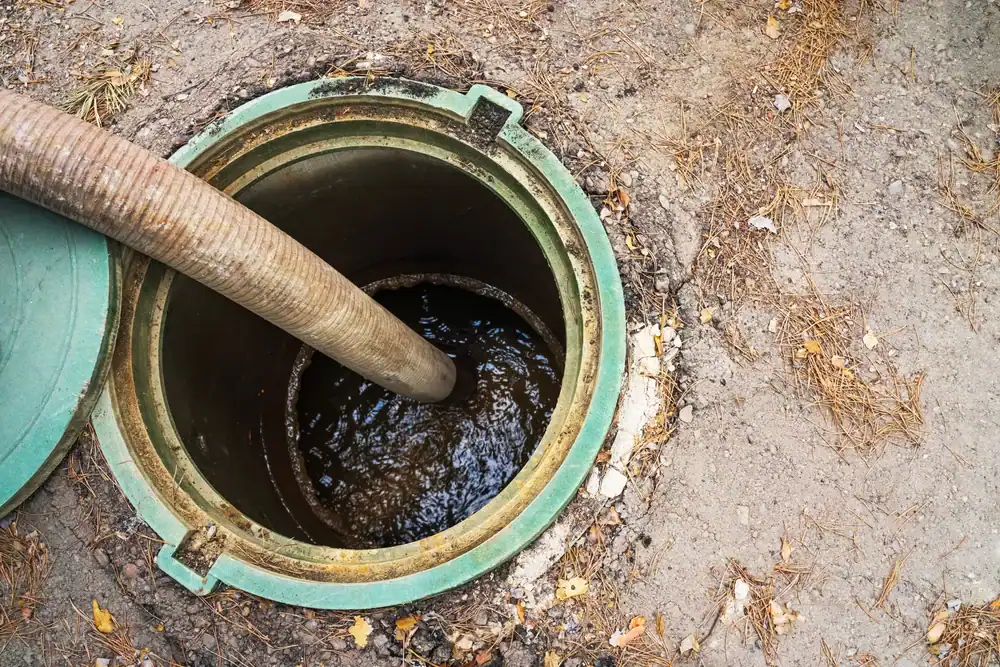
First, we locate your cesspool using electronic detection equipment so we know exactly where we’re working. No guessing, no unnecessary digging. Then we run a video camera inspection through your existing lines to see what’s broken, collapsed, or misaligned.
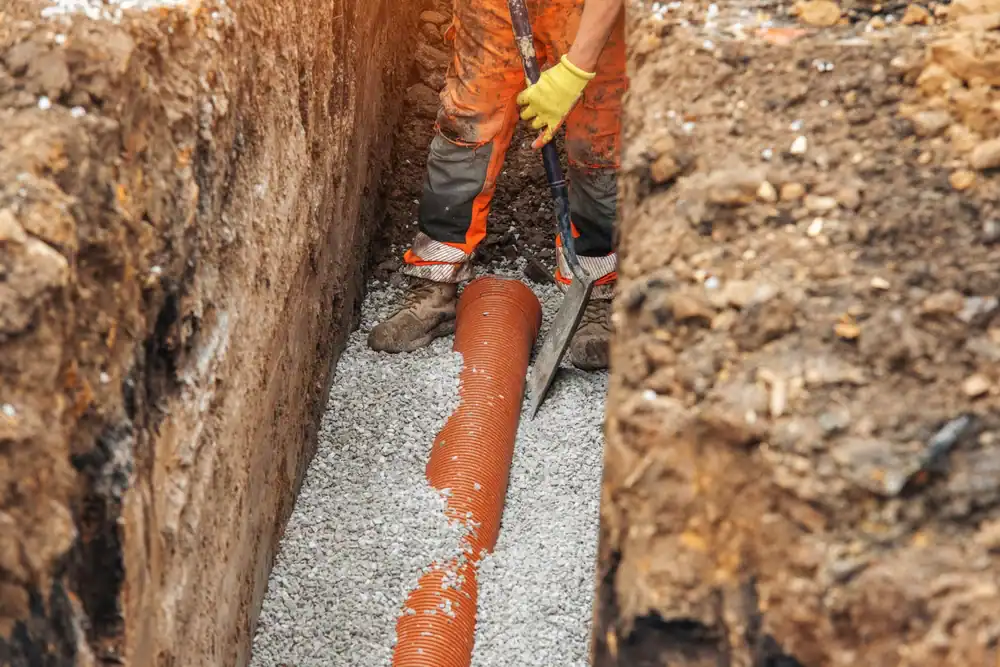
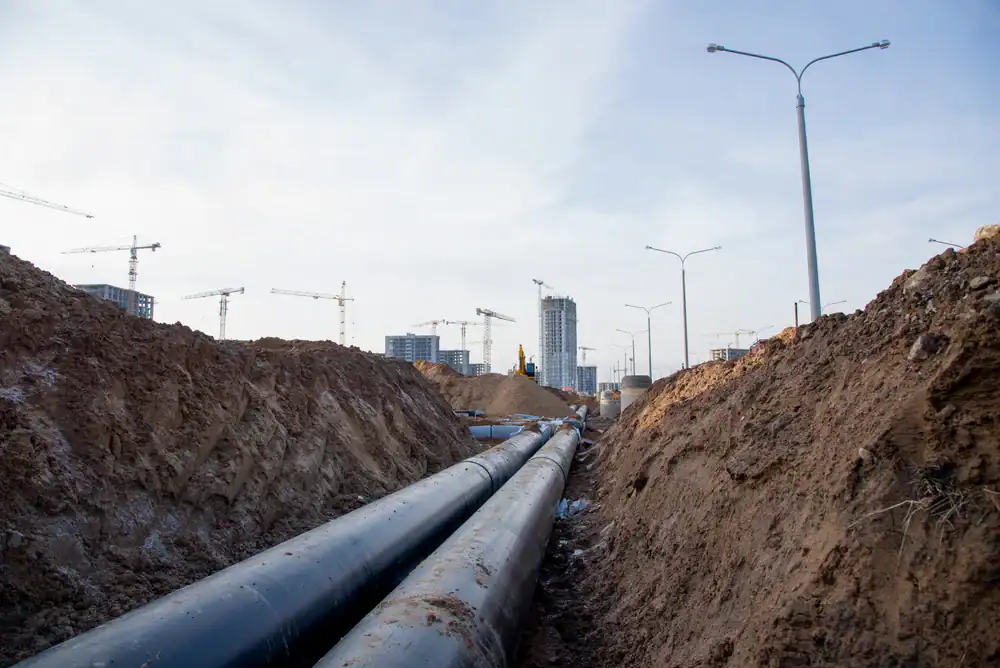
Once we know what we’re dealing with, we pull the necessary permits and map out the excavation. We trench carefully to expose the failed section, whether that’s a few feet or the entire run from your house to the tank. If your pipe pitch is wrong—meaning the slope isn’t letting waste flow downhill properly—we correct that during the replacement.
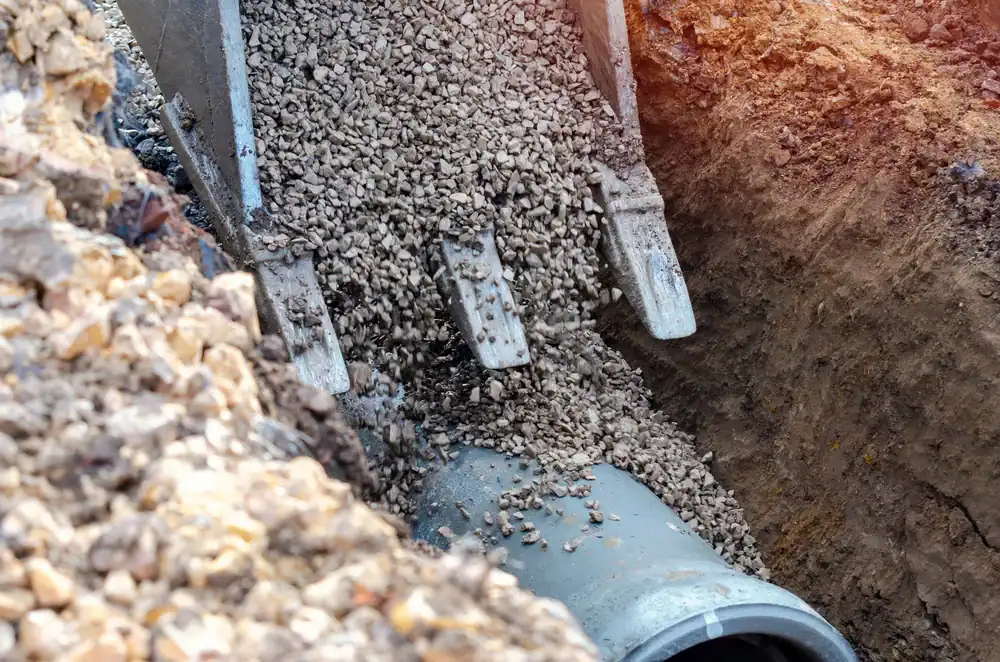
We install new pipe with the right grade, connect it to your cesspool or septic tank, and backfill the trench in layers to prevent settling. Before we leave, we verify that every drain in your house flows smoothly into the system and that there are no leaks or weak points. You get a system that works the day we finish, not one that needs tweaking a week later.
Ready to get started?
You’re getting a full-scope line change, not a bare-minimum repair. That includes electronic location of your cesspool, video camera inspection to diagnose the failure, permit acquisition, and complete trenching and excavation to access the damaged pipe.
We replace the failed section with proper-grade pipe, verify the correct pipe pitch and slope for drainage, and connect everything to your cesspool or septic tank with fittings that won’t leak or separate. Once the new line is in, we backfill the trench, compact the soil in layers, and restore your property as close to original condition as possible.
In Napeague, where the soil is sandy and the water table sits high, we also account for seasonal groundwater shifts that can cause settling or movement. That means using bedding material under the pipe and compacting backfill more carefully than you’d need to in other areas. It’s a small detail that prevents callbacks and keeps your system working through wet seasons and storms.
You also get transparent pricing with no surprises. We tell you the cost upfront, and that’s what you pay—even if the job takes longer than expected.
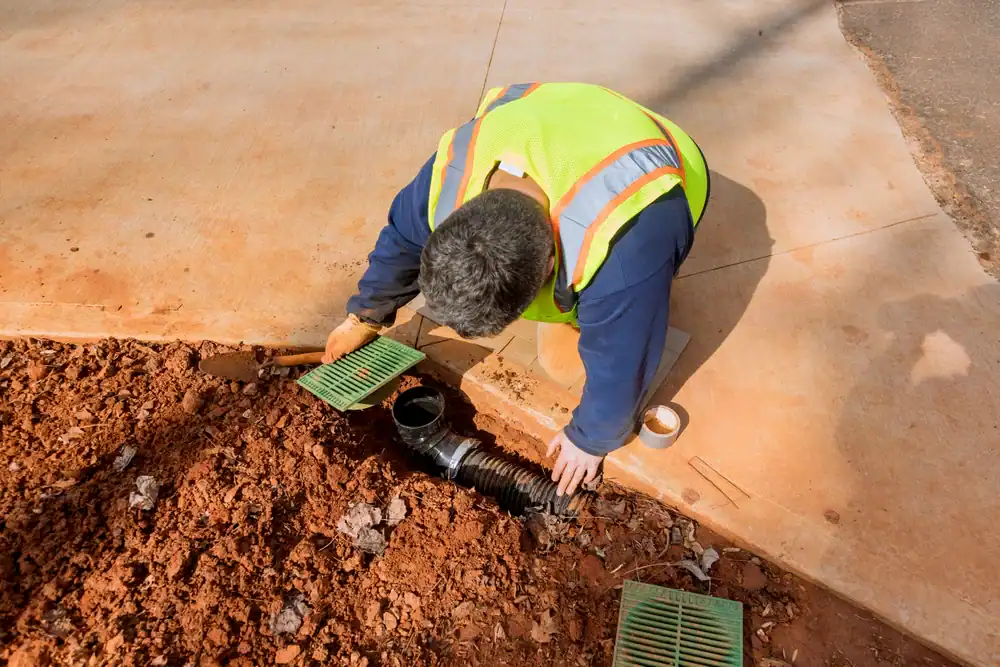
If your drains are backing up consistently, you’re smelling sewage near your cesspool, or you’ve got standing water over your tank, something’s wrong with your waste line. The question is whether it’s an isolated clog or a structural failure.
We run a video camera through your line to see what’s happening inside. If the pipe is cracked, collapsed, or separated at the joints, a repair won’t hold. You need a line change. If tree roots have crushed a section or the pipe has corroded through, same thing—you’re replacing it, not patching it.
A repair makes sense when the pipe itself is intact but there’s a blockage or a single fitting that’s failed. But if we’re seeing multiple failure points or the pipe has lost its structural integrity, a full line change is the only fix that lasts. We’ll show you the camera footage so you can see exactly what we’re looking at.
Napeague’s coastal location and sandy soil create conditions that wear out waste lines faster than inland areas. The high water table means your pipes sit in saturated ground for much of the year, which accelerates corrosion in metal pipes and causes joint separation in older clay or concrete lines.
Salt air and groundwater with higher salinity also break down pipe materials over time. If your home was built more than 30 years ago and the waste line has never been replaced, there’s a good chance it’s deteriorating from the outside in. You won’t see it until it fails.
Tree roots are another major factor. Roots seek out moisture, and even a small crack in your waste line will attract them. Once they get inside, they expand and crush the pipe. In sandy soil, there’s less resistance, so roots grow aggressively toward any water source—including your sewer line to cesspool connection.
Most residential line changes in Napeague take one to two days, depending on the length of the run and how deep we need to dig. If we’re replacing 20 feet of pipe with easy access, we can finish in a day. If the line runs 50 feet through landscaping or under a driveway, it takes longer.
The process includes locating the cesspool, excavating the trench, removing the old pipe, installing the new line with proper pitch, backfilling, and compacting. We also need time for the video inspection and permit approval before we start digging, but we handle that upfront so there’s no delay once we’re on site.
Weather can affect timing, especially if we get heavy rain during excavation. Wet trenches in sandy soil are harder to work in and take longer to backfill properly. But we don’t rush the job just to meet a timeline. You’re getting a line change that works, even if it means coming back an extra day to finish correctly.
We excavate as carefully as possible, but trenching and excavation for a line change does disturb your property. The trench needs to be wide enough to work in and deep enough to reach the pipe—usually three to four feet down, sometimes more depending on your system.
If your waste line runs under grass or landscaping, we’ll remove sod in sections and set it aside so we can replace it after backfilling. If the line runs under a driveway or patio, we’ll cut the pavement, remove the section we need to access, and patch it after the pipe is in. We don’t leave open trenches or rough patches.
In Napeague’s sandy soil, trenches can collapse if we don’t shore them up properly, so we take extra precautions to keep the excavation stable while we work. After the new pipe is installed, we backfill in layers and compact each layer to prevent settling. That means your yard won’t develop a sunken trench line six months later.
No. Once we disconnect the old waste line, nothing can drain from your house until the new line is connected and tested. That means no showers, no laundry, no dishwasher, and limited toilet use during the work.
We move as quickly as we can to minimize downtime, but you need to plan for at least several hours—sometimes a full day—without full plumbing access. If we’re replacing a long run or dealing with complications, it could extend into a second day.
If you absolutely need to use water during the work, let us know ahead of time. We can sometimes schedule the connection work for early morning or late afternoon so you have access during key hours. But the safest approach is to plan around the work—do laundry the day before, avoid heavy water use, and be ready for limited access until we’re done and the system is flowing again.
Cost depends on how much pipe we’re replacing, how deep the line runs, and whether we’re working around obstacles like driveways, landscaping, or ledge rock. A straightforward 20-foot line change with easy access typically runs lower than a 50-foot replacement under a paved driveway.
We give you a flat-rate quote after we inspect your system and measure the run. That price includes locating the cesspool, video inspection, permits, excavation, new pipe, proper pitch and slope correction, backfilling, and cleanup. No hourly rates, no surprise charges if the job takes longer than expected.
In Napeague, where soil conditions and water table depth vary from property to property, we account for site-specific factors in the estimate. If we hit groundwater during excavation or need to bring in extra equipment, that’s already factored in. You’ll know the full cost before we start digging, and that’s what you’ll pay when we’re done.
Other Services we provide in Napeague