
Hear from Our Customers
You’re not dealing with line changes because everything’s going great. Something’s backing up, draining slow, or smelling wrong. Maybe you’ve already had one emergency and you’re trying to avoid another.
Here’s what matters: the right line work stops sewage from backing into your home. It prevents that call at 2 AM when the basement floods. It keeps your system running the way it should, for years, without constant repairs.
Most line failures happen because the original installation was rushed or the pitch was wrong from the start. When we replace a main waste line or reconnect your sewer line to the cesspool, we’re fixing it so it drains correctly. That means proper slope, the right materials, and excavation that doesn’t cut corners. You shouldn’t have to think about your cesspool lines again once the job’s done.
We work throughout Nesconset and the surrounding Suffolk County area. We’re local, we respond fast, and we’re available 24/7 when emergencies happen.
Most of our work comes from referrals. That’s because we show up when we say we will, we give you a fair estimate upfront, and we don’t leave until the job’s done right. We’re not the biggest operation on Long Island, but that’s exactly why people call us back.
Nearly 75% of homes in Suffolk County still use cesspools. We know the soil conditions here, the common system layouts, and what tends to fail first. That experience matters when you’re digging up your yard and replacing underground lines.
We start with an assessment. That means figuring out where the problem is, what’s causing it, and what actually needs to be replaced. Sometimes it’s a single cracked pipe. Other times it’s the whole main waste line. We’ll tell you exactly what we find and give you a free estimate before any digging starts.
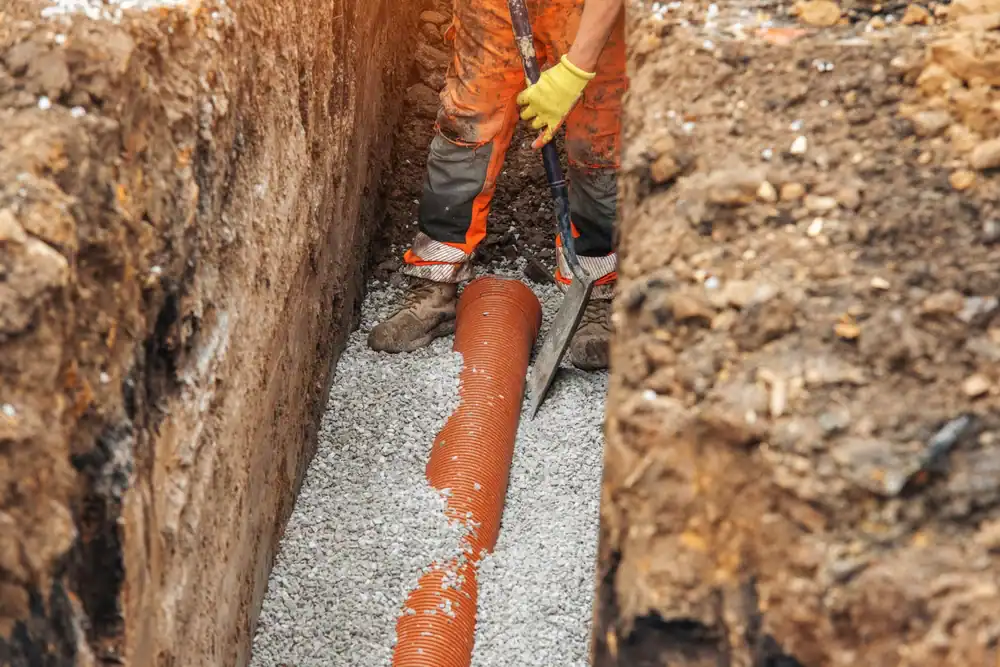
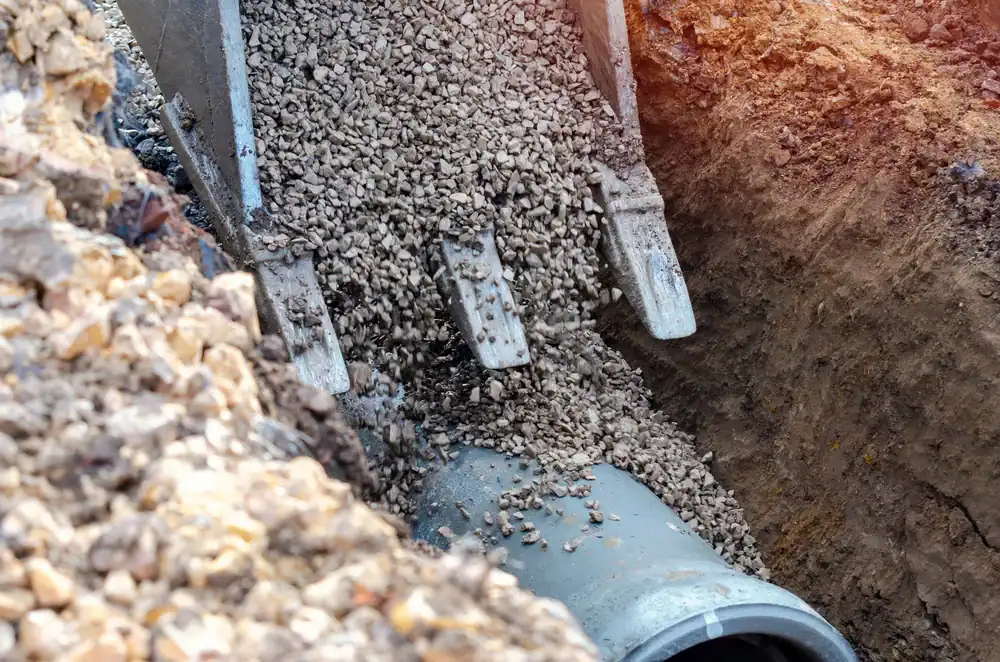
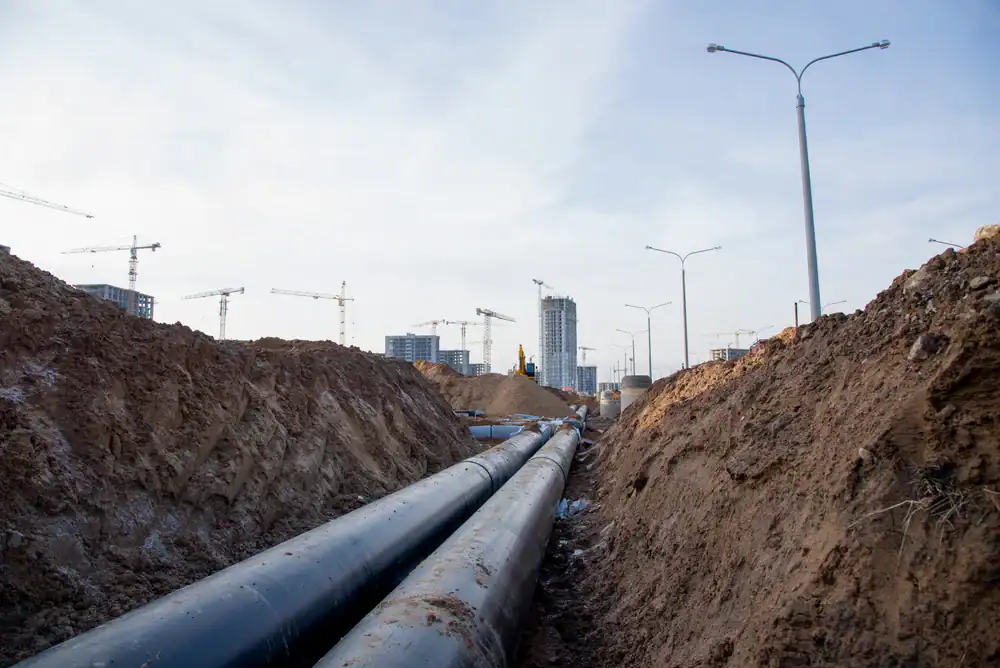
Once you approve the work, we handle the trenching and excavation. This is where experience matters. We dig carefully to avoid damaging other utilities, and we make sure the trench is deep enough and wide enough to do the job correctly. Rushing this part is how you end up with settling or future leaks.
Then comes the actual line replacement. We install new pipes with the correct pitch and slope so wastewater flows toward the cesspool without pooling or backing up. If you’re connecting a sewer line to your cesspool or replacing the connection between your house and the tank, this is where that work happens. Everything gets tested before we backfill, and we don’t leave until drainage is working the way it should.
Ready to get started?
Line changes cover more than just swapping out a pipe. You’re getting full trenching and excavation, proper bedding material under the new lines, and backfill that won’t settle and cause problems later. We handle main waste line replacement from your home to the cesspool, sewer line connections, and any secondary lines that feed into the system.
In Nesconset and throughout Suffolk County, soil conditions vary. Some areas have sandy soil that drains well. Others have clay or compacted earth that makes excavation harder and requires more careful grading. We adjust our approach based on what we’re working with, because the same installation method doesn’t work everywhere.
Pipe pitch and slope are critical. If the slope is too steep, solids settle and cause blockages. Too shallow, and wastewater doesn’t flow. We measure and grade every section so your system drains correctly from day one. That’s not something you can see once the trench is filled, but it’s the difference between a system that works and one that fails in two years.
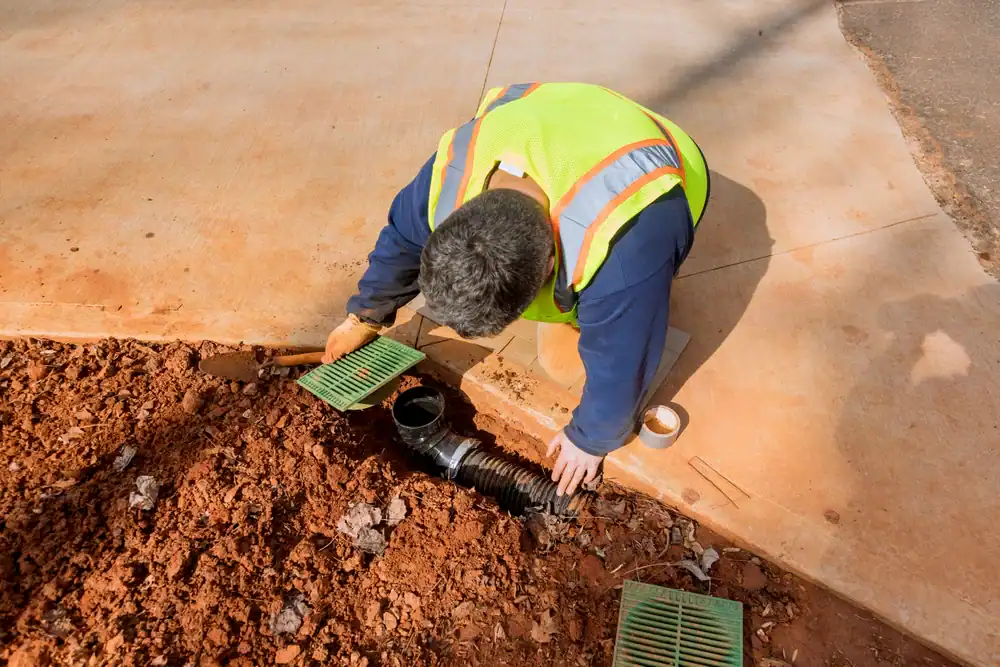
It depends on what’s failing and how old your system is. If you’ve got a single crack or a small section of damaged pipe, a repair might be enough. But if your lines are old, corroded, or failing in multiple spots, replacing the whole run usually makes more sense.
Here’s the reality: patching one section of a 30-year-old pipe doesn’t stop the rest of it from failing next month. We’ll inspect the line and tell you honestly what we’re seeing. If a repair will hold, we’ll say so. If you’re looking at repeated failures, we’ll recommend replacement so you’re not paying for the same problem twice.
Most main waste line replacements happen because the original pipes have reached the end of their lifespan or were installed incorrectly from the start. Cast iron corrodes. Clay cracks. PVC that wasn’t sloped right will always have drainage issues. We’ll walk you through what’s happening with your specific system and what your options are.
Backups happen when wastewater can’t flow from your house to the cesspool. That’s usually caused by a blockage, a broken pipe, or improper slope. Tree roots are a common culprit, especially if you’ve got older lines. Roots grow into cracks and joints, then expand and block the pipe completely.
Pipe failure comes from age, ground movement, or poor installation. Cast iron rusts through. Clay pipes crack when the ground shifts or freezes. PVC can separate at the joints if it wasn’t glued correctly or if the trench settled unevenly. Once a pipe fails, you’re looking at slow drainage, foul odors, or sewage backing up into your home.
The other major cause is incorrect pitch. If your lines were installed without the right slope, wastewater pools instead of draining. Solids settle, blockages form, and eventually the whole line stops working. Fixing that means excavating and reinstalling the pipe at the correct grade. It’s not a quick patch job, but it’s the only way to solve the problem permanently.
Most line changes take one to three days, depending on the scope of work. A straightforward main waste line replacement with easy access might be done in a day. More complex jobs, like replacing multiple lines or working around obstacles, take longer.
The timeline breaks down like this: assessment and excavation usually happen on day one. We locate the problem, dig the trench, and remove the old pipe. Day two is installation, testing, and backfill. We set the new line at the correct pitch, connect everything, run water through the system to confirm drainage, then fill the trench back in. If we’re dealing with difficult soil, deep lines, or utility conflicts, that can add time.
Weather matters too. Heavy rain turns trenches into mud and makes backfill impossible. Frozen ground in winter slows excavation. We’ll give you a realistic timeline based on your specific job and current conditions. If an emergency repair is needed, we can often get critical work done the same day to stop an active backup.
A sewer line connects your home to a municipal sewer system. A cesspool line connects your home to an on-site cesspool tank. In Nesconset and most of Suffolk County, you’re dealing with cesspool systems, not municipal sewer.
The main waste line is the primary pipe that carries all wastewater from your house to the cesspool. Secondary lines feed into it from different parts of your home. When we talk about line changes, we’re usually referring to this main waste line or the connection between your house and the cesspool tank.
Some properties have a sewer line to cesspool connection, which happens when a home was originally on municipal sewer but switched to a cesspool system, or vice versa. That connection point needs to be properly sealed and sloped. If you’re not sure what type of system you have or how your lines are configured, we can assess it and explain exactly what’s connected to what.
Line replacement costs vary based on the length of pipe, depth of excavation, and site conditions. A typical main waste line replacement in Nesconset runs several thousand dollars. That includes trenching, new pipe, proper bedding and backfill, and labor.
Depth matters because deeper trenches take longer to dig and require more material. Length matters because you’re paying per linear foot of pipe. Access matters because if we have to work around landscaping, driveways, or other structures, that adds time and complexity. We give free estimates after assessing your specific situation, so you know exactly what you’re paying before any work starts.
Here’s what you’re not paying for: emergency repairs six months later because the job was done wrong. Repeated service calls because the pitch is off. Damage to your home because a backup wasn’t prevented. The upfront cost of doing it right is always less than the long-term cost of doing it cheap. We’ll walk you through the estimate line by line so you understand what you’re getting.
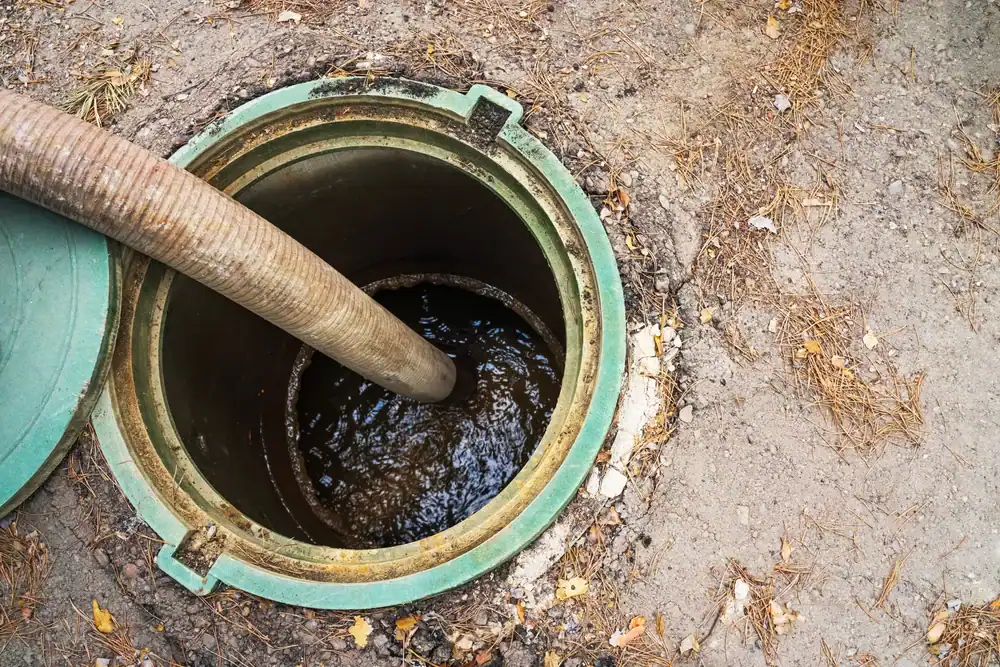
Regular cesspool pumping helps, but it won’t prevent line failure caused by age, damage, or poor installation. Pumping every two to three years keeps your tank from overflowing and reduces strain on the system. That’s important. But if your pipes are cracked, corroded, or sloped wrong, pumping won’t fix that.
What you can do is catch problems early. If you notice slow drainage, gurgling sounds, or odors, call for an inspection before it turns into a backup. Small issues are cheaper and easier to fix than full system failures. We can inspect your lines, identify weak points, and recommend repairs before they become emergencies.
Tree root management also helps. If you’ve got large trees near your cesspool lines, roots will eventually find their way in. Cutting back roots or replacing vulnerable sections of pipe with root-resistant materials can extend the life of your system. The key is staying ahead of problems instead of waiting for a failure. We’re available 24/7 when emergencies happen, but we’d rather help you avoid them in the first place.
Other Services we provide in Nesconset