
Hear from Our Customers
Your drains empty the way they should. No more slow sinks or toilets that hesitate. No sewage smell creeping into your home or pooling in your yard.
A proper main waste line replacement means your wastewater moves from your house to your cesspool without backup, without overflow, and without you wondering when the next problem hits. The pipe pitch and slope are set correctly so gravity does its job. Your sewer line to cesspool connection is sealed and secure.
You’re not calling for emergency service every few months. You’re not dealing with contaminated soil or standing water near your system. You’ve got a line that handles what you put down the drain, day after day, without drama.
We’ve handled line changes across North Great River and Suffolk County for over a decade. Most properties here don’t have public sewer access, so cesspools and septic systems aren’t optional—they’re how wastewater gets managed.
We know the soil conditions. We know the local regulations. We know what it takes to dig, replace, and connect lines in this area without cutting corners or leaving you with a temporary fix.
You’re working with a family-owned company that shows up when we say we will, does the work the right way, and doesn’t disappear after the check clears. If something goes wrong at 2 a.m., we’re available. That’s been true since day one.
First, we assess the damage. That means locating the failed section, checking for root intrusion or collapse, and figuring out how much of the line needs replacement. No guessing.
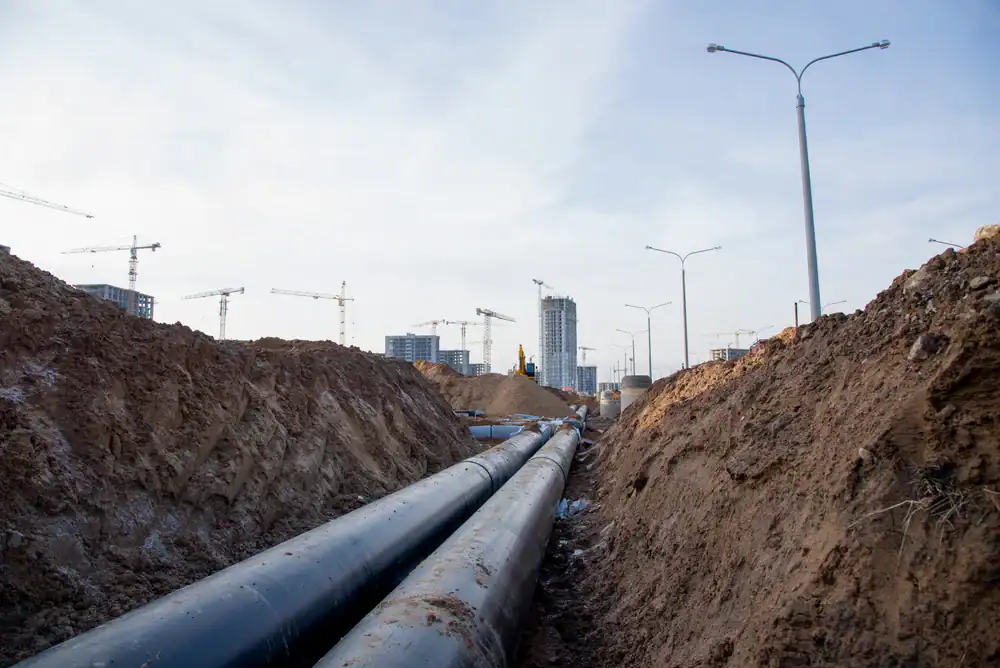
Then comes trenching and excavation. We dig down to expose the old pipe, remove it, and prep the trench for the new line. If your yard’s going to get torn up, we do it carefully and we restore it when we’re done.
Next is installation. We lay new pipe with the correct pitch and slope so wastewater flows downhill without pooling or backing up. The sewer line to cesspool connection gets sealed properly—no leaks, no gaps.
Finally, we backfill, compact, and test the system. You’ll know it works before we leave. If there’s a permit required, we handle it. If there’s cleanup needed, we do that too.
Ready to get started?
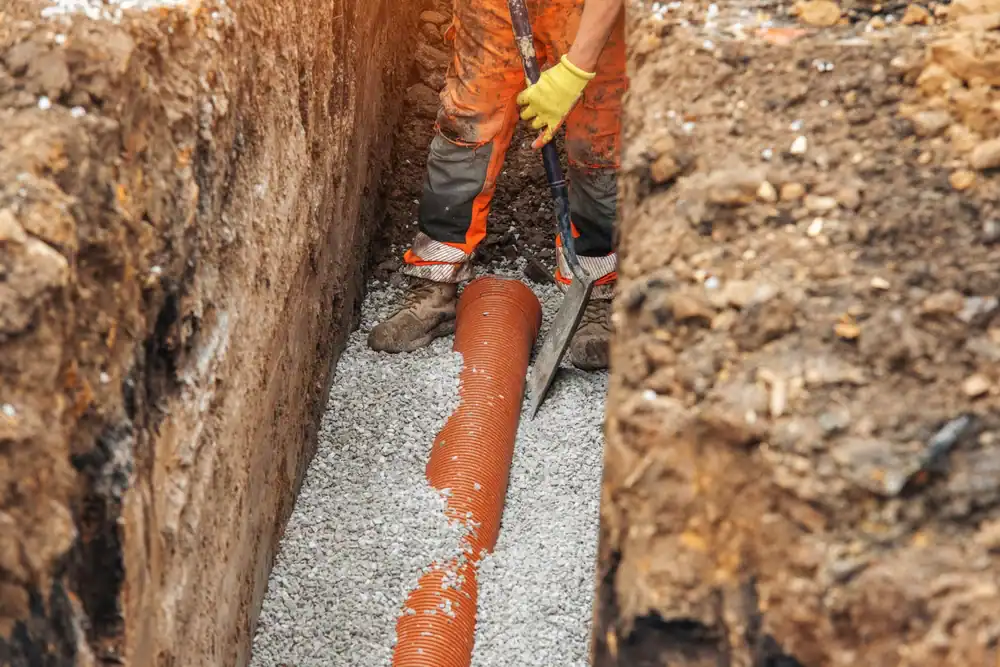
You get full trenching and excavation to access the damaged line. We remove the old pipe, whether it’s cast iron, clay, or PVC that’s cracked or collapsed.
We install new pipe with proper pitch and slope—typically a quarter-inch drop per foot—so gravity moves wastewater efficiently. The sewer line to cesspool connection is fitted and sealed to prevent leaks or separation.
In North Great River, where most homes rely on private wastewater systems, this work has to meet Suffolk County standards. We pull permits when required and make sure the installation passes inspection. If roots caused the failure, we address that. If the cesspool itself is failing, we’ll tell you before you spend money on a line that won’t solve the real problem.
You also get cleanup. We don’t leave piles of dirt or open trenches. Your property gets restored as close to original condition as possible.
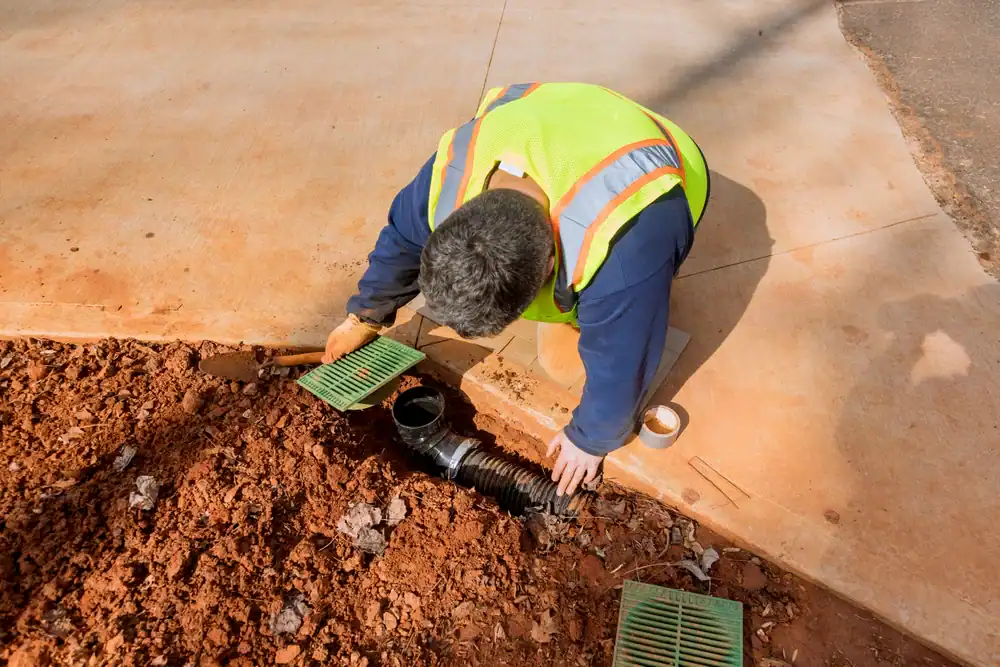
If you’re dealing with repeated backups, slow drains throughout the house, or sewage surfacing in your yard, the line’s likely compromised. A single clog can usually be cleared. A collapsed pipe, root invasion, or corroded section means replacement.
We’ll camera inspect the line if needed to show you exactly what’s happening underground. If 10 feet of pipe is damaged but the rest is solid, we replace that section. If the whole line from house to cesspool is failing, we replace it all.
Age matters too. Cast iron and clay pipes installed decades ago don’t last forever. If your home’s older and you’re having chronic issues, a full main waste line replacement often makes more sense than patching it every year.
We dig a trench from your house to the cesspool, following the path of the existing line. Depth depends on how far down the pipe runs—usually 18 to 36 inches, sometimes deeper.
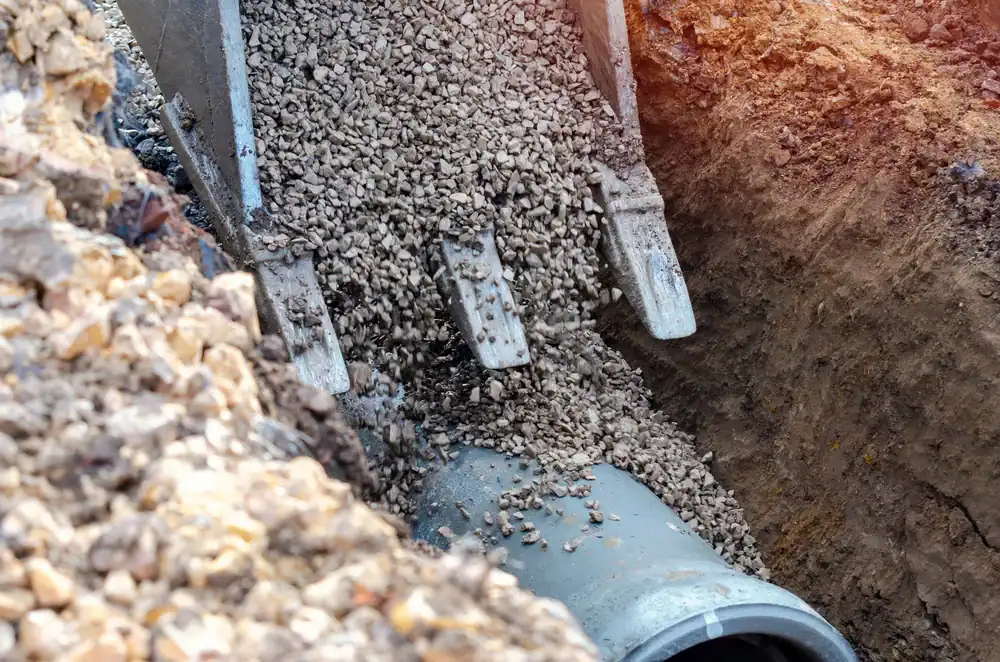
The trench has to be wide enough to work in and sloped correctly for the new pipe. We remove the old line, prep the base with gravel or sand for stability, and lay the new pipe with the right pitch. Once it’s in and connected, we backfill and compact the soil.
In North Great River, you’re often dealing with sandy soil, which is easier to dig but requires proper compaction so the ground doesn’t settle unevenly later. If there are obstacles like tree roots, existing utilities, or landscaping, we work around them. Your yard will get disturbed, but we minimize damage and restore what we can.
Gravity moves wastewater through your line. If the slope’s too flat, waste sits in the pipe and causes clogs. If it’s too steep, water rushes ahead and leaves solids behind—same problem.
The standard is a quarter-inch drop per foot of pipe. That keeps everything flowing at the right speed so your system drains completely without buildup. When we do a main waste line replacement, we measure and set that slope from your house to the cesspool connection.
In older homes, the original line might’ve settled or shifted over time, throwing off the pitch. That’s why you get slow drains or frequent backups even if the pipe isn’t broken. Fixing the slope fixes the flow, and you stop dealing with recurring issues.
Most line changes take one to three days depending on distance, depth, and site conditions. If we’re replacing 50 feet of pipe with clear access and no complications, it’s faster. If we’re working around landscaping, tight spaces, or unexpected obstacles, it takes longer.
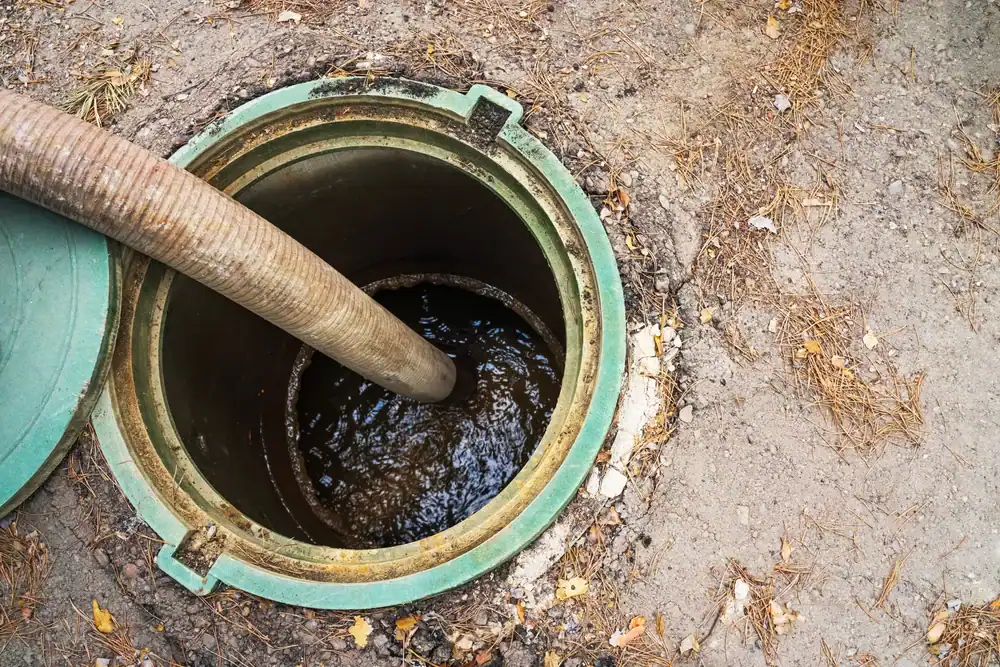
Trenching and excavation are the most time-consuming parts. Once the trench is open and the old pipe’s out, installation moves quickly. The sewer line to cesspool connection itself—fitting and sealing the new pipe to the tank—takes a few hours.
We’re not rushing to get to the next job. We’re making sure the pitch is right, the connection is sealed, and the system works before we backfill. You’ll be without full wastewater service during the work, so we move as efficiently as possible without cutting corners.
Age is the biggest factor. Cast iron and clay pipes corrode, crack, and collapse over time. If your home’s 30-plus years old and still has the original line, failure’s more likely.
Tree roots are another common cause. Roots seek out moisture and work their way into pipe joints, cracking the line and causing blockages. Even small cracks let roots in, and once they’re established, they’ll destroy the pipe.
Ground settling and soil movement can also shift or break pipes, especially in areas with sandy soil like North Great River. Freezing and thawing cycles, heavy vehicle traffic over the line, or poor original installation all contribute. If your cesspool’s failing and overflowing, that puts pressure on the line too.
It depends on the scope of work and local requirements. In many cases, replacing a sewer line to cesspool connection or doing a full main waste line replacement requires a permit from the Suffolk County Department of Health Services.
We handle permit applications as part of the job. That includes submitting plans, scheduling inspections, and making sure the work meets code. You don’t have to deal with the paperwork or figure out what’s required.
Skipping permits might seem easier, but it causes problems if you sell your home or if the county finds out later. Unpermitted work can result in fines, and you might have to dig everything up and redo it. We do it right from the start so you’re covered.
Other Services we provide in North Great River