
Hear from Our Customers
Backups and pipe failure don’t just appear out of nowhere. They’re the result of incorrect pipe pitch and slope, deteriorating materials, or connections that were never installed properly to begin with.
When your main waste line is replaced correctly, your drains work the way they should. No slow-moving water. No gurgling sounds when you flush. No sewage smell creeping into your yard or basement.
You’re also protecting your property value. A failed cesspool system isn’t just inconvenient—it’s a red flag during inspections and a negotiation point that costs you thousands when you’re ready to sell. North Haven buyers know what to look for, and a properly functioning waste line is non-negotiable.
The right line changes mean you’re not calling someone back in two years because the pitch was off or the connection wasn’t sealed. You’re done with it, and it works.
We’ve been handling cesspool maintenance and line changes across North Haven for years. We know the village’s regulations, the soil conditions near the water, and what it takes to get a sewer line to cesspool connection right the first time.
Most homes here were built decades ago, and many still have original clay or Orangeburg pipes that are cracking or collapsing. We’ve replaced hundreds of them. We’re licensed, we pull the necessary permits, and we don’t cut corners on trenching and excavation just to finish faster.
You’re not getting a crew that’s guessing. You’re getting technicians who’ve done this exact work in your neighborhood and understand what North Haven properties require.
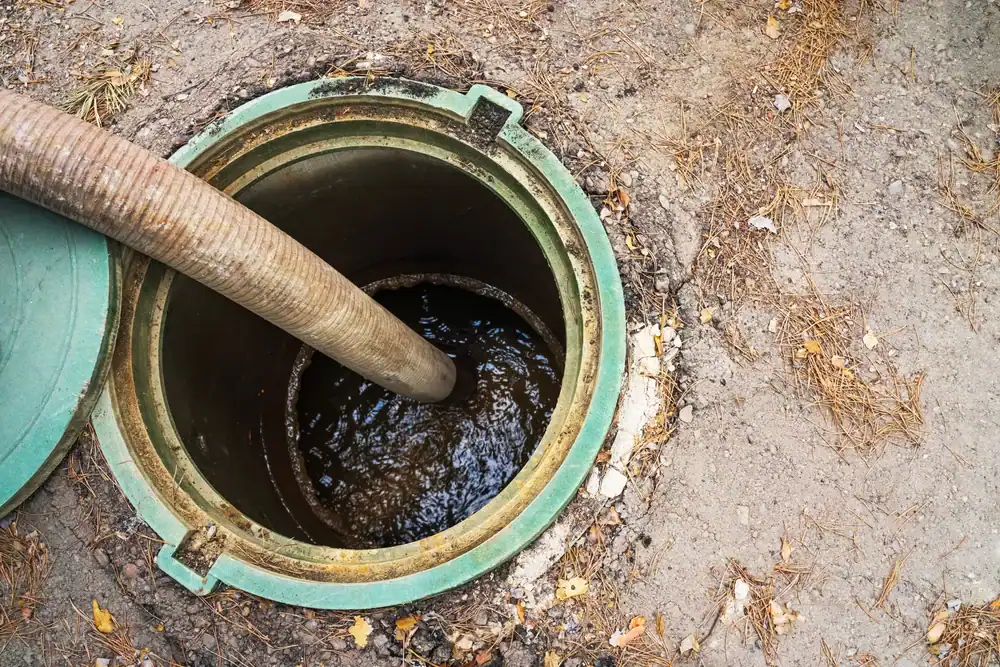
First, we assess your current system. That means a video camera inspection to see what’s actually happening inside your pipes—whether it’s root intrusion, cracks, improper slope, or full collapse. You’ll see the footage yourself, so there’s no guessing about what needs to be done.
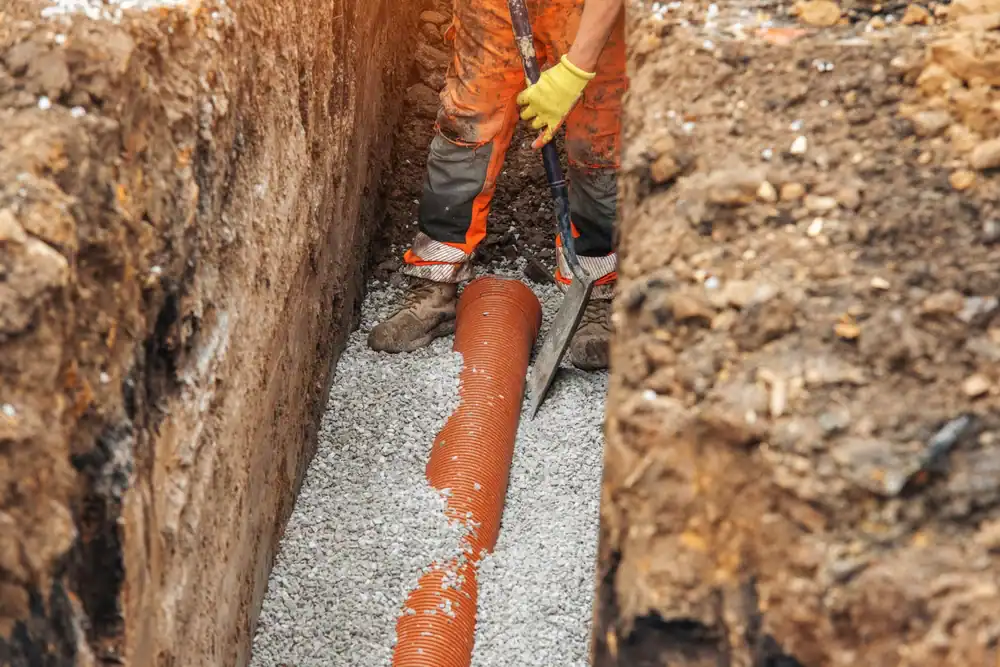
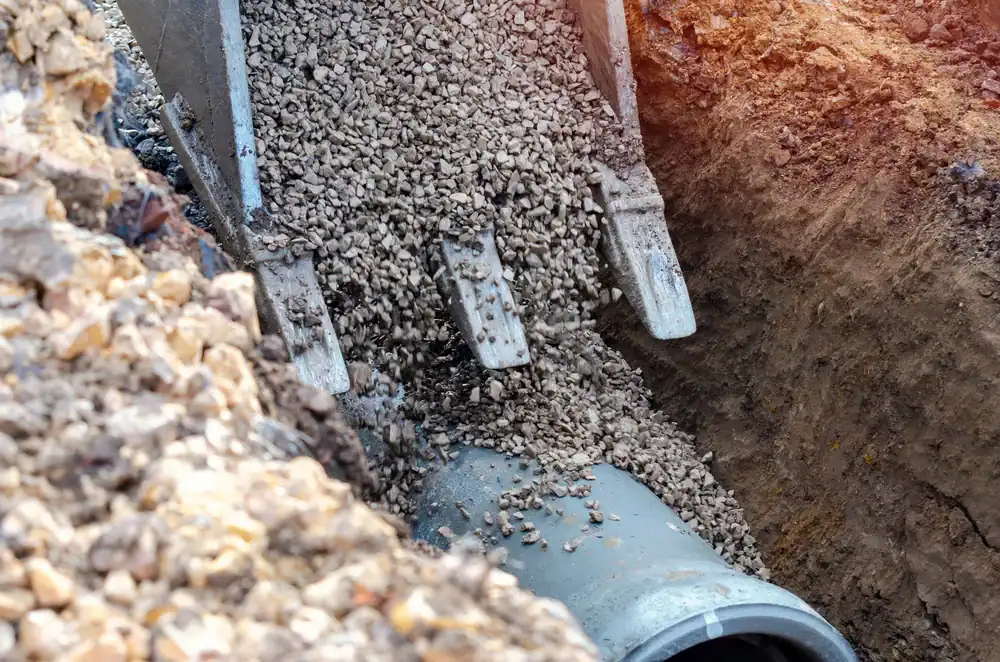
Next comes trenching and excavation. We dig down to expose the damaged section of your main waste line, remove the old pipe, and prepare the trench for the new line. Depending on your property and how deep the line runs, this can take a few hours or most of a day.
Then we install the new pipe with the correct pipe pitch and slope—at minimum 1/4 inch per foot for a 6-inch line, but we adjust based on your property’s layout and the distance to your cesspool. The connection between your home’s sewer line and the cesspool has to be watertight and properly sealed, or you’ll end up with leaks and backups down the road.
Once the new line is in, we backfill the trench, compact the soil, and test the system to make sure everything drains properly. You’ll know it’s done right because your drains will work faster than they have in years.

Ready to get started?
You get a full assessment before we dig. That includes video inspection, a written estimate, and a clear explanation of what’s failing and why. No surprises once we’re in the ground.
The line change itself includes excavation, removal of the old pipe, installation of new piping with proper pitch, and a sealed connection to your cesspool. We handle the permits required by North Haven, and we make sure the work meets local code.
Because North Haven properties are often close to water and have unique drainage challenges, we also check for any grading issues that could affect your new line. If your yard slopes toward your house or if there’s standing water near the trench, we’ll address it so your system doesn’t fail prematurely.
After the job, you get documentation of the work and recommendations for ongoing maintenance. Most homeowners don’t think about their cesspool until something goes wrong, but a quick inspection every few years can catch small problems before they turn into expensive emergencies.
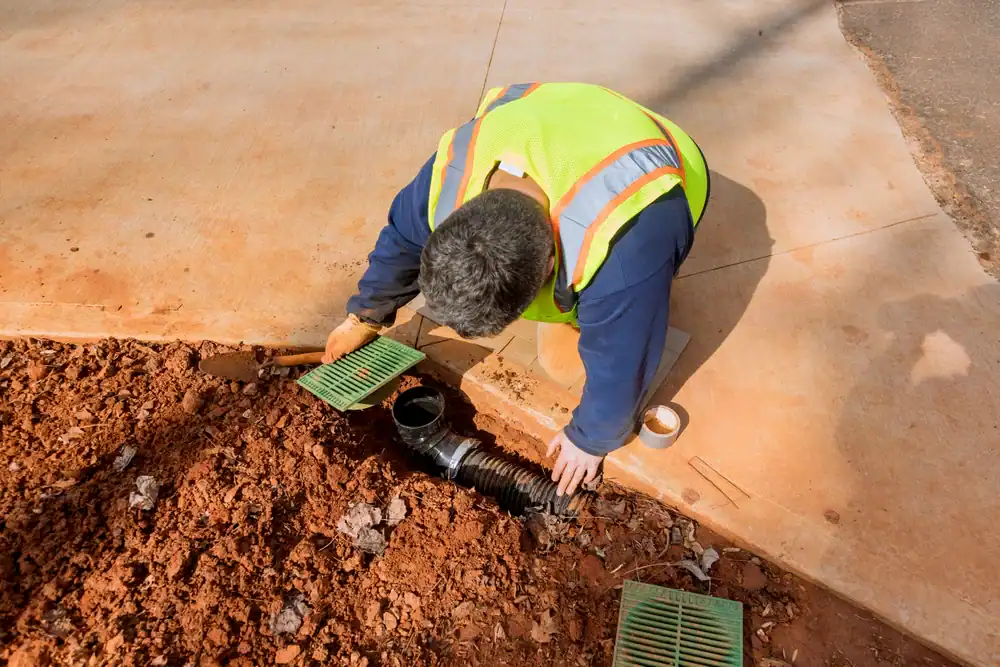
If your pipe has a small crack or a single damaged section, a spot repair might be enough. But if you’re dealing with old clay or Orangeburg pipe, multiple cracks, root intrusion throughout the line, or a collapse, you’re better off replacing the entire main waste line.
Here’s why: patching one section of a 50-year-old pipe doesn’t fix the fact that the rest of the line is just as old and just as likely to fail. You’ll end up paying for another dig in a year or two when the next section goes.
We use video camera inspection to show you exactly what’s happening inside your line. You’ll see the condition of the pipe, where the damage is, and whether it makes sense to repair or replace. Most of the time, if the pipe material is outdated or there’s damage in multiple spots, replacement saves you money and hassle in the long run.
The minimum recommended pitch for a 6-inch sewer line is 1/4 inch per foot. That means for every foot of pipe, it drops a quarter inch toward your cesspool. This slope allows gravity to move waste and water efficiently without letting solids settle in the line.
If the pitch is too shallow, waste moves too slowly and you get clogs. If it’s too steep, water flows faster than solids, and you end up with buildup. Either way, you’re looking at backups and pipe failure.
In North Haven, some properties don’t allow for perfect pitch because of lot size, existing structures, or the location of the cesspool. When that happens, we adjust the line route or recommend a pump if gravity alone won’t work. The goal is always to get as close to proper slope as possible so your system drains reliably for years.
Most line changes take one to two days, depending on the length of the line, how deep it’s buried, and what we find once we start digging. If your pipe runs under a driveway or landscaping, that adds time.
You’ll need to avoid using your plumbing while we’re working. That means no showers, laundry, or dishwasher until the new line is connected and tested. We’ll let you know the exact timeline before we start so you can plan accordingly.
Trenching and excavation will leave your yard torn up temporarily, but we backfill and grade the area once the line is in. Grass and landscaping will need some time to recover, but the trench itself is compacted and leveled before we leave. If you want topsoil or seed added, we can handle that too.
In some cases, yes. Trenchless methods like pipe bursting or pipe lining can replace or repair a sewer line with minimal digging. Instead of excavating the entire length, we access the line from two small entry points and either pull a new pipe through or insert a liner that hardens inside the old pipe.
That said, trenchless isn’t always an option. If your pipe has collapsed, if the line needs to be rerouted, or if the existing pipe material won’t support the trenchless process, traditional excavation is the only way to do it right.
We’ll assess your situation and let you know if trenchless is viable for your property. When it works, it’s faster and less disruptive. When it doesn’t, we’re fully equipped to handle the excavation and get your new line installed properly.
Age is the biggest factor. Most older homes in North Haven still have original clay or Orangeburg pipes, and both materials break down over time. Clay cracks from ground shifting, and Orangeburg—which is basically tar paper—deteriorates and collapses.
Tree roots are another common cause. Roots grow toward water sources, and even a small crack in your sewer line is enough to let them in. Once they’re inside, they expand and block the pipe or break it apart completely.
Improper installation also leads to failure. If the original line wasn’t installed with the right pitch, or if connections weren’t sealed properly, you’ll see backups and leaks long before the pipe reaches the end of its lifespan. Ground settling, heavy equipment driving over the line, and freezing temperatures can all contribute to cracks and breaks as well.
Yes. North Haven requires permits for cesspool-related work, including main waste line replacement and new connections. The permit process ensures the work meets local codes and environmental standards, especially since the village is surrounded by water.
We handle the permit application for you. That includes submitting plans, coordinating inspections, and making sure everything is documented properly. You don’t need to deal with the village directly—we take care of it as part of the job.
Skipping the permit might seem like a way to save time or money, but it’s not worth the risk. If the work isn’t permitted and inspected, you could face fines, and you’ll have trouble selling your home down the road when the lack of documentation shows up during a title search or inspection.
Other Services we provide in North Haven