
Hear from Our Customers
You know something’s wrong when drains slow down across the house, sewage smells hit your yard, or worse—raw waste backs up into your home. That’s not a minor inconvenience. That’s a health hazard and a property damage nightmare waiting to happen.
Line changes fix the root problem. We’re talking about replacing the main waste line that connects your home to your cesspool or replacing damaged sections that have collapsed, shifted, or filled with roots. When the pitch is wrong or the pipe’s broken, everything backs up. Fix the line, and everything flows the way it should.
You get a system that drains properly, no more standing water in your yard, and no more calling someone out every few months because the same problem keeps coming back. This is the fix that actually lasts.
We’ve been handling cesspool and waste line work in North Patchogue and across Suffolk County for over four generations. We’re licensed, insured, and we’ve seen every type of line failure you can imagine—from old Orangeburg pipe that’s turned to mush to modern PVC that wasn’t installed at the right slope.
Almost 75% of homes in Suffolk County still run on cesspools. That means most of your neighbors are dealing with the same aging infrastructure you are. We know the soil conditions here, the local code requirements, and what actually holds up long-term in this area.
You’re not getting a crew that learned this trade last year. You’re getting people who’ve been doing this since before the county changed the cesspool rules in 2019.
First, we run a video camera through your line. No guessing. We see exactly where the problem is—whether it’s a belly in the pipe, root intrusion, or a full collapse. That footage shows us what needs replacing and what can stay.
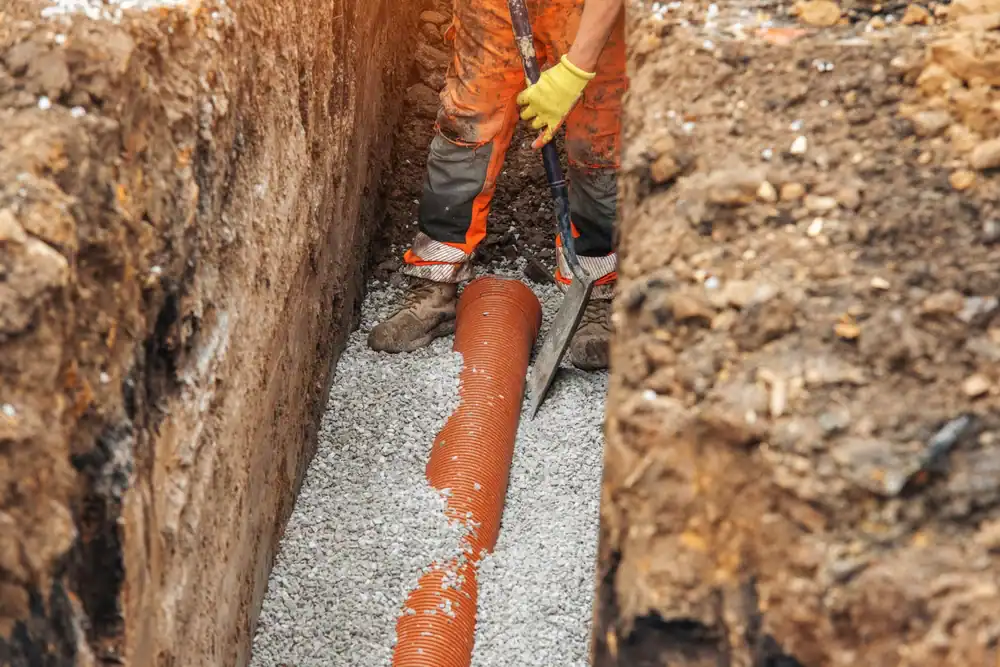
Next comes excavation. We trench down to the damaged section, remove the old pipe, and prep the area for the new line. If your whole main waste line needs replacing, we handle it from your house connection all the way to the cesspool. Trenching and excavation are done carefully to avoid damaging your property more than necessary.
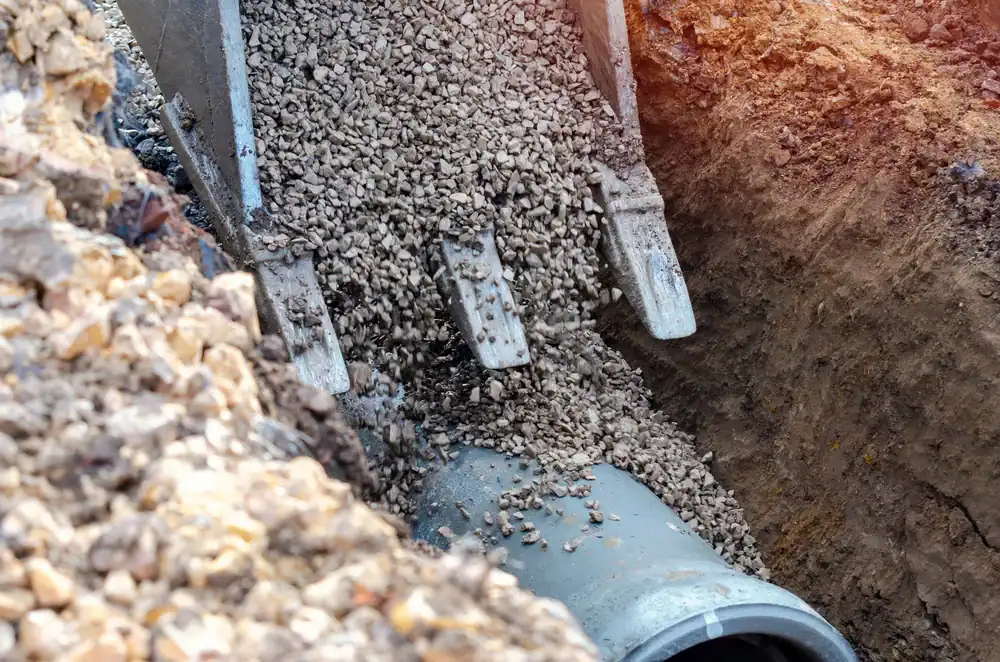
Then we install the new pipe at the correct pitch and slope. This matters more than most people realize. If the line doesn’t have at least a one-degree slope, waste won’t flow properly and you’ll end up with the same problem again. We check it, set it right, and backfill with the right materials so nothing shifts or settles incorrectly.
You end up with a waste line that moves sewage the way it’s supposed to—downhill, into your cesspool, without pooling or backing up.

Ready to get started?
Line changes aren’t just about swapping out old pipe. You’re getting a complete assessment of your waste system, proper excavation that doesn’t wreck your yard permanently, and installation that meets current Suffolk County standards.
Here’s what that includes: video camera inspection so we’re not digging blind, trenching to access the problem areas, removal of failed pipe sections or the entire main line if needed, installation of new pipe at the correct pitch, proper backfilling to prevent future settling, and a final check to make sure everything drains correctly before we close it up.
In North Patchogue, you’re also dealing with specific regulations. If you’re replacing your system, it has to meet the minimum standards required for new installations since 1973. If you’re upgrading to a nitrogen-reducing system, there are grants available—up to $30,000 from Suffolk County and New York State combined. That’s not small money, and it can make a full system upgrade affordable if you’re already doing line work.
The difference between a quick patch job and proper line replacement is whether you’re calling someone back out in two years or whether this actually solves the problem for good.
The video camera inspection tells you. We run a camera through your waste line and you see exactly what we see—cracks, collapses, root intrusion, bellies in the pipe, whatever’s there.
If it’s a single crack or a small section that’s damaged, a spot repair might handle it. But if the pipe’s old Orangeburg that’s deteriorating, if there are multiple problem areas, or if the whole line’s been installed at the wrong pitch, you’re better off replacing it. Patching a failing system just buys you a little time before the next section goes.
Most homes in North Patchogue were built decades ago, and a lot of them still have original waste lines. If your pipe’s 40+ years old and showing problems, replacement usually makes more sense than trying to band-aid it. You’re paying for excavation either way—might as well fix it right.
Pitch is the angle of the pipe. Waste lines need at least a one-degree slope so sewage flows downhill into your cesspool. If the pitch is too flat, waste pools in the pipe. If it’s too steep, liquid runs ahead and solids get left behind. Either way, you get clogs.
A lot of line problems come from incorrect pitch—either it was installed wrong originally, or the ground has settled and created a belly in the pipe where waste collects. When we replace a line, we check the pitch from your house to your cesspool and make sure it’s consistent.
This isn’t something you can eyeball. We use levels and laser equipment to get it right. It’s one of those things that doesn’t sound important until you realize it’s the difference between a system that drains and one that backs up every few months.
Most line changes take one to three days depending on how much pipe needs replacing and how deep we have to dig. If it’s a straightforward main waste line replacement with decent access, we’re usually done in a day or two.
The mess is real but temporary. We have to trench from your house to your cesspool (or to wherever the problem section is), which means digging up part of your yard. We do our best to minimize the disruption—we’re not tearing up more ground than necessary, and we backfill and grade everything properly when we’re done.
Your yard won’t look perfect immediately after, but it’ll settle and you can reseed or replant. The alternative—ongoing backups and sewage problems—is a much bigger mess. We’ve been doing this long enough to know how to get in, get the work done, and get out without destroying your property.
Yes, and it’s one of the most common problems we see. Tree roots seek out moisture, and your waste line is a steady source. Even a tiny crack or joint separation gives roots a way in, and once they’re inside, they grow and expand until they completely block the pipe.
Older clay or Orangeburg pipes are especially vulnerable because the joints aren’t sealed as well as modern PVC. But even newer systems can have root problems if there’s a tree planted too close to the line. Willows, maples, and poplars are particularly aggressive.
If roots have infiltrated your line, cutting them out is a temporary fix—they’ll just grow back. The real solution is replacing that section with solid PVC that doesn’t give roots a way in. We see this all the time in North Patchogue where mature trees are common. The video inspection shows us exactly where the roots are and how much damage they’ve done.
You get sewage backing up into your house or pooling in your yard. That’s not just disgusting—it’s a serious health hazard. Raw sewage contains bacteria, viruses, and parasites that cause hepatitis, leptospirosis, and other diseases you don’t want anywhere near your family.
A failed waste line also means your cesspool isn’t getting the flow it needs, which can cause that system to fail too. Now you’re looking at a much bigger repair bill. And if sewage backs up into your home, you’re dealing with contamination, cleanup costs, and potential damage to floors, walls, and belongings.
Suffolk County has regulations about cesspool maintenance and waste system failures. If your system’s creating a health hazard or environmental issue, you can face penalties on top of the repair costs. The smart move is fixing the line when you first notice problems—slow drains, sewage odors, wet spots in the yard. Waiting just makes everything worse and more expensive.
Yes. Line changes and excavation work in Suffolk County require permits, and we handle that process. You’re not filling out paperwork or dealing with the county yourself.
We pull the necessary permits before we start work, and we schedule inspections at the required stages. The county wants to verify that the work meets code—proper pipe material, correct pitch and slope, appropriate backfill, all of it. We’ve been doing this long enough that we know exactly what inspectors are looking for.
If you’re eligible for grants through the county’s nitrogen-reduction program, we can help with that paperwork too. There’s up to $30,000 available if you’re upgrading to an advanced system, and the application process is easier when you’re working with a contractor who’s done it before. You shouldn’t have to figure this stuff out on your own.
Other Services we provide in North Patchogue