
Hear from Our Customers
You’re dealing with slow drains, backups in your basement, or sewage smells that won’t go away. These aren’t minor inconveniences—they’re signs your main waste line has failed somewhere between your house and your cesspool.
Line changes mean excavating the damaged section, replacing it with proper pipe, and making sure the pitch and slope are correct so gravity does its job. When the work’s done right, water flows where it should. No more standing in your yard wondering if the next flush will end up in your basement.
Most Oakdale properties sit on older cesspool systems, and the pipes connecting your house to that cesspool weren’t built to last forever. Roots grow through joints. Pipes settle and lose their slope. Cast iron corrodes. When any of that happens, you’re looking at a line change—not because someone’s trying to upsell you, but because there’s no other fix that lasts.
We’ve handled cesspool line changes across Oakdale and Suffolk County long enough to know what works and what doesn’t. We understand how Long Island soil behaves, where the water table sits, and what the local health department expects before they sign off on your work.
Our crew shows up with the right equipment—excavators, laser levels for checking slope, and trucks that can handle the spoils without tearing up more of your property than necessary. We’re licensed and insured, which matters more than you’d think when someone’s digging six feet down near your foundation.
You’re not hiring a crew from three towns over who’s never worked in Oakdale. You’re working with contractors who know your neighborhood, understand cesspool systems, and have pulled permits from the same health department office you’ll be dealing with.
First, we locate the problem. That means camera inspection if needed, or sometimes just digging test holes to find where your pipe has failed. Once we know what we’re dealing with, we map out the excavation—how deep we’re going, what equipment we’ll need, and where the spoils will sit while we work.
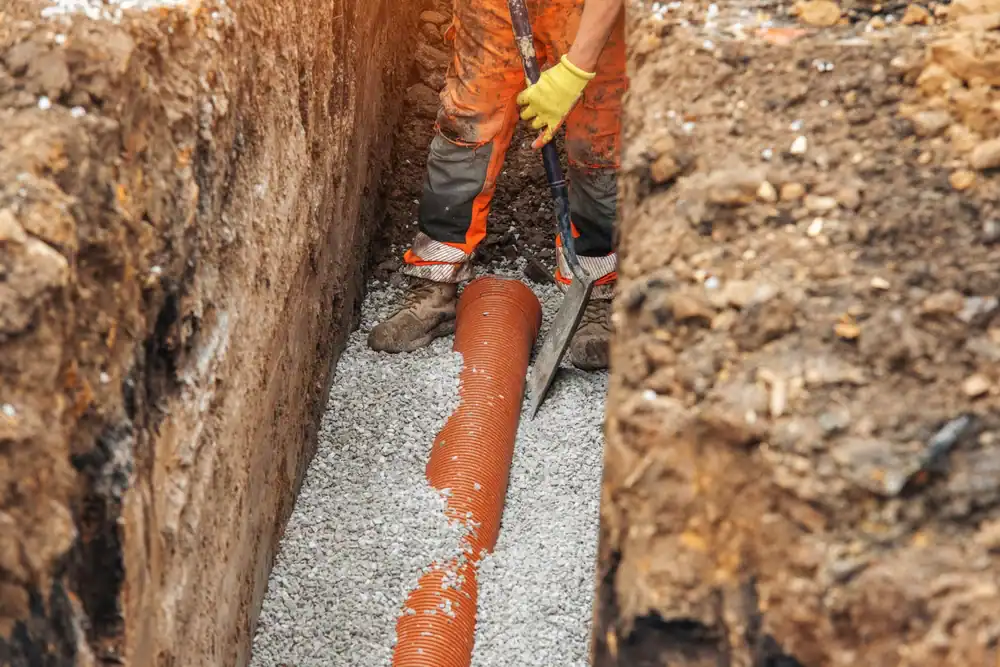
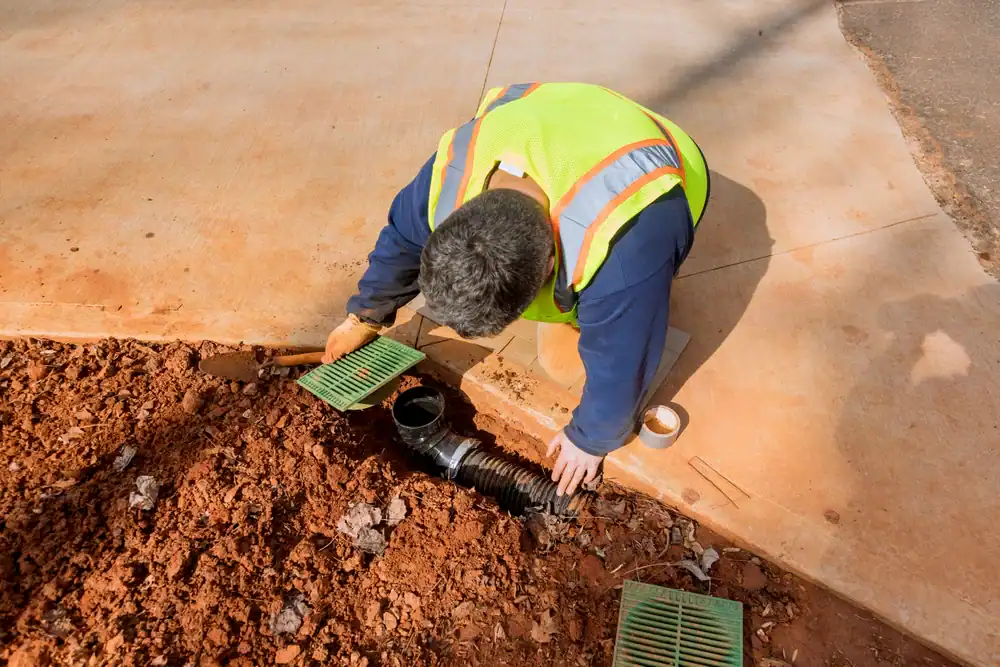
Then comes trenching and excavation. We dig down to expose the damaged section, usually between three and six feet depending on your system’s depth. The old pipe comes out—whether it’s broken clay, corroded cast iron, or collapsed Orangeburg—and new PVC or approved material goes in. Every joint gets checked. Every connection gets sealed.
The critical part is setting the right pipe pitch and slope. Waste moves by gravity in these systems, so if the slope’s off even slightly, you’ll have problems again in six months. We use levels and laser equipment to make sure every foot of pipe drops at least a quarter inch. That’s not optional—it’s how these systems work.
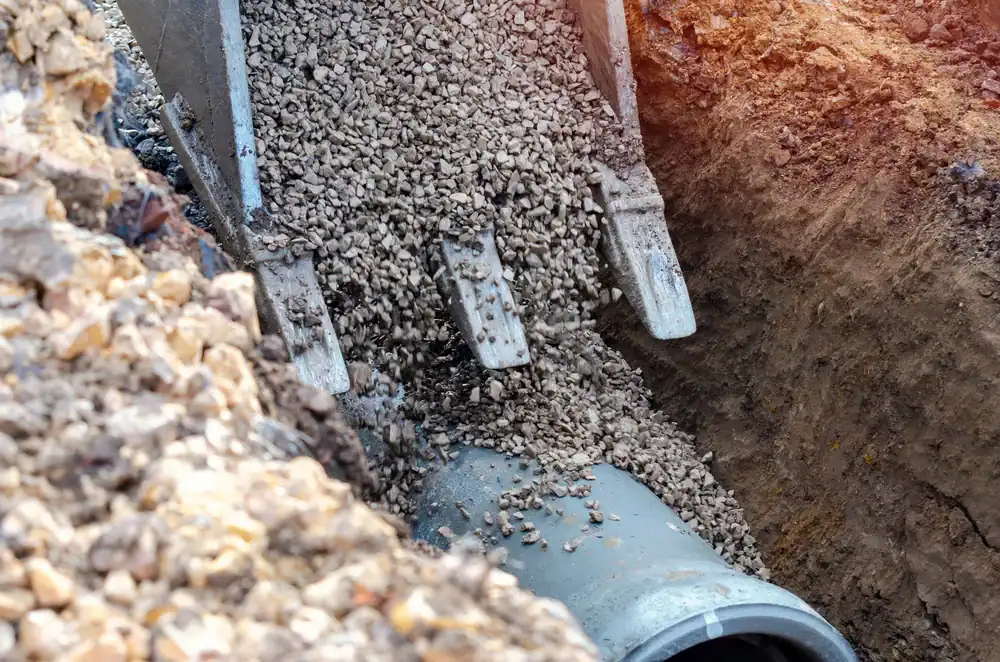
Once the new line’s in and connected properly to your cesspool, we backfill carefully, compact the soil in layers, and restore your yard as close to original as possible. Then we test everything before we leave. You’ll know your drains work because we’ll run water through them while we’re still on site.
Ready to get started?
A line change in Oakdale means dealing with specific conditions that don’t exist everywhere. Your water table is high, especially near the Connetquot River. Your soil is often sandy, which is good for digging but requires careful compaction when we backfill. And your cesspool system needs to meet Suffolk County’s requirements, which have gotten stricter over the past few years.
When we handle your main waste line replacement, you’re getting excavation that accounts for these local factors. We’re not just digging a trench—we’re making sure the new pipe sits at the right depth, slopes correctly toward your cesspool, and connects to your existing system without creating new weak points. The sewer line to cesspool connection has to be watertight and properly sealed, or you’ll have groundwater infiltration that fills your cesspool faster than it should.
Most line changes in this area involve replacing anywhere from ten to fifty feet of pipe, depending on where the failure happened. If roots caused the problem, we’ll show you where they’re coming from so you can make decisions about trees near your system. If the issue is settlement or poor original installation, we’ll correct the slope so it doesn’t happen again.
You’ll also get documentation that satisfies the health department if they need to see proof of work. That matters if you’re selling your property or if your system is due for inspection. We pull the permits, handle the inspections, and make sure everything’s recorded properly.
If your drains are slow and a pumping doesn’t fix it, you’re likely looking at a pipe problem. When your cesspool gets pumped and your drains still back up or drain slowly, the issue isn’t in the cesspool—it’s in the line connecting your house to the cesspool.
A camera inspection will show exactly what’s happening inside your pipes. We’ll see if there’s a belly where water pools, if roots have grown through joints, or if the pipe has collapsed entirely. Cleaning can clear roots temporarily, but if your pipe has lost its slope or developed a sag, cleaning won’t solve it. You need excavation and replacement.
The other telltale sign is if you have a wet spot in your yard between your house and cesspool, especially if it smells like sewage. That means your pipe is leaking underground, and no amount of pumping or cleaning will fix a broken pipe. You need a line change.
We’ll dig a trench from wherever your pipe exits your house to wherever it connects to your cesspool—or just the section that’s failed if we can isolate it. That trench will be about two feet wide and anywhere from three to six feet deep, depending on how deep your existing line runs.
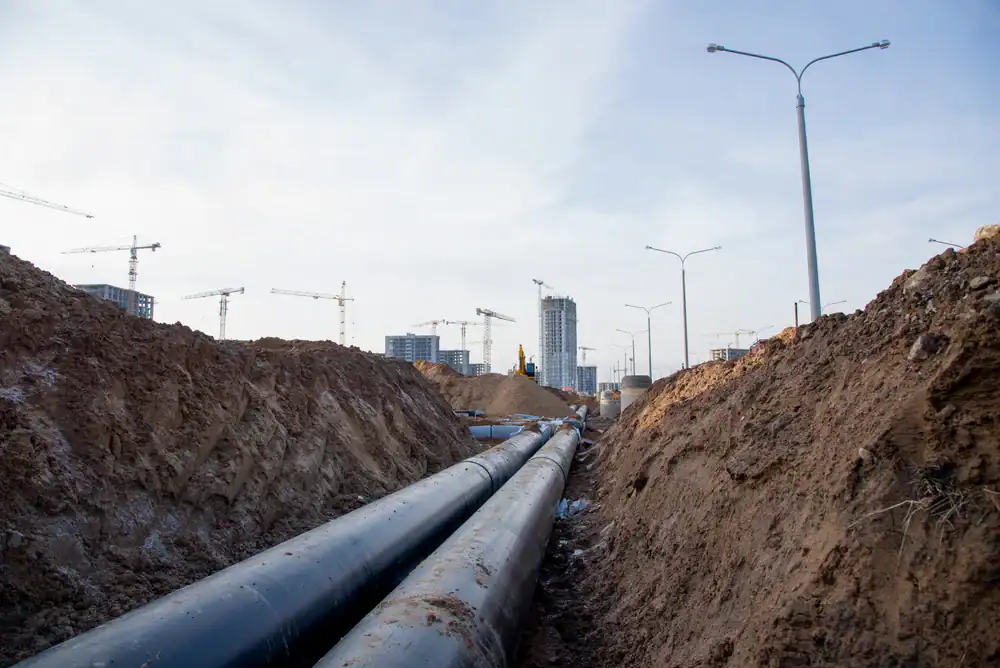
The excavator will leave a pile of soil somewhere on your property while we work. We try to keep it out of the way, but there’s no avoiding it—the dirt has to go somewhere until we’re ready to backfill. Most jobs take one to two days depending on length and complications like roots or unexpected ledge rock.
Your yard will look torn up while we’re working. That’s just reality. But once we backfill and compact properly, grass grows back within a few weeks if it’s the right season. We’ll rake it smooth and clean up the obvious mess, but you’ll want to reseed or lay sod over the trench line if you want it to look perfect immediately.
Most residential line changes in Oakdale run between $3,000 and $8,000 depending on how much pipe needs replacing and how deep we’re digging. If you’re replacing fifty feet of pipe at six feet deep through an area with mature trees, you’re looking at the higher end. If it’s twenty feet of shallow pipe in open yard, you’re on the lower end.
Sewer line replacement costs break down to $60 to $250 per linear foot depending on depth, soil conditions, and what we run into once we start digging. Labor, equipment, permits, and materials are all factored in. We’ll give you an upfront price after we assess your situation—no surprises once we start.
The reason costs vary so much is because every property is different. Your pipe might be under a driveway, which means cutting asphalt and repaving. You might have ledge rock that requires a rock saw. Or you might have straightforward sandy soil and easy access. We can’t quote accurately until we see what we’re dealing with, but we’ll walk you through exactly what drives the cost on your specific job.
Gravity is the only thing moving waste through your pipes to your cesspool. If the slope is too flat, waste sits in the pipe and builds up. If it’s too steep, water runs ahead and leaves solids behind. Either way, you get clogs and backups.
The standard is a quarter inch of drop for every foot of horizontal pipe. That’s enough slope to keep everything moving without creating problems. When we install your new line, we’re checking that slope with laser levels and making sure it’s consistent from your house to your cesspool. If the ground has settled over the years and your old pipe developed a belly, we’re correcting that.
A lot of older Oakdale systems were installed without much attention to slope, especially if they were done decades ago before regulations tightened up. That’s why you’re having problems now. Getting the pitch right during your line change means you won’t be dealing with the same issue again in five years. It’s not complicated work, but it requires precision and the right equipment to verify everything’s correct before we backfill.
Sometimes, yes. If we find one specific break or a single joint that’s failed, and the rest of the pipe is in good shape with proper slope, we can excavate just that section and patch it. That saves you money and minimizes disruption to your yard.
But more often, if one section has failed, the rest isn’t far behind. Clay pipes from the same era are all aging at the same rate. Cast iron corrodes uniformly. If roots got into one joint, they’re probably in others too. We’ll tell you honestly what we find once we expose the pipe.
The risk with patching is that you pay for excavation and labor, we fix one spot, and six months later another section fails ten feet away. Then you’re paying for excavation again. If the pipe is old and we’re seeing multiple issues during inspection, replacing the full run usually makes more sense financially. You’re already paying for the equipment and the trench—might as well do it once and be done.
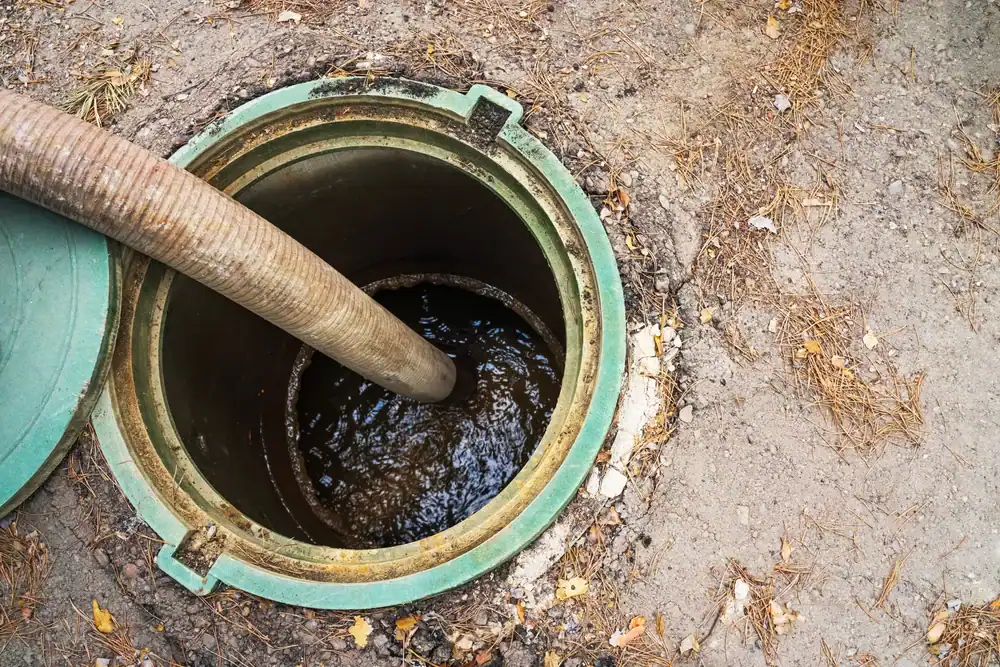
We locate your cesspool before we start digging. That’s standard procedure. We’ll either use your existing records if you have them, probe the ground to find the tank, or in some cases bring in locating equipment. Once we know where your cesspool sits, we’re digging carefully as we get close to it.
The goal is to expose the inlet pipe where your line connects to the cesspool so we can make a clean, proper connection with the new pipe. We’re not damaging your cesspool—we’re working around it. If your cesspool is old and we find the inlet area is deteriorating, we’ll let you know, but that’s separate from the line change work.
Occasionally we’ll find that a cesspool is in worse shape than expected once we expose it. If that happens, we’ll stop and talk through your options before proceeding. You might need cesspool repairs in addition to the line change, or in some cases, the cesspool itself needs replacing. We’re not going to make that call without showing you what we found and explaining why it matters.
Other Services we provide in Oakdale