
Hear from Our Customers
You stop dealing with backups that flood your yard or basement. Your system drains consistently because the pipe pitch and slope are engineered correctly from the start. You’re not calling for emergency service every few months because something’s clogged or collapsed.
Main waste line replacement means digging up part of your property. That’s unavoidable. But it doesn’t mean tearing apart your entire landscape or leaving you without answers for weeks. The right approach involves knowing exactly where your lines run, accessing them with minimal disruption, and installing new piping that meets Nassau County’s requirements without cutting corners.
Your cesspool works when the lines feeding it work. Proper trenching and excavation protect the investment you’ve already made in your property while preventing the kind of system failure that costs $30,000 or more to fix. You get documentation that proves compliance, a system that handles your household’s actual waste volume, and the kind of service that doesn’t leave your driveway torn up for days.
We’ve been handling line changes in Old Westbury for nearly two decades. We’re a fourth-generation family business, which means we’ve seen what happens when systems are installed wrong and what it takes to fix them permanently.
Old Westbury properties sit on large lots with valuable landscaping. Most aren’t connected to Nassau County sewer systems, so your cesspool and the lines feeding it need to function without fail. We understand that discretion matters here and that your daily routine can’t stop for a week while someone figures out your waste system.
We know Long Island’s sandy soil, Nassau County’s documentation requirements, and how to access your system without destroying the property features you’ve invested in. You’re not getting a crew that treats every job the same. You’re getting people who’ve done this specific work in this specific area long enough to handle it right.
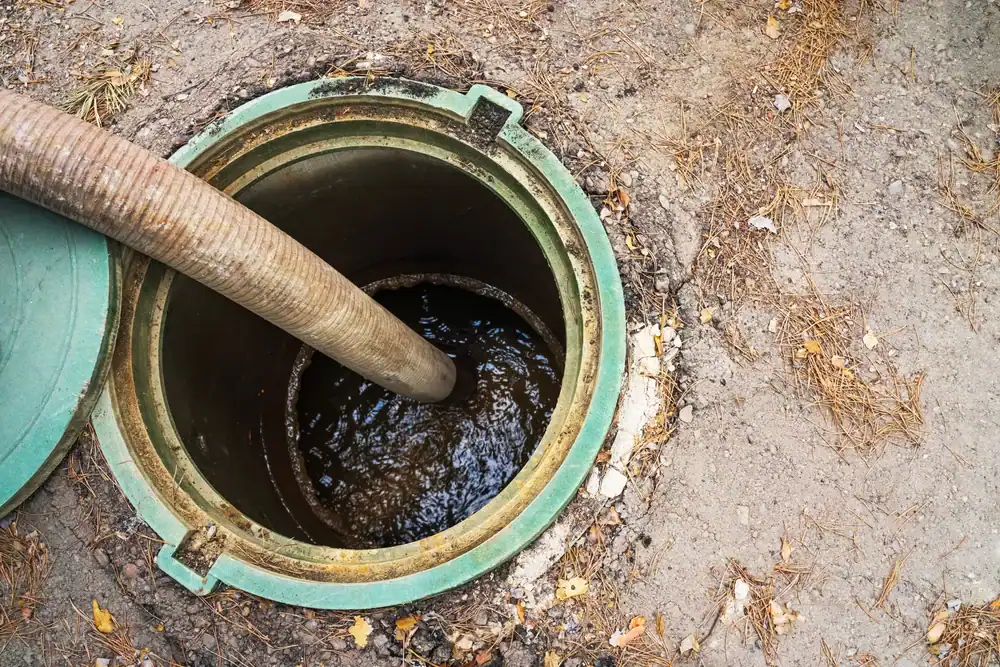
We start with a thorough inspection of your current system. That means locating your existing lines, identifying where the failure or backup is happening, and determining whether you need a full main waste line replacement or a targeted repair. You get a clear explanation of what’s wrong and what it’ll take to fix it.
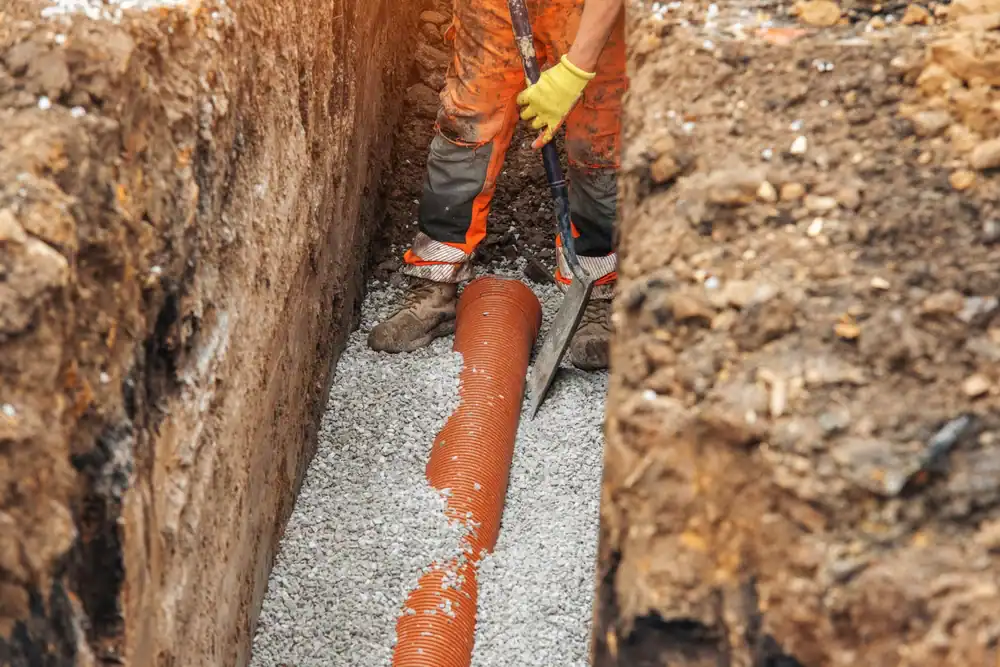
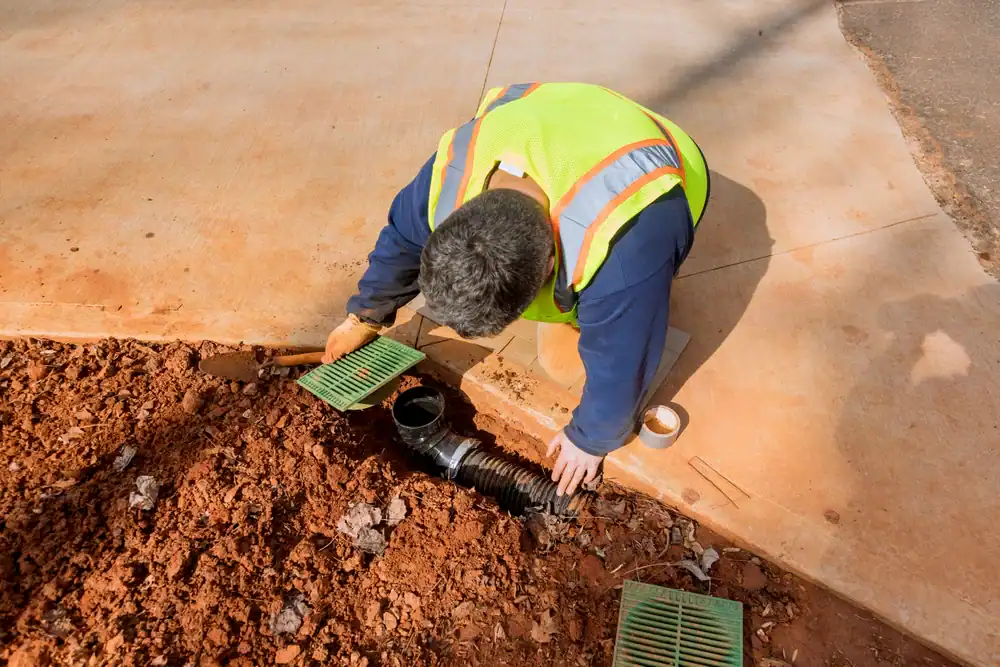
The trenching and excavation phase is where experience matters most. We dig precisely where we need to, protect your landscaping and hardscaping, and expose the damaged or inadequate piping. If your sewer line to cesspool connection has the wrong slope or your pipes have collapsed, this is where we see it clearly.
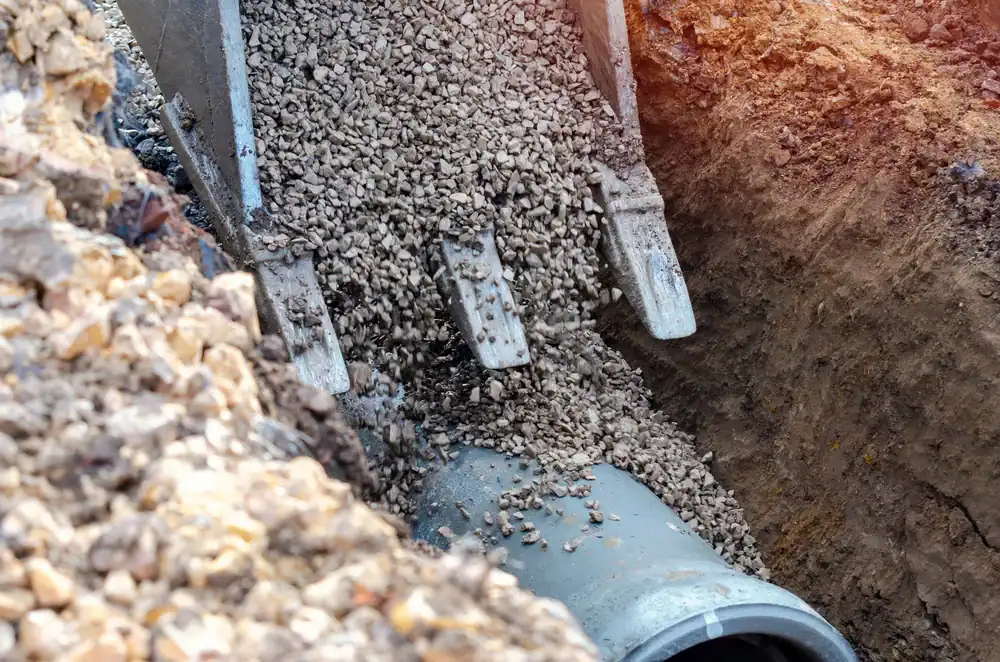
New lines go in with the correct pipe pitch and slope. That’s not negotiable. If waste doesn’t flow downhill at the right angle, your system will fail again. We install piping that meets code, connects properly to your cesspool, and handles your household’s volume. Before we backfill, you see exactly what was done.
After installation, we provide the documentation Nassau County requires. You get a record of the work, proof of compliance, and a clear timeline for your next service. The site gets restored as close to original condition as possible, and you’re back to a functioning system that doesn’t keep you up at night.
Ready to get started?
Line changes cover everything from your home’s main waste line to the connection point at your cesspool. That includes proper trenching depth, correct pipe pitch installation, and backfilling that doesn’t leave your yard a muddy mess for months.
Nassau County regulations require specific documentation for any work done on private waste systems. All cesspools on Long Island are technically considered failing systems under New York State guidelines, which means compliance isn’t optional. Our service includes the inspection reports and installation records you need if you’re selling your property or applying for upgrade grants through the S.E.P.T.I.C. program.
Old Westbury’s sandy soil drains well, but it also shifts. Lines need to be installed at the right depth with proper bedding material to prevent settling that changes your slope over time. We account for that during installation so you’re not dealing with backups and pipe failure three years down the road.
If you’re upgrading to a nitrogen-reducing system to access Nassau County’s grant funding, your line changes need to support that new system’s requirements. We handle the connection work that ensures your new technology actually functions as designed, protecting both your investment and Long Island’s water quality.
It depends on what’s causing your backup or drainage issue. If you’ve got a single clog or a small section of damaged pipe, a targeted repair might handle it. But if your lines are old, consistently backing up, or installed at the wrong slope, you’re looking at replacement.
Most Old Westbury homes with original cesspool systems have lines that are decades old. Clay or concrete pipes crack, separate at joints, or get invaded by tree roots. If your system needs pumping every few months instead of every 2-3 years, that’s often a sign your lines aren’t draining properly.
We determine this during the initial inspection. You’ll see exactly where the problem is, whether it’s isolated or systemic, and what option makes sense financially. Replacing 50 feet of line now is cheaper than dealing with a complete system failure that floods your basement or yard. You get a straight answer about what your property actually needs, not what generates the biggest invoice.
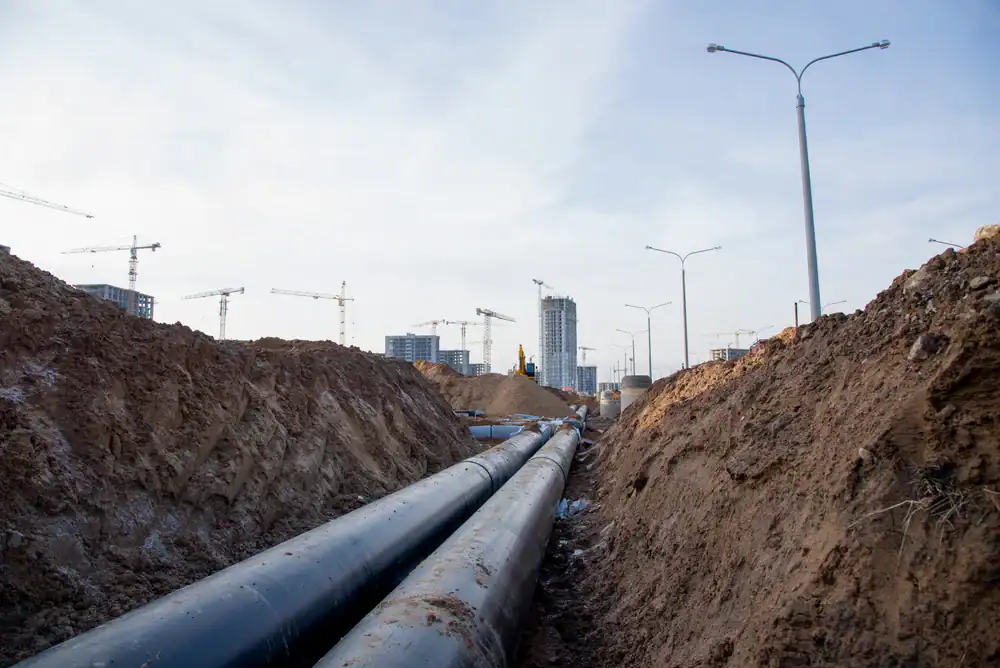
Trenching means digging a path from your home to your cesspool, typically 4-6 feet deep depending on your system. The goal is accessing your lines with the smallest footprint possible while still doing the job correctly.
We locate your existing lines first so we’re not digging blind. That prevents unnecessary damage to landscaping, sprinkler systems, or hardscaping you’ve invested in. The trench width is only as wide as needed for the new piping and proper backfill. We’re not excavating your entire yard.
For properties with extensive landscaping, we map out the route that causes the least disruption while maintaining the correct slope for drainage. Sometimes that means going around established trees or garden beds rather than through them. The excavated soil gets staged carefully and backfilled in layers to prevent settling. Your grass or plantings won’t look perfect immediately, but the site gets restored as close to original condition as possible. You’re not left with a mud pit or a trench that sinks every time it rains.
Waste doesn’t pump itself to your cesspool. It flows by gravity, which means your pipes need to be angled correctly. Too flat and waste sits in the line, causing clogs and backups. Too steep and liquid rushes ahead while solids get left behind, creating the same problem.
The standard pitch for waste lines is typically 1/4 inch per foot, but your specific property might need adjustments based on distance, soil conditions, and system type. Long Island’s sandy soil can shift over time, which is why proper bedding and backfill matter as much as the initial installation.
If your current lines were installed without the right slope, you’ll keep having drainage issues no matter how often you pump your cesspool. The waste simply isn’t reaching the tank efficiently. Fixing this during line changes means engineering the route and depth correctly from the start. You get a system that works with gravity instead of fighting it, which translates to fewer service calls and a cesspool that handles your household’s volume the way it should.
Most line changes take 1-3 days depending on distance, soil conditions, and what we find once we’re in the ground. A straightforward replacement on accessible property with no complications can be done in a day. More complex situations take longer.
The inspection and planning happen first. Then trenching and excavation, which is the most disruptive phase. Once the trench is open and old piping is removed, new lines go in relatively quickly. The time-consuming part is doing it right: proper slope, secure connections, correct depth, and backfilling in layers that prevent settling.
Old Westbury’s large lots mean your cesspool might be 100+ feet from your home. Longer runs take more time. If we hit unexpected obstacles like ledge rock, old utilities, or collapsed sections that weren’t visible during inspection, that extends the timeline. We don’t rush through the installation phase to hit an arbitrary deadline. You get a system that’s going to function for decades, not a quick fix that fails in two years. We’ll give you a realistic timeline upfront and keep you updated if anything changes once we’re working.
Line changes themselves don’t qualify for grant funding, but they’re often necessary when you’re upgrading to a nitrogen-reducing system that does qualify. The S.E.P.T.I.C. program provides up to $20,000 for system upgrades, and your waste lines need to support whatever new technology you’re installing.
If you’re replacing a conventional cesspool with an I/A system or another nitrogen-reducing technology, your existing lines might not be adequate. The new system has different flow requirements, and your old piping might be damaged or improperly sloped. Getting the line work done correctly ensures your grant-funded upgrade actually functions as designed.
We help you understand what’s required for your specific upgrade and whether your current lines will work or need replacement. The grant program operates on a first-come, first-served basis with provisional acceptance, so timing matters. You don’t want to get approved for a $20,000 upgrade only to discover your lines can’t support it. We handle the connection work that makes your new system viable while protecting your property investment and meeting Nassau County’s compliance requirements.
The most common causes are improper slope, aging pipes, root intrusion, and soil settling. Old Westbury properties often have mature trees with root systems that seek out moisture in waste lines. Once roots penetrate a pipe joint, they create blockages that get worse over time.
Clay and concrete pipes that are 30+ years old crack and separate at joints. Long Island’s sandy soil shifts, especially after heavy rain or extended dry periods. If your lines weren’t installed with proper bedding material, that shifting changes the slope and creates low spots where waste collects instead of flowing to your cesspool.
Sometimes the original installation was just wrong. Lines installed too flat or with inadequate fall won’t drain properly no matter how well you maintain them. You’ll have chronic backups, frequent pumping needs, and eventually a complete failure that requires emergency service. Catching these issues during a planned line change is far less expensive and disruptive than dealing with a collapsed line that’s flooding your basement. Regular inspections help identify problems before they become emergencies, but once your lines are failing, replacement is usually the only permanent fix.
Other Services we provide in Old Westbury