
Hear from Our Customers
Your sewer line connects everything in your home to your cesspool. When that connection fails—whether from age, shifting soil, or incorrect pipe pitch—waste stops flowing the way it should. You get backups in your basement, slow drains throughout the house, and sometimes sewage odors in your yard that make you avoid going outside.
A proper line change fixes the root problem. We’re talking about replacing the failing section of pipe, correcting the slope so gravity does its job, and restoring the connection between your home and your cesspool. Once it’s done right, water flows freely again, drains clear fast, and you stop worrying every time someone flushes a toilet or runs the washing machine.
Most homes in Plainview were built in the 1950s, which means your sewer lines are 60+ years old. They weren’t designed to last forever. When pipes start to fail, you’ll know—and waiting only makes the damage worse and the repair more expensive.
We’ve been handling cesspool and sewer line problems in Plainview for nearly two decades. This is a family business—four generations of experience—and we’ve seen every type of line failure these older homes can throw at us. When you call, you’re talking directly to the people who own the business and will be doing the work.
Plainview’s post-war housing boom created neighborhoods full of homes with the same aging infrastructure. We know how Long Island’s sandy soil shifts, how seasonal water table changes affect your system, and what warning signs mean your line needs attention now versus later. Licensed, insured, and available 24/7 when emergencies happen—but we’d rather help you avoid the emergency in the first place.
First, we assess the problem. That means locating exactly where your line is failing—not guessing, not assuming. We use our experience with Plainview properties to pinpoint the issue before any digging starts. If your pipe is back-pitched or collapsed, we’ll tell you straight up what needs replacing and why.
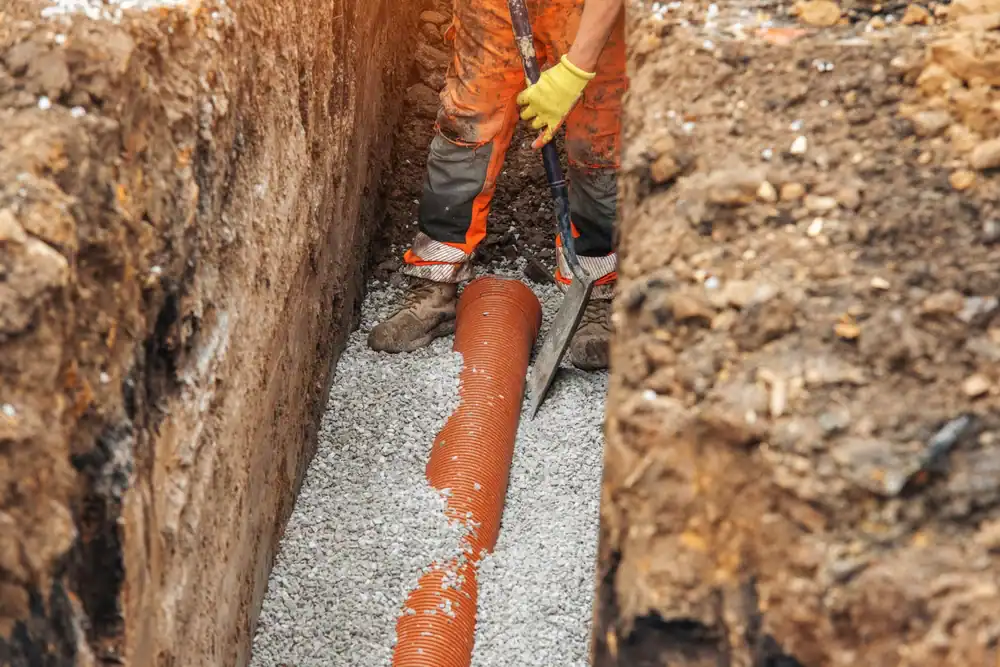
Next comes trenching and excavation. We dig only where necessary, expose the damaged section, and remove the old pipe. Then we install new pipe at the correct slope—typically a quarter-inch drop per foot—so waste flows naturally toward your cesspool without any low spots where solids can settle. The connection points get sealed properly to prevent leaks or root intrusion down the line.
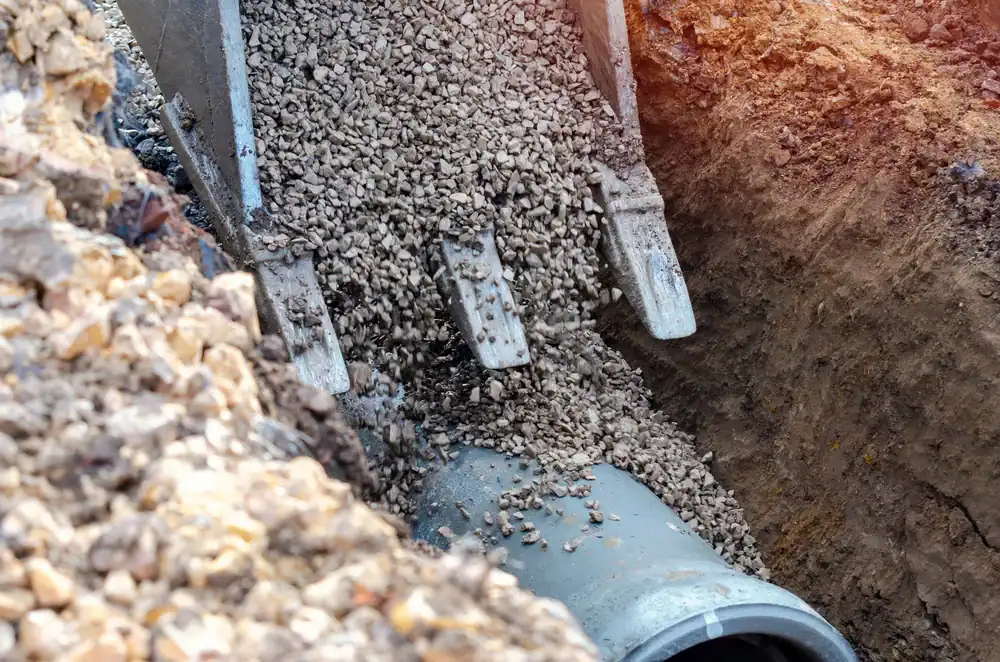
Finally, we backfill the trench, compact the soil, and restore your property as close to original condition as possible. You get documentation for your records, and we make sure everything meets Nassau County requirements. The whole process usually takes a day or two depending on access and how much pipe needs replacing. You’ll know the timeline upfront—no surprises.
Ready to get started?
When we handle a line change, you’re getting a complete fix—not a patch job. That includes locating and exposing the failed section, removing old pipe, installing new pipe at proper pitch, and making sure the connection to your cesspool is solid. We handle all the trenching and excavation work, which means you don’t need to coordinate with multiple contractors or worry about who’s responsible if something goes wrong.
In Plainview, we’re dealing with properties where the original sewer lines were installed when Eisenhower was president. Many of these lines have settled, shifted, or developed back-pitch over decades. You can’t fix a back-pitched pipe with a repair—it needs replacement. We’ve replaced hundreds of these lines in Nassau County, and we know the difference between a line that can be saved and one that’s done.
You also get cleanup and restoration. We’re not leaving your yard torn up or your driveway half-finished. Everything gets put back, compacted properly, and left in good shape. Plus, we provide all the documentation you need for property transfers or county inspections. If you’re selling your home or just want proof the work was done right, you’ll have it.
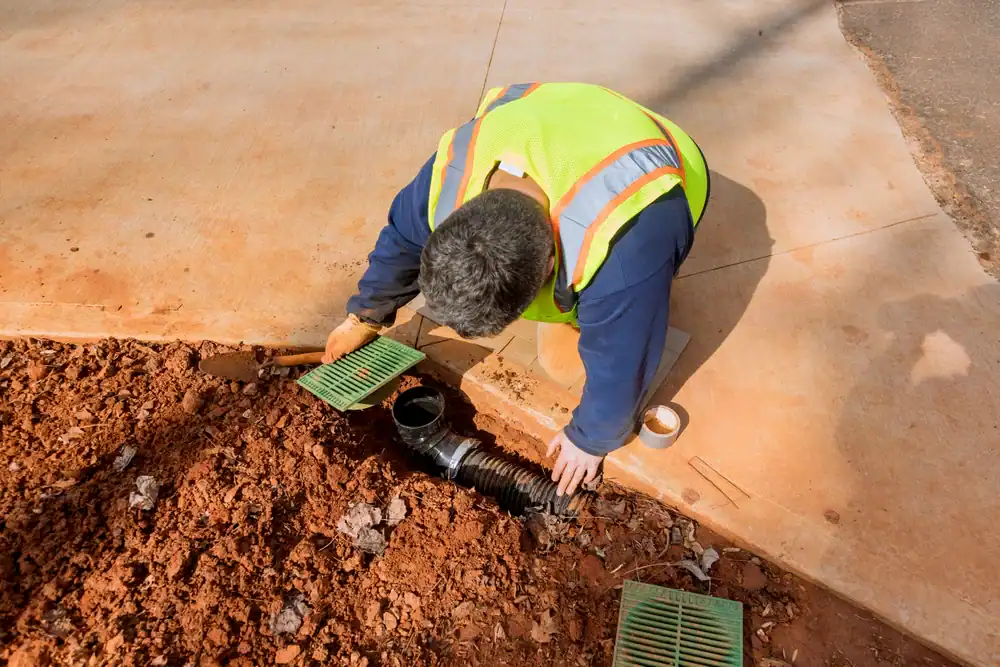
If your line is back-pitched—meaning it slopes the wrong direction—you need replacement, not repair. Waste flows downhill by gravity, so even a small section sloping backward will cause chronic backups and slow drains. You can pump and clean all you want, but the problem keeps coming back because the pipe itself is working against you.
Other signs you need replacement include collapsed sections, severe root intrusion that’s crushed the pipe, or pipes that have separated at the joints. In older Plainview homes, cast iron and clay pipes were common, and both deteriorate over time. Cast iron corrodes from the inside out, and clay cracks under soil pressure or tree roots.
A repair works when you’ve got a small leak or a minor crack in an otherwise solid line. But if the pipe has lost its structural integrity or the slope is wrong, replacing that section is the only fix that lasts. We’ll assess your specific situation and tell you honestly what makes sense—not what makes us the most money.
Soil settlement is the main culprit, especially in Plainview where sandy soil is common. Over 60+ years, the ground shifts and compacts unevenly. If one section of your pipe settles more than another, you end up with a low spot or even a reverse slope. Water and waste pool there instead of flowing toward your cesspool.
Tree roots also play a role. As roots grow under or around your sewer line, they can lift sections of pipe and change the slope. Sometimes the original installation wasn’t perfect to begin with—if the pipe was laid without proper bedding or compaction, it’s more likely to shift over time.
Frost heave can affect shallow lines during winter months, though it’s less common with deeper installations. The bottom line: back-pitch develops gradually, which is why you might not notice problems right away. But once waste stops flowing freely, the issue compounds fast. Every flush adds to the backup, and you’re looking at a mess that won’t resolve itself.
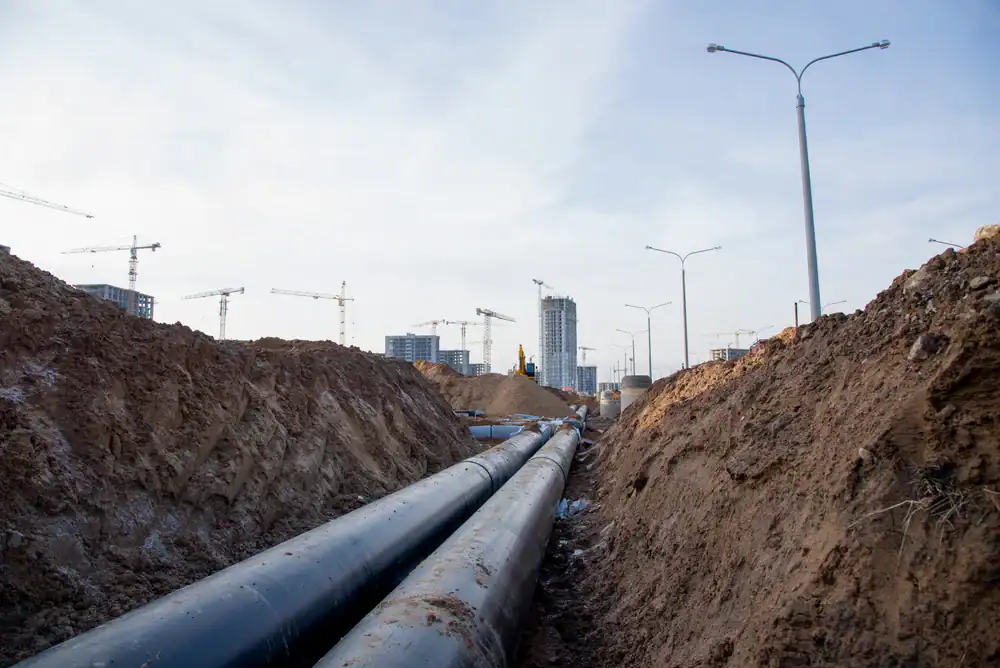
Most line changes in Plainview take one to two days depending on the length of pipe being replaced and site access. If we’re replacing 20 feet of line in an open yard with no obstacles, that’s a straightforward one-day job. If we’re working around landscaping, driveways, or tight spaces between houses, it might stretch into a second day.
The actual pipe replacement isn’t what takes time—it’s the trenching, excavation, and proper restoration afterward. We’re not rushing through and leaving your property torn up. Everything gets backfilled correctly, compacted in layers, and restored so you’re not dealing with settling or sinkholes later.
Weather can be a factor too. Heavy rain turns trenches into mud pits, so sometimes we need to pause and let conditions improve. We’ll give you a realistic timeline upfront based on your specific situation. If it’s an emergency and your system is completely backed up, we prioritize getting you functional again as fast as possible—but we still do the work right.
Yes, if you’ve got mature trees near your sewer line, roots will always seek out moisture and nutrients—which means they’re attracted to your pipes. But a properly installed new line with sealed joints is much more resistant to root intrusion than old clay or cast iron pipe with gaps and cracks.
Modern PVC pipe doesn’t have the same vulnerabilities as older materials. The joints are solvent-welded or gasketed tight, so roots can’t easily penetrate. That said, if a root grows large enough to press against the pipe from outside, it can still cause problems over many years. The key is using the right pipe material and installing it correctly the first time.
If you’ve got large trees close to your sewer line, we’ll talk through your options. Sometimes it makes sense to route the new line away from the root zone if space allows. Other times, periodic inspections and root treatments are the practical solution. We’re not going to tell you to cut down a 50-year-old oak tree unless it’s absolutely necessary—but we will be honest about what you’re dealing with long-term.
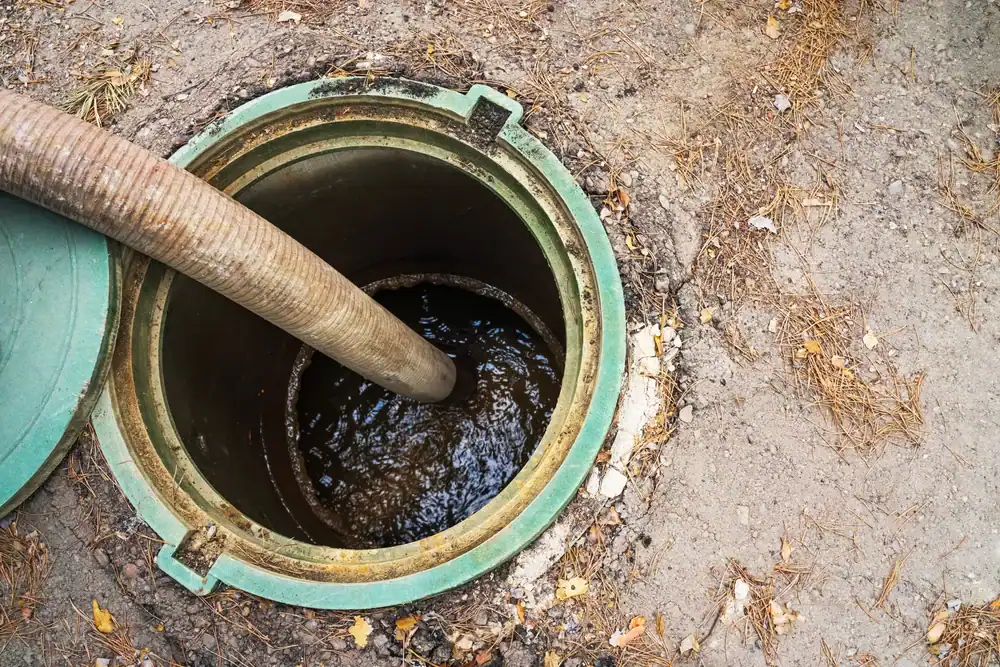
A line change replaces the pipe connecting your house to your cesspool—it doesn’t touch the cesspool itself. If your cesspool is still functioning but the pipe leading to it has failed, a line change solves the problem without the expense of a full system replacement.
A cesspool replacement means digging up and removing your existing cesspool tank, then installing a new tank or converting to an advanced treatment system. That’s a much bigger job, typically costing several times more than a line change. You’d need a full replacement if your cesspool is collapsing, leaching poorly, or if Nassau County regulations require you to upgrade to a nitrogen-reducing system.
Sometimes you need both—if your cesspool is shot and your line is back-pitched, replacing just one won’t fix your problems. We assess the entire system and tell you what actually needs to be done. If your cesspool has years of life left and only your line is failing, there’s no reason to replace the whole system. But if both are near the end, it makes sense to handle everything at once and avoid tearing up your yard twice.
Yes, sewer line work in Nassau County typically requires permits, and we handle that process as part of the job. You’re not responsible for running to the county office or figuring out what paperwork is needed. We pull the permits, schedule inspections if required, and make sure everything is documented properly.
Nassau County has specific regulations around setbacks, pipe materials, and installation methods. Your new line needs to meet current code even if your old line was grandfathered in under outdated standards. That’s not something to stress about—we do this work regularly and know exactly what the county requires.
You’ll also want documentation for your records, especially if you’re planning to sell your home. Property transfers in Nassau County often require proof that cesspool and sewer work was done legally and up to code. We provide all the paperwork you need so there are no issues down the road. If an inspector has questions, we’re the ones who answer them—not you.
Other Services we provide in Plainview