
Hear from Our Customers
You stop worrying about whether your toilets will flush during a family gathering. You stop seeing soggy patches in your yard that smell like sewage. You stop wondering if today’s the day your whole system backs up into the house.
Proper line changes mean waste flows the way it should—downhill, at the right angle, without pooling or reversing. That’s not just about convenience. It’s about protecting a home that’s worth nearly $900,000 in Poquott from the kind of damage that shows up during inspections and kills deals.
When your main waste line has the correct pipe pitch and slope, your cesspool works efficiently. When the connection is sealed and installed right, you’re not dealing with groundwater contamination or Suffolk County violations. And when the trenching and excavation are done by someone who knows what they’re doing, your landscaping doesn’t look like a construction zone for months afterward.
We’ve been handling line changes and cesspool work across Long Island for nearly two decades. That’s four generations of experience dealing with the same soil conditions, the same aging systems, and the same Suffolk County regulations you’re up against in Poquott.
Most homes here were built in 1968. That means the waste lines running to your cesspool are over 50 years old. We’ve replaced hundreds of them.
We’re available 24/7 because backups don’t wait for business hours. We’re licensed and insured because this work matters. And we’re local because we understand what Poquott homeowners are dealing with—especially now that Suffolk County won’t let you replace a cesspool with another cesspool anymore.
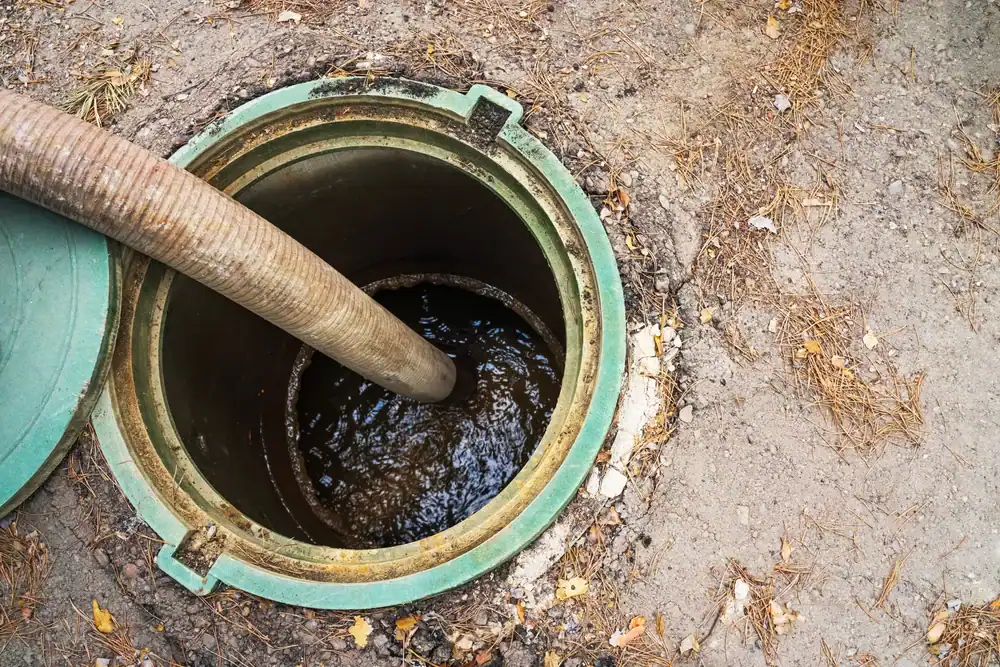
First, we assess the problem. That means locating your existing line, identifying where it’s failing, and figuring out whether you need a full replacement or a targeted repair. We’re looking at pipe condition, slope, and how it connects to your cesspool.
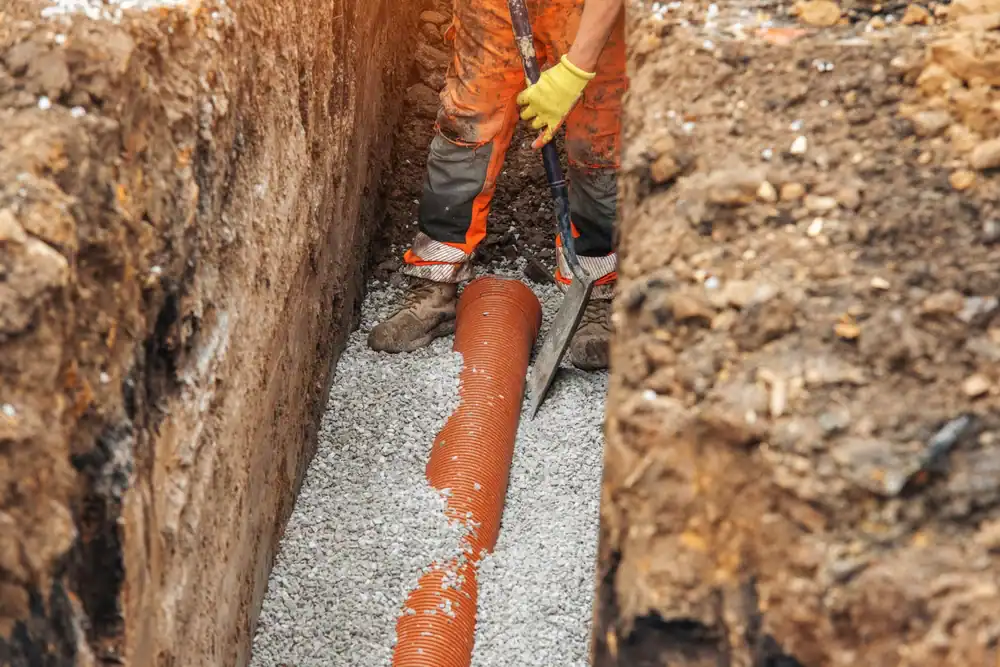
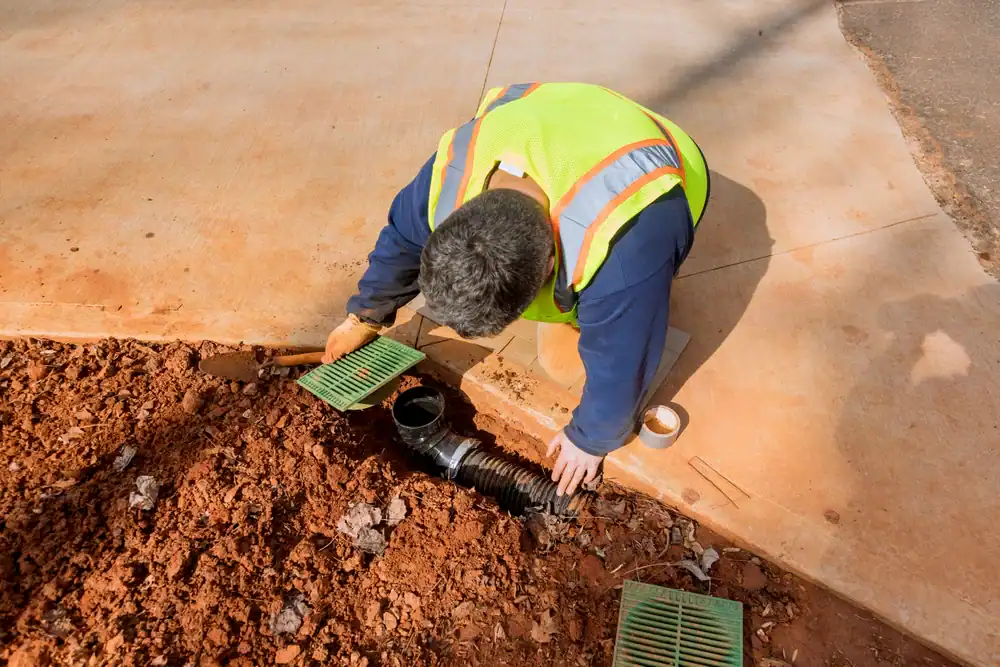
Next comes trenching and excavation. We dig carefully to expose the damaged section while minimizing disruption to your driveway, lawn, or landscaping. The goal is to get in, do the work right, and restore your property without leaving a mess behind.
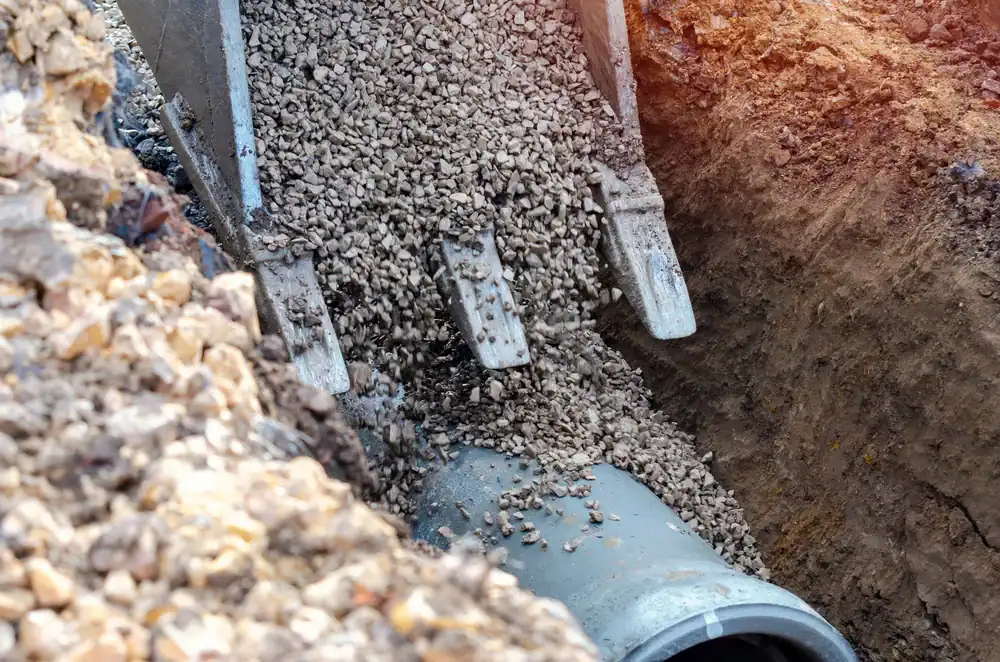
Then we install the new line with the correct pipe pitch and slope. This isn’t guesswork—it’s engineering. Waste needs to flow at a specific angle to prevent clogs and backups. We make sure every connection is sealed, every joint is secure, and the line from your house to your cesspool does exactly what it’s supposed to do.
After installation, we backfill the trench, compact the soil, and clean up. You’re left with a functioning system and a yard that doesn’t look like it was torn apart.
Ready to get started?
You’re getting a main waste line that’s built to last, installed with the right materials and the right slope. That means PVC or cast iron pipe rated for underground use, proper bedding to prevent settling, and connections that won’t leak or separate over time.
You’re also getting compliance with Suffolk County’s current regulations. Since 2019, you can’t just replace a cesspool with another cesspool. If your line needs work and your system needs upgrading, we make sure everything meets code so you’re not dealing with violations or fines down the road.
In Poquott, where the median home value tops $880,000 and most residents own their homes, a failing waste line isn’t just an inconvenience—it’s a threat to your property value. Buyers and inspectors look for this stuff. A documented line change with proper permits shows your system is solid.
And if you’re dealing with backups and pipe failure right now, you need someone who can respond fast. Emergency repairs cost three to four times more than scheduled work, and a severely neglected system can run $8,000 to $15,000 to replace. Fixing the line before it gets that bad saves you money and stress.
If you’re seeing repeated backups, slow drains throughout the house, or wet spots in your yard near the line, something’s wrong. The question is whether the pipe is partially blocked or actually broken.
A camera inspection shows us what’s happening inside the line. If it’s a clog or root intrusion in one spot, we might be able to clear it or repair that section. But if the pipe is cracked, collapsed, or corroded along a significant length, a full line change is the smarter move.
Homes in Poquott built in the 1960s often have original clay or cast iron pipes that are past their lifespan. Patching them repeatedly costs more in the long run than replacing the line once and being done with it. We’ll tell you what makes sense based on what we actually see, not what costs more.
Gravity moves waste from your house to your cesspool. If the pipe doesn’t slope enough, waste sits in the line and clogs. If it slopes too much, liquid runs ahead and leaves solids behind—same problem.
The standard is a quarter-inch drop per foot of horizontal run. That’s the angle that keeps everything moving without creating issues. When we install a new line, we use a laser level to make sure the slope is consistent from end to end.
A lot of older lines in Poquott were installed before modern standards or have settled over time. That’s why you get backups even when the pipe itself isn’t broken. Fixing the slope fixes the flow, and that’s often the difference between a system that works and one that doesn’t.
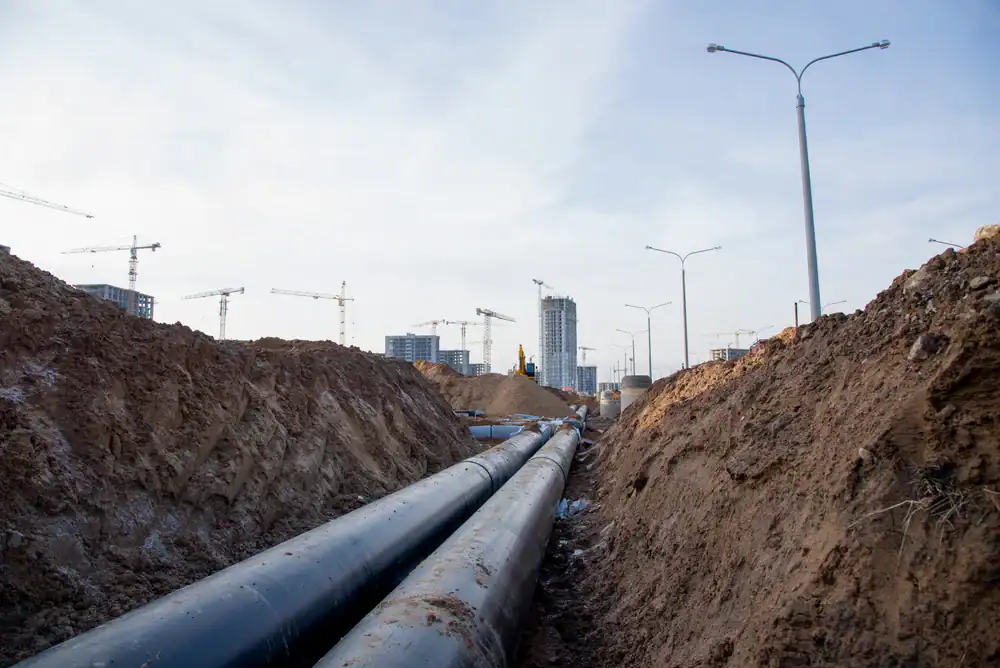
Less than you’d think if it’s done right. We locate the line, mark utilities, and dig a trench that’s only as wide as it needs to be. Most residential waste lines run three to four feet deep, so we’re not excavating your entire yard.
If the line runs under your driveway or landscaping, we take extra care during excavation and restoration. Asphalt and pavers get removed in sections and replaced after the line is in. Grass and soil get backfilled and compacted so you’re not left with a sunken trench six months later.
The goal is to get your line fixed without wrecking your property in the process. We’ve done this in hundreds of Long Island yards. You’ll see some disruption during the work, but it shouldn’t look like a disaster zone when we’re finished.
Yes, and in some cases it makes sense to do both at once—especially if your cesspool is old or you’re already dealing with system failure. Since Suffolk County changed the rules in 2019, you can’t replace a cesspool with another cesspool anyway. You’ll need to upgrade to a septic system.
If we’re already excavating to replace your main waste line, it’s often more efficient to handle the cesspool upgrade during the same project. You save on mobilization costs, trenching, and the hassle of tearing up your yard twice.
That said, if your cesspool is still functioning and you just need the line fixed, there’s no reason to replace it yet. We’ll assess the whole system and let you know what actually needs attention now versus what can wait. The decision is yours—we’re just here to give you the information to make it.
Most residential line changes take one to three days depending on the length of the run, soil conditions, and whether we’re working around obstacles like driveways or landscaping. Straightforward jobs where the line runs through open yard space go faster.
You’ll need to limit water use while we’re working on the connection points—basically when we’re disconnecting the old line and hooking up the new one. That might mean a few hours where you can’t flush toilets or run sinks. We’ll coordinate with you so it’s not in the middle of dinner or when everyone’s getting ready in the morning.
Once the new line is connected and we’ve tested it, you’re back to normal. We don’t leave you without working plumbing for days. If it’s an emergency situation and your system is already backed up, we’ll get temporary flow restored as quickly as possible while we complete the full repair.
If we install it correctly with the right materials and the right slope, it shouldn’t fail. A properly installed PVC or cast iron line will outlast you. The most common cause of future problems is root intrusion, which happens when trees or shrubs send roots into the line looking for water.
We can discuss root barriers or routing the line away from large trees if that’s a concern on your property. And if you’ve got older trees near the line, periodic camera inspections can catch root growth before it becomes a blockage.
Our work is warrantied, so if something goes wrong because of how we installed the line, we’ll fix it. But most line changes we do in Poquott are still working fine years later because we don’t cut corners on materials, slope, or installation. You’re paying for a permanent fix, and that’s what you get.
Other Services we provide in Poquott