
Hear from Our Customers
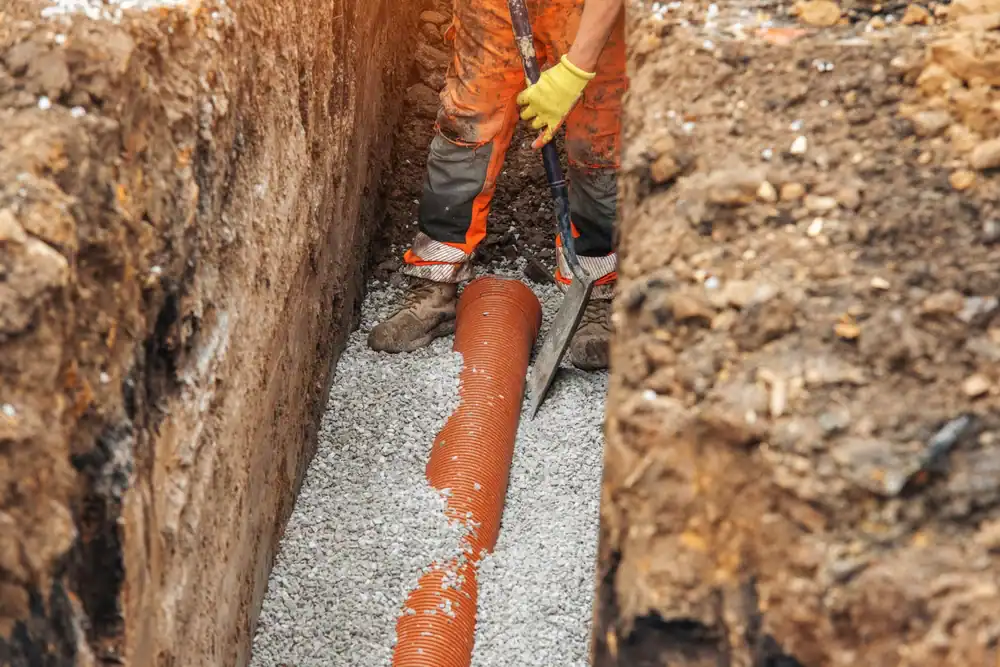
Most cesspool failures aren’t actually cesspool failures. The tank is fine. The problem is the pipe connecting your house to the system—cracked, collapsed, or pitched wrong from decades of settling soil.
You’re looking at sewage backing up into your drains. Slow toilets. Wet spots in the yard. And every plumber you call wants to sell you a $25,000 system replacement when the real issue is a $1,500 pipe repair.
We dig, we replace, we restore proper slope. Your waste flows the way it’s supposed to. No backup. No standing water. No ripping out a cesspool that still has years left in it. Just targeted line changes that fix what’s broken and leave the rest alone.
We know Port Jefferson’s soil, water table, and the aging cesspool infrastructure that defines this area. Most homes here were built in the 50s and 60s, and the pipes haven’t been touched since.
We’re licensed, insured, and we’ve handled hundreds of line changes across Suffolk County. We know what orangeburg pipe looks like when it finally gives out. We know how Long Island’s freeze-thaw cycles crack cast iron. And we know how to excavate without destroying your driveway or landscaping.
You’re not getting a national franchise or a guy with a shovel. You’re getting a local crew that’s seen every version of this problem and knows how to fix it right the first time.
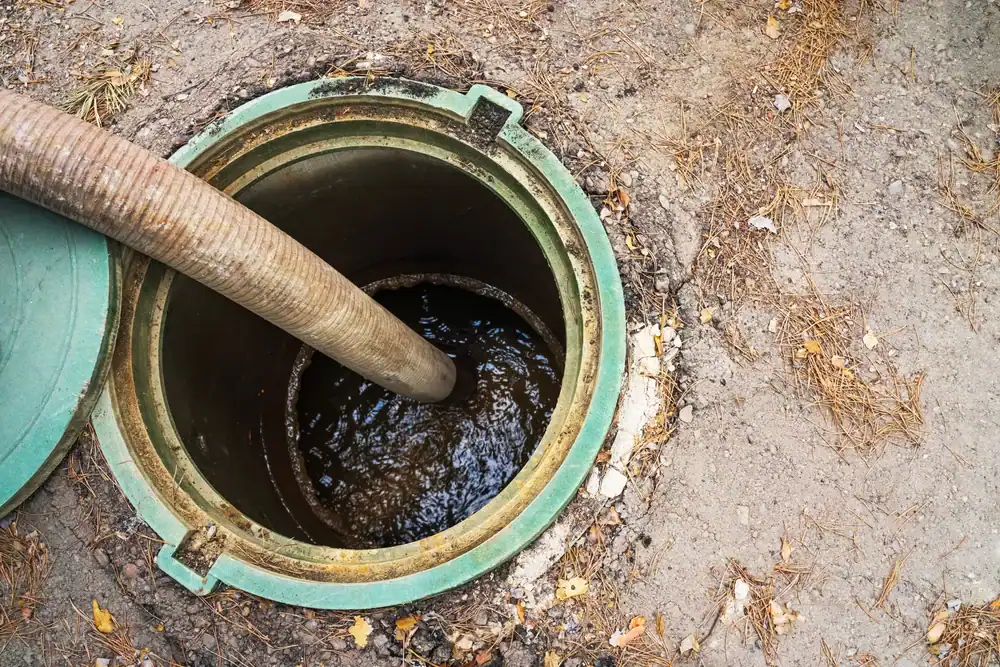
First, we assess the situation. That means locating your cesspool, inspecting the existing pipe, and figuring out where the failure is. Sometimes it’s at the house connection. Sometimes it’s midway. Sometimes the whole run needs to go.
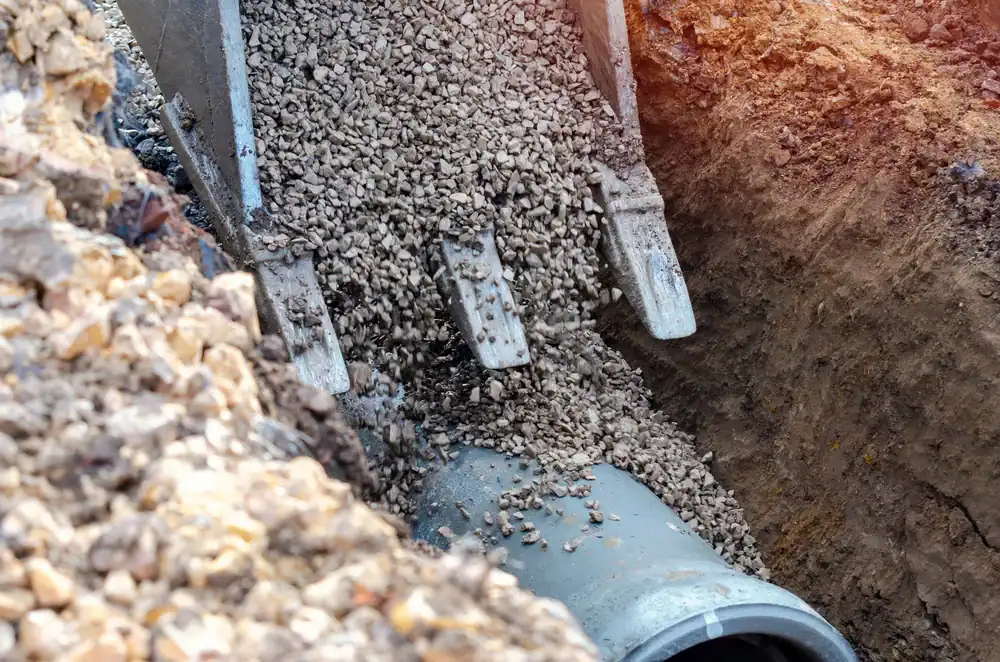
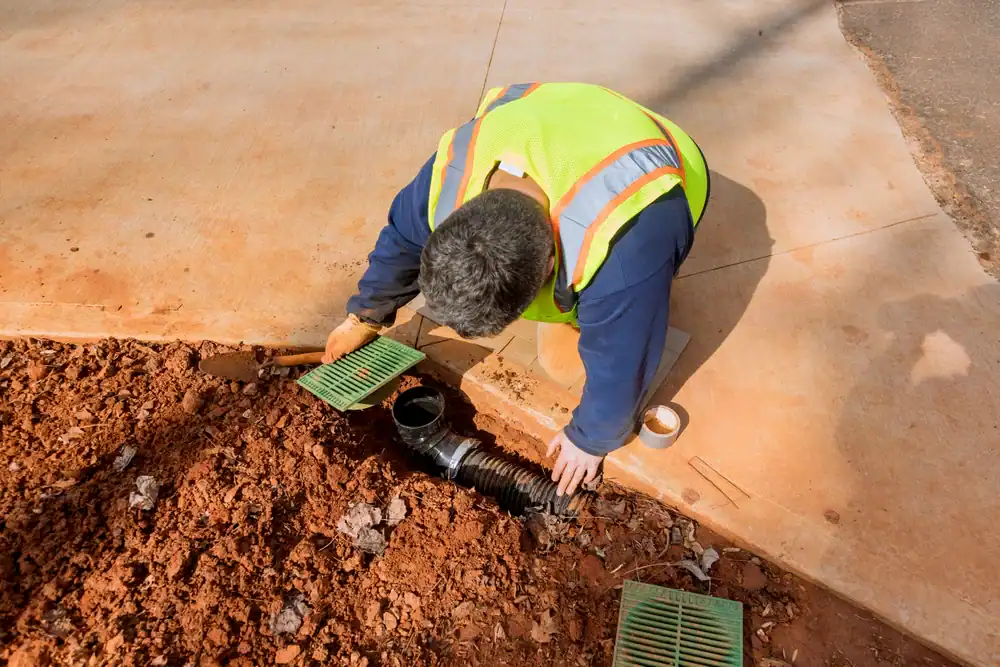
Next comes trenching and excavation. We dig down to expose the damaged section, remove the old pipe, and prep the trench for the new line. If you’ve got orangeburg or clay pipe from the 60s, we’re replacing it with durable PVC that won’t crack or collapse.
Then we install the new pipe with proper pitch and slope—typically a quarter inch per foot toward the cesspool. We add cleanouts for future access, make sure all connections are watertight, and backfill the trench. The job usually wraps in a day unless we hit ledge or a high water table.
You get a system that works. Waste flows downhill like it should. No backups. No standing water. Just a functioning connection between your house and your cesspool.
Ready to get started?
Every line change we do includes full excavation, pipe removal, and installation of new PVC piping sized to handle your household’s waste volume. We’re not patching. We’re replacing the entire run from your house to the cesspool inlet.
You also get proper engineering. That means correct pipe pitch so gravity does the work, cleanout access points so future clogs don’t require digging, and backfill that won’t settle and create low spots. We’re not just dropping pipe in a hole.
Port Jefferson’s sandy soil makes trenching easier than other parts of Long Island, but it also means pipes can shift over time. We account for that. We compact as we backfill. We restore your lawn or driveway as close to original condition as possible. And if we find other issues during the dig—root intrusion, a cracked cesspool lid, a failing inlet baffle—we’ll tell you about it before it becomes an emergency.
This is about more than just replacing a pipe. It’s about restoring a system that works reliably for the next 20 years.
If your drains are slow, your toilets are backing up, or you’ve got sewage surfacing in the yard, the first question is whether the cesspool itself is full or if the pipe connecting your house to the cesspool has failed. A full cesspool needs pumping. A failed pipe needs replacing.
Here’s the difference: if pumping your cesspool fixes the problem temporarily but it comes back fast, your tank is probably undersized or failing. But if pumping doesn’t help at all, or if you’ve got a wet spot between your house and the cesspool, the pipe is likely cracked, collapsed, or pitched wrong.
We can scope the line with a camera to see exactly what’s happening underground. Most of the time, especially in older Port Jefferson homes, it’s the pipe. Orangeburg pipe was common here in the 60s and 70s, and it deteriorates over time. Cast iron rusts. Clay cracks. A line change costs a fraction of a full system replacement and solves the problem if the cesspool itself is still sound.
Age is the biggest factor. Most cesspool systems in Port Jefferson were installed 40 to 60 years ago, and the pipes weren’t built to last forever. Orangeburg pipe, which is basically tar paper, compresses and collapses. Cast iron corrodes. Clay pipe cracks when the ground shifts.
Long Island’s freeze-thaw cycles don’t help. Water gets into small cracks, freezes, expands, and turns a hairline fracture into a full break. Tree roots are another common culprit—they seek out moisture and will infiltrate any crack or joint they can find.
Soil settling is also a problem here. Port Jefferson’s sandy soil shifts over time, especially after heavy rain or if there’s been any excavation nearby. When the soil moves, pipes can lose their slope or even separate at the joints. Once that happens, waste stops flowing properly and you get backups. A line change restores the correct pitch and replaces any damaged sections so everything flows the way it should.
Most line changes in Port Jefferson are completed in one day. We show up, locate the cesspool, dig the trench, remove the old pipe, install the new line, backfill, and clean up. You can usually use your plumbing again by the end of the day.
The disruption depends on where the pipe runs. If it’s under your lawn, we’ll dig a trench, do the work, and restore the grass. If it runs under a driveway or patio, we’ll need to cut through that surface, which means some patching afterward. We do our best to minimize the footprint and restore things as close to original as possible.
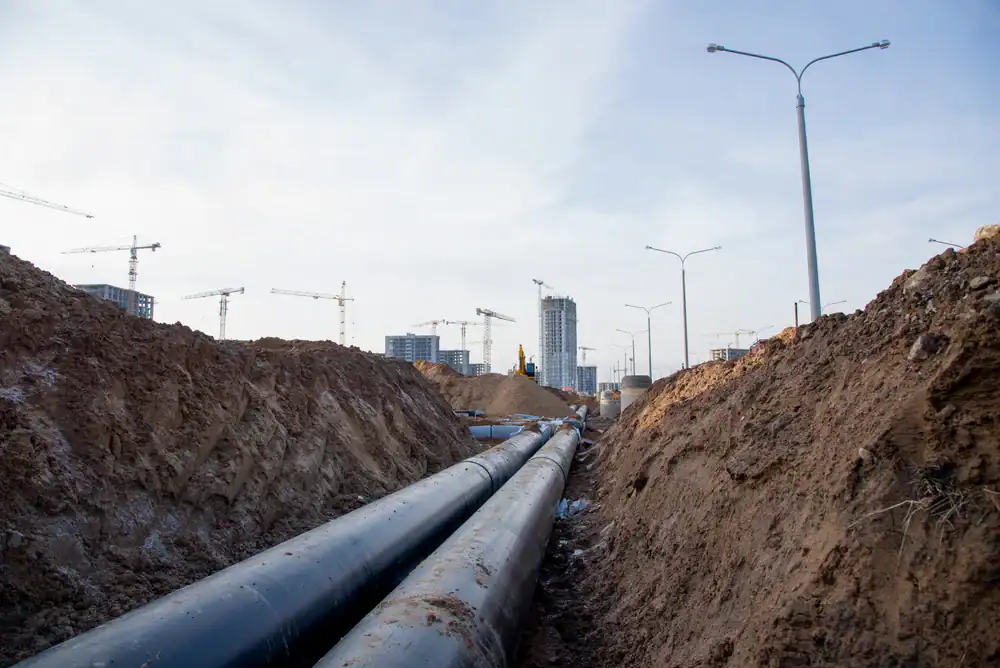
You’ll have an open trench for part of the day, so keep kids and pets clear of the work area. There will be some noise from the excavator. And depending on how deep we need to go, there might be a decent-sized pile of soil temporarily. But we’re not tearing up your entire yard. It’s targeted excavation along the pipe run, and we clean up when we’re done. Most customers are surprised how manageable it is compared to what they were expecting.
A line change typically runs between $1,500 and $3,000 depending on the length of the run, depth, and site conditions. A full cesspool replacement in Suffolk County can easily hit $25,000 or more once you factor in the tank, installation, permits, and site work.
If your cesspool is still functioning and the only problem is the pipe, a line change is a massive cost savings. You’re fixing the actual issue instead of replacing a system that doesn’t need replacing. That’s why we always assess before we recommend a solution.
Emergency repairs cost more. If you wait until you’ve got sewage backing up into your house on a Saturday night, you’re paying emergency rates—often three to four times what you’d pay for a scheduled repair. Plus you’re dealing with cleanup costs and potential damage to flooring, drywall, and belongings. Getting a line change done before it becomes a crisis saves you money and stress. If you’re seeing early warning signs like slow drains or wet spots in the yard, don’t wait.
If the backup is caused by a damaged, collapsed, or improperly sloped pipe, then yes—a line change fixes it permanently. You’re replacing the failed section with new PVC that won’t crack, collapse, or corrode. You’re restoring proper pitch so waste flows by gravity. And you’re eliminating the blockage or break that was causing the problem.
But if your cesspool itself is undersized, at capacity, or failing structurally, replacing the pipe won’t solve that. That’s why we inspect the whole system before we start digging. We’ll pump the cesspool, check the sludge levels, and make sure the tank itself is sound.
In Port Jefferson, most backup issues we see are pipe-related, especially in older homes. The cesspool is fine. The pipe isn’t. Once we replace the line and restore proper flow, the problem goes away. We also install cleanouts during the line change so if you ever do get a clog down the road, it’s easy to access and clear without digging. A properly installed line change should give you decades of trouble-free operation.
It depends on what we find. If the damage is localized to one section—say, a cracked joint or a short collapsed segment—we can sometimes replace just that part. But if the pipe is old orangeburg or clay that’s deteriorating along the entire run, replacing the whole line makes more sense.
Here’s why: if we patch one section of 60-year-old pipe, there’s a good chance another section will fail in a year or two. Then you’re paying for excavation and labor again. Replacing the full run with modern PVC gives you a system that’ll last 50 years without issues.
We’ll always give you the options. If a partial repair makes sense and will hold up, we’ll tell you. If the whole line is on borrowed time, we’ll tell you that too. Most customers in Port Jefferson opt for the full replacement once they see the condition of the old pipe. It’s a one-time fix instead of a recurring problem, and the cost difference usually isn’t enough to justify leaving old pipe in the ground that’s just going to fail again.
Other Services we provide in Port Jefferson