
Hear from Our Customers
Your waste lines either work or they don’t. When they don’t, sewage has nowhere to go except back into your home or pooling in your yard.
Most line problems start small. Wrong pipe pitch means solids settle instead of flowing. Grease cools in low spots and builds up. Tree roots find the smallest crack and turn it into a major break. By the time you notice slow drains or smell something off, the damage is already happening.
A proper line change fixes the root cause. We’re talking about correct slope from your house to your cesspool, solid connections that won’t separate, and materials that’ll last decades instead of years. You get a system that moves waste the way it’s supposed to, without backups, without smells, and without the constant worry that something’s about to go wrong.
The difference between a quick patch and a real fix is whether you’re calling someone back in six months or not thinking about your waste lines for the next 50 years.
We’ve spent more than 10 years working on cesspool systems across Suffolk County. We know how Long Island soil behaves, what happens to older pipe materials in this climate, and what it takes to install lines that actually last.
Quiogue homes have a median build year around 1980. That means a lot of properties are dealing with original waste lines made from materials that weren’t built to go the distance. Orangeburg pipe, clay tiles, even old cast iron—they all break down eventually.
We’re licensed, insured, and we show up when we say we will. Our team uses fiber-optic cameras to see exactly what’s happening underground before we dig, so you’re not paying for guesswork. When we replace a line or fix a pitch problem, it’s done to code and built to handle whatever you put down your drains.
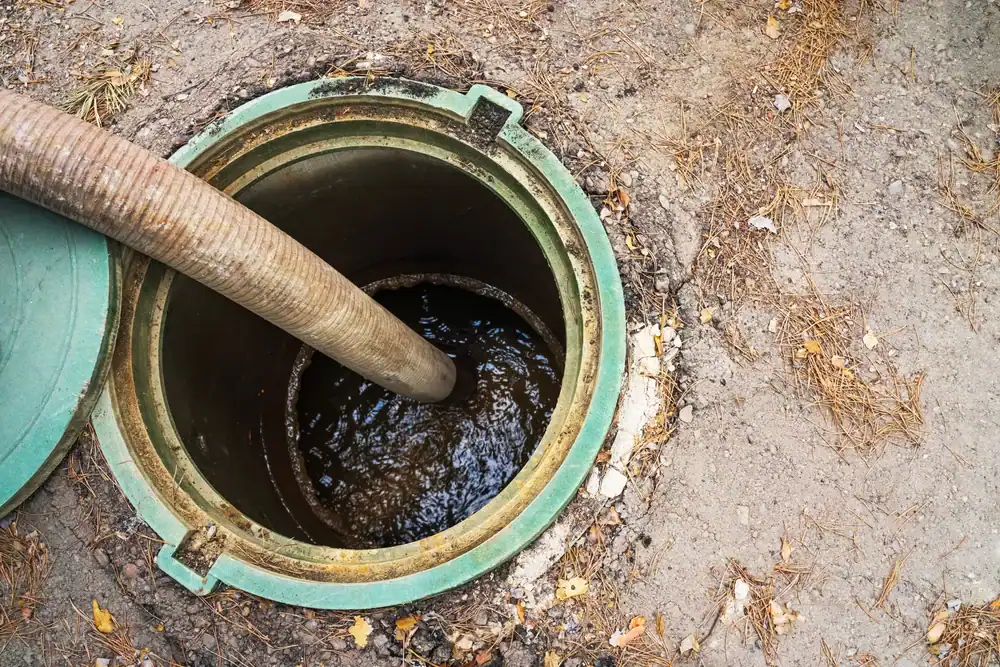
First, we figure out what’s actually wrong. That means a camera inspection to see inside your pipes and electronic locating equipment to map out where everything runs. You’ll know exactly what failed, where it failed, and what it’ll take to fix it before any digging starts.
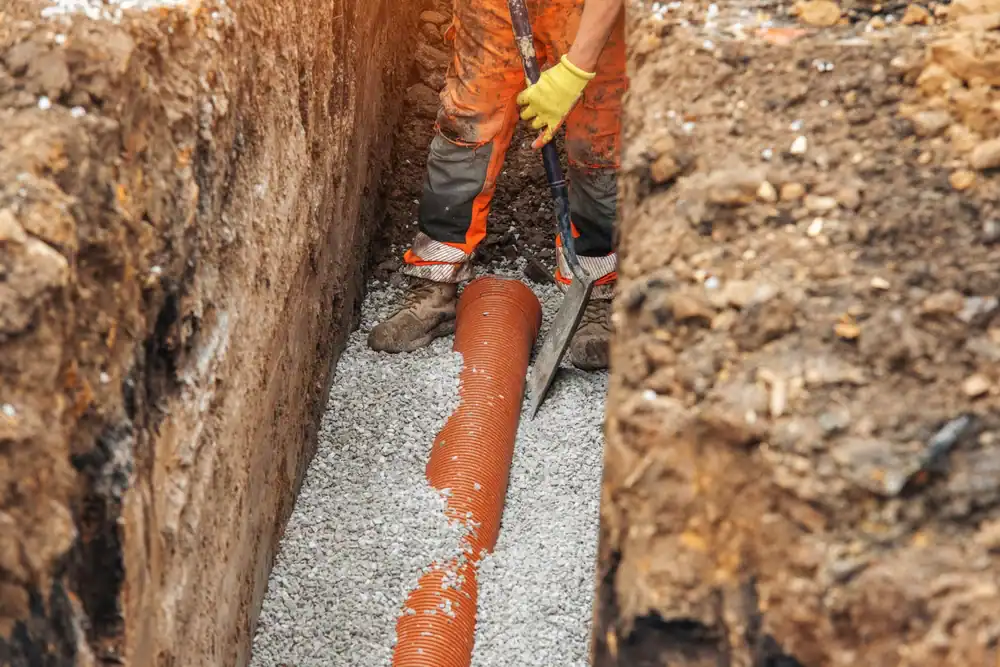
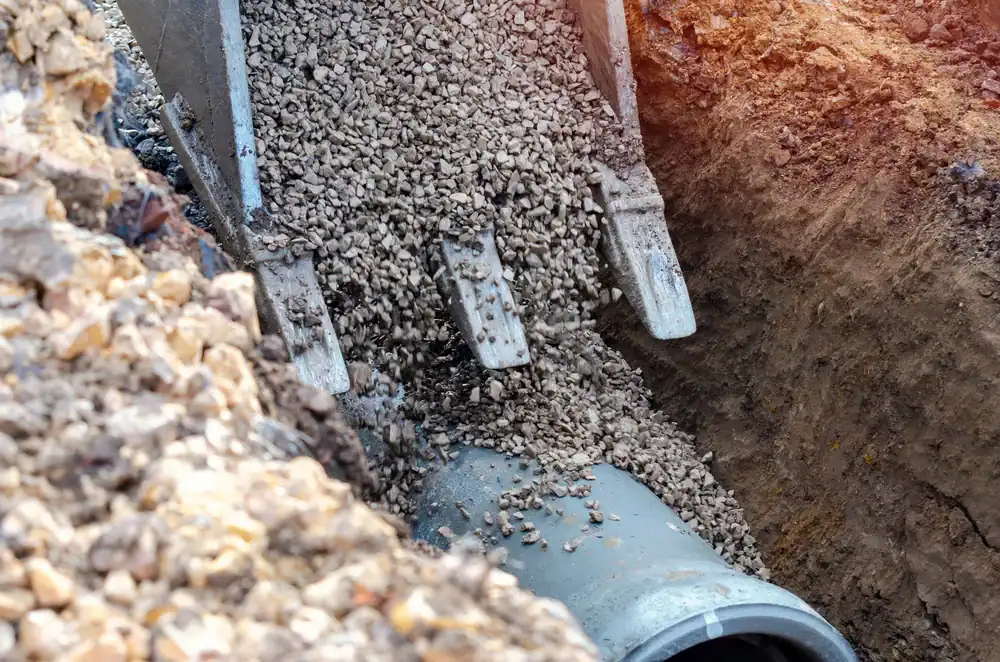
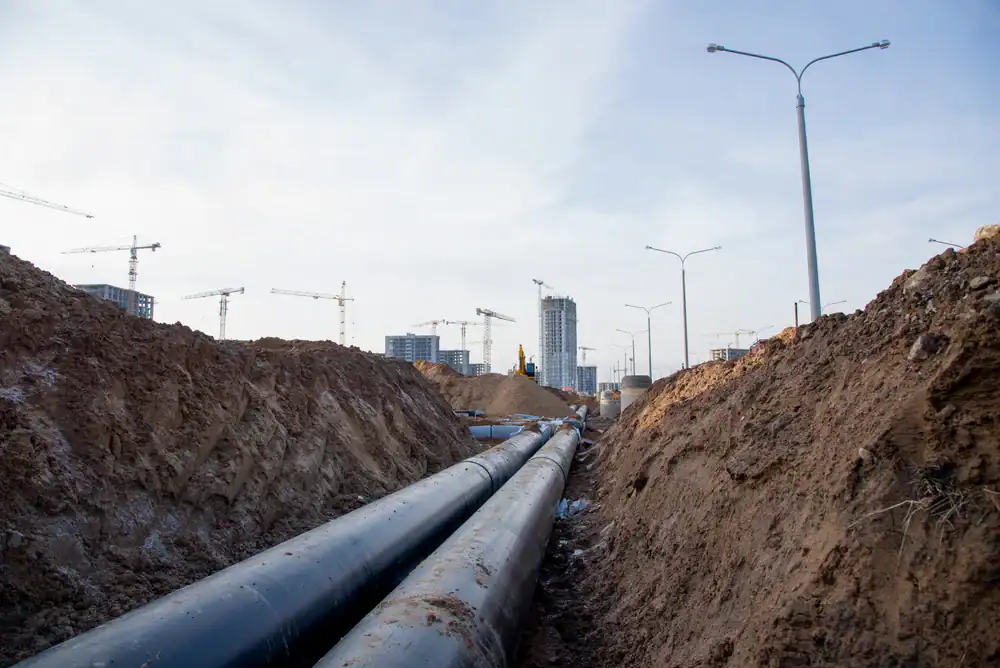
Once we have a plan, we handle the excavation. Depending on your property and how deep the lines run, that could mean trenching 4 to 6 feet down. We remove the old pipe, check the slope and pitch to make sure waste will flow properly, and install new lines with the right materials and correct angles.
After the new line is in, we connect it to your cesspool, test the system, and backfill the trench. If your yard took a hit, we’ll grade it back to where it was. The goal is a waste line that works the way it should, installed to last 50-plus years without you having to think about it again.
You’ll know the timeline before we start, and we’ll walk you through what to expect at each step. No surprises, no runaround.
Ready to get started?
A line change covers everything from your house connection to your cesspool. That includes main waste line replacement when the pipe itself is cracked, collapsed, or made from outdated materials that are breaking down. It includes fixing pipe pitch and slope issues that cause waste to sit instead of flow. And it includes sewer line to cesspool connections that are failing or were never installed correctly in the first place.
In Quiogue, where most homes sit on properties with mature landscaping and established septic systems, we also handle the trenching and excavation work carefully. You’re not just paying for new pipe—you’re paying for someone who knows how to dig without wrecking your yard, how to work around tree roots and utility lines, and how to restore the site when the job’s done.
If you’re dealing with backups and pipe failure, we can also offer trenchless options in some cases. That means less digging, less disruption, and a faster turnaround. Not every situation qualifies, but when it does, it saves you thousands in restoration costs.
The end result is a waste system that meets current code, handles your household’s actual usage, and doesn’t require constant maintenance or emergency calls.
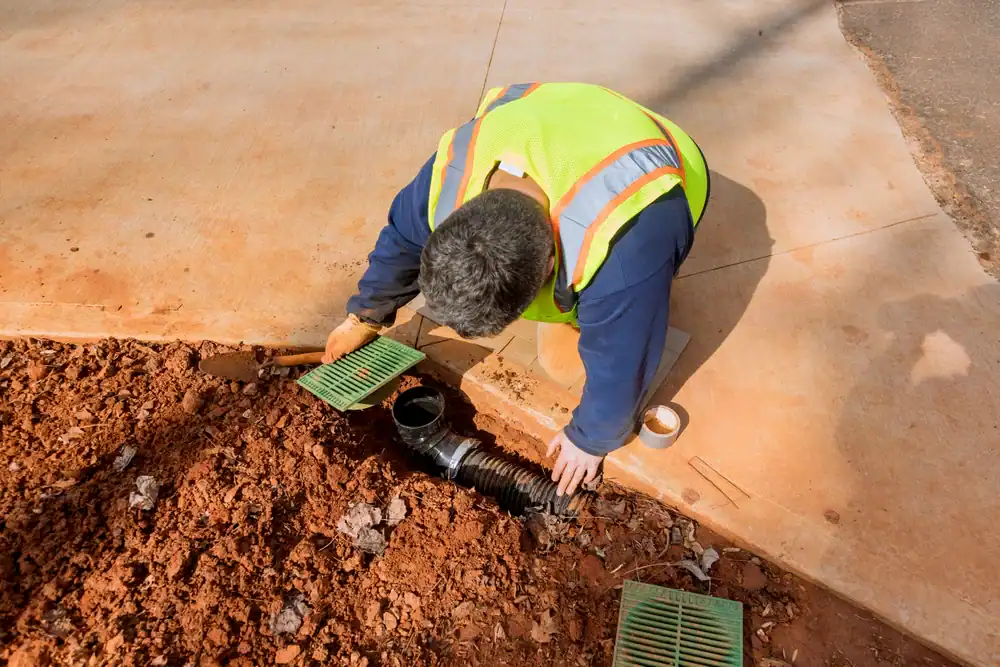
If your line is cracked in one spot and the rest of the pipe is solid, a repair might be enough. But if you’re dealing with old Orangeburg pipe, multiple breaks, or a line that was installed with the wrong slope, a full replacement is usually the smarter move.
We’ll run a camera through your line and show you exactly what’s happening. You’ll see the cracks, the sags, the root intrusion—whatever’s causing the problem. From there, we’ll tell you whether a patch will hold or if you’re better off replacing the section that’s failing.
Most of the time, if the pipe material is outdated or the pitch is wrong, a repair just buys you a little time before the next problem shows up. A line change fixes it for good.
Pitch is the angle of your waste line as it runs from your house to your cesspool. It needs to be at least 1/4 inch of drop per foot of pipe. Any less, and waste doesn’t flow—it sits.
When solids sit in your line, they build up. Grease cools and sticks. Eventually, you get a clog. Even if water is still draining, it’s draining slowly, and that slow drain turns into a full backup when you run the washing machine or flush multiple toilets at once.
A lot of older systems in Quiogue were installed before current standards, or they’ve settled over time and lost their original slope. Fixing the pitch means re-grading the line so gravity does its job. It’s not glamorous, but it’s the difference between a system that works and one that doesn’t.
Most line changes take one to three days, depending on how much pipe we’re replacing, how deep it’s buried, and what we run into underground. If we’re replacing a short section with easy access, it’s faster. If we’re running a new line across your property or dealing with ledge rock, it takes longer.
We’ll give you a timeline before we start. You’ll know when we’re digging, when the new line goes in, and when your system will be back online.
During the work, you won’t be able to use your plumbing. That means no showers, no laundry, no dishwasher. We move as fast as we can without cutting corners, because we know you need your house back to normal.
Yes. Tree roots are one of the most common causes of line failure on Long Island. They’re drawn to the moisture inside your pipes, and once they find a small crack or loose joint, they work their way in.
As the roots grow, they expand the crack. Eventually, they can completely block the line or cause it to collapse. Even if you cut the roots out, they’ll grow back unless you replace the damaged section with solid pipe and proper joints.
If you’ve got mature trees near your waste lines—especially willows, maples, or oaks—there’s a good chance roots are already in there. A camera inspection will show us whether it’s a minor intrusion or a full-blown break that needs a line change.
Traditional replacement means digging a trench from your house to your cesspool, removing the old pipe, and installing a new one. It’s invasive, but it works in every situation and lets us fix pitch problems, replace corroded pipes, and rebuild connections from scratch.
Trenchless methods like pipe bursting or lining let us replace or repair the line without digging up your entire yard. We access the pipe from a few small entry points, then either pull new pipe through the old one or insert a liner that hardens inside the existing pipe.
Trenchless is faster, less disruptive, and can save you thousands in landscaping costs. But it doesn’t work if your line has major pitch issues, if the pipe has collapsed, or if we need to reroute the line entirely. We’ll assess your situation and tell you which method makes sense for your property.
Cost depends on how much pipe we’re replacing, how deep it’s buried, what’s in the way, and whether we’re using traditional trenching or trenchless methods. A straightforward replacement might run a few thousand dollars. A complex job with deep excavation, ledge rock, or extensive landscaping restoration can cost significantly more.
We’ll give you a clear estimate after we inspect your system and understand the scope of the work. You’ll know what you’re paying for and why, with no surprise charges after the fact.
What matters more than the upfront cost is whether the work actually solves the problem. A cheap patch that fails in two years costs you more in the long run than a proper line change that lasts 50. We focus on doing it right so you’re not calling us back.
Other Services we provide in Quiogue