
Hear from Our Customers
Your toilets flush without backup. Your drains clear in seconds, not minutes. You stop worrying every time someone runs water in the house.
That’s what proper line changes do. Not a temporary fix that buys you six months. Not a “let’s try this and see” approach that costs you twice. A real repair that addresses the actual problem—whether that’s failed pipe pitch, root intrusion at the cesspool connection, or a collapsed section of your main waste line.
Most homeowners in Quogue don’t need their entire system replaced. They need someone who’ll inspect the line with a camera, show them exactly what’s wrong, and fix that specific issue. That’s how you avoid spending $15,000 when $3,000 would’ve handled it.
We’ve been working in Quogue and throughout Suffolk County for over 20 years. We’ve seen what happens when contractors guess instead of inspect. We’ve repaired the damage from companies who didn’t understand pipe slope or proper cesspool connections.
Here’s what that experience means for you: we know the soil conditions in Quogue. We know the common failure points in older systems. We know how to minimize excavation on your property because we’ve done this exact work on hundreds of homes in your area.
You’re not getting a crew that learned cesspool work last year. You’re getting technicians who’ve handled backups and pipe failures in every type of property from East Quogue to the Hamptons.
First, we run a video camera through your line. You see what we see—roots, cracks, bellied pipes, whatever’s actually causing the problem. We measure the exact location with a foot counter so there’s no guessing about where to dig.
Then we talk through your options. Sometimes it’s a spot repair. Sometimes the pitch is wrong and water’s pooling instead of draining. Sometimes the connection to your cesspool has failed and needs to be rebuilt. We explain what each approach costs and why one makes more sense than another for your specific situation.
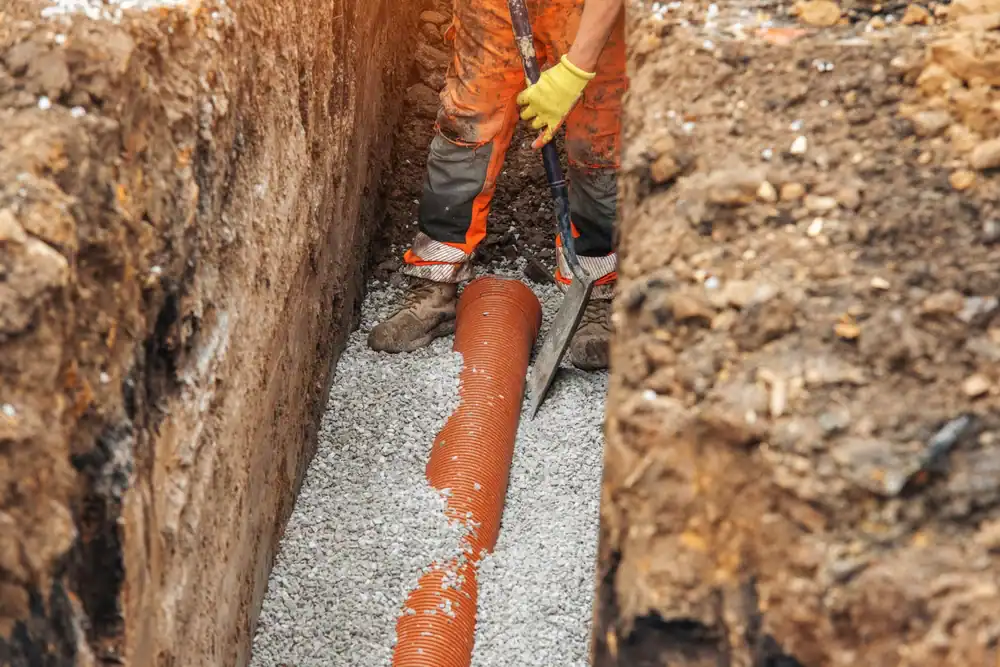
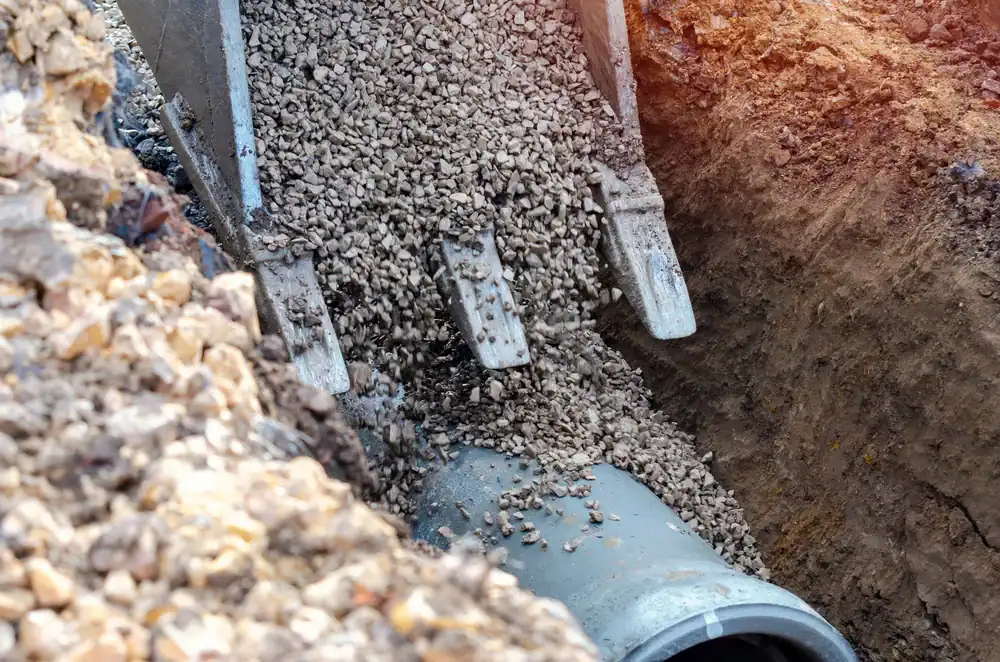
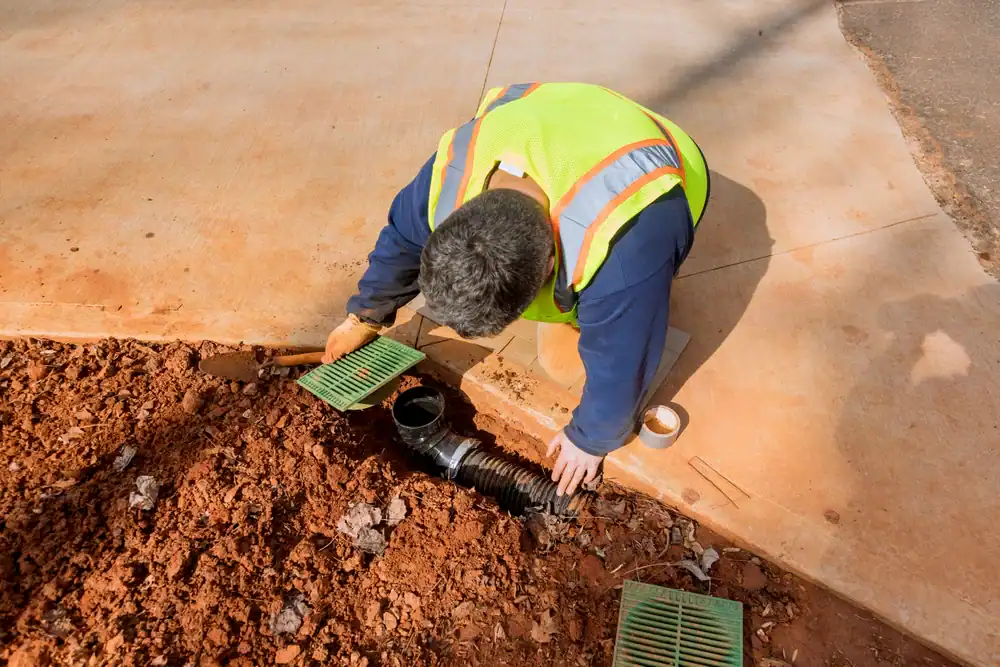
If you decide to move forward, we handle the trenching and excavation with the least invasion possible. We expose the problem area, replace or repair the damaged section, verify proper slope, and test the connection. Before we backfill, you can see the new line in place. After we’re done, we restore your property—not leave you with a torn-up yard and a vague promise to “come back and fix it later.”
Ready to get started?
Every line change job starts with video inspection. You get a USB copy of that footage so you can get a second opinion if you want one. No pressure, no rush—just documentation of what’s actually happening in your pipes.
The repair itself includes proper trenching and excavation, replacement of damaged pipe sections, verification of correct pitch and slope, and secure connection to your cesspool. We’re not patching over problems. We’re installing lines that drain the way they’re supposed to.
In Quogue, where many properties have older cesspool systems, we often find that the original installation didn’t account for proper drainage angles. Water sits in low spots, solids don’t move through the system, and you end up with chronic backups. Fixing that means more than just swapping out a broken pipe—it means regrading the line so gravity does its job. That’s the difference between a repair that lasts two years and one that lasts twenty.
You also get 24/7 emergency service if something goes wrong after hours. If a line fails on a Saturday night, you’re not waiting until Monday to get help.
If you’re dealing with repeated backups even after pumping or jetting, that’s usually a line problem. Cleaning removes blockages. It doesn’t fix broken pipes, improper slope, or failed connections.
Here’s the test: if your system backs up, you call someone to clear it, and it’s fine for a few weeks or months before it happens again—that’s a structural issue. The blockage is a symptom. The real problem is that your line isn’t draining properly, so waste accumulates until it clogs.
Video inspection shows you the difference. You’ll see whether you’re looking at roots that can be cleared, a bellied section where water pools, or a cracked pipe that’s letting soil in. Once you know what’s actually wrong, you can make a real decision instead of spending money on temporary fixes.
Age is the biggest factor. Older pipes crack, separate at joints, or collapse under soil pressure. If your home in Quogue was built 30+ years ago and the lines haven’t been replaced, you’re on borrowed time.
Improper installation is the other major cause. If the original contractor didn’t set the correct pitch—usually a quarter inch of drop per foot—water doesn’t flow properly. Solids settle in low spots, pressure builds up, and eventually something gives. We see this constantly in older Hamptons properties where the work was done fast instead of right.
Tree roots go after any moisture source, and a cesspool line is a target. Once roots get into a crack or joint, they expand and break the pipe apart. Ground shifting, heavy vehicle traffic over the line, and freezing temperatures can all contribute to failure over time.
That depends entirely on where the problem is and how deep your line runs. If the failure is close to your house or near the cesspool, we’re looking at a relatively small excavation area. If it’s midway along a 75-foot run, we need access to that section.
We don’t dig up your entire yard to replace 10 feet of pipe. Video inspection tells us exactly where to excavate. We open up that area, make the repair, and restore it. You’ll have disturbed ground in one section, not a trench running across your whole property.
Most line changes in Quogue involve excavation between 3 and 6 feet deep, depending on where your line was originally installed. We remove sod carefully so it can be replaced, not destroyed. We backfill with proper compaction so you don’t end up with a sunken trench six months later. The goal is to leave your property looking as close to original condition as possible—not like a construction site.
Most of the time, you’re replacing a section—not the entire run from house to cesspool. If 10 feet of pipe is cracked but the other 60 feet is fine, there’s no reason to tear out the whole line.
We replace what’s broken and verify that the rest is sound. The video inspection shows us the condition of the entire line, so you’re not guessing about whether other sections are about to fail. If we see multiple problem areas, we’ll tell you. If it’s isolated damage, we fix that spot and leave the rest alone.
The exception is when the whole system was installed incorrectly—wrong slope, poor connections, inadequate pipe material. In that case, patching one section doesn’t solve the underlying issue. You’ll just end up with failures in other spots. We’ll walk you through what makes sense for your specific situation and why.
Video inspection takes about an hour. Once we’ve identified the problem and you’ve approved the work, most single-section line replacements take one to two days depending on access, depth, and soil conditions.
Day one is usually excavation, pipe removal, and installation of the new section. We test everything before backfilling to make sure the pitch is correct and the connection is solid. Day two is backfill, compaction, and site restoration. If we hit rock or unexpected obstacles, it can take longer.
Emergency repairs move faster because we’re focused on getting your system functional again. Non-emergency work gets scheduled based on weather, equipment availability, and your timeline. Either way, you know the schedule before we start. We’re not showing up, tearing things apart, and then disappearing for three days.
We show you the problem before we charge you to fix it. A lot of companies in Suffolk County will tell you the line is broken, quote you $8,000, and start digging. We run a camera, give you the footage, and explain exactly what needs to happen and why.
That video inspection isn’t a sales tactic. It’s documentation. You can take it to another contractor if you want a second opinion. You can show it to an engineer. You can watch it yourself and see the crack, the root intrusion, or the bellied section that’s causing your backups.
The other difference is how we handle the actual repair. Proper pipe pitch matters. Solid cesspool connections matter. Compacted backfill matters. These aren’t details you notice until something goes wrong—but they’re the difference between a repair that lasts and one that fails in two years. We’ve been doing this in Quogue long enough to know what works and what doesn’t.
Other Services we provide in Quogue