
Hear from Our Customers
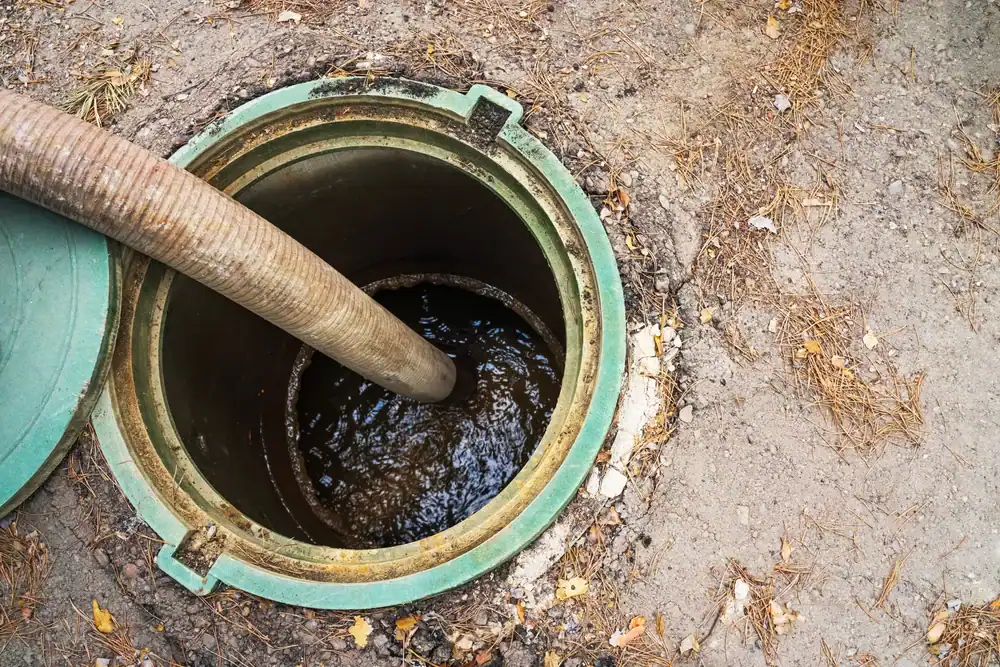
A failing sewer line to cesspool connection doesn’t just cause slow drains. It leads to sewage backing up into your home, standing water in your yard, and contamination that puts your family’s health at risk.
When the pipe pitch and slope are wrong—or when roots crack through old clay pipes—waste can’t flow the way it should. That’s when you start seeing toilets that won’t flush, sinks that gurgle, and wet spots near your cesspool that smell like a nightmare.
Line changes fix the root cause. New pipes installed at the correct slope mean waste moves efficiently from your home to your cesspool without pooling, backing up, or leaking into the soil. You’re not just patching a problem—you’re eliminating the conditions that caused backups and pipe failure in the first place.
We know what older Sag Harbor properties deal with. Many homes here were built decades ago with cesspool systems that weren’t designed for modern water usage. Add in sandy soil, seasonal property demands, and aging infrastructure, and you’ve got a recipe for line failure.
We’re licensed, insured, and local. That means we understand Suffolk County regulations, know which permits you’ll need, and can navigate the quirks of historic properties without tearing up half your yard. When we say we’ve seen it before, we mean it—and we know how to fix it right the first time.
First, we locate your existing line and assess the damage. That usually involves a video camera inspection so we can see exactly where the problem is—cracks, root intrusion, collapsed sections, or improper slope. No guessing.
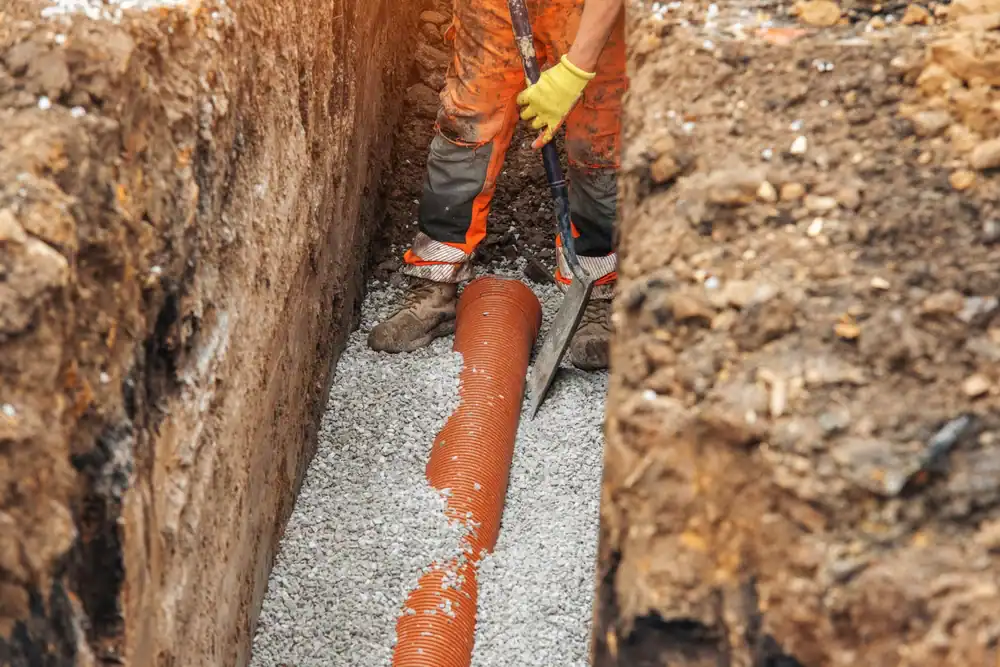
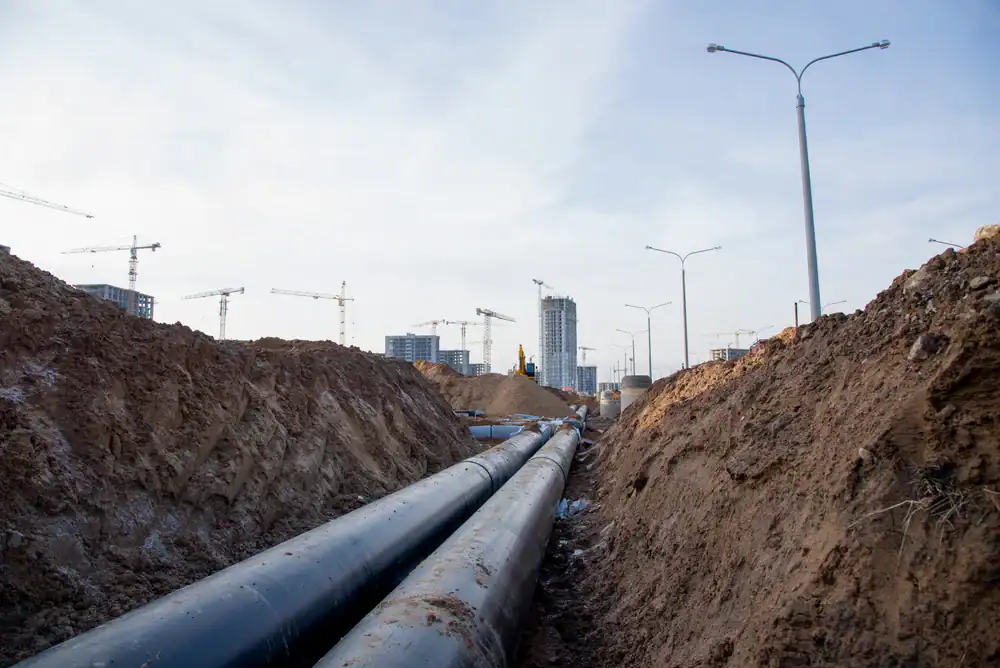
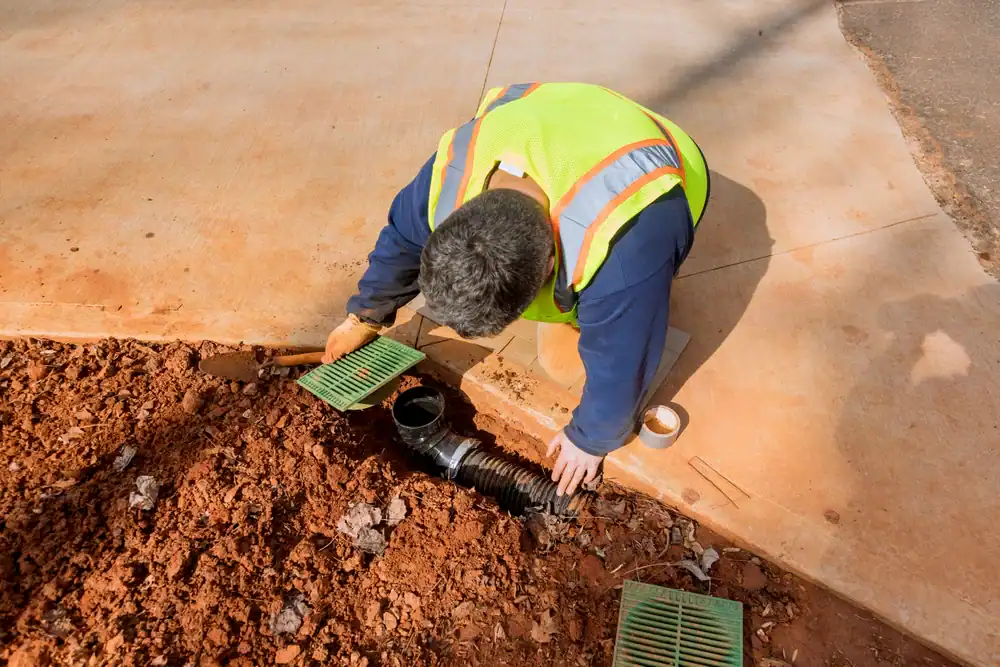
Next comes trenching and excavation. We dig down to expose the damaged section, which typically runs from your home’s main drain out to the cesspool. Depending on your property layout and how deep the line sits, this can mean anywhere from a few feet to several yards of trench work.
Then we remove the old pipe and install new PVC or other approved materials at the correct pitch—usually a quarter-inch drop per foot. Proper slope is everything. Too flat and waste won’t flow. Too steep and solids separate from liquids, causing clogs.
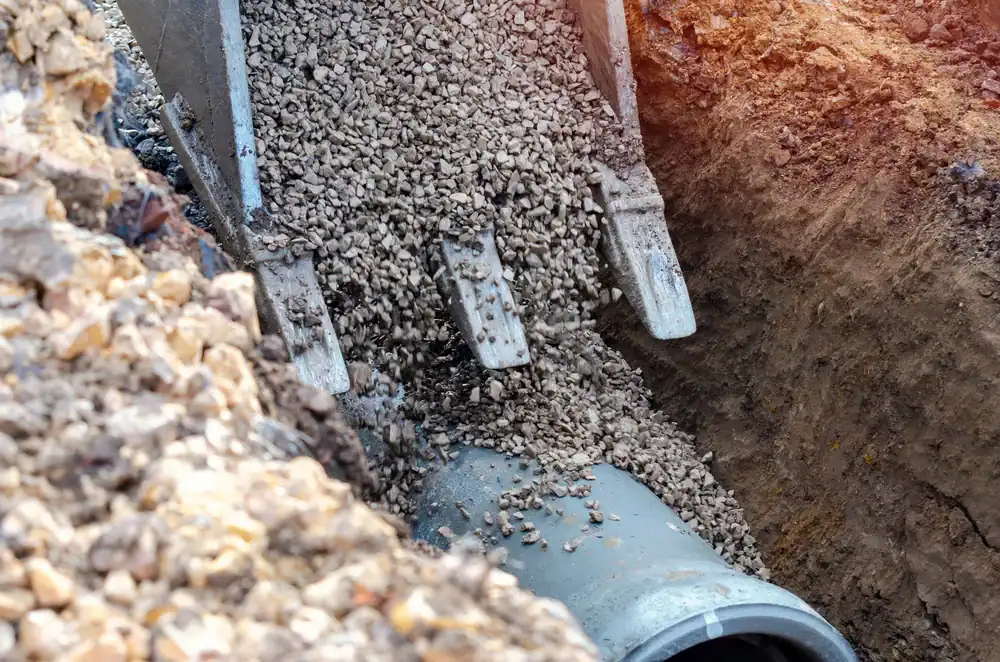
Once the new line is in and connections are secure, we backfill the trench, compact the soil, and restore your yard as close to original condition as possible. The whole process typically takes one to three days depending on distance, access, and soil conditions. You’ll have a functioning system that moves waste the way it’s supposed to—no backups, no standing water, no sewage smell.
Ready to get started?
Line changes aren’t just about swapping out pipe. There’s permit coordination with the Town of Southampton, which oversees Sag Harbor’s building codes. We handle that paperwork so you don’t have to chase down approvals or worry about compliance.
You also get a system designed for your property’s specific conditions. Sag Harbor’s sandy soil drains well, but it also shifts—meaning your line needs proper bedding and backfill to prevent future settling or misalignment. We account for that during installation.
If roots were the problem, we’ll address access points where trees or shrubs could invade again. If your cesspool itself is near capacity or showing signs of failure, we’ll let you know before we connect a new line to a system that’s already compromised. Transparency matters when you’re making decisions that affect your home’s functionality and your wallet.
And if your property sees heavy seasonal use—vacation rentals, summer guests—we’ll make recommendations that account for higher-than-average waste flow. A line that works fine for two people year-round might struggle when eight people show up for July and August.
If your line has a single crack or a small root intrusion in one spot, a repair might work. But if you’re dealing with multiple problem areas, a collapsed section, or pipes that are 30-plus years old, a full line change is usually the smarter move.
Old clay or cast iron pipes don’t just fail in one place. Once they start cracking, the rest of the line is often close behind. Patching one section now means you’ll likely be digging again in a year or two when another spot gives out.
A video inspection shows us the full picture. We’ll walk you through what we see and give you an honest recommendation. If a repair makes sense, we’ll say so. If replacing the whole line saves you money and headaches long-term, we’ll explain why.
Cost depends on distance, depth, and access. A straightforward 30-foot line replacement might run a few thousand dollars. A longer run with difficult access, deep excavation, or obstacles like driveways or landscaping can push costs higher.
Sag Harbor properties vary widely. Some have cesspools close to the house with clear access. Others have systems 100 feet away, buried under patios or mature landscaping. The more we have to dig and the more we have to restore afterward, the more labor and materials are involved.
We give you an upfront estimate after assessing your specific situation. No surprises, no padding. You’ll know what you’re paying for and why before we break ground.
Most line changes take one to three days depending on length and complexity. A short, accessible run with cooperative weather can be done in a day. Longer distances, deeper lines, or complications like ledge rock or high groundwater can stretch the timeline.
Permit approval adds time on the front end—usually a week or two depending on the town’s workload. We factor that into scheduling so you’re not left waiting once we’re ready to dig.
During the work itself, your plumbing will be out of service for part of the process. We’ll coordinate with you to minimize disruption and let you know exactly when you’ll need to avoid using sinks, toilets, and drains. Most homeowners plan to be out for the day or make temporary arrangements.
We only dig where the line runs. That’s typically a trench from your home’s main drain connection out to the cesspool—usually three to four feet wide and deep enough to reach the existing pipe.
If your line runs under a driveway, patio, or landscaping, we’ll need to excavate through those areas. We do our best to minimize damage and restore surfaces afterward, but there will be disruption. Asphalt and concrete may need to be cut and repaired. Grass and plantings will need time to recover.
Trenchless methods exist for some situations, but they’re not always viable for full line replacements—especially when the old pipe has collapsed or when we need to correct slope issues. We’ll assess whether trenchless is an option for your property and explain the trade-offs.
Not during active excavation and connection work. Once we disconnect the old line, anything you send down a drain has nowhere to go. That means no toilets, showers, sinks, dishwashers, or washing machines until the new line is connected and tested.
The downtime is usually a matter of hours, not days. We work efficiently to get your system back online as quickly as possible. Most customers plan to be away during the work or make temporary arrangements—use a neighbor’s bathroom, grab a hotel room, or schedule the work when they’re traveling.
Once the new line is in and we’ve tested for leaks and proper flow, you’re back in business. We’ll let you know the moment it’s safe to resume normal water use.
We’ll stop and talk to you before proceeding. If we uncover a failing cesspool, a damaged distribution box, or other issues that weren’t visible during the initial inspection, you need to know before we connect a new line to a compromised system.
Sometimes the cesspool itself is full or structurally unsound. Connecting a new line to a cesspool that’s about to fail doesn’t solve your problem—it just delays it. We’ll explain what we found, what it means for your system’s functionality, and what your options are.
You’re never obligated to move forward with additional work on the spot. We’ll give you time to consider your options and provide a clear estimate for any recommended repairs. The goal is a system that works reliably, not just a line that’s technically new but connected to something that’s already failing.
Other Services we provide in Sag Harbor