
Hear from Our Customers
You’re not dealing with slow drains anymore. No more sewage backing up into your basement or wet spots appearing in your yard where the pipes run underground. The toilets flush normally, the sinks drain fast, and you’re not wondering when the next backup is coming.
That’s what happens when your main waste line actually slopes correctly and connects to your cesspool without leaks or blockages. Most line failures start small—a gurgling drain here, a slow-clearing toilet there. Then one day it’s a full backup and you’re looking at thousands in damage.
Line changes fix the root problem. We replace the failing section, correct the pitch and slope so waste flows the way it should, and make sure your sewer line to cesspool connection is solid. You get a system that works reliably instead of one that’s limping along until the next emergency.
We’ve handled line changes across Suffolk County long enough to know what fails and why. The soil conditions here—clay that slows drainage, high water tables during wet seasons—create specific problems that need local knowledge to fix correctly.
We’re licensed and insured, and we use camera inspection technology before we dig so you’re not paying for guesswork. Most properties in Sagaponack are significant investments, and the last thing you need is someone tearing up your yard without knowing exactly where the problem is.
Our crews show up when we say we will, finish the work without dragging it out, and clean up properly when we’re done. You get straight answers about what’s wrong, what it costs, and how long it takes.
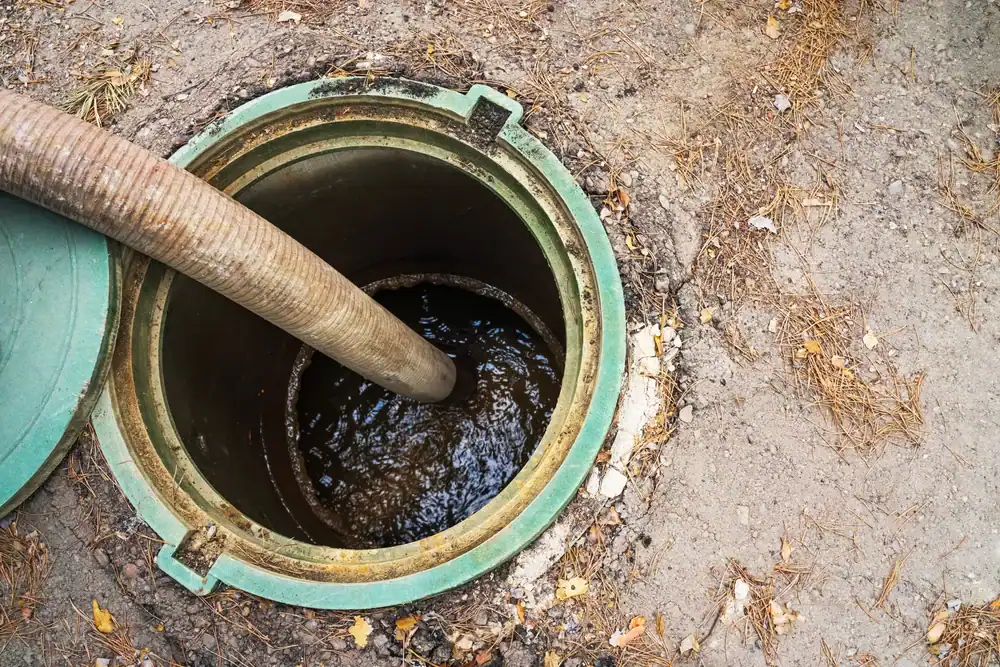
First, we run a camera through your existing line to see exactly what’s failing. Could be a collapsed section, roots breaking through, or just old orangeburg pipe that’s deteriorated past the point of repair. The camera shows us where the problem is and how far it extends.
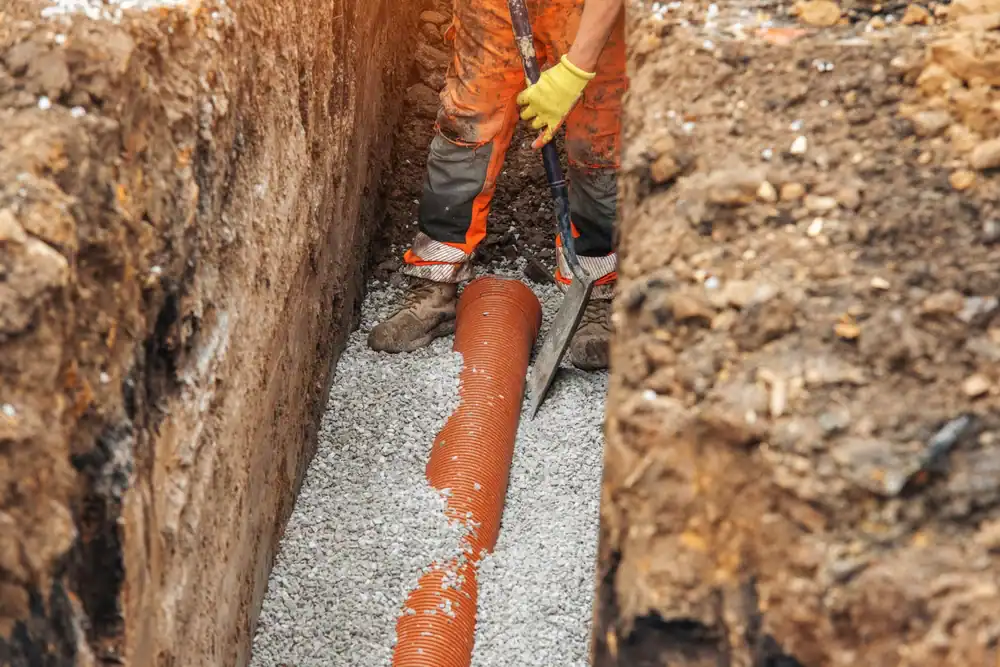
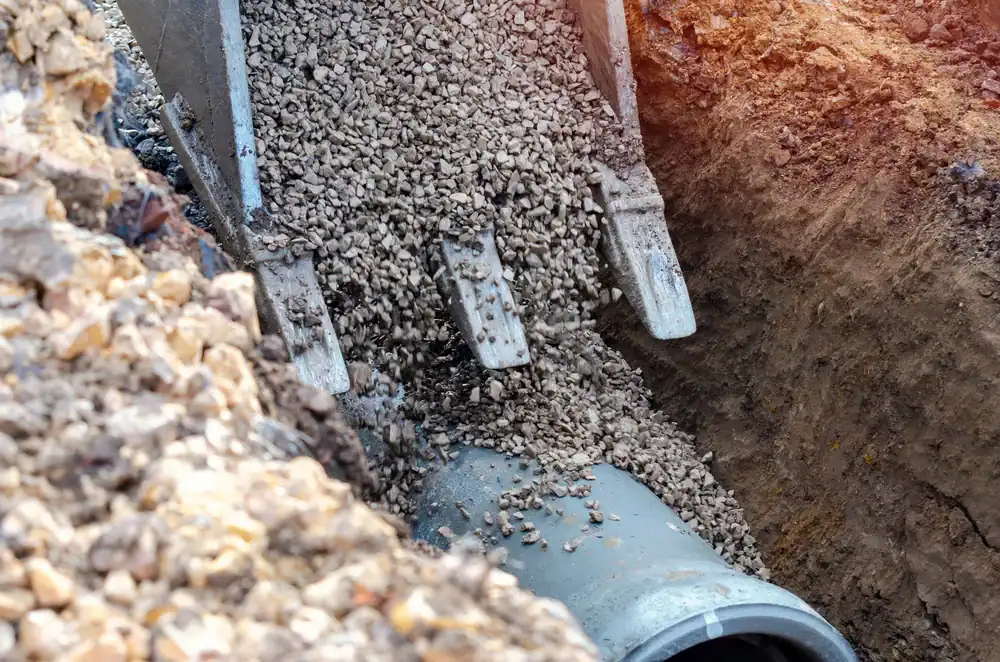
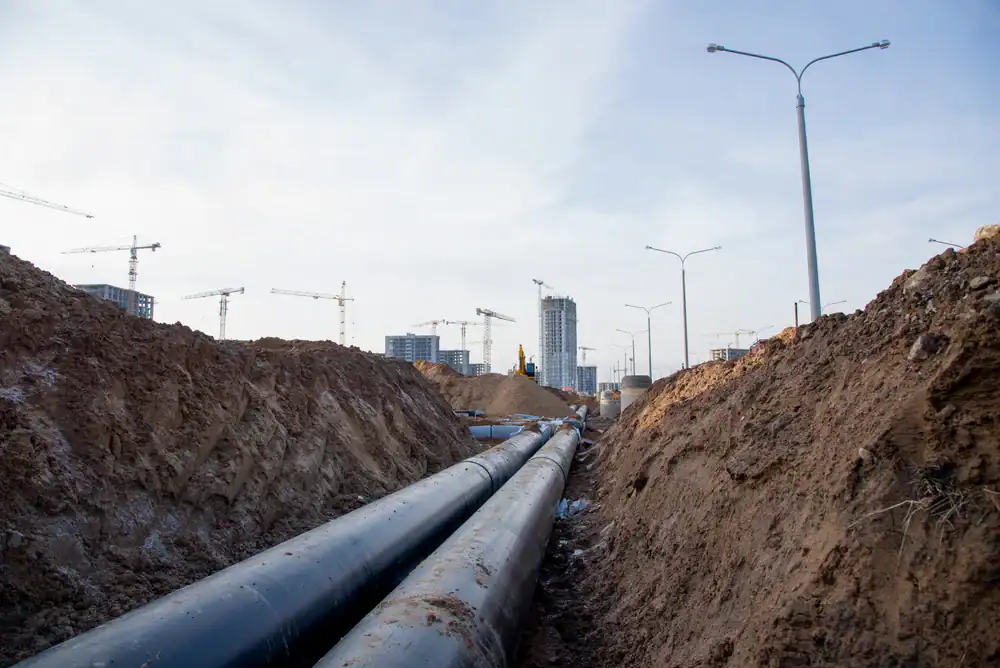
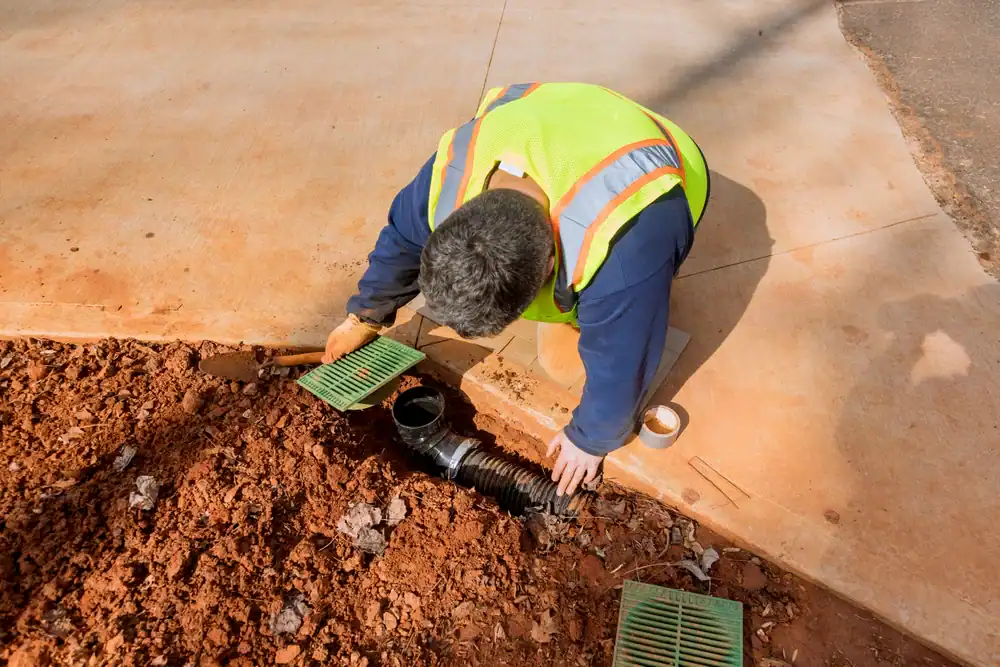
Once we know what we’re dealing with, we handle the trenching and excavation to access the damaged section. We dig only as much as necessary—no tearing up your entire yard when the problem is localized. Then we remove the failed pipe and install new line with the correct pitch and slope so waste flows downhill to your cesspool without pooling or backing up.
The sewer line to cesspool connection gets sealed properly to prevent leaks that contaminate your soil or cause wet areas in your yard. After the new line is in and tested, we backfill the trench and restore the surface. Most line changes finish in a day unless we’re dealing with extensive damage or difficult access.
Ready to get started?
You get camera inspection first so we’re not guessing about what’s wrong. That video shows you the inside of your pipe—the cracks, the collapses, the root intrusions—so you can see why the line needs to be changed. No surprises, no upselling repairs you don’t need.
The actual line change includes excavation, removal of the damaged section, and installation of new pipe with proper slope. We make sure your sewer line connects to your cesspool correctly and test everything before we backfill. If we find other issues while the system is open—like structural damage to your cesspool or problems with your distribution box—we’ll tell you, but we’re not going to push unnecessary work.
Suffolk County has specific regulations about cesspool systems, especially after the 2019 ban on new cesspool installations. If your line change is part of a larger system issue, we’ll walk you through what’s required and what grant programs might be available. Properties in Sagaponack often qualify for financial assistance when upgrading to compliant systems, and we can help you navigate that process.
If your drains are slow or backing up, start with a camera inspection before you decide anything. A cleaning works when the pipe itself is fine but there’s a blockage—grease buildup, roots growing into the line, or something flushed that shouldn’t have been.
A line change becomes necessary when the pipe itself has failed. That means collapsed sections, cracks that let soil in, or old orangeburg pipe that’s deteriorated to the point where it’s no longer round. Cleaning won’t fix structural damage.
The camera tells you which situation you’re dealing with. If we see a blockage in an otherwise intact pipe, we’ll recommend cleaning and save you the cost of excavation. If the pipe is compromised, cleaning is just a temporary fix that’ll fail again soon. Most line failures show clear signs on camera—you’ll see exactly why the pipe needs to be replaced.
Age is the biggest factor. Many properties here have systems that are 40+ years old, and the orangeburg pipe that was common back then doesn’t last forever. It’s made of wood fibers and tar, and it eventually softens and collapses—especially in Suffolk County’s soil conditions.
Tree roots are the other major culprit. They grow toward water sources, and even a small crack in your sewer line is enough to let roots in. Once they’re inside, they expand and break the pipe apart. Properties with mature landscaping see this constantly.
Ground movement and settling can also throw off your pipe’s slope over time. When the pitch isn’t correct, waste doesn’t flow properly and you get pooling that leads to backups. Clay soils here don’t drain as fast as sandy soils, which puts extra stress on systems during wet seasons. High water tables can trigger backups when your cesspool is already saturated and there’s nowhere for the wastewater to go.
Line changes typically run between $500 and $3,000 depending on how much pipe needs replacing and how difficult the access is. That’s significantly less than a full system replacement, which can hit $25,000 or more once you factor in a new cesspool or septic system installation.
The cost depends on depth, length, and what we find when we excavate. A short section of shallow pipe near your house costs less than a long run of deep pipe across your property. If we’re working around landscaping, hardscaping, or tight access areas, that adds time and complexity.
Camera inspection costs $200 to $400 but saves you from paying for the wrong fix. Emergency repairs after a major backup can run $3,000 to $10,000+ when you factor in cleanup and damage restoration. Fixing a failing line before it collapses completely is almost always cheaper than waiting for an emergency.
Yes, because we use camera inspection to pinpoint exactly where the problem is. We’re not digging exploratory trenches hoping to find the issue—we know where it is before we start.
Most line failures are localized to a specific section. Maybe 10 or 20 feet of pipe has collapsed or been invaded by roots, but the rest of the line is fine. We excavate only what needs replacing, install the new section, and restore the surface.
There are situations where the damage is more extensive and we need to replace a longer run of pipe. The camera inspection shows us the full extent before we give you a price. Either way, we’re not tearing up more of your property than necessary to get the job done correctly.
Most line changes finish in one day once we start the work. Camera inspection happens first—that’s usually a couple hours. Then we schedule the excavation and installation based on what we found and your availability.
The actual dig, pipe replacement, and backfill typically take 4 to 8 hours depending on depth and length. Simple jobs with easy access and shallow lines go faster. Deeper lines or difficult access areas take longer.
Weather can affect the timeline if we’re dealing with saturated soil or frozen ground. We’ll let you know upfront if conditions are going to slow things down. Once the new line is in and tested, we backfill the trench and restore the surface the same day. You’re not looking at weeks of disruption—this is a focused repair that gets your system working again quickly.
We’ll tell you what we see and what it means for your system. When we’re excavating to access your line, we can often see the condition of your cesspool or distribution box. If there’s structural damage, significant cracking, or other issues that’ll cause problems down the road, you should know about it.
That doesn’t mean we’re going to push additional work you don’t need right now. Sometimes the smart move is to fix the immediate line failure and plan for other repairs later. Other times it makes sense to address multiple issues while the system is already open and accessible.
We’ll give you options with honest pricing so you can decide what works for your situation and budget. Suffolk County’s regulations require certain upgrades when systems fail, especially with the cesspool installation ban in effect. If your line change triggers compliance requirements, we’ll walk you through what’s mandatory and what’s optional so you can make an informed decision.
Other Services we provide in Sagaponack