
Hear from Our Customers
You’re dealing with a main waste line that’s either failing or already failed. Maybe you’ve had backups. Maybe you’ve noticed slow drains or wet spots in your yard. Maybe a camera inspection showed you cracks, bellies, or root intrusion that can’t be ignored anymore.
Here’s what changes after a proper line replacement: waste flows the way it’s supposed to. Your cesspool connection works without constant worry. You’re not calling someone out every few months to clear the same problem.
The difference comes down to doing it right. That means proper pipe pitch so gravity does its job. It means trenching deep enough to protect the line. It means understanding how Fire Island’s high water table affects installation and what materials hold up in this environment. When the work is done correctly, you get decades of reliable service instead of a temporary patch.
We’ve been handling cesspool and sewer systems across Suffolk County for nearly two decades. That’s four generations of learning what works on Fire Island and what doesn’t.
Saltaire isn’t like mainland properties. You’ve got seasonal usage spikes, environmental regulations, and access challenges that require specific equipment and planning. We’ve done enough line changes here to know how to handle the logistics, the permits, and the actual installation without surprises.
When you’re replacing a sewer line to your cesspool, you want someone who’s seen every type of failure and knows how to prevent it from happening again. That’s what experience gets you.
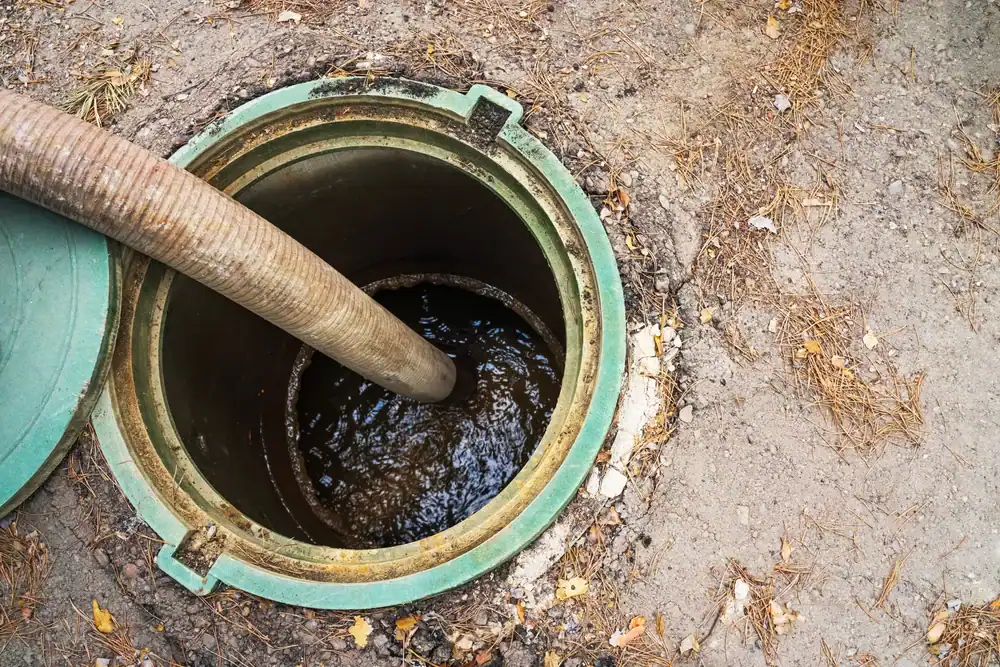
First, we assess the damage. If you haven’t had a camera inspection yet, that’s where we start so you can see exactly what’s wrong and where. No guessing, no upselling repairs you don’t need.
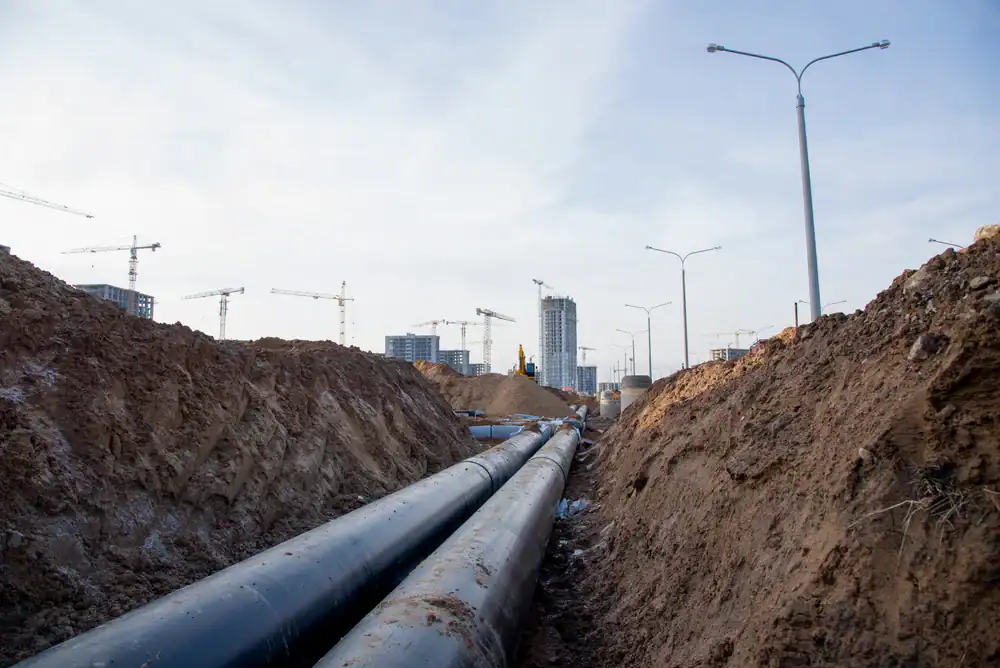
Once we know what we’re dealing with, we plan the excavation route and depth. Most sewer lines run 8 to 18 feet deep, depending on your property layout and where the cesspool sits. We coordinate timing and access to minimize disruption to your property and your neighbors.
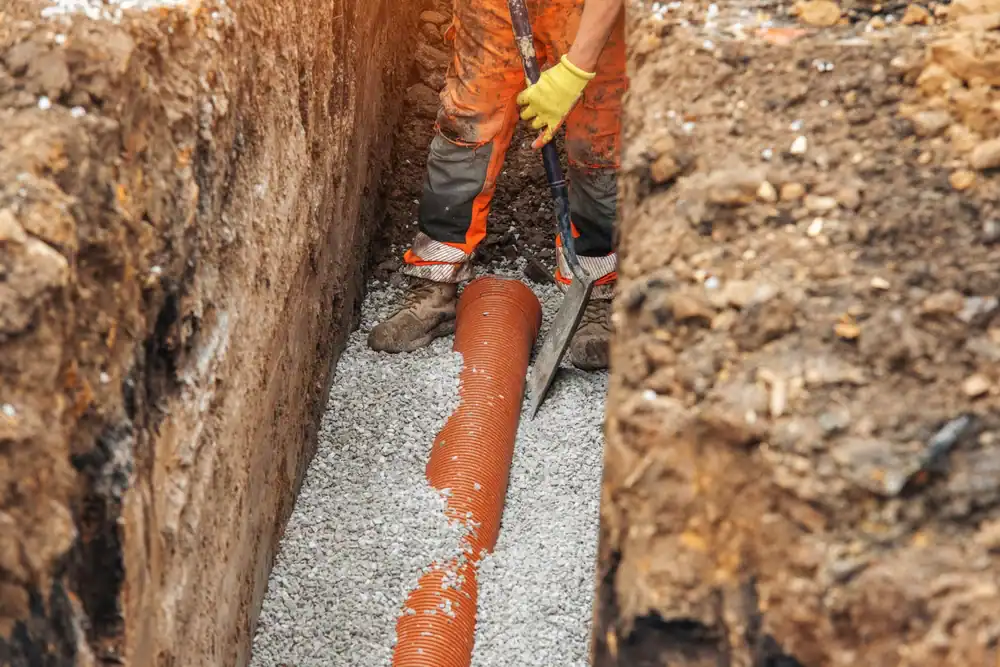
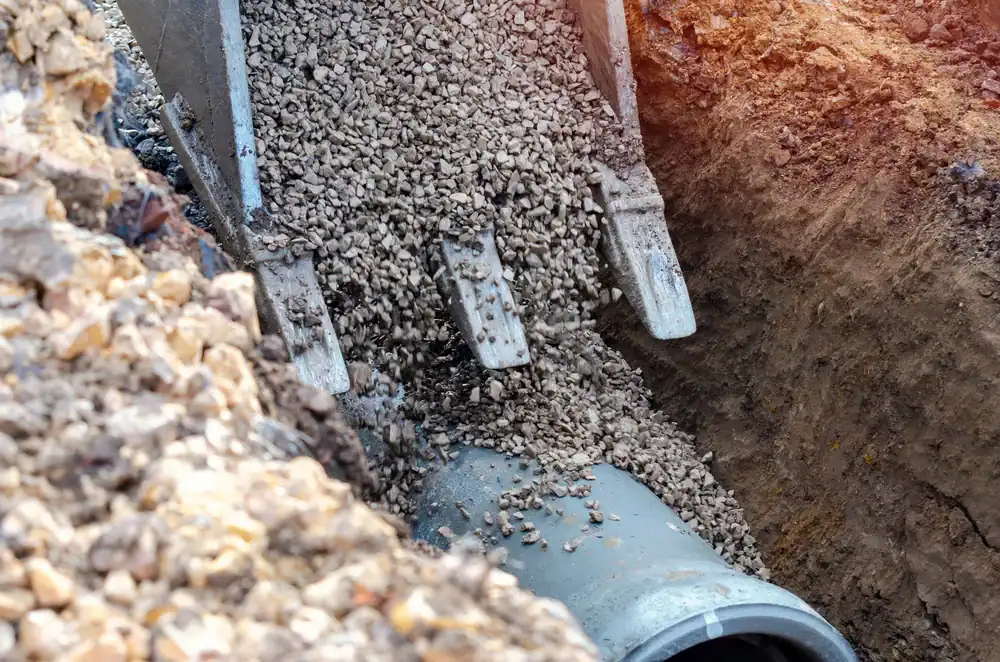
The trenching work comes next. We dig, install trench boxes for safety when needed, and prepare the bedding material. Then we lay new PVC pipe at the correct slope—typically a quarter inch per foot—so waste flows properly without pooling or moving too fast. Every connection point gets checked.
After the new line is in and tested, we backfill carefully and restore your property. You get documentation of the work and recommendations for maintenance timing. The whole process usually takes a few days, depending on distance and site conditions.
Ready to get started?
You’re getting a full replacement from your home’s waste outlet to the cesspool connection. That includes excavation, proper bedding material, new PVC pipe that resists corrosion and root intrusion, and backfilling that won’t settle and cause problems later.
The pipe pitch matters more than most people realize. Too flat and waste pools in the line. Too steep and water runs ahead of solids, leaving them behind. We install at the right slope so gravity does the work it’s supposed to do.
In Saltaire, you’re also dealing with Fire Island’s high water table and environmental regulations. We handle waste disposal according to Suffolk County requirements, transport everything to approved facilities, and pull the necessary permits. The work meets code, and you get documentation proving it.
Fire Island access adds complexity that mainland companies don’t always understand. We size our equipment appropriately, plan routes that work for barrier island properties, and coordinate logistics so the job moves efficiently. You’re not paying for someone to figure it out as they go.
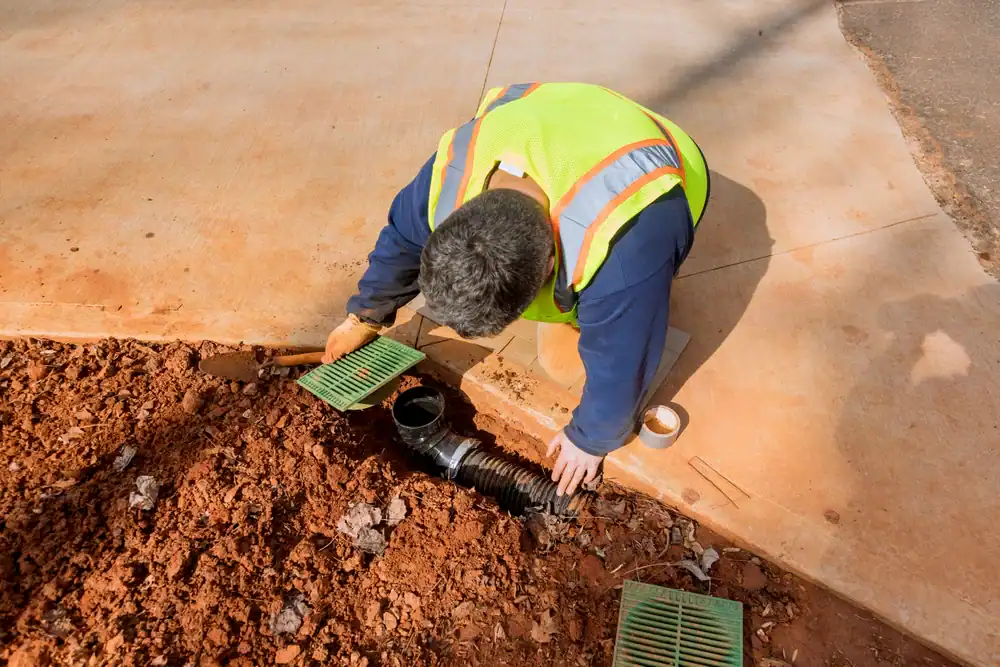
If you’re seeing repeated backups in the same area, that’s usually a sign the problem is structural, not just a clog. Same goes for wet spots in your yard above where the line runs, or if a camera inspection shows cracks, severe root intrusion, or a belly where the pipe has sagged.
A repair makes sense when the damage is localized to one small section and the rest of the line is in good shape. But if your system is older—say 40+ years—or if multiple sections show wear, replacing the whole line prevents you from doing this again in two years.
The camera inspection tells the real story. You’ll see exactly what’s happening inside the pipe, how much damage exists, and whether a patch will actually solve the problem or just delay the inevitable. Most people who try to patch a failing line end up replacing it anyway after the next failure.
Root intrusion is the most common culprit. Tree roots seek out water and nutrients, and even a small crack in your line is an invitation. Once roots get in, they grow fast and create blockages that get worse over time.
Ground shifting is another big one. Fire Island’s sandy soil and high water table mean the ground moves more than on the mainland. If your line wasn’t installed with proper bedding and backfill, it can shift, sag, or develop bellies where waste pools instead of flowing.
Age and material also matter. Older clay or cast iron pipes crack and corrode. Even if they were installed correctly decades ago, they don’t last forever. Seasonal usage spikes stress the system, and if the pipe pitch was wrong from the start, you’ve been fighting an uphill battle the whole time.
Most line changes take two to four days, depending on the distance from your house to the cesspool and what we run into during excavation. Longer runs or difficult site conditions add time, but we’ll give you a realistic timeline upfront.
Fire Island logistics can extend the schedule slightly. Getting equipment to the island, coordinating access, and working around environmental regulations all require planning. We don’t rush the work just to finish faster—proper slope, correct bedding, and solid connections matter more than speed.
You’ll have limited or no use of your plumbing while we’re working, so plan accordingly. If you’re on the island during the work, we’ll coordinate timing to minimize disruption. Most people schedule this during off-season if possible, but we handle emergency replacements year-round when a line fails completely.
The standard slope for sewer lines is a quarter inch of drop per foot of horizontal run. That’s enough for gravity to move waste along without creating problems on either end of the spectrum.
If the slope is too shallow, waste moves slowly and solids settle in the line. You end up with frequent clogs and backups even though the pipe itself is fine. If the slope is too steep, water rushes ahead and leaves solids behind—same problem, different cause.
Bellies are sections where the pipe sags below the correct slope. Water pools there, solids accumulate, and you get a permanent clog point that no amount of snaking will fix long-term. Proper installation with correct bedding prevents bellies from forming. If your current line has them, replacement is the only real fix.
Most sewer line replacements run between $50 and $250 per linear foot, depending on depth, distance, site conditions, and access challenges. A typical residential line change in Saltaire usually falls in the $5,000 to $15,000 range, but that varies significantly based on your specific situation.
Fire Island properties cost more than comparable mainland work because of access logistics, equipment transport, and environmental compliance requirements. You’re paying for expertise that understands barrier island systems and can handle the work without surprises.
The investment makes sense when you consider the alternative. A properly installed line lasts 50 to 100 years. That’s decades without backups, emergency calls, or repeated repairs. Compare that to patching a failing line every couple years, dealing with property damage from backups, or facing a complete system failure during peak season when you least want to handle it.
Yes, but off-season is usually better if you have the option. Summer means more people on the island, busier schedules, and you’ll need to plan around not having full plumbing access for a few days during peak usage time.
That said, line failures don’t wait for convenient timing. If your system fails during summer, we handle emergency replacements year-round. We’ll work with you to minimize disruption and coordinate the schedule around your needs as much as possible.
Fire Island access and permits don’t change with the season, but logistics get more complex when the island is busy. We factor that into planning and give you realistic expectations upfront. Most people prefer to schedule planned replacements during spring or fall when there’s less pressure on timing and more flexibility for both sides.
Other Services we provide in Saltaire