
Hear from Our Customers
Your drains empty like they should. No more standing water in the yard. No sewage smell creeping into your home when someone takes a shower.
That’s what proper pipe pitch and slope gets you. When your main waste line replacement is done correctly, water flows downhill without pooling, backing up, or sitting in low spots where it breeds problems. You’re not calling someone back in six months because the job was rushed.
Most backups and pipe failure happen because the original line wasn’t installed with the right grade or the pipes have finally given out after decades in sandy Long Island soil. You’ll know it’s time when your toilets drain slow, your basement smells off, or you’ve got a wet spot in the lawn that won’t dry. Those aren’t things you ignore.
We handle line changes across Sayville and the surrounding Suffolk County area because we understand how cesspool systems work in this specific environment. Sandy soil, high water tables, older homes with aging infrastructure—we’ve seen it all.
We’re licensed and insured, and we don’t leave until the job’s done right. That means proper trenching and excavation, correct pipe pitch, clean connections, and a system that passes inspection the first time. You’re not getting an estimate that doubles halfway through or a crew that disappears for a week between visits.
When your sewer line to cesspool connection needs replacing, you want someone who shows up on time, does the work, and doesn’t overcomplicate it. That’s what we do.
First, we assess the existing line to figure out where the problem is. Sometimes it’s a collapsed section. Sometimes it’s roots. Sometimes the whole thing needs replacing because it was never installed with the right slope to begin with.
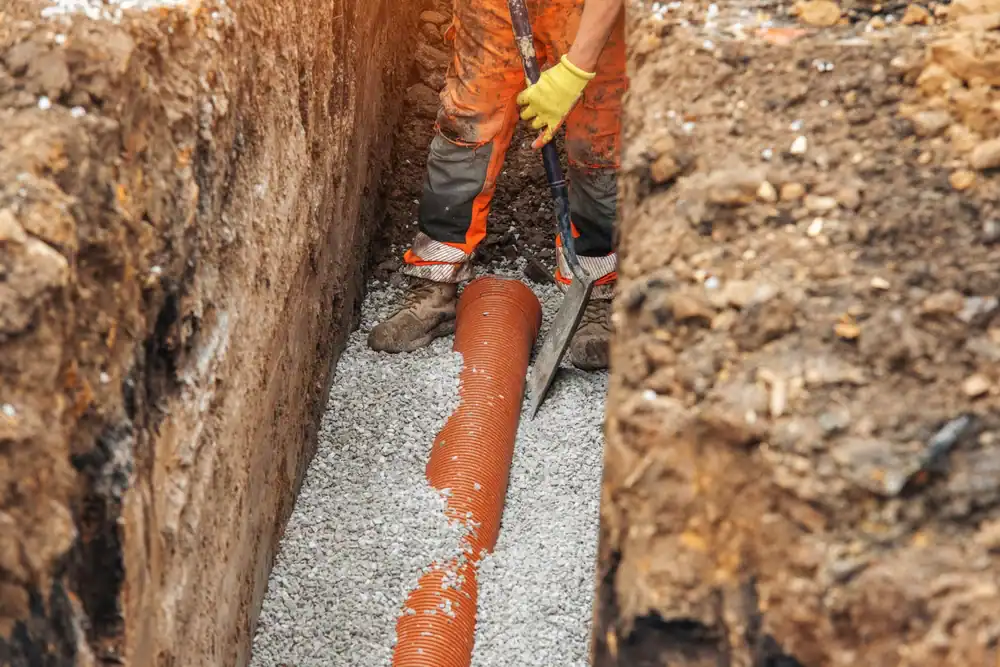
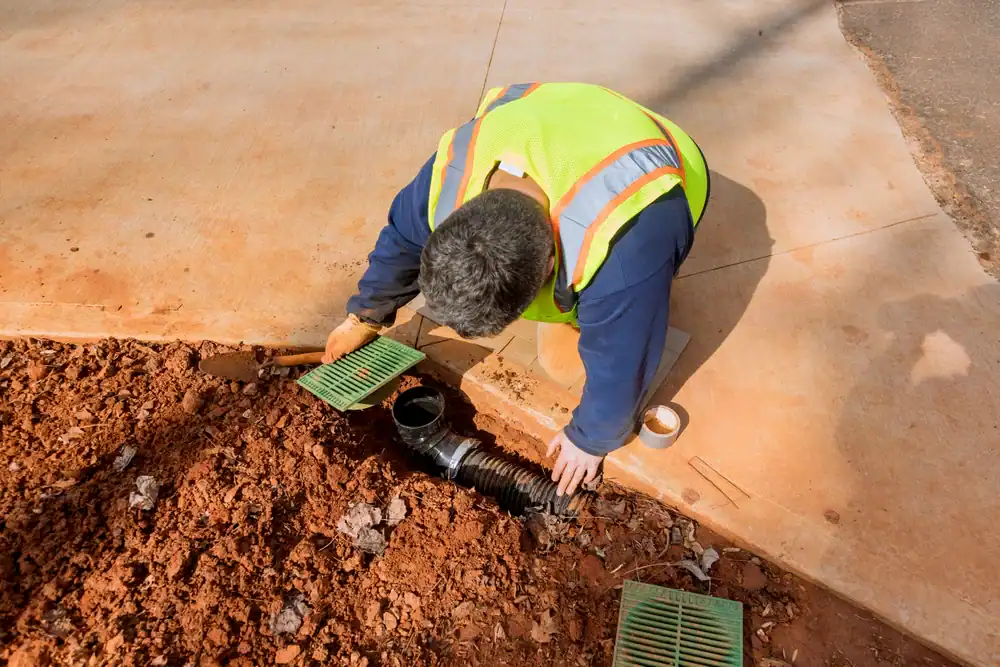
Once we know what we’re dealing with, we handle the trenching and excavation to expose the line. We’re careful about your property—no unnecessary tearing up of landscaping or driveways. The old pipe comes out, and we install the new main waste line with the correct pipe pitch and slope so gravity does its job.
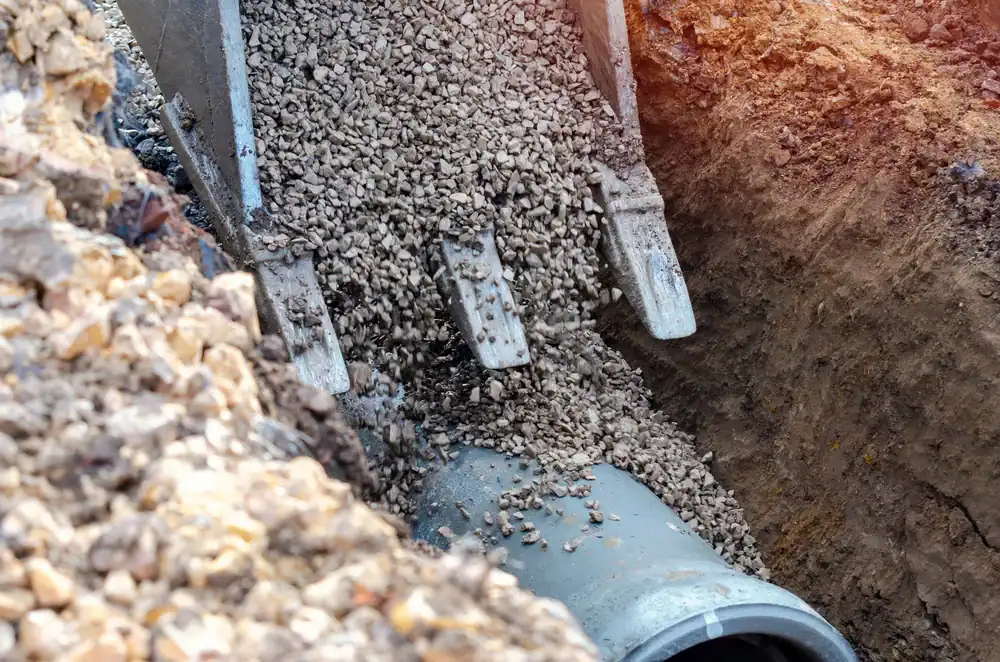
After the line’s in, we connect it properly to your cesspool, backfill the trench, and compact everything so you don’t end up with a sunken mess in your yard six months later. Then we test it. Water flows, drains clear, no backups. That’s when we’re done.
The whole process usually takes a day or two depending on the length of the run and what we find underground. You’ll know the timeline upfront, and we’ll walk you through anything that changes as we go.
Ready to get started?
You’re getting a main waste line that’s sized correctly for your home and installed with the proper grade so wastewater moves efficiently from your house to your cesspool. No dips, no bellies, no sections where waste sits and causes clogs.
In Sayville, most homes sit on sandy soil, which is actually good for drainage but rough on older pipes. Tree roots work their way into joints, cast iron corrodes, and clay pipes crack under pressure. When we replace your line, we’re using materials that hold up better long-term and installing them in a way that accounts for how soil shifts and settles here.
We also make sure your sewer line to cesspool connection is watertight and meets Suffolk County Health Department standards. That matters when you’re selling your home or if an inspector ever takes a look. You won’t have to redo anything because it wasn’t done to code the first time.
If there’s a permit required, we handle that. If there’s ledge or unexpected groundwater, we deal with it. You’re not stuck managing the details—that’s our job.
If you’re dealing with a single clog or a small crack in one section, a repair might be enough. But if your line is old cast iron or clay, if you’ve had multiple backups in the same area, or if tree roots have infiltrated several sections, replacing the whole line usually makes more sense.
Patching an old pipe just buys you time. You’ll be back in the same spot in a year or two when another section fails. A full main waste line replacement gives you decades of reliable service instead of constantly reacting to the next problem.
We’ll inspect the line and tell you honestly what makes sense. Sometimes a camera inspection shows the pipe’s still in decent shape and a targeted fix works. Other times, you can see the whole thing’s compromised and replacing it now saves you from three emergency calls down the road.
Age is the biggest factor. Older pipes made from cast iron or clay eventually corrode, crack, or separate at the joints. Tree roots are the second most common cause—they find even the smallest opening and grow into the line, causing blockages and breaks.
Ground movement also plays a role, especially in areas with sandy soil like Sayville. As soil shifts and settles over time, pipes can sag or separate if they weren’t installed with enough support or proper bedding material. Poor installation from the start—wrong slope, bad connections, undersized pipe—will catch up with you eventually.
Once the connection between your main line and cesspool starts leaking or backing up, it’s not something that fixes itself. You’re looking at either a repair if the damage is localized or a full line change if the problem’s widespread. Ignoring it just means sewage ends up where it shouldn’t.
Most residential line changes in Sayville take one to two days depending on the length of the run, soil conditions, and what we encounter underground. If it’s a straightforward replacement with no surprises, we can often finish in a day.
If we hit ledge, need to work around utilities, or the existing line is deeper than expected, it might stretch into a second day. We’ll give you a realistic timeline after we assess the site, and we’ll let you know immediately if anything changes once we start digging.
You’ll have full use of your plumbing again as soon as the new line is connected and tested. We don’t leave jobs half-finished or drag them out over a week. You’re not waiting around wondering when your drains will work again.
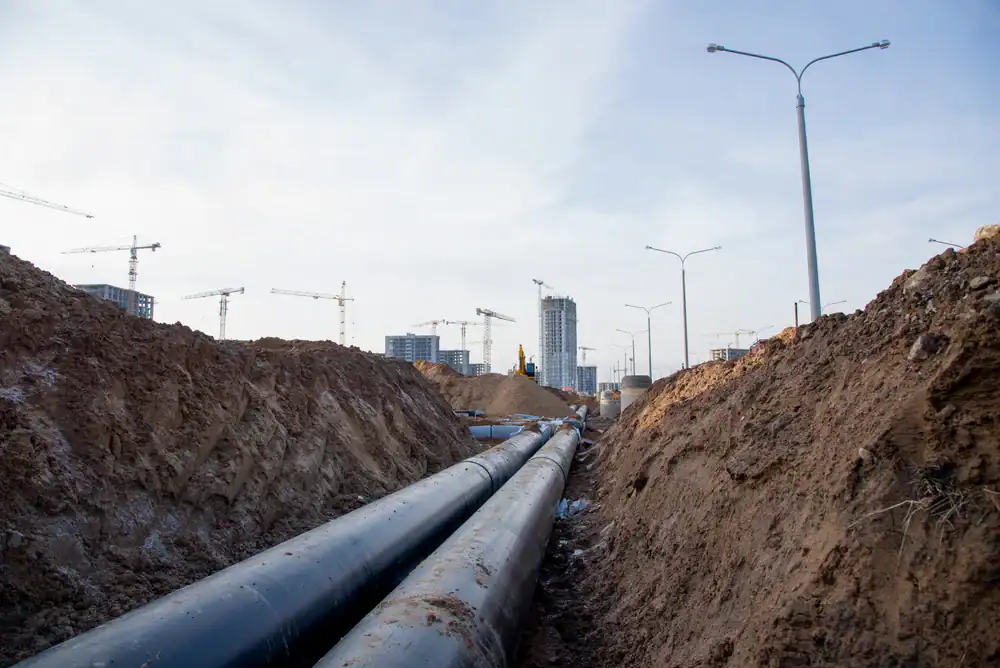
We trench only where the line runs, so you’re not looking at your whole property dug up. The trench is typically 18 to 24 inches wide and follows the path from your house to the cesspool. We mark utilities first and work carefully to avoid damaging anything else underground.
Once the new line is in and tested, we backfill the trench and compact the soil properly so you don’t end up with a sunken strip across your lawn later. If we need to cut through a driveway or patio, we’ll restore it or coordinate with a paving contractor if that’s what you prefer.
Most homeowners are surprised at how contained the work area is. Yes, there’s digging involved—that’s unavoidable when you’re replacing an underground pipe—but we’re not tearing up more than necessary. Your yard won’t look like a construction zone for weeks.
The standard slope for a sewer line is 1/4 inch per foot, which means for every foot of horizontal run, the pipe drops a quarter inch. That grade keeps wastewater moving without flowing so fast that solids get left behind or so slow that everything sits in the pipe.
If the slope is too shallow, waste doesn’t drain properly and you get clogs. If it’s too steep, liquids run ahead of solids and you end up with buildup. Getting the pitch right is one of those things that separates a line that works for decades from one that causes problems constantly.
In Sayville, where most properties have sandy soil and relatively flat terrain, we sometimes need to adjust the depth of the cesspool connection or the starting point at the house to achieve the right grade. That’s part of the planning process before we dig. You won’t have drainage issues later because we eyeballed it.
In most cases, yes. Suffolk County requires permits for work involving cesspool systems, including main waste line replacement and connections. The permit process ensures the work meets health and safety codes, which protects you and keeps your property compliant.
We handle the permit application as part of the job. You’re not running to the Health Department or figuring out what paperwork is needed. We submit the plans, schedule the inspection, and make sure everything passes the first time.
Skipping the permit might seem like it saves time or money, but it creates problems when you sell your home or if there’s ever an issue with your system. Unpermitted work can hold up a sale or require expensive corrections down the line. It’s not worth the risk.
Other Services we provide in Sayville