
Hear from Our Customers
A properly installed waste line means sewage flows where it should, when it should. No backups during dinner parties. No emergency calls on weekends. No standing water in your yard that makes neighbors ask questions.
The difference comes down to pipe pitch and slope. If your line isn’t installed at the right angle, waste doesn’t flow—it sits, builds up, and eventually backs into your home. When we handle line changes in Sea Cliff, NY, the pitch is measured, the excavation is done right, and your system actually works.
You’re not just avoiding the next backup. You’re protecting your property value, staying compliant with Nassau County’s environmental regulations, and eliminating the kind of stress that keeps you up at night wondering if today’s the day something goes wrong.
We’ve been handling line changes and waste system work in Sea Cliff, NY for over two decades. Four generations of family experience means we’ve seen what fails, what lasts, and what causes problems three years down the road.
We’re not a corporate franchise reading from a script. We’re owner-operated, licensed, and insured—and we’ve worked in enough Sea Cliff properties to know how the soil behaves, where the water table sits, and what Nassau County inspectors actually look for.
When you call, you’re talking to people who’ve done this work since before you had to worry about it. That’s the difference between a line change that holds up and one that becomes your problem again in five years.
First, we assess the existing line to figure out where the failure is and what caused it. Most line problems come from improper slope, root intrusion, or pipes that were never installed correctly in the first place. We locate the issue, mark the area, and plan the excavation route to minimize disruption to your property.
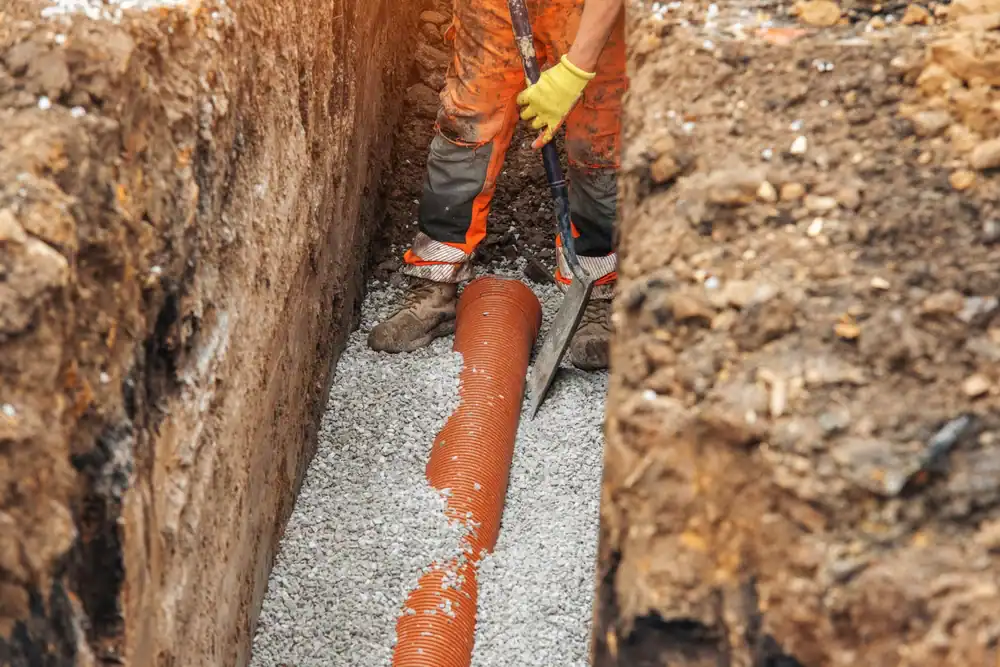
Next comes trenching and excavation. We dig down to expose the damaged section, remove the old pipe, and prepare the trench bed. This is where most companies cut corners—if the trench isn’t level and the bedding isn’t right, your new line won’t last. We take the time to do it correctly.
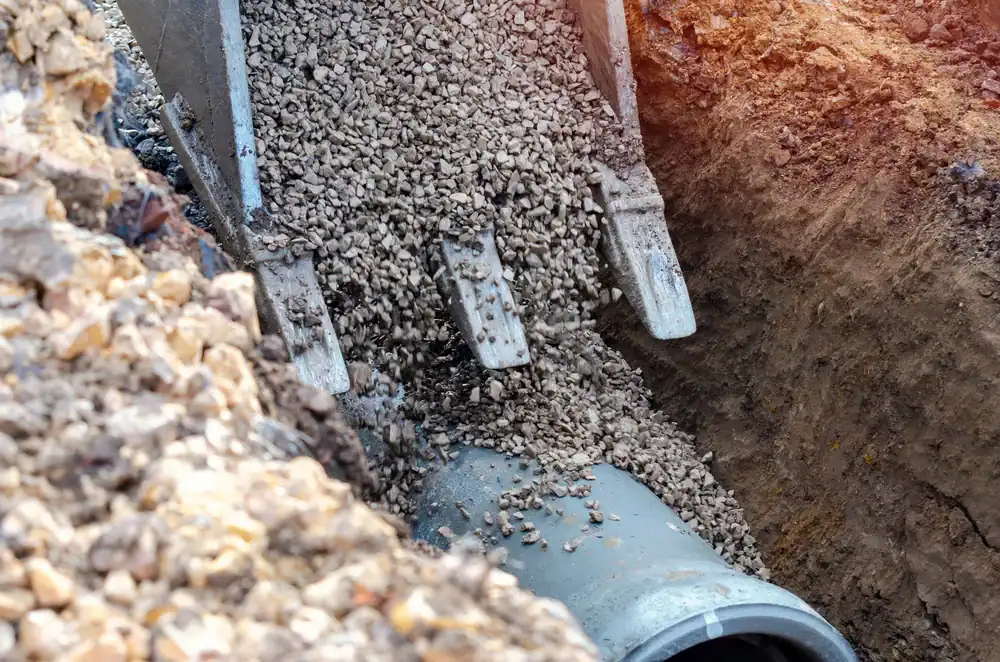
Then we install the new pipe with proper pitch and slope. Waste needs gravity to flow, and that means precise angles. We connect the new line to your cesspool or sewer system, backfill the trench, compact the soil, and restore your yard. Before we leave, the system is tested to make sure everything flows the way it should.
You’re left with a waste line that works, a yard that’s put back together, and no more wondering when the next backup is coming.
Ready to get started?
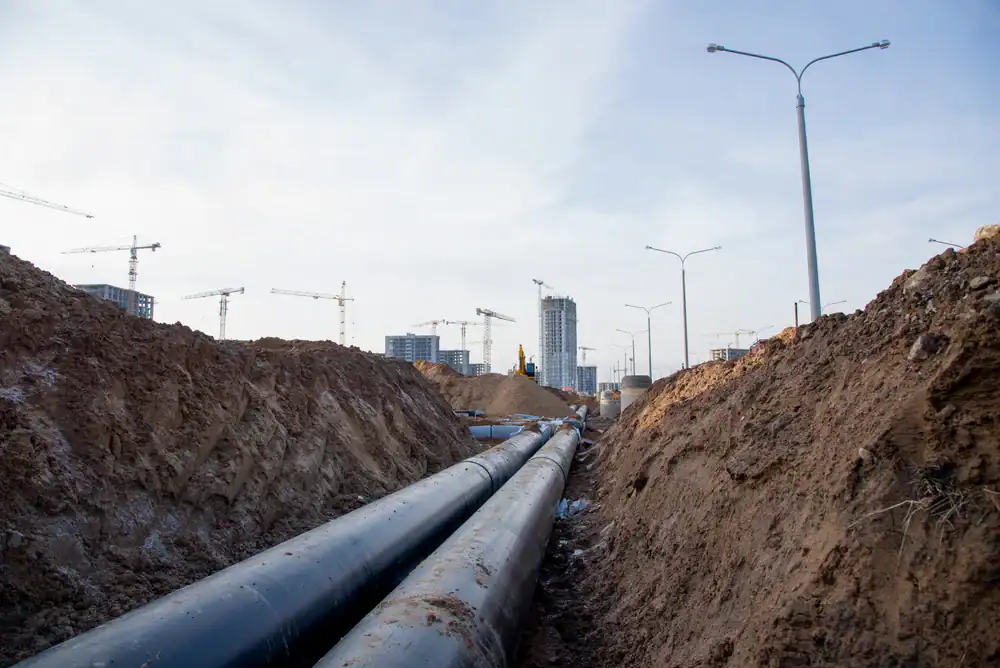
When we handle line changes in Sea Cliff, NY, you’re getting complete main waste line replacement—not a patch job that buys you six months. That includes excavation, removal of the old pipe, installation of new piping with correct pitch and slope, and proper connection to your cesspool or sewer system.
We also handle sewer line to cesspool connections when you’re upgrading or replacing your system. If you’re switching from an old cesspool to a compliant septic system, the line work has to be done right or the whole system fails. Same goes if you’re connecting to municipal sewer—Nassau County has strict requirements, and we know what passes inspection.
Sea Cliff sits on unique soil conditions with a high water table, which affects how we approach trenching and excavation. We account for groundwater, plan for proper drainage around the new line, and make sure the installation won’t shift or settle over time. You’re not just getting a new pipe—you’re getting a system that’s built to handle the specific conditions of your property.
If your line change qualifies as part of a larger system upgrade, we can also help you navigate Nassau County’s S.E.P.T.I.C. grant program. That’s up to $20,000 in funding for nitrogen-reducing systems, and line work is often part of the scope.
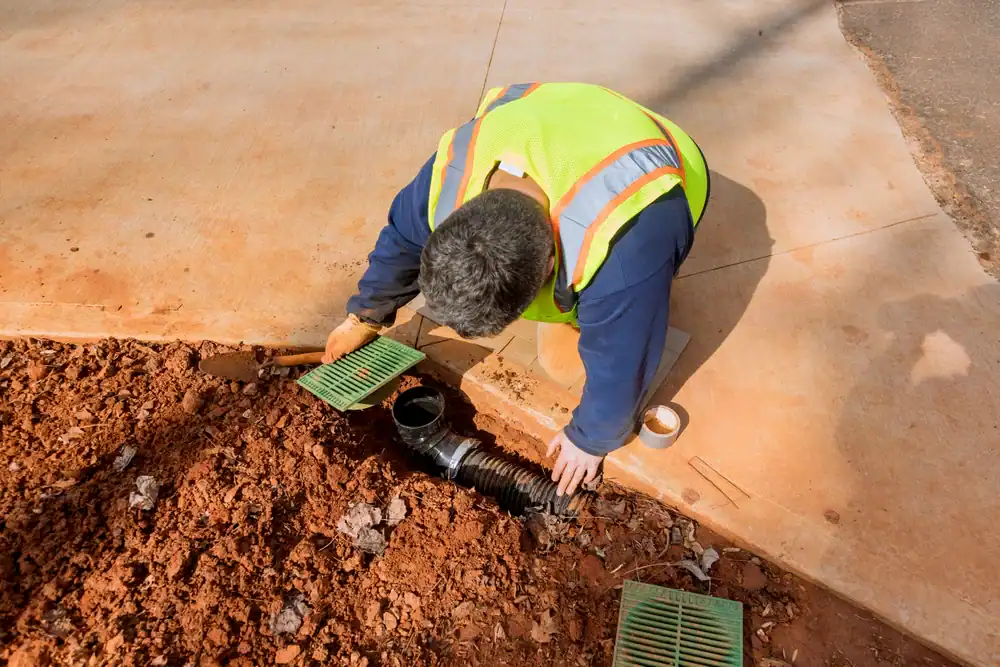
If your line has a single crack or a small section damaged by roots, a repair might be enough. But if you’re dealing with repeated backups, multiple problem areas, or a line that’s old and deteriorating, a full line change is the smarter move.
Patching a failing line is like putting a band-aid on a bigger issue. You might get another year or two, but you’re still working with old pipe that’s going to fail again. A line change replaces the entire section from your home to the cesspool or sewer connection, so you’re starting fresh with materials that last.
We’ll assess your situation honestly. If a repair makes sense, we’ll tell you. If you’re throwing money at a line that’s going to keep failing, we’ll tell you that too. Most homeowners in Sea Cliff, NY who’ve dealt with multiple backups end up wishing they’d done the line change sooner instead of paying for emergency calls every few months.
Waste doesn’t flow uphill. If your line doesn’t have the right slope, sewage sits in the pipe instead of draining into your cesspool or sewer system. That leads to clogs, backups, and eventually a complete blockage that floods your basement or yard.
The standard pitch for waste lines is about a quarter-inch drop per foot of pipe. Too steep, and liquids flow faster than solids, leaving waste behind. Too shallow, and nothing moves. Both scenarios cause problems, and both require excavation to fix.
When we install a new line, we use a level to confirm the slope is correct along the entire run. It’s not something you eyeball or guess at—it’s measured. That’s the difference between a line change that works for decades and one that becomes your problem again in a few years. If you’re in Sea Cliff, NY and you’ve had recurring backups even after a “repair,” there’s a good chance the slope was never right to begin with.
Most line changes take one to three days depending on the length of the run, soil conditions, and how deep we need to dig. We’re not tearing up your entire property—just the trench path from your home to the cesspool or sewer connection point.
Trenching and excavation will leave a visible path while we’re working, but we backfill and compact the soil once the new line is in. Grass and landscaping can be reseeded or replanted after the job is done. If you have pavement or hardscaping in the way, we’ll cut and remove what’s necessary, then restore it once the line is installed.
The goal is to get in, do the work right, and get out without turning your yard into a construction zone for weeks. In Sea Cliff, NY, where properties are close together and yards are smaller, we’re especially careful about minimizing disruption. You’ll have a functional waste line and a yard that’s put back together—not a mess that sits unfinished.
Yes, if municipal sewer is available on your street in Sea Cliff, NY, you can connect to it. That requires a sewer line to cesspool connection replacement—basically, we disconnect your home’s waste line from the cesspool and reroute it to the municipal sewer system.
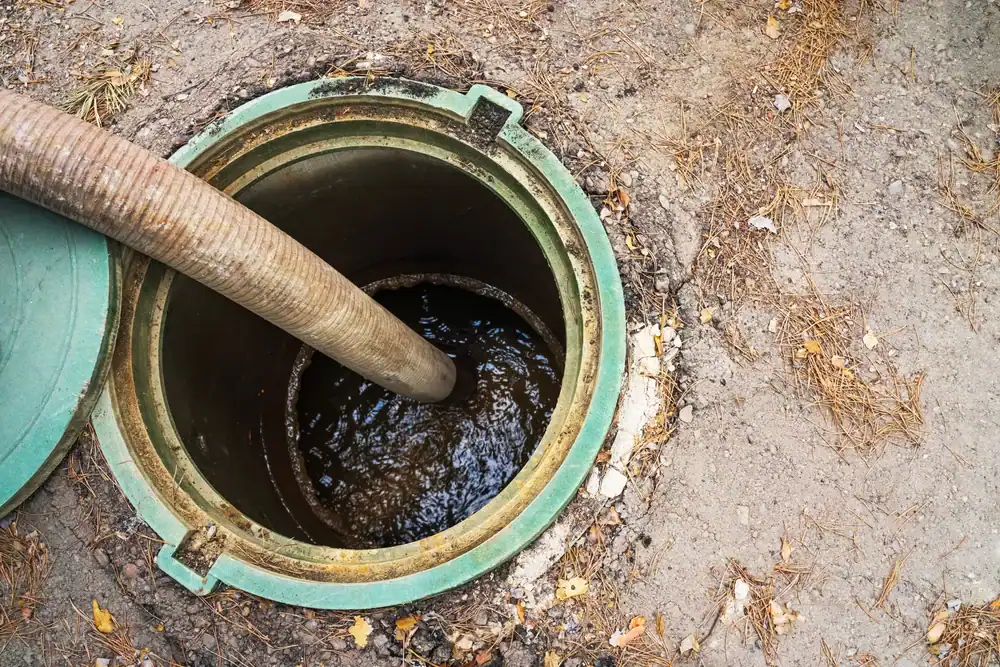
This is a common upgrade for homeowners who want to eliminate cesspool maintenance or who are dealing with aging systems that no longer meet Nassau County’s environmental standards. The process involves trenching from your home to the sewer main, installing the new line with proper pitch and slope, and getting the connection inspected and approved by the county.
Keep in mind that connecting to municipal sewer comes with its own costs—hookup fees, permits, and sometimes assessments from the local sewer district. But once you’re connected, you’re done with cesspool pumping, system failures, and the environmental concerns that come with older waste systems. We handle the entire process, from permits to final inspection, so you’re not navigating Nassau County’s requirements on your own.
Most line failures come down to age, improper installation, or root intrusion. Older pipes—especially clay or cast iron—crack and deteriorate over time. Tree roots grow into those cracks looking for water, and once they’re in, they expand and break the pipe apart.
Improper installation is the other big culprit. If the original line wasn’t installed with the right pitch and slope, waste doesn’t flow correctly. That leads to buildup, clogs, and eventually a backup. Ground settling, heavy vehicle traffic over the line, and freeze-thaw cycles in Sea Cliff, NY winters can also cause pipes to shift or crack.
Once a line starts failing, it doesn’t get better. Small cracks turn into big breaks. Minor backups become major sewage floods. The longer you wait, the worse the damage gets and the more expensive the fix becomes. A line change replaces the problem section entirely, so you’re not dealing with the same issue again in six months.
Line changes can qualify as part of a larger system upgrade under Nassau County’s S.E.P.T.I.C. grant program, which offers up to $20,000 for nitrogen-reducing septic system installations. If you’re replacing your cesspool with a compliant septic system, the line work is often included in the scope of the project.
The grant is designed to help homeowners upgrade failing or outdated waste systems that contribute to groundwater contamination. If your line change is part of that upgrade—like connecting a new septic system or rerouting lines to meet current environmental standards—it may be covered under the grant funding.
We can help you figure out if your project qualifies and assist with the application process. Nassau County’s requirements are specific, and the paperwork can be confusing if you’re doing it on your own. If you’re in Sea Cliff, NY and you’re already looking at a system upgrade, it’s worth exploring the grant option before you pay out of pocket for work that could be partially or fully funded.
Other Services we provide in Sea Cliff