
Hear from Our Customers
Your drains flow freely again. Your toilets flush without hesitation. Your property stays compliant with Suffolk County regulations that have gotten stricter since 2019.
That’s what proper line changes give you. Not just a temporary fix, but a main waste line replacement that handles your household waste the way it should—efficiently, safely, and without the constant worry of another backup next month.
You’re not dealing with slow drains anymore. You’re not watching water creep up from your shower drain while you’re trying to get ready for work. You’re not calling emergency plumbers at 9 PM because your system failed again. The right sewer line to cesspool connection, installed with proper pipe pitch and slope, means your waste moves where it needs to go, when it needs to go there.
We’ve worked in Setauket and across Suffolk County long enough to know what fails and why. We’ve seen what happens when lines are installed without the right slope. We’ve dug up connections that were never done to code in the first place.
Most properties in Setauket aren’t connected to public sewers. You’re relying on your cesspool system to handle everything, and when the lines connecting your home to that system fail, you need someone who knows Suffolk County’s soil conditions, permit requirements, and the regulations that changed in 2019. We’re licensed, insured, and we’ve handled enough line changes in this area to know what works and what doesn’t.
First, we assess the damage. We locate where your line has failed—whether it’s a collapsed pipe, a connection issue, or improper pitch that’s causing backups. You’ll know exactly what’s wrong before we start digging.
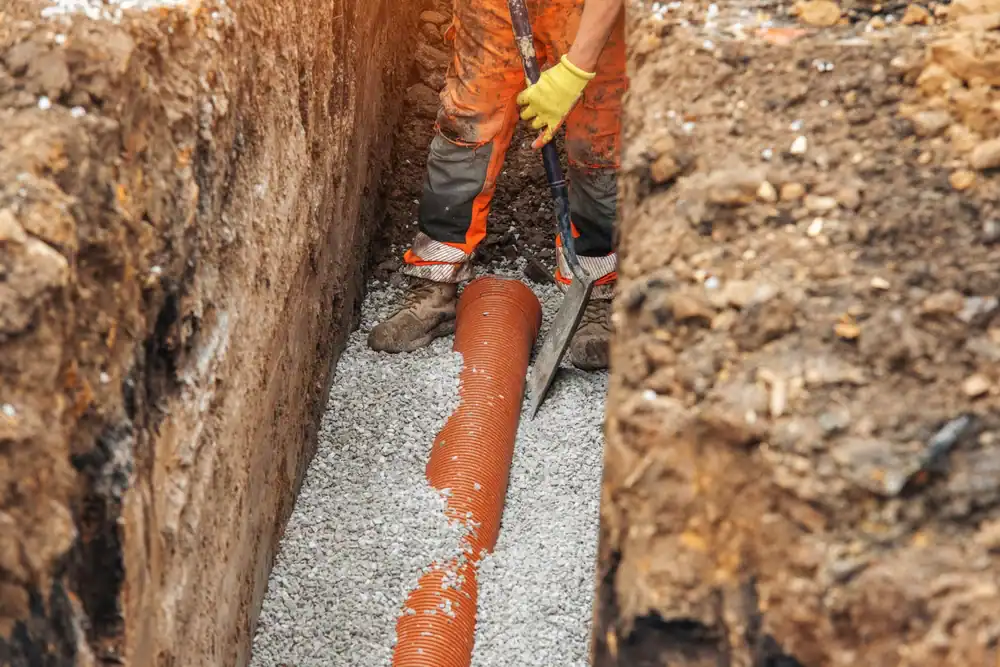
Then comes the trenching and excavation. We access the failed section of your waste line with the right equipment, minimizing damage to your property. This isn’t about tearing up your entire yard. It’s about getting to the problem efficiently.
We remove the old, failed line and install new piping with the correct pipe pitch and slope. This matters more than most people realize. Too flat, and waste doesn’t flow. Too steep, and liquids move faster than solids, causing clogs. We make sure your new sewer line to cesspool connection is installed to code and built to last.
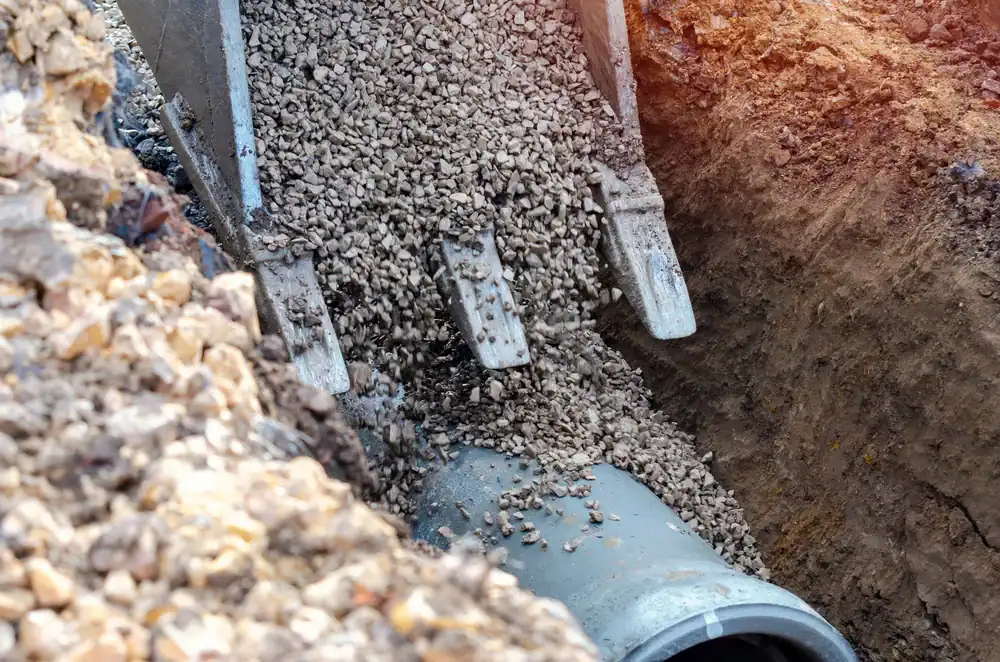
Once the new line is in place, we test it, backfill the trench, and restore your property as close to its original condition as possible. You’re left with a functioning system that moves waste properly.
Ready to get started?
You’re getting a complete main waste line replacement that addresses the root cause of your backups and pipe failure. Not a patch job. Not a temporary fix that buys you six months.
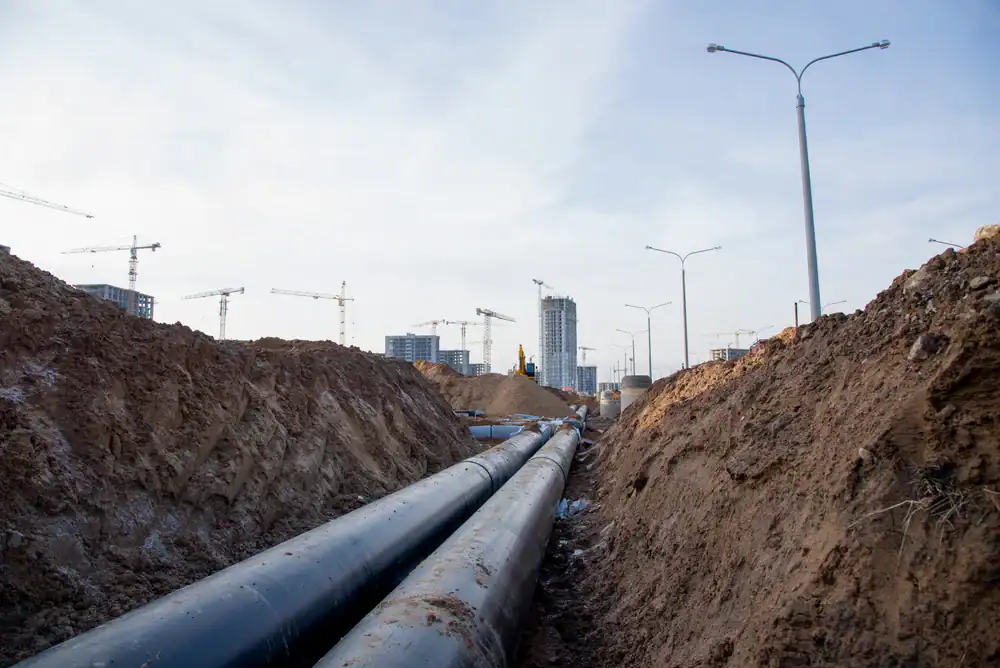
In Setauket, where nearly three-quarters of properties rely on cesspools and septic systems instead of public sewers, your waste lines are critical infrastructure. When they fail, you’re dealing with sewage backups in your home, potential groundwater contamination, and violations of Suffolk County regulations that have been tightening since cesspools were outlawed for new construction back in 1973.
Our line changes include proper excavation, removal of failed pipes, installation of new lines with correct pitch and slope, and connections that meet current code. We handle the permit requirements. We know what Suffolk County inspectors are looking for. And we make sure your new lines are positioned to handle your household’s waste volume without the constant threat of another backup.
This is especially important now that Suffolk County closed the loophole in 2019 that let homeowners replace old cesspools with new ones. If your system needs work, it needs to meet modern standards. We make sure it does.
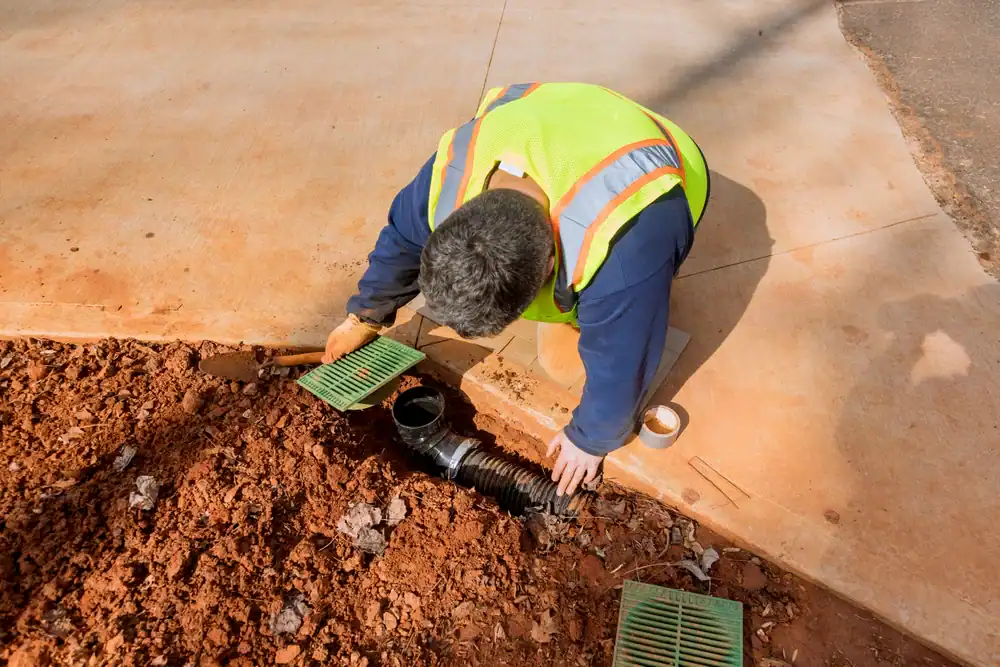
If you’re dealing with frequent backups even after pumping, multiple drains backing up at once, or water coming up through your shower or basement drains, you’re likely looking at a line problem, not just a full tank.
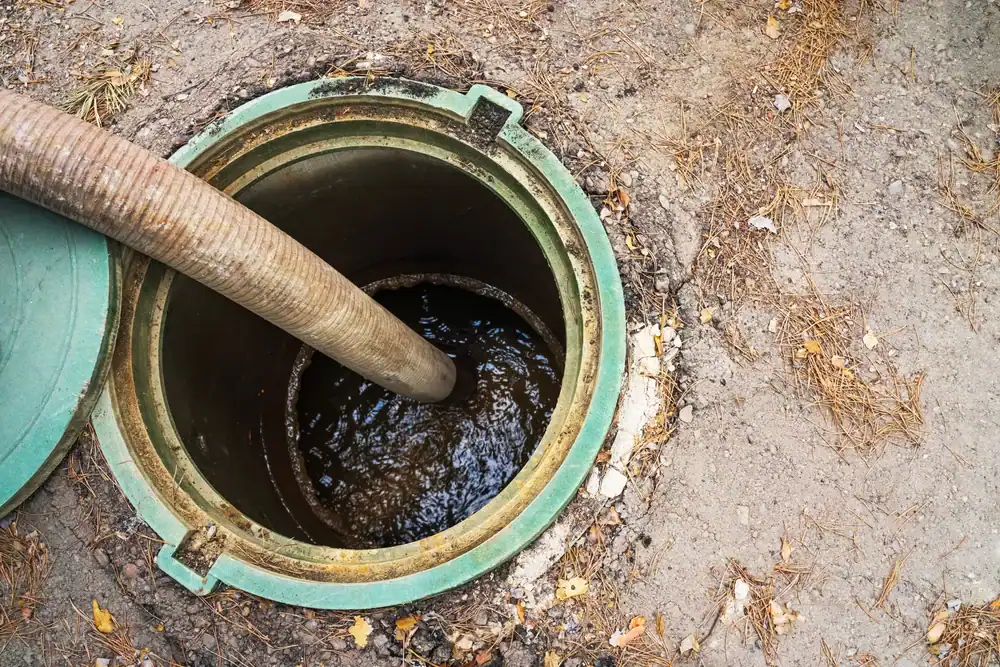
A cleaning or pump-out addresses what’s in your cesspool. A line change addresses how waste gets there. When your main waste line has collapsed, shifted, or was never installed with proper pitch in the first place, no amount of pumping will fix the flow problem. You’ll keep having backups because the waste can’t move through the line efficiently.
The clearest sign you need line work is when backups happen shortly after your system was just serviced. If your cesspool was recently pumped and you’re already seeing slow drains or backups, the problem is in the pipes connecting your home to the cesspool. That’s when you need a line change, not another pump truck.
Pipe pitch is the angle at which your waste line slopes from your home to your cesspool. It needs to be steep enough that gravity moves waste along, but not so steep that liquids run ahead of solids and cause clogs.
The standard is typically a quarter-inch drop per foot of pipe. Too flat, and waste sits in the line, building up until you get a backup. Too steep, and you get what’s called “stranding,” where water rushes through but solid waste gets left behind. Both scenarios lead to blockages and backups.
In Setauket, where soil conditions vary and many properties have older systems that were never installed to proper standards, incorrect pitch is one of the most common causes of recurring backups. When we do a line change, we’re not just replacing old pipe with new pipe. We’re making sure that new pipe is positioned at the right angle so your waste actually moves the way it should. That’s what prevents you from calling us back in six months with the same problem.
We only excavate what we need to access the failed section of your line. If the problem is localized to one area, we’re not digging up your entire yard. We locate the failure point, trench to that section, and keep the disruption as minimal as possible.
The width of the trench depends on how deep your line runs and what equipment we need to use, but we’re typically looking at a trench a few feet wide. Length varies based on where the failure is and how much line needs replacement. If your connection at the cesspool has failed, we’re working near the tank. If the problem is closer to your home’s foundation, that’s where we focus.
After the new line is installed and tested, we backfill the trench and restore the surface. You’ll see where we worked, but we’re not leaving your property looking like a construction site. Most homeowners are surprised at how contained the work area is compared to what they imagined. The goal is to fix your line, not destroy your landscaping in the process.
It depends on the age and condition of your entire line, not just the section that’s currently causing problems. If you’ve got a 40-year-old pipe and one section has collapsed, there’s a good chance other sections aren’t far behind.
We assess the full line during our inspection. If the rest of your pipe is in decent shape and the failure is isolated—maybe from root intrusion or ground settling in one spot—then yes, we can often replace just that section. You save money and we save time.
But if your line is old, showing signs of deterioration in multiple areas, or was installed without proper pitch to begin with, replacing just the failed section is like putting a new patch on a worn-out tire. You’ll be calling us back when the next section fails. In those cases, replacing the full line from your home to your cesspool makes more sense. You’re dealing with the problem once instead of in pieces over the next few years. We’ll walk you through what we find and give you an honest assessment of whether a partial or full replacement makes sense for your situation.
Suffolk County has been tightening regulations on cesspools and septic systems for years, mainly because of nitrogen contamination in groundwater. Since 2019, you can’t just replace an old cesspool with a new cesspool anymore. You need to upgrade to a system that meets modern standards.
When it comes to line changes, the work needs to meet current code requirements. That means proper permits, inspections, and installation that complies with Suffolk County Health Department standards. If you’re doing line work as part of a larger system upgrade—like replacing an old cesspool with an innovative alternative system—there are specific connection requirements and installation standards you need to meet.
The good news is there are grants available. Suffolk County offers up to $10,000 through their Septic Improvement Program, and the state offers another $10,000. Combined, you could get up to $25,000 in assistance for qualifying upgrades. We help you understand what applies to your situation and what you need to do to stay compliant. The regulations aren’t going away, and they’re only getting stricter. Better to handle it right the first time than deal with violations and fines down the road.
Most line changes in Setauket take one to three days depending on the length of line being replaced, how deep it runs, and what we encounter when we start digging. A straightforward replacement of a short section might be done in a day. A full line replacement from your home to your cesspool typically takes two to three days.
Day one is usually excavation and removal of the old line. We’re digging the trench, exposing the failed pipe, and getting everything ready for the new installation. Day two is installation of the new line with proper pitch and slope, making the connections at both ends, and testing the system to make sure everything flows correctly. If backfilling and restoration happen on day two, you’re done. If not, that’s day three.
Weather can affect the timeline, especially if we’re dealing with saturated soil or frozen ground. Permit inspections can add time if the county needs to come out and sign off on the work before we backfill. But in most cases, you’re looking at a few days of work, not weeks. We know you need your system functioning, and we move as efficiently as we can without cutting corners on the installation quality.
Other Services we provide in Setauket