
Hear from Our Customers
Your drains empty fast. Your toilets flush without hesitation. You stop worrying about soggy patches in the yard or that smell near the foundation.
Most homes in Shirley were built around 1975. That means the pipes connecting your house to your cesspool have been underground for nearly 50 years. They crack, they settle, they lose their slope. When that happens, waste doesn’t flow—it sits, it backs up, it finds the lowest point in your house.
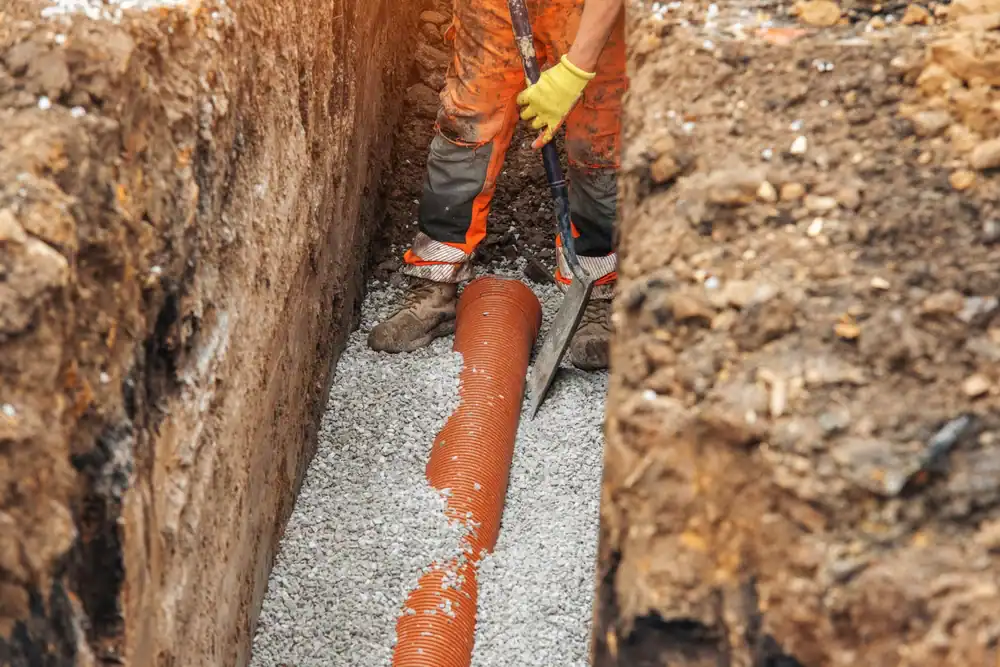
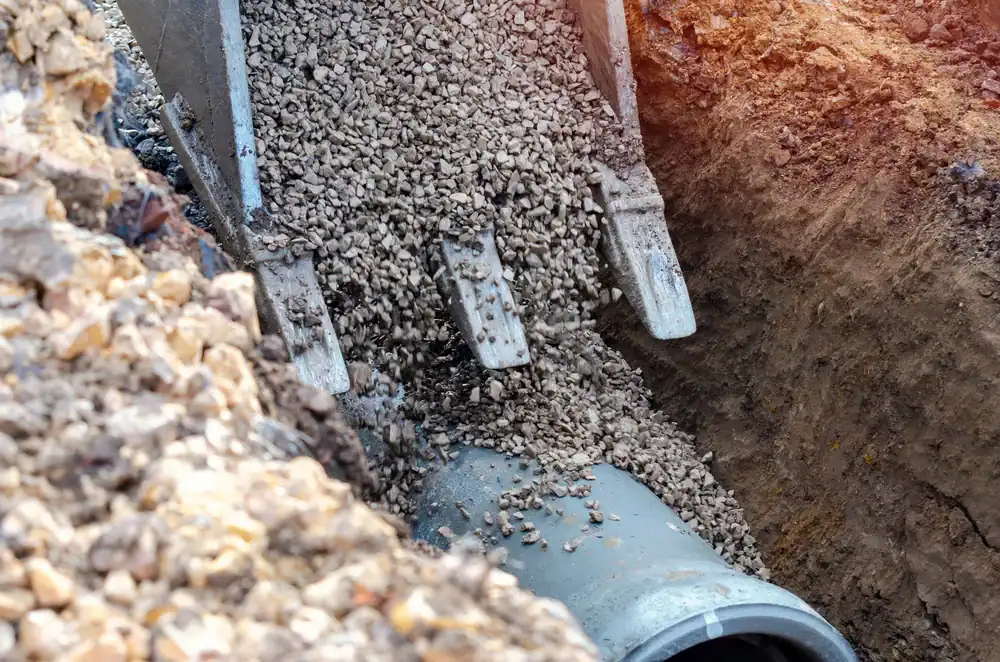
A proper line change fixes the pitch so gravity does its job. We excavate carefully, replace the damaged section with durable pipe, set the grade at a quarter-inch drop per foot, and backfill so your lawn doesn’t look like a construction zone for months. You get drainage that works the way it’s supposed to, without the constant fear of a backup during your next family gathering.
We’ve been serving Suffolk County for nearly two decades. We’re a four-generation family business, which means we learned this work from people who did it before regulations tightened and before shortcuts became common.
We know Shirley’s soil. We know how deep the frost line runs and how much settling to expect in sandy Long Island ground. We’ve worked on hundreds of properties here, and we’ve seen what happens when lines are installed wrong the first time—or when they’re just old and done.
You’re not getting a sales pitch from us. You’re getting an honest assessment and a fix that lasts.
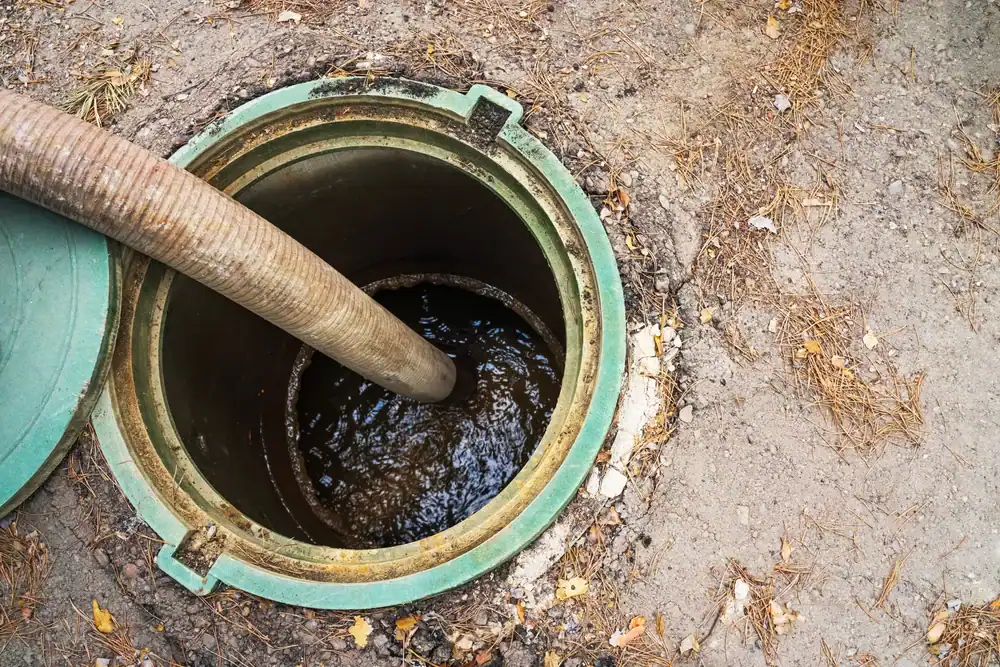
We start with a camera inspection if you’re not sure where the problem is. That shows us cracks, bellies in the line, root intrusion, or sections that have lost their slope. No guessing.
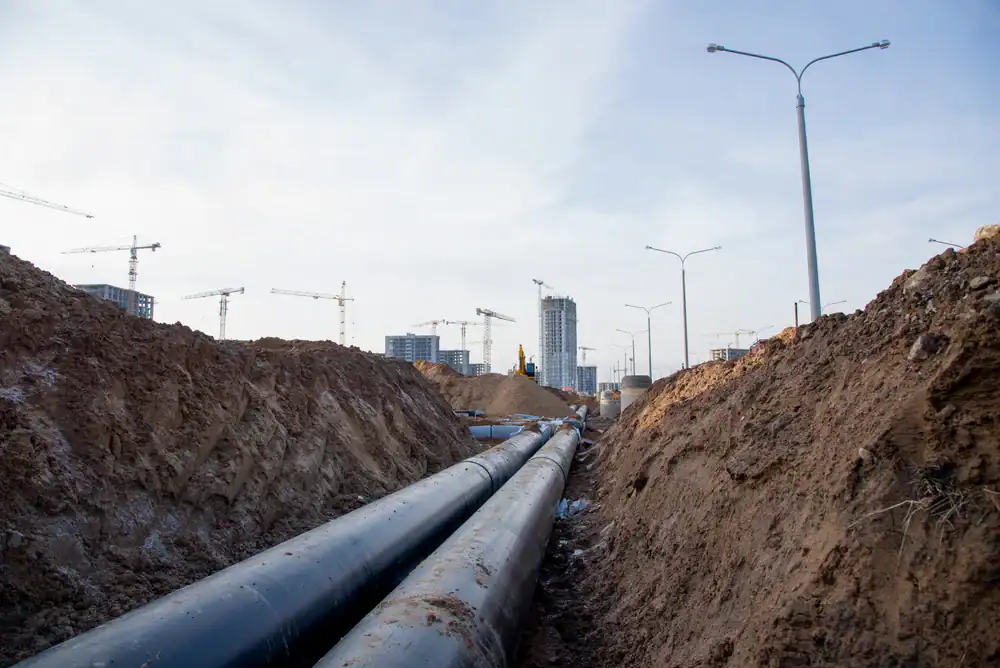
Once we know what needs replacing, we map the excavation. We locate your existing sewer line to cesspool connection, mark utilities, and plan access that does the least damage to your landscaping. Then we dig. We trench down to the problem section, remove the old pipe, and inspect the surrounding soil and bedding.
The new line gets installed with the right pitch—one-quarter inch per foot minimum. That’s not optional. If waste doesn’t flow downhill consistently, you’ll have the same problem in six months. We bed the pipe properly, backfill in layers, compact as we go, and restore the surface so it doesn’t sink later.
You’ll know the job is done when your drains work like they should and your yard doesn’t look like we were ever there.
Ready to get started?
This isn’t just digging a trench and dropping in pipe. You’re getting a full assessment of your current system, excavation that respects your property, proper pipe slope installation, connection to your existing cesspool, backfill and grading, and site cleanup.
In Shirley, most cesspool systems are older than the people living in the house. Suffolk County banned new cesspool installations in 2019, which means if your system fails completely, you’re looking at an advanced treatment system that costs $15,000 or more. A line change now—while the rest of your system still works—keeps you in the hundreds-of-dollars range instead of the tens-of-thousands range.
We also handle the documentation. New York law requires maintenance records, and Suffolk County inspections happen every three years. If you don’t have proof of proper work, you’re facing fines between $250 and $2,000. We make sure everything is on record so you’re covered.
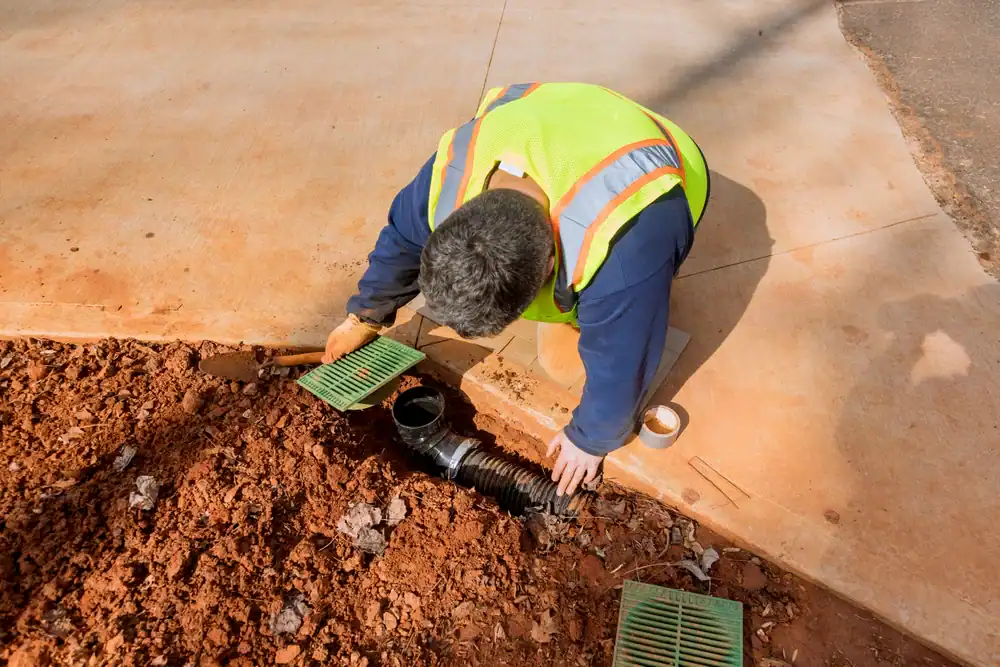
If a cleaning fixes it, you’ll know within a day. Drains will run fast again and stay that way. If the problem comes back in a few weeks, or if you’re getting backups in multiple fixtures at once, that’s usually a sign the line itself has failed.
Common symptoms of a failing line include slow drains throughout the house, sewage odor near the foundation or in the yard, soggy ground between your house and the cesspool, or backups that happen even after pumping. A camera inspection will show us exactly what’s going on—whether it’s a clog, a crack, a belly in the line where waste is pooling, or roots that have broken through.
We’ll tell you what we see and what it’ll take to fix it. If a cleaning will work, we’ll say so. If the line is done, we’ll explain why and what replacement involves.
Age is the biggest factor. Most cesspools on Long Island were installed in the 1970s using materials that were fine at the time but don’t hold up forever. Cast iron corrodes, clay cracks, and even PVC can shift if the ground settles unevenly.
Tree roots are another major cause. They grow toward moisture, and a sewer line is a consistent water source. Once roots find a crack or joint, they expand inside the pipe until flow is blocked. You’ll see slow drains first, then full backups.
Ground settling also causes problems. If your home was built on filled land or sandy soil, the ground shifts over time. That changes the pitch of your line. Even a slight uphill section will cause waste to pool instead of flowing to the cesspool. Frozen ground in winter can also crack pipes that are buried too shallow or weren’t bedded properly during installation.
Most line changes take one to two days depending on how much pipe needs replacing and how deep we have to dig. If we’re replacing 20 feet of line in open yard space, that’s a one-day job. If we’re working around landscaping, a driveway, or going deeper than usual, it might take two.
The excavation will leave a trench, but we don’t tear up more ground than necessary. We dig a path wide enough to work safely, remove the old pipe, install the new line, and backfill in layers so the ground doesn’t settle later. You’ll see dirt piles during the job, but we haul away excess soil and grade everything before we leave.
Your lawn will need some recovery time. Grass will grow back, but it might take a few weeks depending on the season. We can also lay sod if you want it looking finished immediately. The key is that we don’t leave ruts, sinkholes, or a surface that’s going to collapse the first time it rains.
Not during the actual work. Once we disconnect the old line, there’s nowhere for waste to go until the new line is connected to your cesspool. That usually means a few hours where you can’t flush toilets, run sinks, or use any drains.
We’ll let you know the exact timeline before we start so you can plan around it. Most families leave for the day or make arrangements to use a bathroom elsewhere. If the job runs into a second day, we’ll make sure everything is reconnected and functional by the end of each workday so you’re not without plumbing overnight.
If you have a business or a situation where you absolutely can’t be without plumbing, let us know ahead of time. We can sometimes set up a temporary bypass, but that depends on your property layout and how the existing system is configured.
Line changes typically run between $3,000 and $8,000 depending on how much pipe needs replacing, how deep we’re digging, and what obstacles we’re working around. That’s significantly less than a full system replacement, which starts around $15,000 and can go over $20,000 if you’re required to install an advanced treatment system.
Compare that to emergency repairs after a backup. You’re looking at $1,775 on average just for the repair work, plus another $3,000 to $7,000 for biohazard cleanup if sewage floods your basement. Then there’s the cost of replacing flooring, drywall, and anything else that got contaminated.
Routine maintenance costs a few hundred dollars every few years. A line change costs a few thousand once. A full system failure costs tens of thousands. The math is pretty straightforward—catching problems early keeps you in the lower cost range.
Most standard homeowner policies don’t cover maintenance-related issues, and that’s how insurance companies classify line changes. If your pipe failed because it’s old or because you didn’t maintain the system, they’ll likely deny the claim.
Some policies include sewer backup coverage as an optional rider, but even then, coverage is limited. They might pay for cleanup and restoration after a backup, but they won’t pay to replace the line that caused it. And if they determine the backup happened because you neglected maintenance, they can deny the whole claim.
The best approach is to treat your cesspool system like your roof—you maintain it before it fails, not after. Regular inspections catch problems while they’re still cheap to fix. If you wait until there’s a backup, you’re paying out of pocket either way, but now you’re also dealing with contaminated property and health risks on top of the repair bill.
Other Services we provide in Shirley