
Hear from Our Customers
When your main waste line starts failing, you’re not just dealing with slow drains. You’re looking at sewage backups in your home, emergency calls that cost thousands, and the real possibility of your entire cesspool system collapsing. That’s not a repair anymore—that’s a crisis.
Line changes fix the problem at the source. We replace failing pipes, reconnect your sewer line to cesspool properly, and make sure the pitch and slope are right so wastewater actually flows the way it’s supposed to. No standing water. No backups. No guessing whether it’ll hold through the weekend.
Long Island’s sandy soil and high water table put extra stress on underground lines. Smithtown homes—especially older ones—weren’t always built with the right slope or materials. Over time, pipes shift, crack, or collapse. You might not see it happening, but your drains will tell you. And by the time you notice, the damage is usually worse than it needed to be.
We handle the trenching and excavation, replace what’s broken, and connect everything so it works. You get a system that drains, doesn’t back up, and doesn’t leave you wondering when the next problem’s coming.
We’ve been serving Smithtown and Suffolk County for years, handling everything from routine maintenance to full line replacements. We’re licensed, insured, and we know how cesspool systems behave in Long Island soil. That matters more than you’d think.
Most of Smithtown’s older homes still run on cesspools, and a lot of those systems are dealing with original pipes that were never meant to last this long. We’ve seen what happens when lines fail—and we’ve seen what happens when they’re fixed right. The difference is in the details: proper slope, clean connections, and excavation that doesn’t create new problems while solving old ones.
You’re not getting a sales pitch from us. You’re getting an honest assessment, upfront pricing, and work that actually holds up. We’ve built our reputation on showing up, doing the job right, and not leaving Smithtown homeowners stuck with systems that fail six months later.
First, we assess the damage. That means locating the failed section, checking the connection points, and figuring out whether you need a partial replacement or a full main waste line replacement. We don’t upsell—we tell you what’s actually broken.
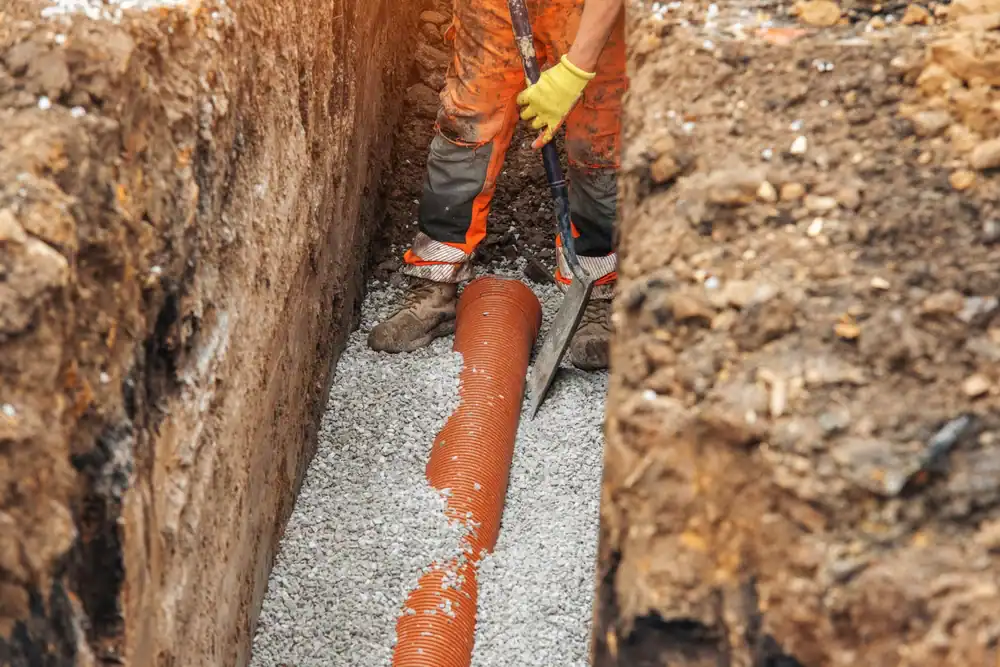
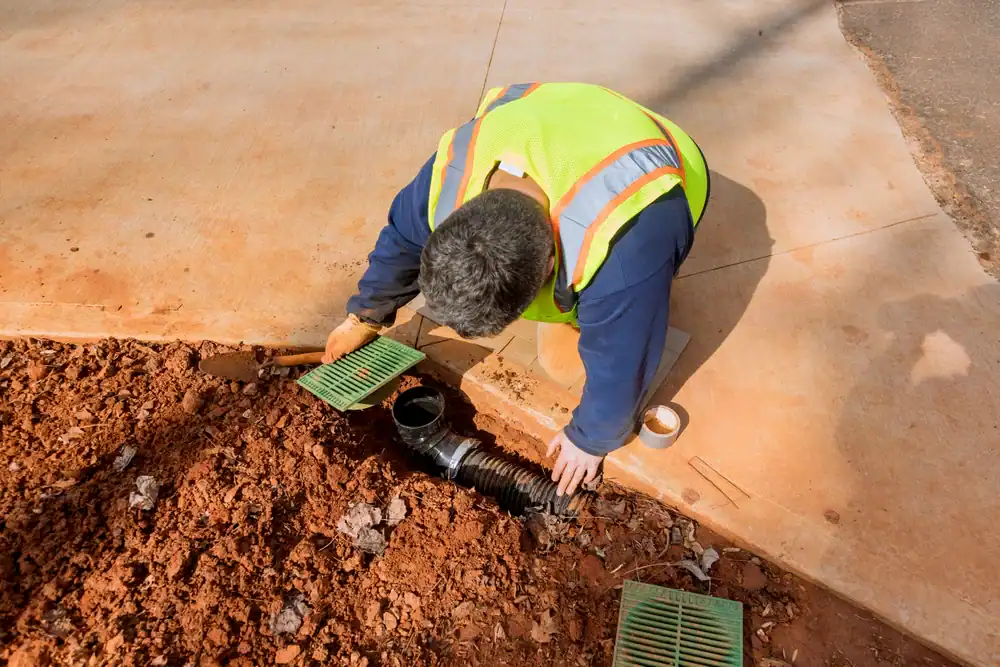
Next comes excavation. We trench down to the problem area using the right equipment and safety measures. If we’re going deeper than five feet, we use trench boxes. If there are other utilities nearby, we work around them. This isn’t a backyard dig—it’s a controlled process that protects your property and keeps everyone safe.
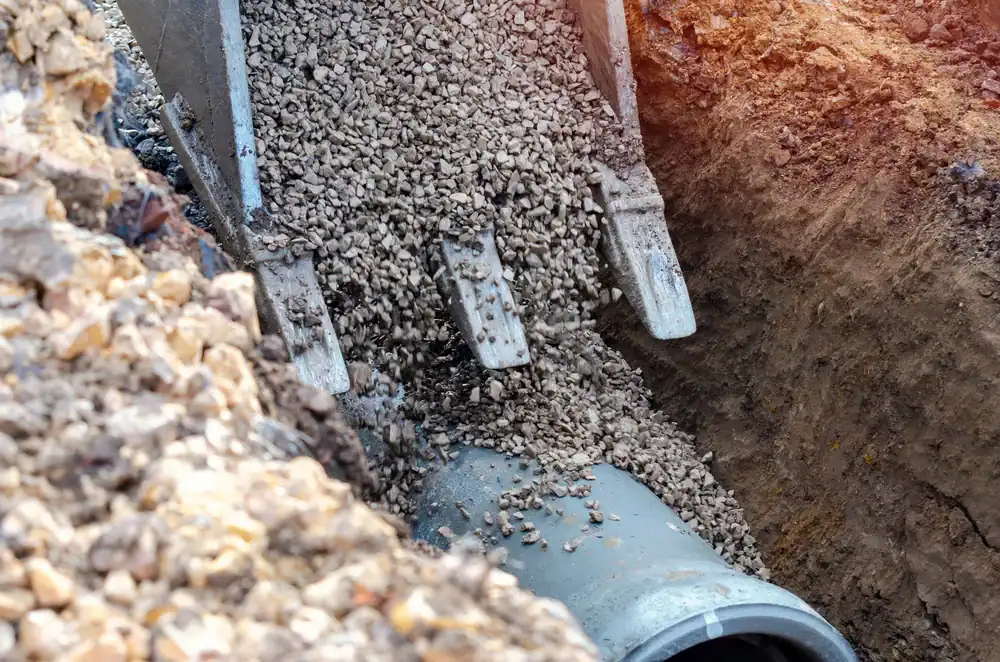
Then we replace the line. New pipe goes in with the correct pitch and slope—usually a quarter-inch per foot—so gravity does the work and wastewater flows without pooling or rushing too fast. We reconnect your sewer line to the cesspool, make sure every joint is sealed, and backfill the trench properly so your yard doesn’t sink later.
Finally, we test it. Water flows, drains clear, and you’re back to a system that works. The whole process usually takes a day or two depending on the scope, and you’ll know exactly what to expect before we start.
Ready to get started?
Line changes aren’t just about swapping old pipes for new ones. You’re getting proper engineering so your system drains correctly. That means setting the right slope, using materials that hold up in Long Island’s soil conditions, and making connections that don’t leak or separate over time.
In Smithtown, we’re dealing with sandy soil that shifts and a water table that sits high. Pipes that aren’t installed with the right pitch will either hold standing water—which leads to clogs and backups—or drain too fast and cause damage at the connection points. Most older systems weren’t built with this in mind, which is why so many lines fail after a few decades.
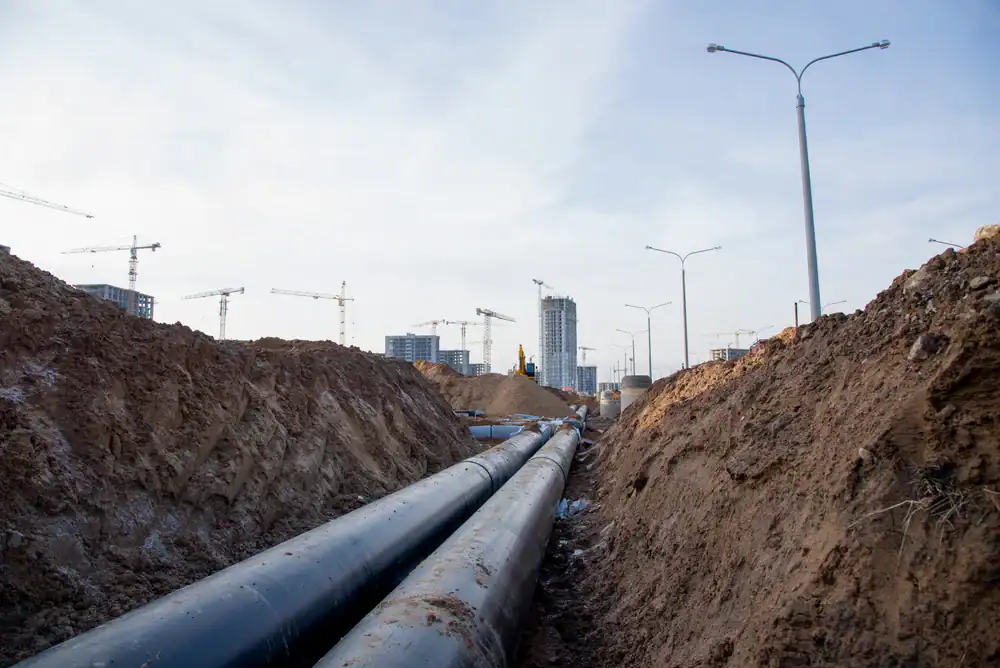
We also handle the full scope of trenching and excavation. That includes locating existing utilities, digging to the right depth, shoring up the trench walls when needed, and backfilling with proper compaction so your driveway or lawn doesn’t collapse later. It’s not glamorous work, but it’s the difference between a fix that lasts and one that fails in a year.
You’ll also get transparency. We walk you through what we found, what needs replacing, and what it’s going to cost before any dirt gets moved. No surprises, no vague estimates, no pressure. Just the information you need to make a decision that protects your home and your budget.
If you’re dealing with a single crack or a small section of damaged pipe, a spot repair might be enough. But if you’re seeing recurring backups, multiple slow drains, or sewage surfacing in your yard, the problem is usually bigger than one bad spot. That’s when a full line change makes sense.
We’ll inspect the line and tell you what’s actually going on. Sometimes the issue is isolated—a root intrusion or a collapsed joint. Other times, the entire run of pipe is deteriorating and patching one section just means another will fail in six months. A full main waste line replacement costs more upfront, but it’s often cheaper than paying for emergency repairs every year.
In Smithtown, a lot of older homes are hitting the point where original lines are just done. The materials break down, the soil shifts, and the connections weaken. If your system is over 30 years old and you’re starting to see problems, replacing the line now saves you from dealing with a catastrophic failure later when it’s going to cost even more.
The connection between your main sewer line and your cesspool is one of the most critical points in the system. If it’s not sealed properly or if the pipe isn’t angled right, you’ll get leaks, backups, or even structural damage to the cesspool itself.
We excavate down to the cesspool inlet, remove the old pipe, and install a new connection with the correct slope. The pipe needs to enter the cesspool at the right height and angle so wastewater flows in smoothly without creating turbulence or putting stress on the tank walls. We seal the connection to prevent leaks and make sure there’s no separation as the soil settles over time.
In Long Island’s sandy soil, movement is common. That’s why we use materials and techniques that account for shifting. A rigid connection will crack. A properly installed flexible or reinforced connection will move with the soil without breaking. This is especially important in Smithtown, where the water table can cause ground movement during wet seasons. Getting this connection right means your system works without constant maintenance or surprise failures.
Pipe pitch and slope control how fast wastewater moves through your lines. Too flat, and waste sits in the pipe, causing clogs and backups. Too steep, and water rushes through but leaves solids behind, which also leads to clogs. The ideal slope is about a quarter-inch drop per foot of pipe—enough for gravity to do the work without creating problems.
Most older Smithtown homes weren’t built with precise slope measurements. Contractors eyeballed it, or the ground settled over time and changed the angle. Either way, you end up with sections of pipe that don’t drain properly. When we do line changes, we measure and set the slope correctly from your house to the cesspool so everything flows the way it should.
This isn’t just about avoiding backups. Proper slope also extends the life of your system. When wastewater moves at the right speed, there’s less buildup, less strain on the pipes, and fewer chances for blockages. You’ll pump your cesspool less often, deal with fewer emergencies, and get more years out of the whole system. It’s one of those things that seems small but makes a huge difference in how your waste system performs day to day.
Most line change jobs take one to two days depending on the length of the run, the depth we need to dig, and what we find once we’re in the ground. Straightforward replacements—where we’re swapping out a 20- or 30-foot section of pipe—usually wrap up in a day. More complex jobs with deeper excavation or difficult access can take longer.
Trenching and excavation isn’t just about digging a hole. We have to locate existing utilities, mark out the path, dig to the right depth without damaging anything else, and shore up the trench if it’s deep or unstable. In Smithtown’s sandy soil, trench walls can collapse if they’re not properly supported, so we use trench boxes or shoring when needed. Safety isn’t optional, and neither is doing it right.
Once the new line is in and tested, we backfill the trench in layers and compact the soil so it doesn’t settle unevenly later. If we dug through your driveway or lawn, we’ll restore it as close to original condition as possible. You won’t be left with a muddy mess or a sinking trench. The timeline depends on the scope, but we’ll give you a clear estimate before we start so you know what to expect and can plan accordingly.
If your line fails and sewage backs up into your home, you’re dealing with an emergency that needs immediate attention. The first step is stopping the water use—no flushing, no drains, nothing that adds more wastewater to a system that can’t handle it. Then you call us.
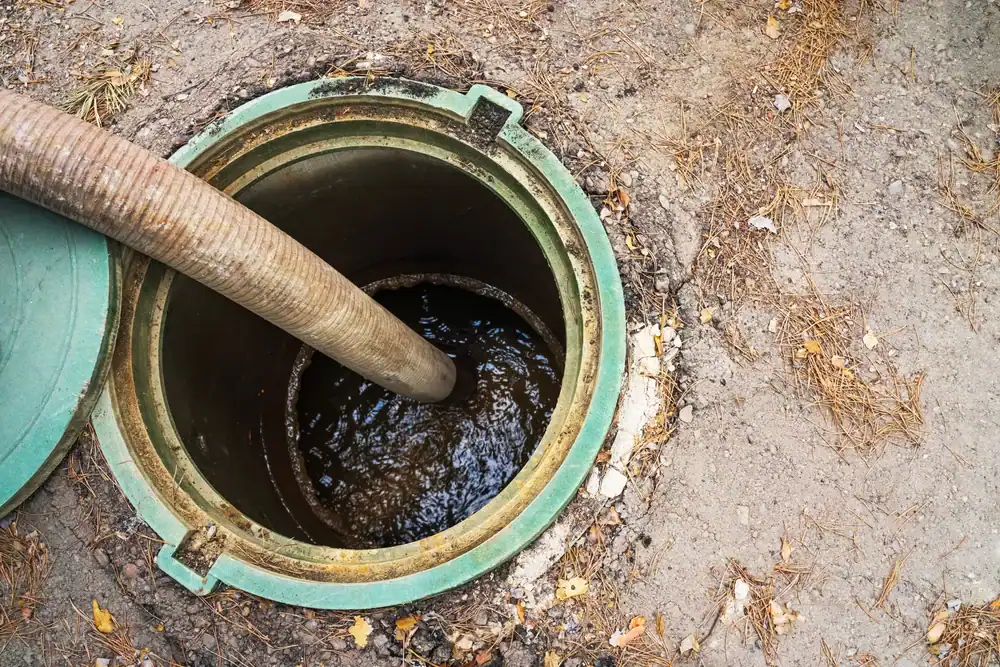
We’ll get there as fast as we can, assess the situation, and determine whether it’s a blockage we can clear or a line failure that needs replacement. If the pipe has collapsed or separated, clearing the blockage won’t fix the underlying problem. You’ll need a line change to prevent it from happening again. We’ll pump out any standing sewage, excavate to the failed section, and replace the damaged pipe so your system works again.
Backups aren’t just inconvenient—they’re health hazards. Sewage contains bacteria and pathogens that can make your family sick and cause serious property damage. The longer it sits, the worse it gets. That’s why we treat these situations as emergencies and prioritize getting your system back online. Once the line is replaced and tested, you’ll have a system that drains properly and won’t leave you dealing with another backup in six months. The key is addressing the root cause, not just the symptom.
Technically, you could attempt a line change yourself if you have the equipment and experience. But this isn’t a weekend DIY project. You’re dealing with excavation that requires safety measures, pipe installation that needs precise slope calculations, and connections that have to be sealed correctly or they’ll fail. One mistake and you’re looking at a bigger problem than you started with.
There’s also the regulatory side. In Suffolk County, certain work requires permits and inspections. If you replace a line without the proper permits or don’t meet code requirements, you could face fines or be forced to redo the work when you try to sell your home. Licensed contractors know the local codes, pull the right permits, and make sure the work passes inspection.
Then there’s the practical reality of trenching in Smithtown. You need to locate utilities so you don’t hit a gas line or water main. You need equipment to dig safely and efficiently. And you need to know how to handle Long Island’s soil conditions so your trench doesn’t collapse while you’re working in it. Professional line changes aren’t just about the pipe—they’re about doing the entire job safely, legally, and in a way that actually solves the problem for good.
Other Services we provide in Smithtown