
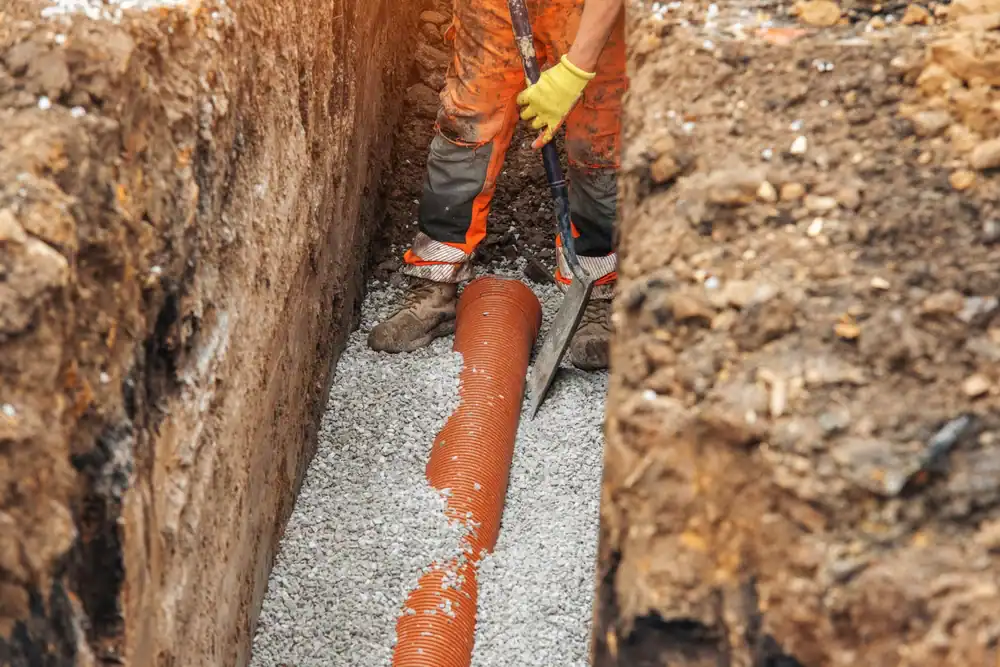
Hear from Our Customers
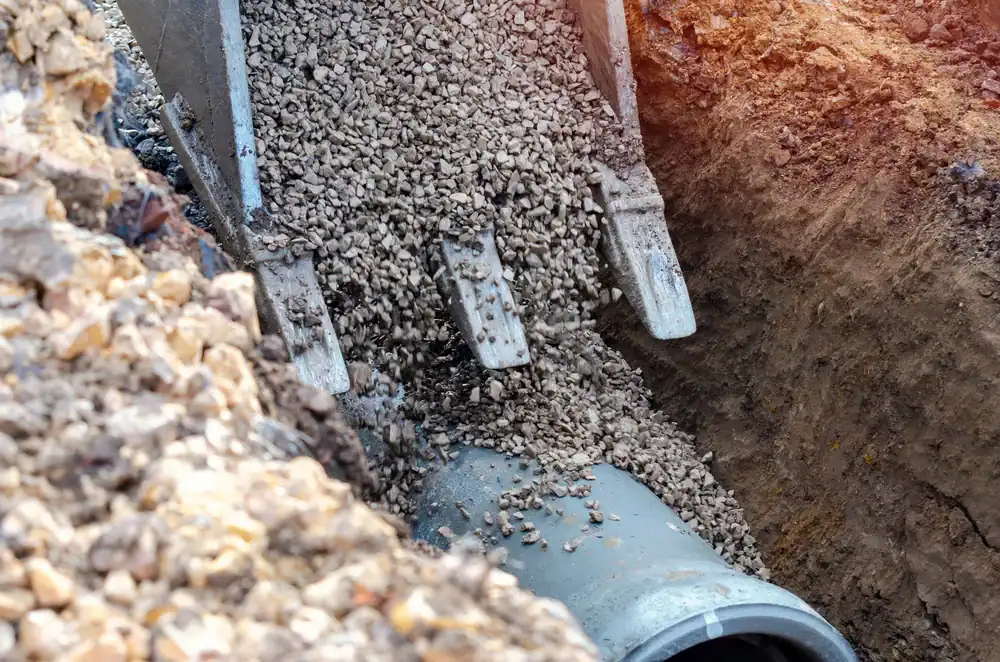
You’ll know your line change worked when water drains fast again, the gurgling stops, and that sewage smell disappears from your yard. Your lowest drains won’t back up first anymore. You won’t see wet spots above your cesspool or worry every time someone flushes.
A proper main waste line replacement means your system can handle your household’s daily load without strain. The new heavy-duty polyethylene pipe we install has a life expectancy up to one hundred years and won’t leak, corrode, or let roots punch through. It’s seamless and code-compliant with Suffolk County regulations.
Your property stays protected during the work. We restore your landscaping when we’re done. And you get a system that actually slopes correctly so waste flows the way it should—downhill, every time, without pooling or backing up into your home.
We know how Springs soil behaves. We know what it takes to keep cesspools running in this area, and we’ve seen what happens when line changes get done wrong. Most residential cesspools here need pumping every two to three years depending on household size and water usage, but a bad line can force that schedule to speed up fast.
Springs sits in an area where about 75% of properties rely on private septic systems because public sewers don’t reach most neighborhoods. That means your cesspool isn’t just a convenience—it’s your only option. We handle the permitting, the excavation, the pitch correction, and the connection so you don’t have to manage five different contractors or worry about compliance.
Our equipment reaches cesspools up to 150 feet from where we park. If your tank sits under a deck, near landscaping, or in a tight spot, we work around it without tearing up more of your property than necessary.
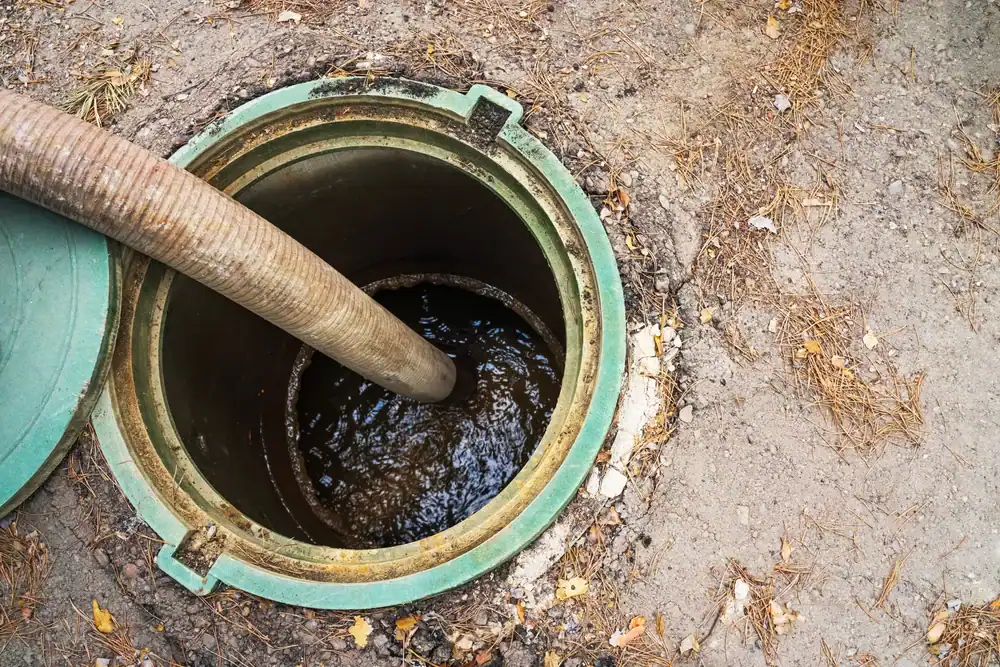
First, we assess your current setup. We locate your cesspool, check the condition of your existing line, and measure the pitch and slope to see where the problem is. If your pipe is back-pitched, waste can’t flow properly—that requires a full replacement, not just a patch.
Next comes trenching and excavation. We dig carefully to avoid damaging landscaping, utilities, or structures. Sewer and water line installation takes planning because if lines aren’t installed right, they break when the ground shifts or frost moves through. We follow all local and state guidelines during this stage.
Then we install the new line with the correct slope. Gravity does the work if the pitch is right. We use seamless polyethylene pipe that resists root intrusion, chemicals, and leaks. Once the line connects your home to your cesspool, we test the flow to confirm everything drains as it should.
Finally, we backfill the trench, compact the soil, and restore your yard. You’re left with a system that works and property that looks like we were never there—except now your drains actually work.
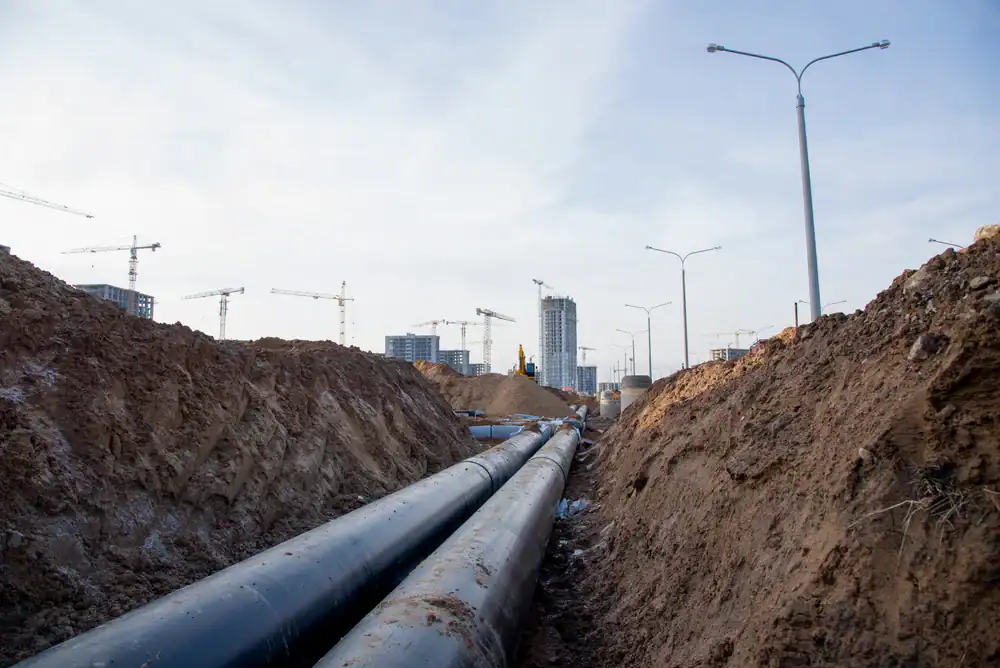
Ready to get started?
You get a main waste line replacement that meets Suffolk County requirements. Since the county banned new cesspool installations in July 2019, any work on existing systems requires proper permits and compliance. We handle that process so you don’t get stuck with fines or failed inspections.
You also get proper pipe pitch and slope. If your old line was installed flat or back-pitched, waste couldn’t flow. Fixing that means digging it up and replacing it with a line that slopes correctly from your house to your cesspool. That’s not optional—it’s physics.
The trenching and excavation work protects your property. We don’t just dig a ditch and drop in a pipe. We plan the route, mark utilities, protect landscaping, and restore everything when we’re done. Springs properties often have mature trees, gardens, or tight access points. We’ve handled all of it.
And you get a system built to last. The pipe we install is rated for up to a century of use. It won’t crack from ground shifts, freeze damage, or root pressure. All waste gets transported to licensed treatment facilities that meet New York State environmental standards, and we maintain disposal records for compliance.
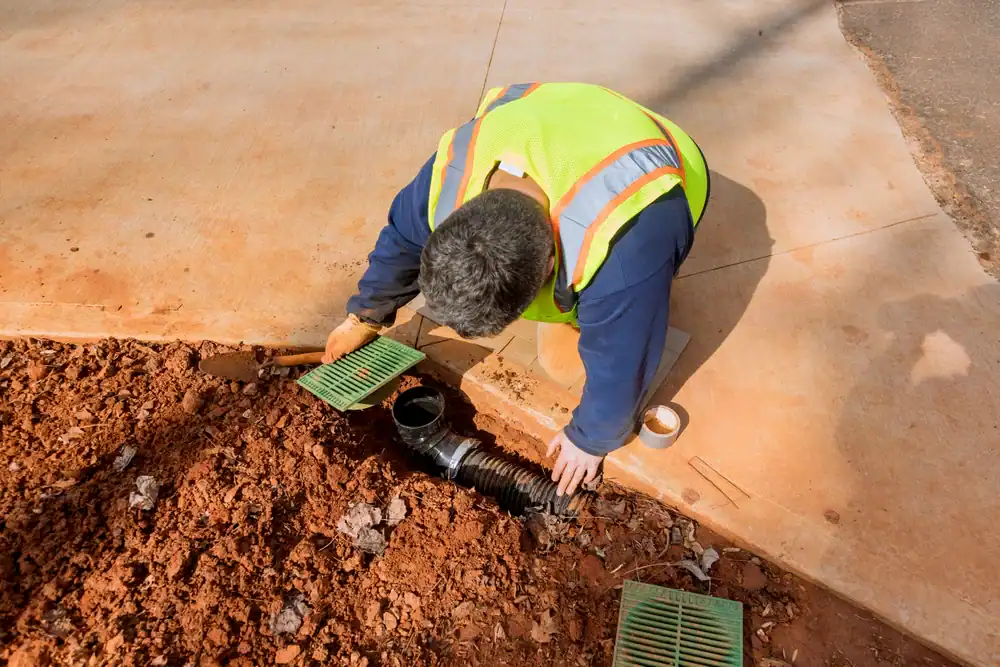
If your sewer line has the wrong pitch, a repair won’t fix it. Back-pitched pipe means waste flows uphill or pools in low spots instead of draining into your cesspool. You’ll see slow drains throughout your house, gurgling sounds when water goes down, or backups in your lowest drains first.
A repair works if you have a small crack or a single problem spot. But if your line was installed flat, sags in the middle, or slopes the wrong direction, you need a full replacement. Patching a bad pitch just delays the inevitable and usually costs more in the long run because you’re paying for a temporary fix that fails again.
We assess your current line before recommending anything. If a repair will actually solve the problem, we’ll tell you. If you need a replacement, we’ll explain why and show you what’s causing the issue so you can make an informed decision.
Ground shifts and frost are the biggest culprits. When sewer and water lines aren’t installed with proper depth and bedding, they crack when the soil moves or freezes. Springs winters can be harsh, and shallow lines don’t survive repeated freeze-thaw cycles.
Root intrusion is another common problem, especially with older clay or concrete pipe. Tree roots seek out moisture and nutrients, and they’ll punch through joints or cracks to get into your sewer line. Once they’re in, they create blockages that cause backups and slow drains.
Poor installation is the third major cause. If your line was installed without the right slope, waste never drains completely. It sits in the pipe, builds up over time, and eventually clogs. You might also have a line that’s too long, too short, or connected at the wrong angle to your cesspool. All of those issues require a line change to fix permanently.
Most line changes take one to three days depending on distance, access, and soil conditions. If your cesspool sits close to your house with clear access, we can usually finish in a day. If we’re running a line 100 feet through landscaping or around obstacles, it takes longer.
Trenching and excavation are the most time-intensive parts. We’re digging carefully to avoid damaging utilities, roots, or structures. We also need time to properly bed and compact the new pipe so it doesn’t shift or settle after we backfill.
Weather can affect the timeline too. Heavy rain turns soil into mud, which makes trenching harder and delays compaction. Frozen ground in winter slows excavation. We’ll give you a realistic estimate based on your specific property and conditions, and we’ll keep you updated if anything changes during the job.
We take extra care to protect your property, but trenching does require digging. We’ll map the most direct route from your house to your cesspool that avoids mature trees, gardens, and hardscaping when possible. If we need to cross a landscaped area, we’ll dig as narrow a trench as code allows and restore it when we’re done.
Our equipment can work in tight spaces, so we don’t need to tear up your entire yard to access your cesspool. If your tank sits under a deck or near a patio, we have the tools and experience to work around those obstacles without major demolition.
After we install the new line and backfill the trench, we grade and compact the soil so it doesn’t settle unevenly. We’ll reseed or lay sod if we dug through grass. If we disturbed mulch beds or gravel paths, we restore those too. The goal is to leave your property looking like it did before we started—just with a sewer line that actually works.
Main sewer line replacement typically runs between $3,000 and $25,000 depending on distance, depth, access, and soil conditions. Most Springs homeowners spend somewhere in the middle of that range for a standard residential line change. If your cesspool sits far from your house or we’re working around obstacles, the price goes up.
We charge based on the scope of work, not by the hour. That means you’ll know the exact cost before we start digging. No surprises, no hidden fees. The estimate includes trenching, excavation, the new pipe, proper bedding and compaction, connection to your cesspool, backfill, and site restoration.
Keep in mind that replacing your line now costs less than dealing with repeated backups, emergency repairs, and property damage from a failing system. A proper line change with the right pitch and slope protects your home, your health, and your property value. It’s not the cheapest option—it’s the right one.
Yes. Suffolk County requires permits for any work on existing cesspool systems, including line changes and main waste line replacement. The county banned new cesspool installations in July 2019, but existing systems can be maintained and repaired with proper permitting.
We handle the permit process for you. That includes submitting plans, coordinating inspections, and ensuring the work meets all local and state guidelines. You don’t need to visit the county office or navigate the paperwork—we take care of it as part of the job.
Skipping the permit isn’t worth the risk. If you sell your property later, unpermitted work can kill the deal or force you to tear out the line and redo it correctly. Inspectors also check for proper pitch, depth, and materials during the permit process, which protects you from shoddy work that fails a year later. Getting it permitted and done right the first time saves you money and headaches down the road.
Other Services we provide in Springs