
Hear from Our Customers
If you’re dealing with slow drains that keep coming back, toilets that won’t flush right, or sewage smells around your property, the problem isn’t always your cesspool. It’s the line feeding it.
Most homes in Syosset were built in the 1950s and 60s. The pipes connecting your house to your cesspool are just as old. Clay and cast iron don’t last forever, and when they crack, shift, or collapse, you get backups that no amount of pumping will fix.
A proper line change replaces the failing section with new pipe installed at the right pitch and slope. That means waste flows the way it should—no bellies where paper and grease collect, no offsets where roots break through, no recurring clogs that come back faster each time. You fix it once, and it stays fixed.
We’ve been handling cesspool work in Nassau County for four generations. We know Syosset’s older homes because we’ve been servicing them for decades.
We understand what happens when systems installed in the 50s start showing their age. We know the soil conditions, the local codes, and how to work efficiently in residential neighborhoods without tearing up more property than necessary.
When we assess your line, we’re looking at the whole picture—not just the symptom you called about. That’s how we catch problems before they turn into emergencies.
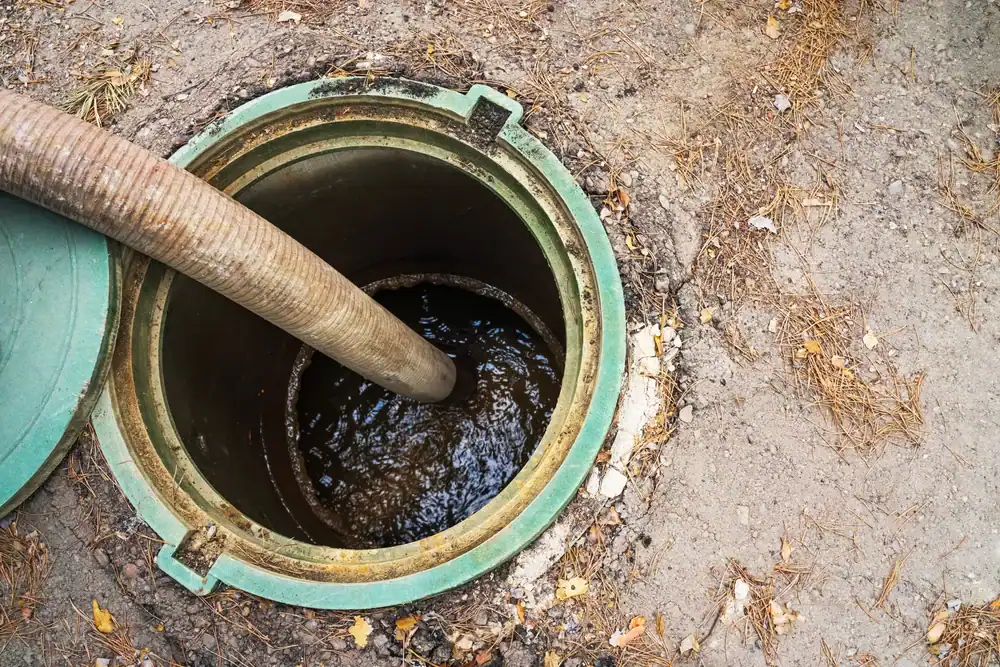
We start with an inspection. If your system allows it, we’ll run a camera through the line to see exactly what’s happening—cracks, root intrusion, bellies, offsets. That tells us where the problem is and how much pipe needs replacing.
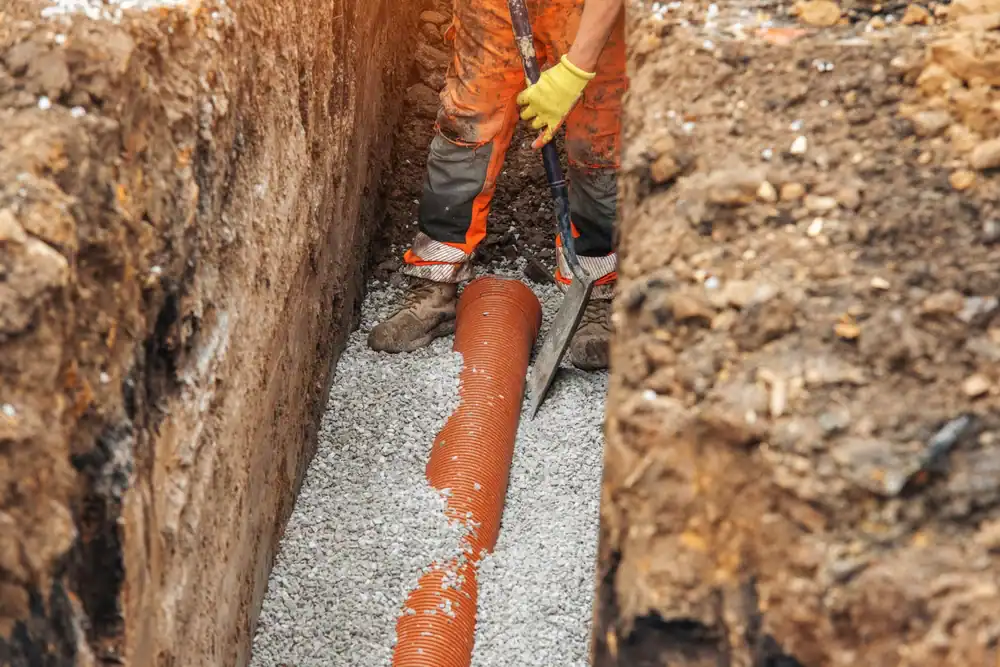
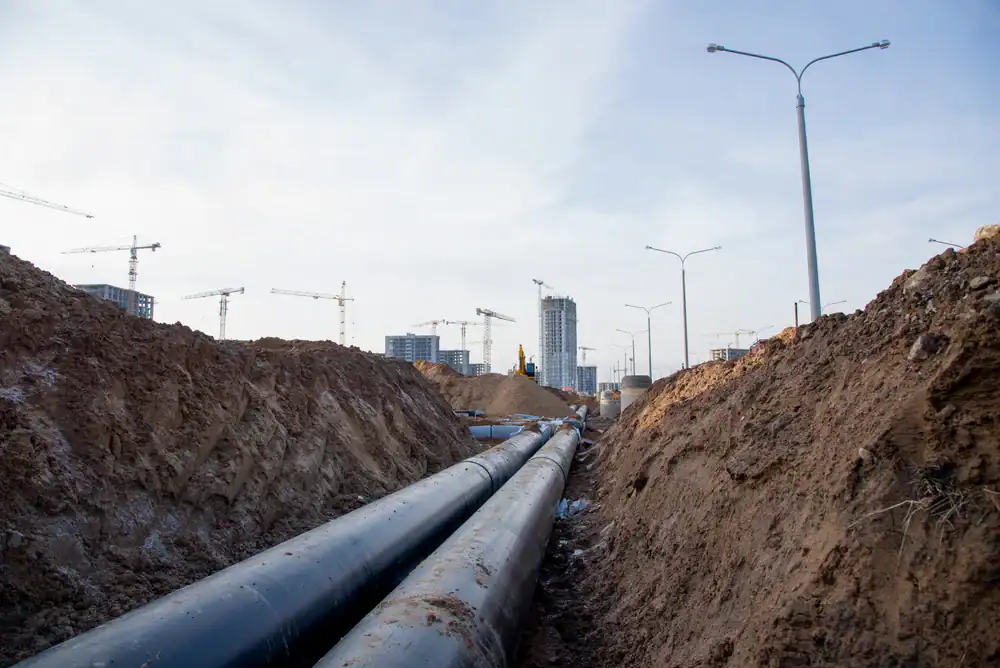
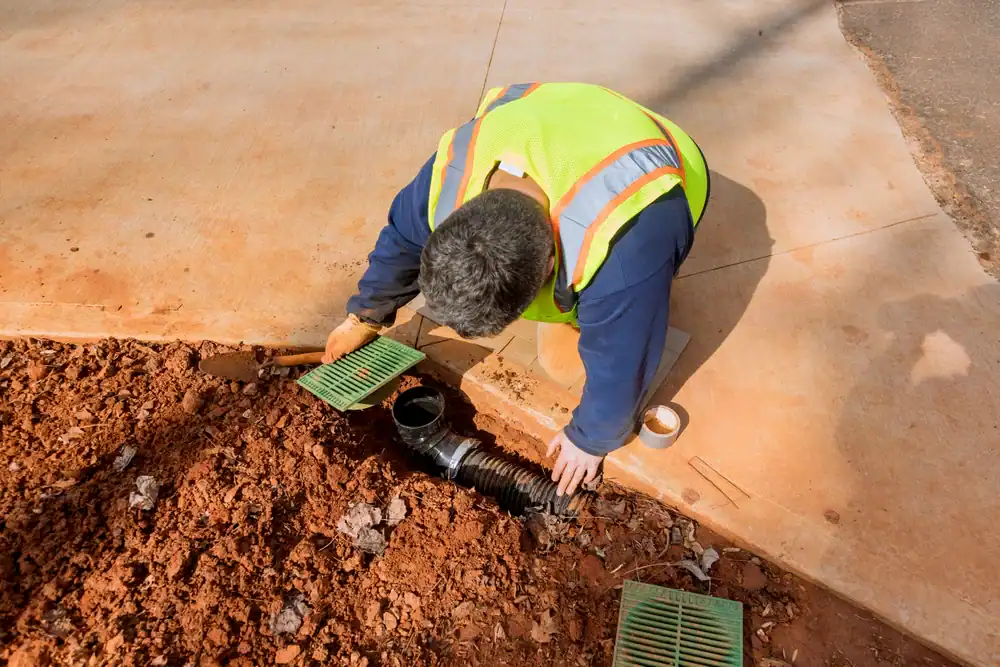
Next comes excavation. We dig a trench that follows the path of your existing line, but we do it right—step trenching when needed to maintain proper slope, even if the ground isn’t level. Every foot of pipe needs to drop at least 1/4 inch to keep waste moving. Too flat and it clogs. Too steep and solids settle.
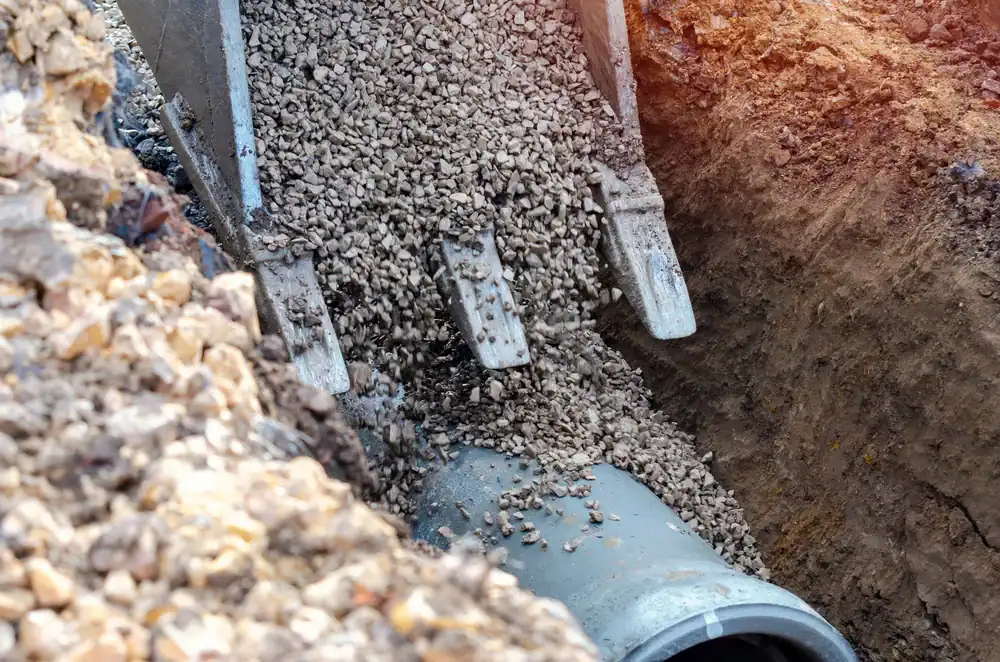
We install the new pipe with the correct bedding and backfill. That means crushed stone underneath for drainage, compacted soil around it for support, and proper connection to your cesspool inlet. Then we test it before we close the trench.
You’re left with a line that works the way it should have from the start.
Ready to get started?
This isn’t just swapping old pipe for new pipe. It’s correcting decades of settling, shifting, and deterioration that’s been building up since your home was built.
In Syosset, where most homes sit on soil that’s been compacted and disturbed for 70+ years, pipes don’t stay where they were originally placed. They sag. They separate at joints. Tree roots find the cracks and turn a small problem into a complete blockage.
A proper line change addresses all of it. We’re trenching deep enough to get below the frost line. We’re setting the pipe at the correct pitch so gravity does the work. We’re using materials that won’t corrode or crack under freeze-thaw cycles. And if your property allows it, we’ll explore trenchless options that eliminate the need to dig up your driveway or landscaping.
You also get a system that’s compliant with current standards. Older cesspools weren’t designed to handle modern water usage or meet today’s environmental requirements. Replacing your line is often the first step toward upgrading a system that’s been failing for years—you just didn’t know it yet.
If your cesspool backs up and pumping it fixes the problem for a few months or years, your system is working. If it backs up again within weeks, or if you’re getting slow drains even after a fresh pump, the line is usually the issue.
Pumping removes what’s in the tank. It doesn’t fix a pipe that’s cracked, bellied, or full of roots. You’ll know the line is failing when you start seeing the same symptoms faster each time—toilets that won’t flush, drains that gurgle, wet spots in the yard near the pipe route.
We can run a camera line to confirm. That shows us exactly what’s happening underground, so you’re not guessing or paying for a repair that won’t solve the real problem.
A repair makes sense when the damage is isolated—one cracked section, one root intrusion point, one offset joint. We dig down, fix that spot, and you’re good.
A replacement makes sense when the pipe has multiple failure points, when it’s old enough that the next section will fail soon anyway, or when the entire line was installed without proper slope. In Syosset’s older homes, we see a lot of cast iron and clay pipe that’s reached the end of its lifespan. Patching it buys you a year or two. Replacing it buys you decades.
If we’re already digging up your yard, it usually makes more sense to do it right once than to come back in 18 months for the next failure.
Most residential line changes take one to three days, depending on distance, depth, and site conditions. If we’re replacing 40 feet of pipe in open yard space, that’s faster than navigating around mature trees, underground utilities, or a paved driveway.
We’ll need to excavate a trench, which means temporarily disrupting your lawn or landscaping. We remove the soil, set it aside, and backfill with proper compaction once the new pipe is in. You’ll have a visible trench line for a while, but grass grows back.
If you want to avoid that disruption entirely, trenchless methods let us pull new pipe through the old route without open trenching. It costs more upfront, but you’re not paying to repair hardscaping or replant landscaping afterward.
Roots don’t break healthy pipe. They find cracks and joints that are already leaking, then they grow into them because there’s water and nutrients inside.
Once they’re in, they expand. A root that starts as a hair-thin intrusion turns into a mass that blocks flow and eventually breaks the pipe apart from the inside. Clay and cast iron pipe—common in Syosset’s older homes—are especially vulnerable because the joints weren’t sealed the way modern pipe is.
If you’ve got mature trees near your line route and you’re dealing with recurring clogs, roots are almost always involved. We see it constantly. The camera line shows us a pipe that’s completely choked with root growth, and the homeowner had no idea it was happening until the toilet wouldn’t flush.
Gravity moves waste through your line. If the pipe is too flat, solids settle and build up. If it’s too steep, water runs ahead and leaves solids behind. Either way, you get clogs.
The standard is 1/4 inch of drop per foot of pipe. That’s enough slope to keep everything moving without creating problems. In Syosset, where the ground isn’t always level and soil has settled over decades, maintaining that slope means using step trenching—digging in a stair-step pattern so the pipe stays at the right angle even when the surface doesn’t cooperate.
A lot of older systems were installed without that precision. The pipe was just laid in the trench at whatever grade was easiest. That’s why you’re dealing with backups now. Fixing the slope fixes the flow.
Line changes typically run between $2,000 and $10,000 depending on length, depth, site access, and whether we’re working around obstacles like driveways or utilities. That’s a real number based on what most residential jobs involve.
It sounds like a lot until you compare it to the alternative. Emergency repairs for a collapsed line can hit $15,000. Recurring service calls for backups that won’t stay fixed add up fast. And if your line fails completely, you’re looking at potential property damage, health hazards, and a much bigger mess to clean up.
You’re not just paying to replace pipe. You’re paying to stop the cycle of problems that keep coming back, to protect your property from sewage backups, and to extend the life of your entire cesspool system. That’s worth it.
Other Services we provide in Syosset