
Hear from Our Customers
You stop worrying every time someone flushes. Your drains clear fast, your yard stays dry, and you’re not calling for emergency pump-outs twice a year because a cracked pipe is flooding your cesspool.
Most homes in Village of the Branch were built when cesspools were standard, and a lot of those original lines are still underground. Orangeburg pipe, clay tile, even old cast iron – they crack, they collapse, they shift. You’ll see slow drains first, then backups, then wet spots in the yard where the line runs.
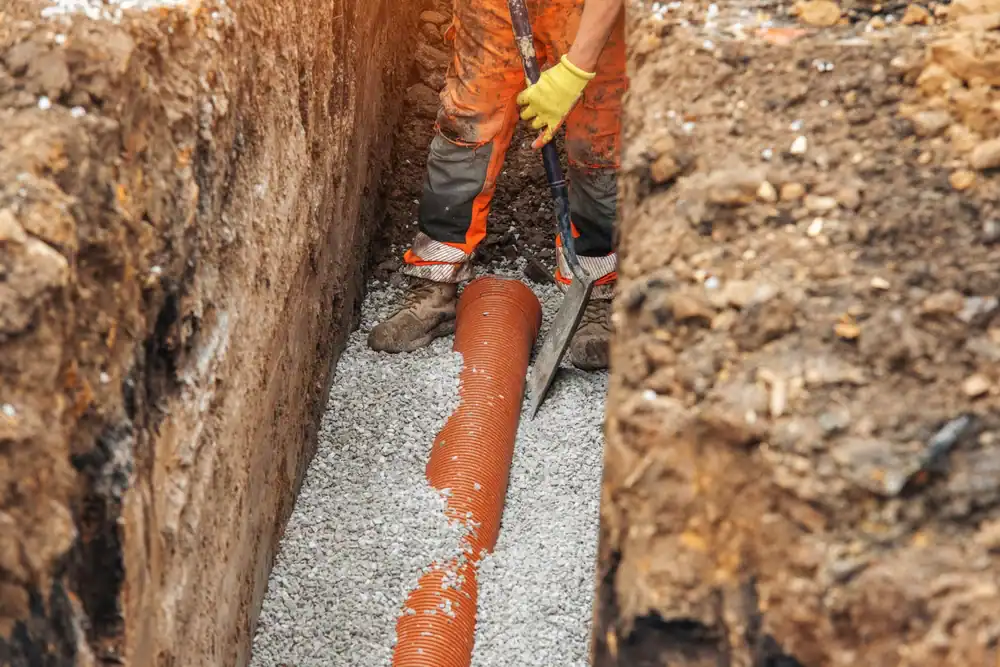
Replacing the main waste line means digging it out, setting new pipe at the right pitch, and connecting it cleanly to your cesspool. Done right, you’re looking at fifty-plus years before you think about it again. Done wrong, you’re back in the same mess within a few seasons.
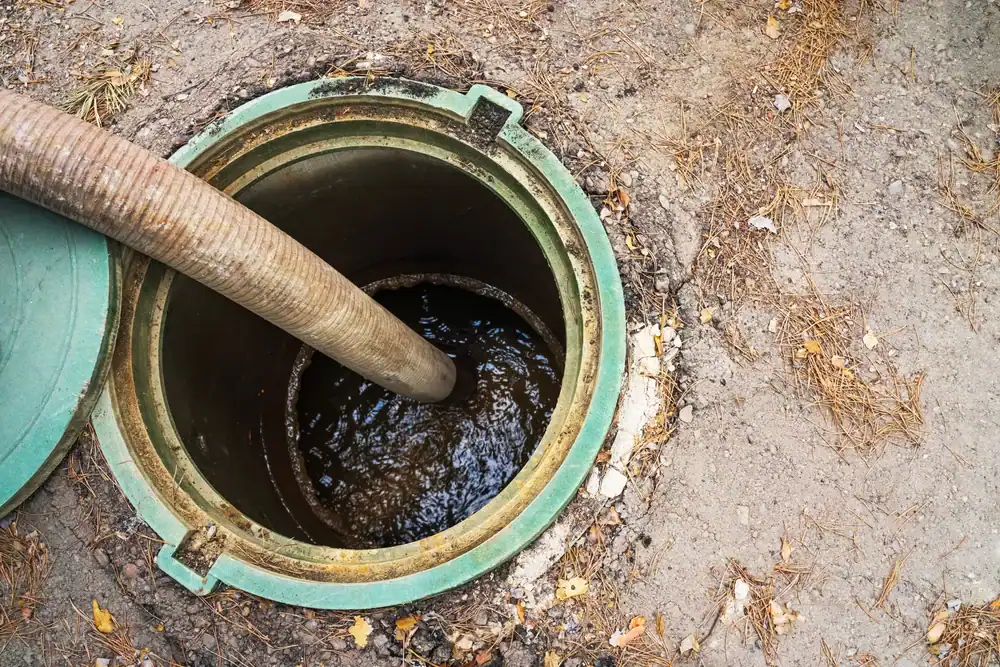
We handle line changes, cesspool pumping, and full system work across Village of the Branch and the surrounding area. We’re licensed, we’re local, and we’ve seen what happens when pipes are installed without the right slope or backfilled too fast.
Most of our line change calls come from homes built before 1973. That’s when cesspools were the go-to, and a lot of those systems are still in use. We know the soil conditions here, we know the common failure points, and we know how to get the job done without tearing up more of your property than necessary.
You’ll get upfront pricing, a clear timeline, and a crew that shows up when we say we will.
We start with a camera inspection if you’re not sure where the problem is. That shows us cracks, root intrusion, bellied sections – anything that’s causing the backup. Once we know what we’re dealing with, we map out the trench line and call in utility locates.
Excavation comes next. We dig down to the failed pipe, usually a few feet below grade to stay below the frost line. The old line comes out, and we set new PVC at a quarter-inch drop per foot – that’s the minimum pitch you need for gravity flow. Too flat and waste sits in the pipe. Too steep and liquids outrun solids.
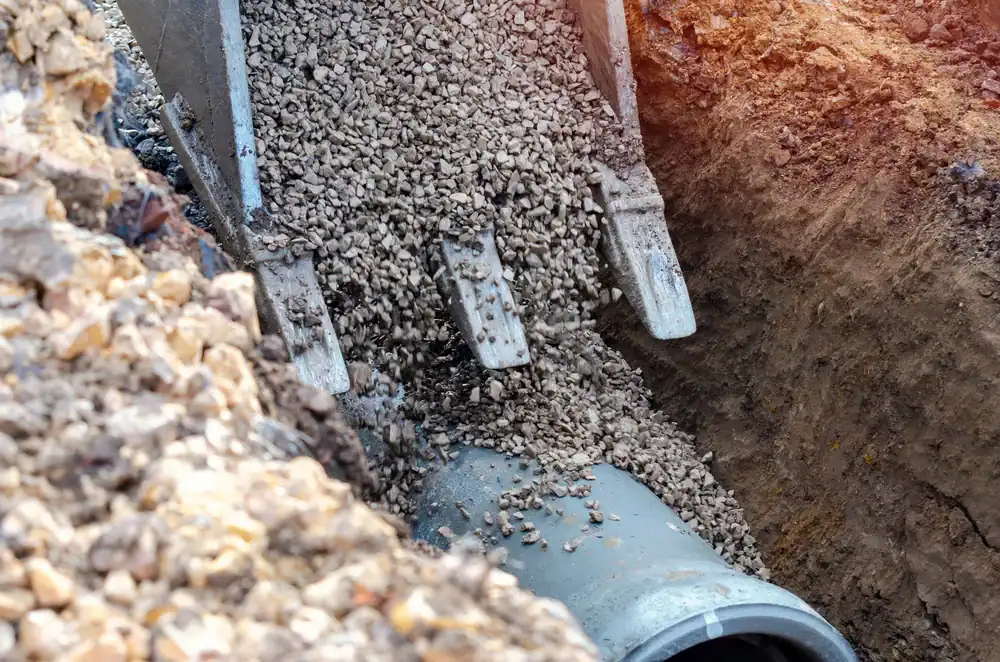
Once the new line is in and connected to your cesspool, we backfill in layers and compact as we go. That keeps the ground from settling later and pulling your pipe out of alignment. The whole job usually takes one to three days depending on distance and access.
Ready to get started?
You get the full scope: excavation, old pipe removal, new pipe installation with proper pitch and slope, connection to your existing cesspool, backfill, and grading. We handle the utility locates, the permits if needed, and the cleanup when we’re done.
In Village of the Branch, most line failures happen because the original pipe wasn’t meant to last this long. Orangeburg was common here – it’s a wood pulp pipe that degrades over time. Clay tile cracks when the ground shifts. Cast iron rusts through. If your home was built in the ’50s, ’60s, or early ’70s, there’s a good chance you’re still sitting on one of those materials.
We also handle partial repairs if only a section of your line has failed. Sometimes it’s just a ten-foot run under the driveway that’s collapsed. Other times the whole line from the house to the cesspool needs to go. We’ll tell you what you actually need, not what makes the biggest invoice.
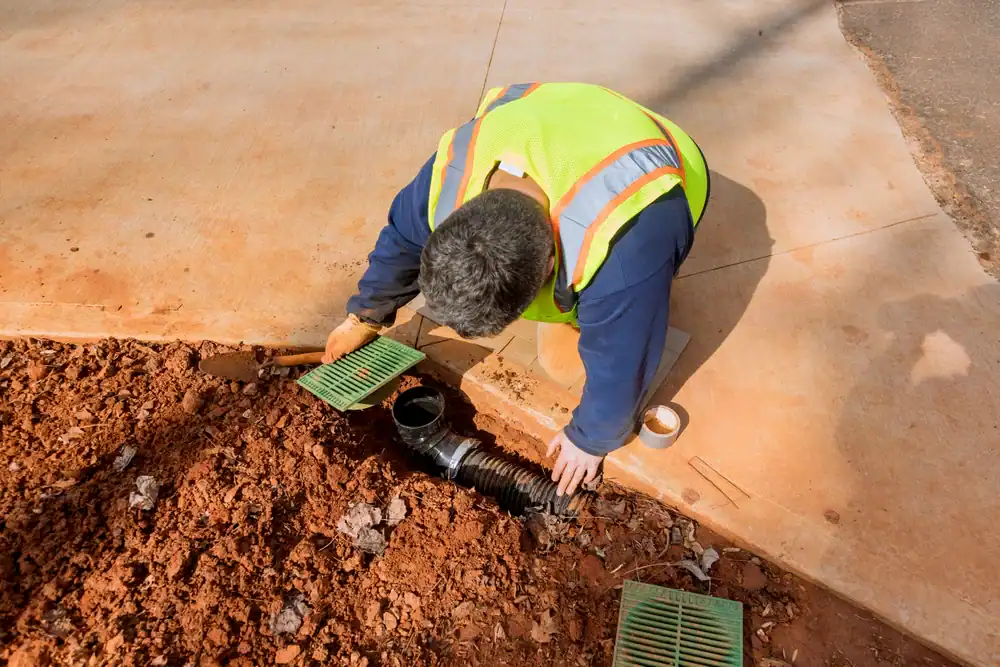
If the damage is isolated to one section – say, a spot where tree roots cracked the pipe or a joint separated – you can usually get away with a partial repair. We dig down to that section, cut out the damaged piece, and splice in new pipe.
But if your line is old Orangeburg or clay tile and it’s failing in multiple spots, a full replacement makes more sense. Patching one area doesn’t stop the rest of the pipe from degrading. You’ll end up calling us back in a year or two for another section.
A camera inspection tells you exactly what you’re dealing with. We can see the condition of the entire line, how many problem areas there are, and whether the pipe material is worth saving. Most of the time, if you’re already digging, it’s smarter to replace the whole run and be done with it.
The standard is a quarter-inch drop for every foot of pipe. That’s enough slope to keep waste moving without letting liquids run ahead and leave solids behind. If the pitch is too flat, waste sits in the line and you get clogs. If it’s too steep, you get the same problem – just for a different reason.
Gravity does all the work in a cesspool system. There’s no pump pushing waste through the line, so the slope has to be right. We use a laser level when we set pipe to make sure the grade is consistent from the house to the cesspool.
A bellied section – where the pipe sags in the middle – acts like a trap. Waste collects there, breaks down slowly, and eventually blocks the line. That’s one of the most common issues we find during camera inspections, and it’s almost always because the trench wasn’t backfilled properly when the pipe was first installed.
Most line changes take one to three days depending on the distance from your house to the cesspool and how much we need to dig. If the line runs under a driveway or patio, that adds time because we have to cut through and then patch it back.
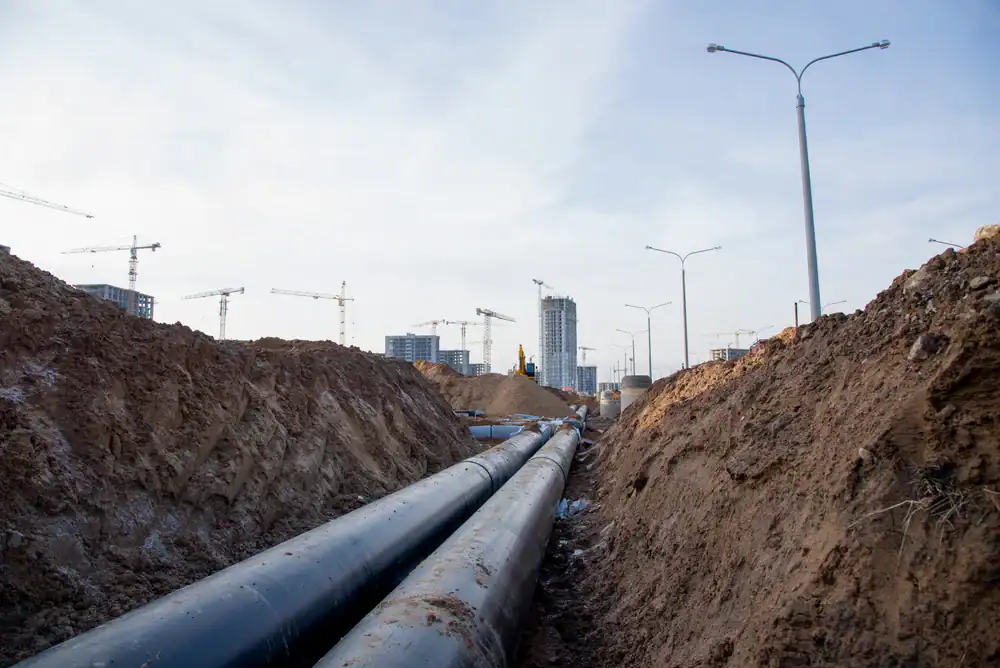
You’ll see a crew show up with an excavator, a dump truck for the old pipe and dirt, and the materials for the new line. We’ll trench from the house to the cesspool, pull the old pipe, set the new one, and backfill in layers. The yard will look rough for a bit, but we grade it before we leave so water drains properly.
You can still use your plumbing during most of the job. We’ll let you know if there’s a window where you need to hold off on running water – usually just a few hours while we’re making the final connections. Once the new line is in and backfilled, you’re good to go.
Tree roots are one of the top causes of line failure. They grow toward moisture, and your sewer line is a steady source. Once they find a crack or a loose joint, they work their way in and expand. Eventually they block the pipe completely or break it apart.
If you’ve got mature trees between your house and your cesspool, roots are probably already near the line. Clay tile and Orangeburg pipe are especially vulnerable because the joints aren’t sealed tight. PVC is better – the joints are glued and there’s less opportunity for roots to penetrate.
The best prevention is replacing old pipe with PVC before roots become a problem. If you’re already seeing slow drains or backups and you’ve got trees nearby, a camera inspection will show whether roots are the issue. We can clear them out, but if the pipe is damaged, they’ll just come back. Replacing that section with PVC solves it for good.
If your line cracks or collapses during a storm, you’ll see backups fast – especially if the ground is saturated and water is flooding into the pipe through the break. That overwhelms your cesspool and everything backs up into the house. If it happens during a freeze, you’ve got the added problem of standing water in the line turning to ice and blocking flow completely.
We run emergency service for situations like this. The first step is usually pumping your cesspool to create capacity, then getting a camera in the line to see where the failure is. If it’s a clean break, we can sometimes make a temporary repair to get you through the storm or cold snap, then come back and do the full replacement when conditions improve.
Sewer lines are buried below the frost line to avoid freeze damage, but if your pipe is shallow or there’s already a crack letting water in, freezing can make it worse. That’s why we dig deep enough and backfill carefully – so the line stays protected year-round.
Most line replacements run between $3,000 and $8,000 depending on the distance, the depth, and what’s in the way. A straight shot across an open yard costs less than a line that runs under a driveway or through landscaping. If we need to saw-cut concrete or work around utilities, that adds to the price.
You’ll get a free estimate before we start. We’ll measure the distance, check the depth of your existing line, and factor in access and site conditions. If there’s ledge rock or a high water table, that can affect the cost too – but we’ll know that upfront.
Compared to a full cesspool replacement, which can hit $25,000 or more, a line change is a manageable fix. And if you catch it early – before the pipe failure floods your cesspool with groundwater or causes a collapse – you’re looking at the lower end of that range. Waiting until it’s an emergency usually means more damage and a bigger bill.
Other Services we provide in Village Of The Branch