
Hear from Our Customers
You’re dealing with slow drains, sewage smells, or worse—backups that threaten your home and your family’s health. The last thing you need is someone showing up who can’t figure out what’s wrong or patches it just enough to fail again in six months.
Line changes aren’t about digging a trench and hoping for the best. They’re about identifying exactly where your sewer line to cesspool connection is failing, understanding why the pipe pitch and slope aren’t working, and replacing the damaged section with materials and methods that actually last.
When the job’s done right, your drains work like they should. Your property stays clean. Your system handles waste the way it was designed to, and you’re not calling someone back out in a year because the problem returned.
We’re a licensed and insured, owner-operated business that’s been handling cesspool and sewer line issues across Long Island for over a decade. We’ve worked on hundreds of West Babylon properties, from older homes with original clay pipes to newer systems that need emergency repairs.
We’re not a call center or a franchise. When you call, you’re talking to people who actually do the work and know what’s happening underground in Suffolk County. We respond to emergencies in under 30 minutes because we understand that pipe failure doesn’t wait for business hours.
West Babylon homeowners deal with aging infrastructure, tree root intrusion, and the reality that most properties here rely on cesspools instead of municipal sewer. We’ve seen it all, and we know how to fix it without dragging out the process or inflating the bill.
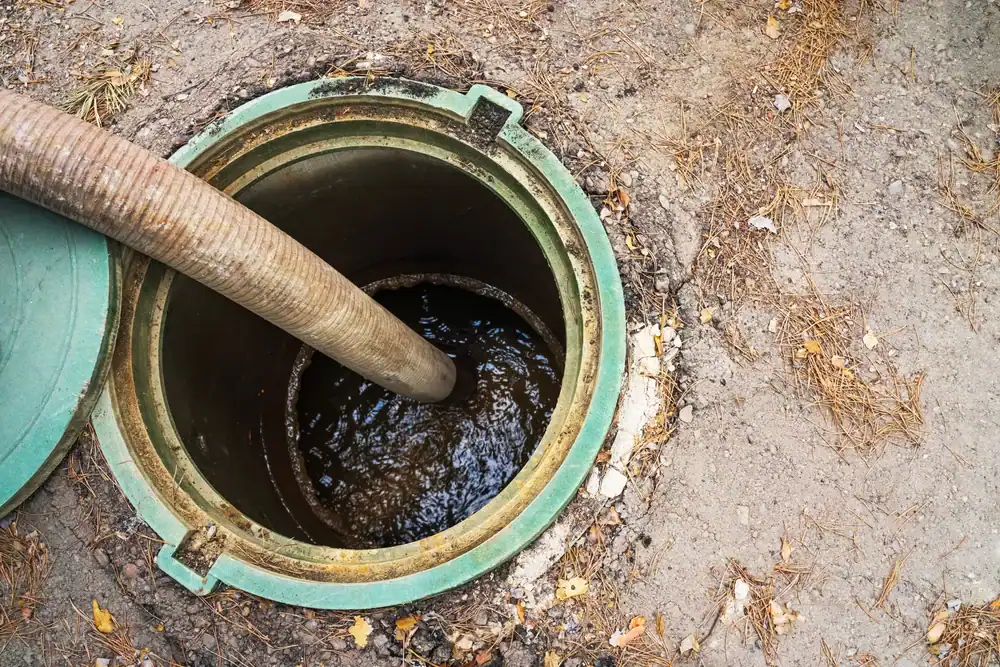
First, we assess the situation. That means locating the problem area, understanding what caused the failure, and confirming whether you need a full main waste line replacement or a targeted repair. We use video inspection when needed to see exactly what’s going on inside the pipe.
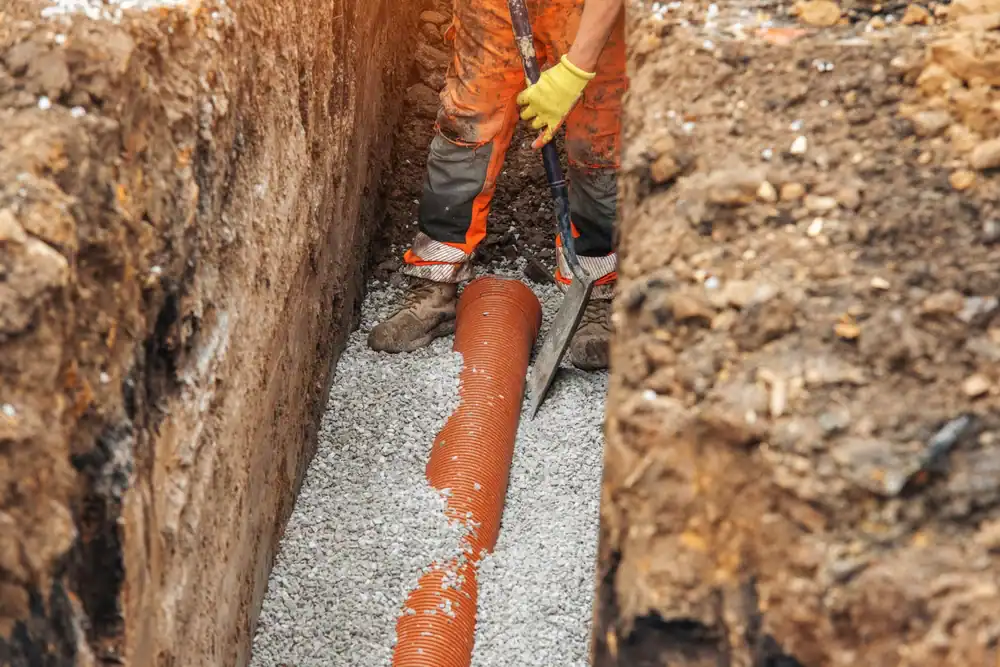
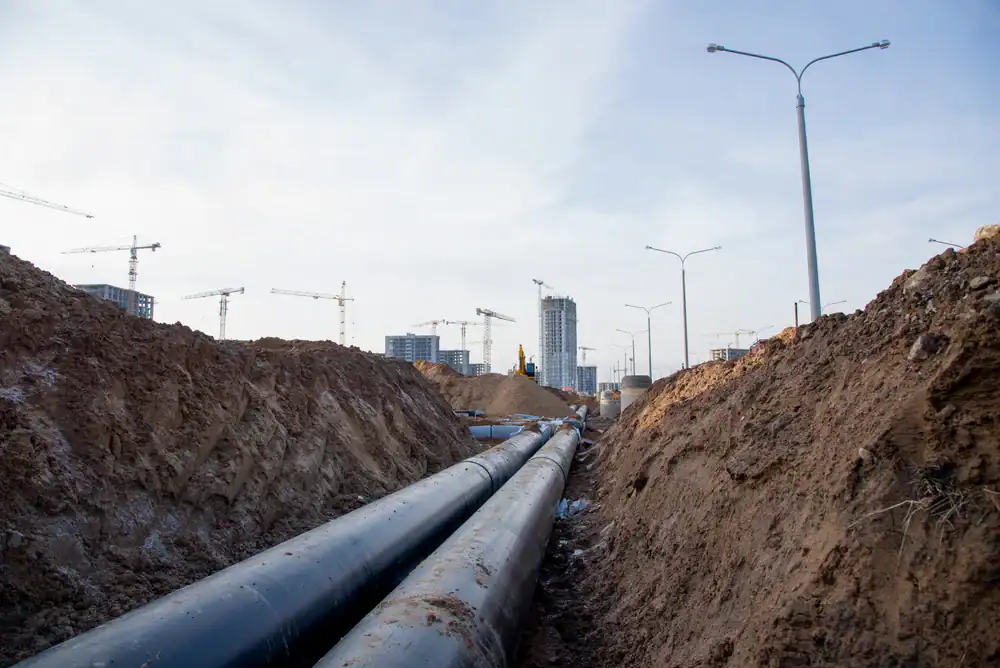
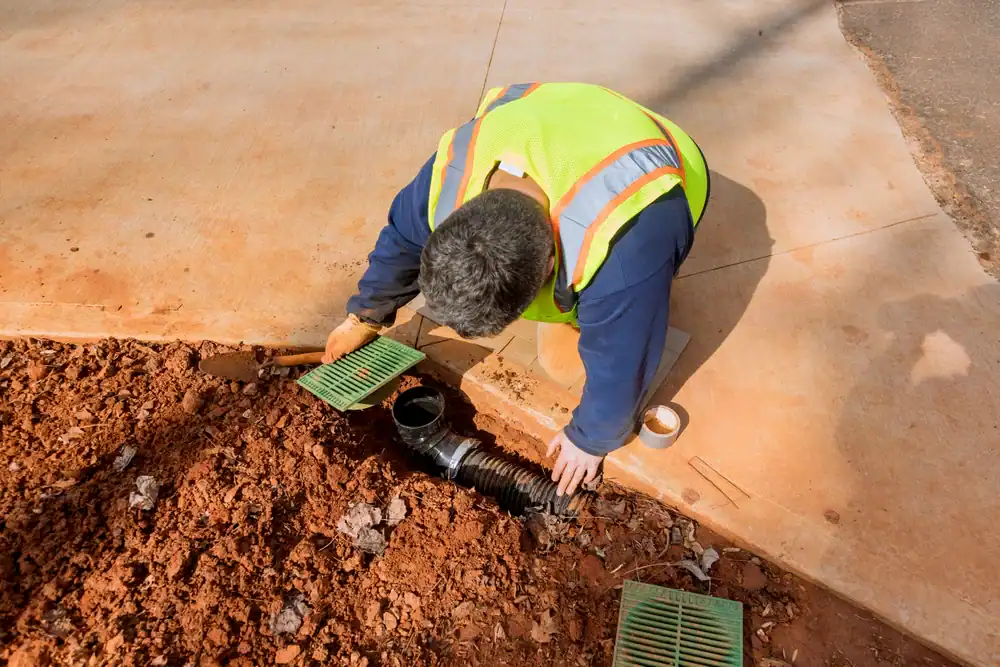
Once we know what’s broken, we handle the trenching and excavation. We dig down to the damaged section, remove the old pipe, and prepare the trench with the correct slope. Pipe pitch and slope aren’t optional—they’re what keep waste flowing toward your cesspool without pooling or backing up.
Then we install the new line. We use durable materials, make sure all connections are sealed properly, and backfill the trench so your property looks like we were never there. Before we leave, we test the system to confirm everything drains correctly and there are no leaks.
Ready to get started?
You get a licensed contractor who shows up when we say we will, diagnoses the problem accurately, and completes the job without cutting corners. That includes proper excavation, correct pipe installation, and cleanup that leaves your property in good shape.
In West Babylon, most cesspool systems are decades old. Pipes crack from ground movement, tree roots break through joints, and older materials like clay or cast iron simply wear out. Suffolk County also has strict regulations about nitrogen-reducing systems for major reconstruction, and we make sure any work we do meets those requirements.
We handle backups and pipe failure situations every week. We know what it takes to replace a failing sewer line to cesspool connection so it works for the long term, not just until the next rainstorm. And because we’re local, we understand the soil conditions, water table issues, and permitting requirements specific to this area.
It depends on what’s actually broken and how much of the line is compromised. If you’ve got a single crack or a small section damaged by tree roots, a targeted repair might be enough.
But if the pipe is old, showing multiple failure points, or made from materials that are deteriorating throughout, replacing the entire main waste line is usually the smarter move. Patching one spot doesn’t help if the rest of the line is about to fail.
We assess the full system before recommending anything. That means checking the age of your pipes, the material they’re made from, and whether there are signs of widespread damage. If a repair makes sense, we’ll tell you. If replacement saves you from repeat problems and emergency calls, we’ll tell you that too.
Most line changes take one to three days, depending on how much pipe needs replacing, how deep the line is buried, and what we run into during excavation. If it’s a straightforward replacement with easy access, we can often finish in a day.
If we’re dealing with a longer run, difficult soil conditions, or obstacles like driveways or landscaping that need careful handling, it takes longer. We don’t rush trenching and excavation—doing it right the first time matters more than doing it fast.
We’ll give you a realistic timeline before we start, and we keep you updated if anything changes. The goal is to get your system working again without leaving you in the dark about what’s happening or when you’ll have full use of your plumbing.
Age is the biggest factor. Pipes don’t last forever, and if your home is 30 or 40 years old with original plumbing, you’re likely dealing with materials that have reached the end of their lifespan. Clay pipes crack, cast iron corrodes, and even PVC can shift or separate at the joints over time.
Tree roots are another major cause. Roots seek out moisture, and even a tiny crack in your sewer line is an invitation. Once they get in, they grow, block the pipe, and eventually break it apart.
Ground movement, heavy vehicle traffic over the line, and improper installation also contribute. If the pipe pitch and slope weren’t set correctly when the line was first installed, waste doesn’t flow properly, and you end up with clogs and backups that put stress on the entire system.
We dig where we need to dig, but we do it carefully. That means marking utilities, planning the trench route to minimize disruption, and protecting landscaping wherever possible.
If your sewer line runs under a driveway, patio, or other hardscape, we’ll discuss options before we start. Sometimes we can work around it. Other times, we need to cut through and then restore the surface afterward.
We backfill trenches properly, compact the soil, and leave your property as close to its original condition as we can. You’ll have a working sewer line and a yard that doesn’t look like a construction zone. If restoration work is needed beyond basic backfilling, we’ll talk through what that involves before we begin.
Yes, most line changes require a permit from the Suffolk County Department of Health Services, especially if you’re replacing a significant portion of your sewer line to cesspool connection. The county has regulations about how cesspool systems are installed and maintained, and they want to make sure the work meets code.
We handle the permit process as part of the job. That includes submitting the application, providing the necessary documentation, and scheduling inspections if required. You don’t need to figure out the paperwork or deal with the county yourself.
Suffolk County also has specific rules about nitrogen-reducing systems for major reconstruction projects. If your line change qualifies as major work, we’ll make sure everything complies with current regulations so you’re not dealing with violations or fines down the road.
If we install it correctly with quality materials and proper slope, it shouldn’t fail. But if something does go wrong, we stand behind our work.
That means we come back, figure out what happened, and make it right. We’re not interested in doing the same job twice or leaving you stuck with a problem we were supposed to solve.
Most failures after a line change come from external factors—new tree root intrusion, ground shifting from heavy equipment, or damage from other utility work. Those situations are different from a faulty installation, and we’ll walk you through what’s covered and what’s not before we start the job.
Other Services we provide in West Babylon