
Hear from Our Customers
You know something’s wrong when sewage backs up into your home or your yard stays soggy near the cesspool. Those aren’t small problems that fix themselves.
A proper line change means your waste flows the way it should—downhill, without pooling, without backups. When we replace your main waste line or repair your sewer line to cesspool connection, we’re correcting the pipe pitch and slope that’s causing your system to fail. That means no more standing water in your pipes, no more slow drains, and no more raw sewage surfacing where it shouldn’t.
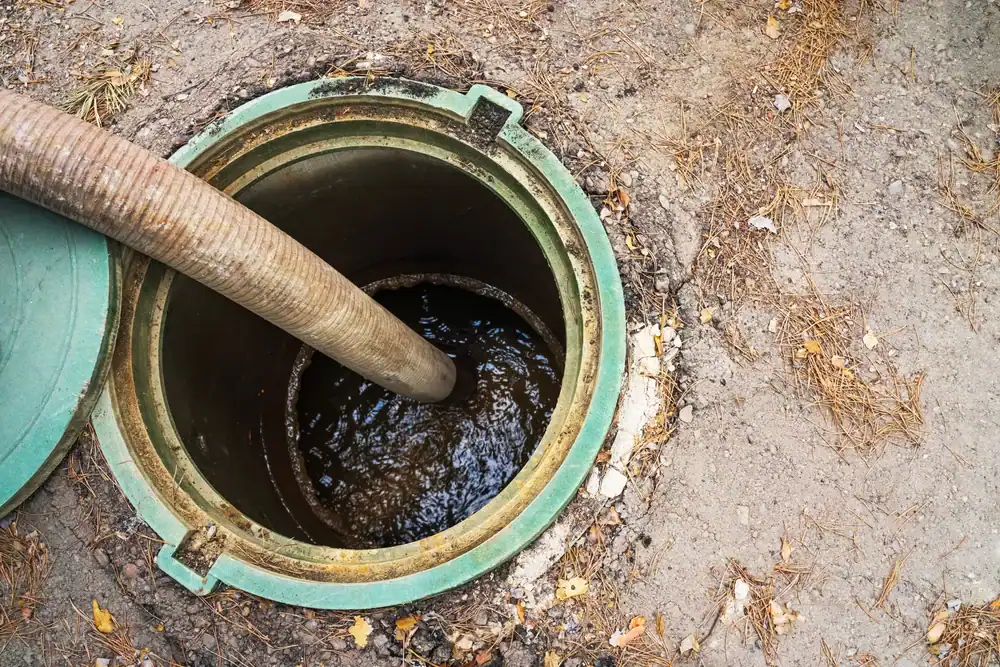
Most West Hills homes were built decades ago, and those original lines weren’t meant to last forever. Roots grow through them. Ground shifts. Pipes crack or collapse entirely. When that happens, pumping your cesspool won’t fix anything because the problem isn’t in the tank—it’s in the line getting waste there.
We’ve been handling cesspool emergencies and line repairs across Long Island for nearly two decades. We’re a family operation—four generations deep—which means we’re not going anywhere, and our reputation matters more than a single job.
West Hills sits in an area where almost every home depends on a cesspool or septic system. We’ve seen what happens when lines fail here: expensive emergency calls, torn-up yards, and homeowners stuck dealing with health department paperwork they don’t understand. We handle the trenching and excavation, the permits, and the actual line work so you don’t have to coordinate three different companies.
We’re licensed, insured, and we use video camera inspections to show you exactly what’s broken before we dig. No guessing. No upselling.
First, we locate the problem. We use electronic locating equipment and video cameras to pinpoint where your line is damaged, collapsed, or improperly sloped. You’ll see the footage yourself—cracks, root intrusion, bellied pipes, whatever’s causing the failure.
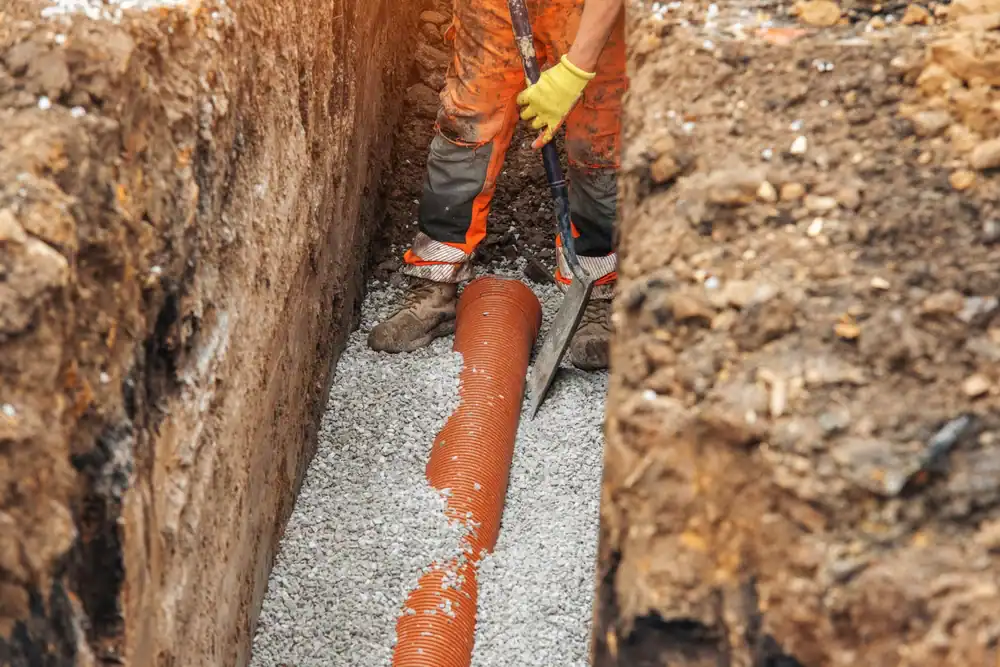
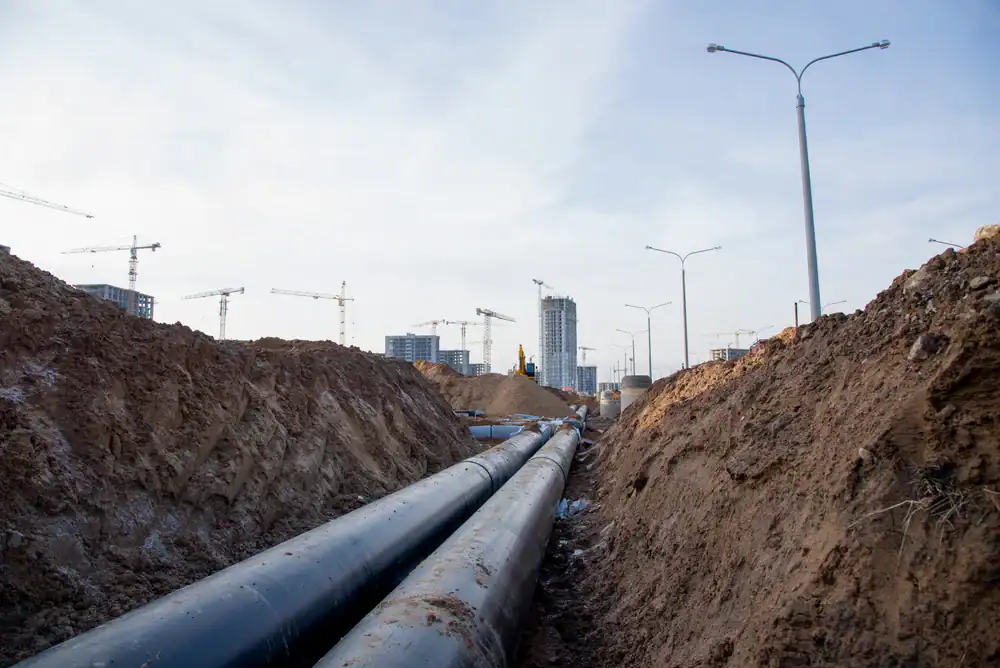
Next comes excavation. We trench down to the damaged section, whether that’s a few feet or the entire run from your house to the cesspool. If tree roots have invaded the line, we remove them and the damaged pipe section. If the pitch is wrong and waste isn’t flowing downhill properly, we re-grade and reinstall the line at the correct slope.
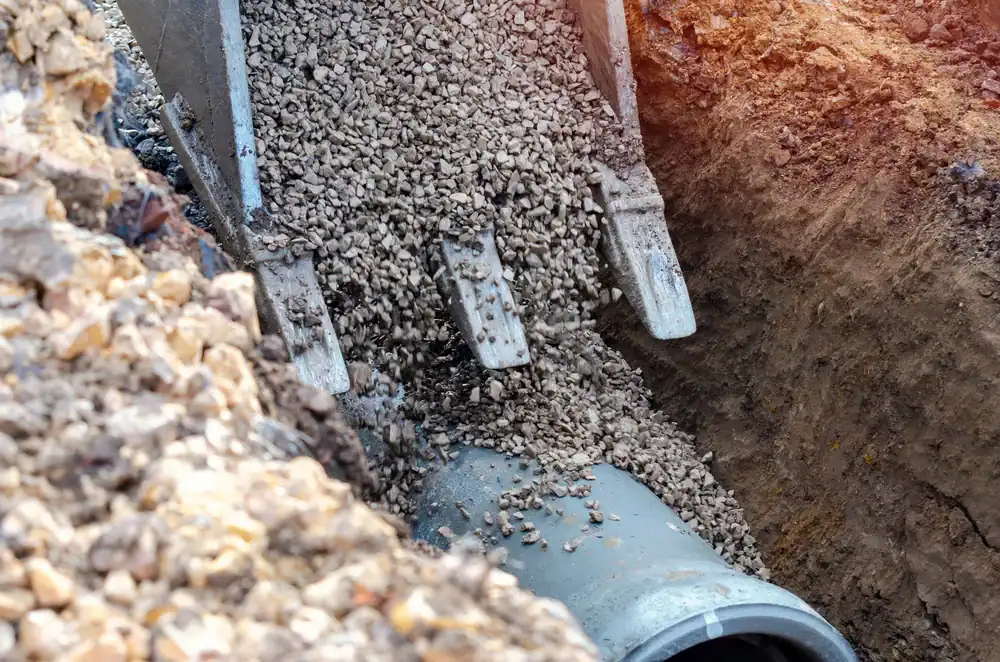
Then we replace the line with new pipe, backfill the trench, and compact the soil so your yard doesn’t sink later. We test the system before we leave—running water, checking flow, making sure everything drains fast and clean. You’ll get documentation for your records, including any permits filed with the county. The whole process usually takes one to three days depending on how much line needs replacing and how deep we have to dig.
Ready to get started?
A complete line change covers everything from diagnosis to final inspection. That includes video camera inspection of your existing line, electronic locating to map out the pipe route, and all necessary trenching and excavation to access the damaged section.
We handle pipe removal, new pipe installation with proper pitch and slope correction, and backfilling with compacted soil. If your line runs under a driveway or patio, we’ll work around it or cut and repair the surface depending on what makes sense. All required permits and health department filings are part of the job—you won’t be chasing paperwork after we leave.
West Hills properties often have mature trees and landscaping near cesspool lines. Roots are one of the most common causes of pipe failure here, especially in older clay or concrete pipes. Modern PVC pipe resists root intrusion much better, which is why most line changes involve upgrading the material, not just patching the old one. If your system is near the property line or close to a neighbor’s well, we’ll make sure the new line meets current setback requirements and doesn’t create compliance issues down the road.
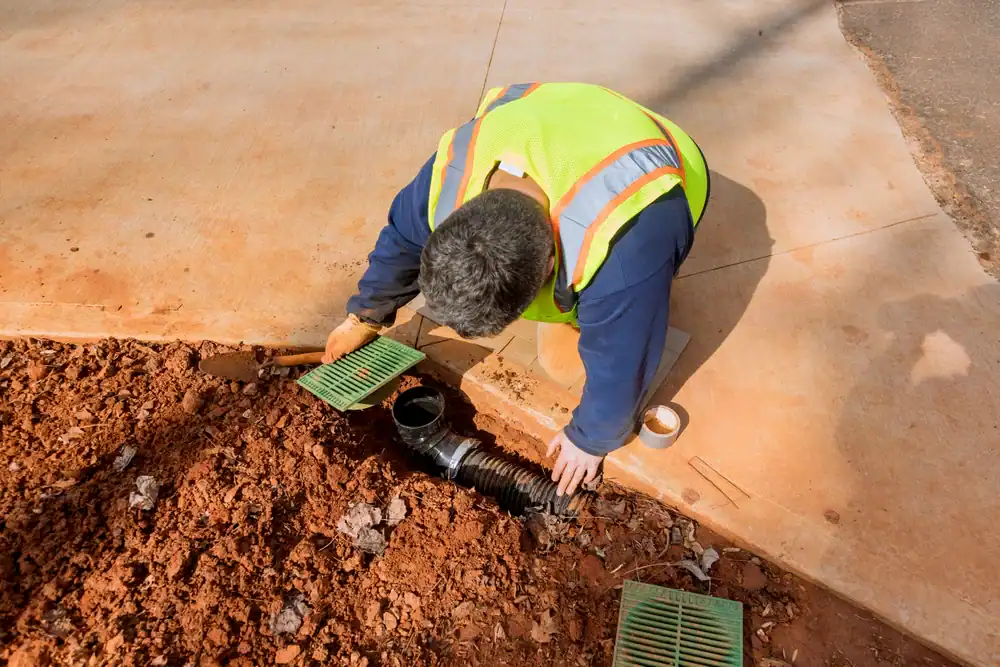
If you’re dealing with frequent backups even after pumping your cesspool, or if drains are slow throughout the house, that’s usually a line problem. Cleaning works when the pipe is intact but clogged—think grease buildup or a temporary blockage. A line change is necessary when the pipe itself is damaged.
We see this a lot: someone pays for repeated cleanings or pumping services, but the problem keeps coming back because the line has a crack, a collapsed section, or a belly where waste pools instead of flowing. Video inspection shows the difference immediately. If the camera reveals a structural issue—roots growing through the pipe, separated joints, or a section that’s completely flat or angled wrong—cleaning won’t fix it.
Another sign is wet spots or sewage odors in your yard near where the line runs. That means waste is leaking out of a damaged pipe before it even reaches the cesspool. You can’t clean your way out of that.
Age is the biggest factor. Most West Hills homes were built between the 1950s and 1980s, and those original lines were often clay, concrete, or even cast iron. Those materials crack, corrode, and separate at the joints over time. Once a crack forms, tree roots find it and grow into the pipe, making the problem worse.
Ground movement is another common cause. Long Island’s freeze-thaw cycles, soil settling, and even heavy vehicle traffic over a shallow line can shift pipes out of alignment. When that happens, you lose the downhill slope that gravity depends on to move waste. The line develops a belly—a low spot where waste and water collect instead of flowing through.
Sometimes the original installation was the problem. If the pipe was laid without proper slope from the start, it might work fine for years until buildup or a minor shift tips it over the edge. We’ve also seen lines damaged during other excavation work—a neighbor’s landscaping project, utility installation, or even a previous repair done without locating the line first.
Most residential line changes take one to three days depending on the length of pipe being replaced and site conditions. If we’re replacing a short section near the house, it might be done in a day. A full run from the house to a cesspool 50 or 100 feet away takes longer.
The disruption depends on where the line runs. We’ll need to excavate a trench, which means digging up part of your yard. If the line runs under a paved area, we’ll cut the pavement, do the work, and patch it back. You’ll have an open trench and equipment in your yard during the job, and you won’t be able to use that area until we backfill and compact the soil.
You can usually stay in your home during the work, but you’ll need to limit water use while we’re replacing the line. That means no laundry, dishwasher, long showers, or anything that sends a lot of water down the drain. Once the new line is in and tested, you’re back to normal. We clean up the site, remove equipment, and leave you with a working system and documentation for your records.
If the backup is caused by a damaged or improperly sloped line, yes—a line change fixes it permanently. You’re replacing the failed section with new pipe installed at the correct pitch, which means waste flows the way it’s supposed to and doesn’t pool or back up.
But a line change only fixes the line itself. If your cesspool is full, collapsed, or undersized for your household, you’ll still have problems until that’s addressed. That’s why we inspect the whole system, not just the line. If your cesspool needs pumping or repair, we’ll tell you before we start the line work so you’re not surprised by another issue a month later.
Once a new line is in, you shouldn’t see the same backup problems again unless something else fails. Modern PVC pipe resists root intrusion and holds up much better than the old clay or concrete lines. As long as you maintain your cesspool with regular pumping and don’t flush things that clog the system, the new line should outlast everything else on your property.
Cost depends on how much pipe needs replacing, how deep the line is buried, and what’s in the way. A short section near the house might run a few thousand dollars. A full line replacement from the house to a distant cesspool can run significantly more, especially if we’re working around mature trees, ledge rock, or paved surfaces.
We give you an upfront estimate after inspecting the line with a camera. You’ll know what’s broken, how much pipe needs replacing, and what the total cost will be before we start digging. No surprises, no change orders unless you ask us to handle something additional.
Emergency line changes cost more because they happen outside normal hours and you need the problem fixed immediately. If you’re dealing with sewage backing up into your home, you’re paying for after-hours labor and expedited scheduling. That’s why catching line problems early—before they become emergencies—saves money. If your drains are slow or you’re seeing wet spots in the yard, get it inspected now instead of waiting for a midnight backup.
Yes, most line changes require permits from the local health department because you’re modifying your wastewater system. The permit process involves submitting plans, getting approval, and scheduling an inspection after the work is done. We handle all of that as part of the job.
West Hills is in Suffolk County, which has specific requirements for cesspool systems and any work that affects them. If your property is near a water body, wetland, or in a sensitive environmental area, there may be additional restrictions or setback requirements. We know what the county requires and how to get permits approved without delays.
Skipping permits is a bad idea. If you ever sell your home, the buyer’s inspection or title search may uncover unpermitted work, which can kill the sale or force you to rip out the line and redo it properly. Insurance companies also deny claims for damage caused by unpermitted work. We pull permits for every job because it protects you and keeps everything legal and documented.
Other Services we provide in West Hills