
Hear from Our Customers
You know something’s wrong when drains slow down, sewage backs up into your home, or you notice soggy patches in your yard. Those aren’t minor inconveniences—they’re signs your waste lines are failing, and waiting only makes the damage worse.
Line changes fix the root problem. We replace damaged or improperly installed pipes between your home and cesspool with new lines set at the correct pitch and slope. That means wastewater flows the way it should, your system drains completely, and you stop dealing with recurring backups that cost you time and money.
Most properties in Westhampton sit on soil that shifts with seasonal moisture and freeze-thaw cycles. Older cesspools often have lines that were never installed to proper grade, or they’ve settled and cracked over the years. When that happens, waste pools in low spots, solids build up, and your entire system starts failing. Replacing those lines before they cause a complete backup saves you from emergency repairs that run into the thousands and tear up your property for weeks.
Quality Cesspool has spent over a decade working on cesspool systems throughout Westhampton and the surrounding Suffolk County area. We’re licensed and insured, and we’ve seen what happens when lines aren’t installed correctly or when homeowners wait too long to address drainage problems.
Most properties here were built before modern septic regulations, which means many systems need careful attention and proper upgrades to meet today’s standards. We understand the local soil conditions, how seasonal property usage affects your system, and what Suffolk County requires for compliance. That’s not something you get from a company that just started working in the area last year.
When you call us at 631-529-0101, you’re getting a team that knows what your system needs and how to get the work done without unnecessary delays or surprise costs.
We start by inspecting your current lines to confirm where the problem is and what’s causing it. That might be a cracked pipe, improper slope, root intrusion, or settling that’s created low spots where waste collects. You’ll know exactly what needs fixing before we dig.
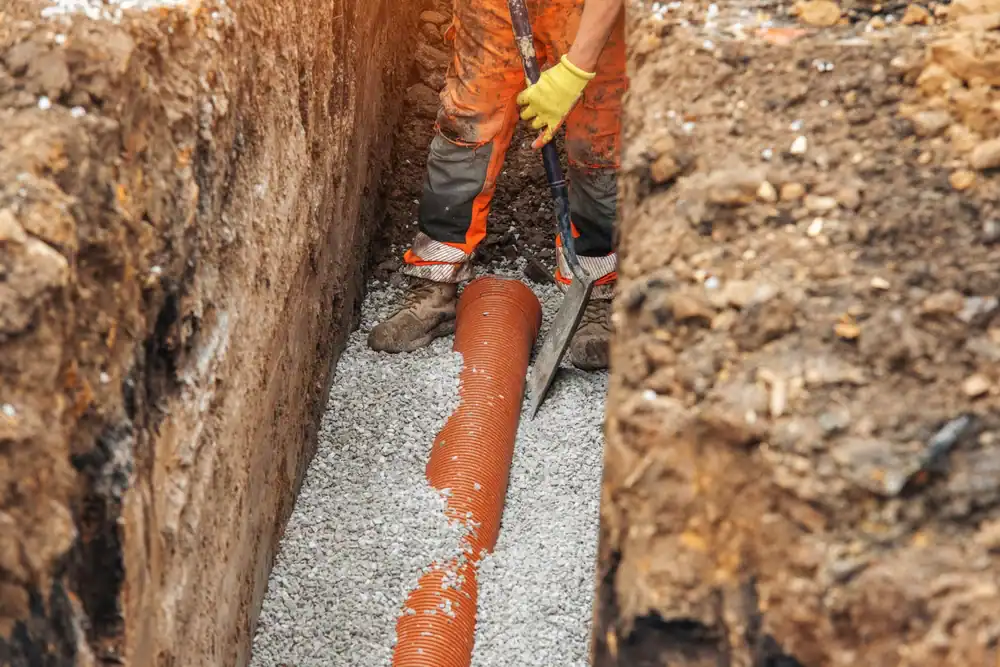
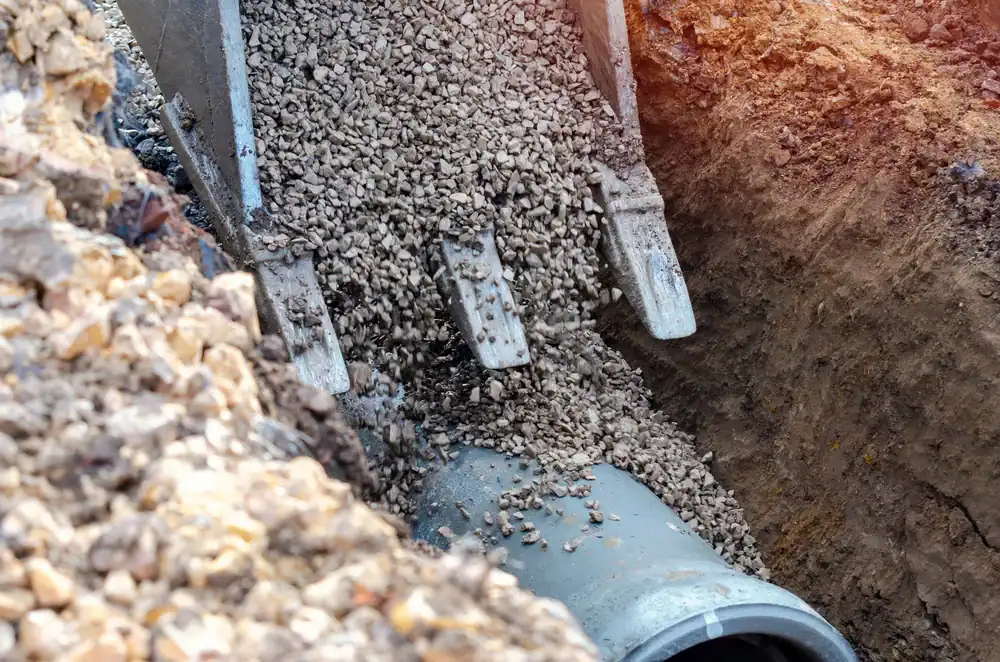
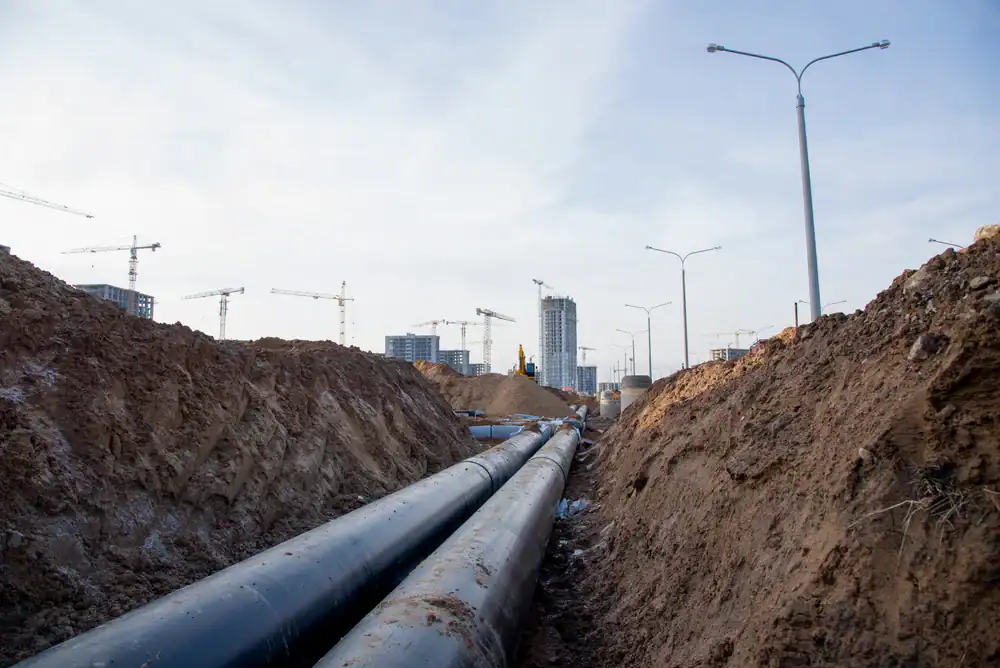
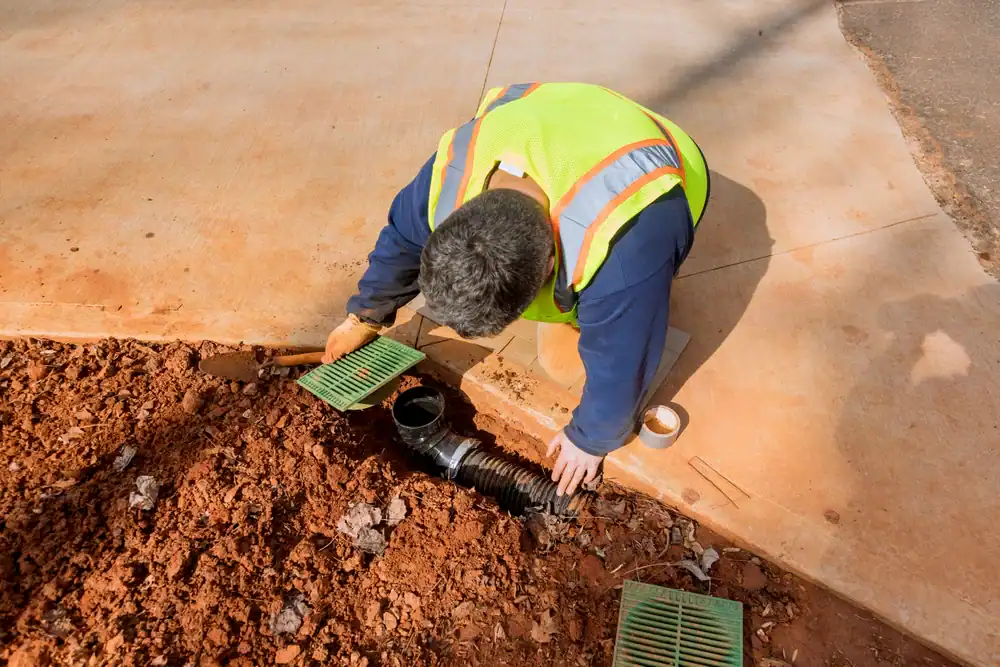
Next comes trenching and excavation. We expose the damaged section of line between your home and cesspool, removing old pipes and any compromised materials. This is where experience matters—digging too shallow or too deep creates new problems, and you need someone who understands how to work around existing structures, utilities, and landscaping without causing unnecessary damage to your property.
Then we install new pipe at the correct pitch and slope. Waste lines need to drop at least a quarter inch per foot to drain properly. Too flat and waste sits in the line. Too steep and liquids run ahead of solids, leaving buildup behind. We set the grade right so everything flows the way it should and your system works the way it’s supposed to.
After the new line is in place, we backfill the trench, compact the soil, and test the system to make sure wastewater is draining completely into your cesspool. You’ll see the difference immediately—drains that work, no backups, and a system that’s built to last.
Ready to get started?
Every line change includes a full inspection of your current system so you understand what’s failing and why. We don’t guess—we confirm the problem before we start digging. That saves you from paying for work you don’t need and ensures we’re fixing the actual issue causing your backups or slow drains.
You also get proper trenching and excavation that protects your property. We locate utilities before we dig, work around landscaping where possible, and restore your yard after the work is done. The goal is to fix your waste lines without leaving your property torn up for weeks or creating new problems with poor excavation practices.
Most importantly, you get new pipes installed at the correct pitch and slope for your specific property. Westhampton’s soil conditions and local regulations require careful attention to grade and drainage. We’ve been doing this work here for years, so we know what Suffolk County requires and how to set lines that drain completely without pooling or backing up. That’s the difference between a line change that lasts and one that fails again in a few years.
Suffolk County has strict environmental regulations around cesspool systems, especially with the Long Island Nitrogen Action Plan pushing for better wastewater management. Properly installed lines aren’t just about convenience—they’re about keeping your system compliant and protecting local groundwater from contamination.
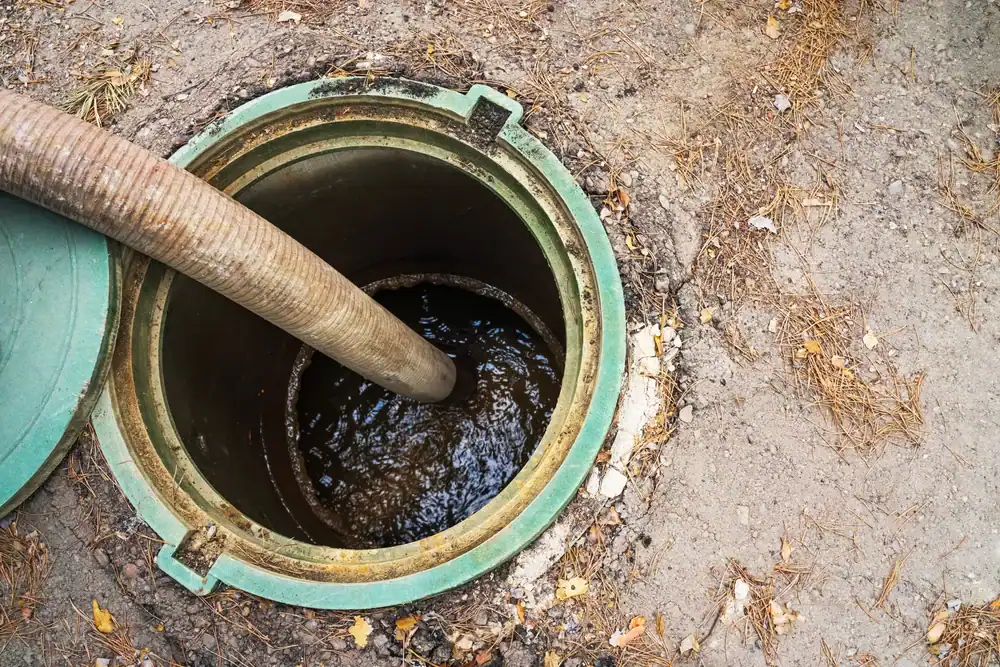
If you’re dealing with frequent backups even after pumping, slow drains throughout your home, or wet spots in your yard near the cesspool line, you’re likely looking at a pipe problem, not just a full tank. Cleaning removes buildup and waste from your cesspool, but it doesn’t fix cracked pipes, improper slope, or lines that have settled and created low spots where waste pools.
A good way to tell the difference: if your system works fine for a few weeks after pumping and then starts backing up again, that’s usually a line issue. Waste isn’t flowing into the cesspool the way it should, so solids build up in the pipe instead of making it all the way to the tank. That’s when you need a line change, not another pump-out.
We can inspect your lines and tell you exactly what’s going on. Sometimes it’s a simple fix, sometimes it’s a full replacement. Either way, you’ll know what you’re paying for before we start digging, and you won’t waste money on cleaning services that don’t solve the actual problem.
Most residential line changes take one to three days depending on the length of pipe that needs replacing, how deep we need to dig, and what we run into during excavation. If we’re replacing a short section near your home, that’s usually a one-day job. Longer runs from your house to the cesspool or lines that require deeper trenching take more time.
Weather and soil conditions also affect the timeline. Westhampton gets over 43 inches of precipitation per year, and wet soil slows down excavation and backfilling. If we hit rock or need to work around utilities, that adds time too. We’ll give you a realistic estimate after we inspect your property and see what we’re working with.
The good news is that your system doesn’t need to be completely offline during the work. We can usually keep at least one bathroom functional while we’re replacing lines, so you’re not stuck without plumbing for days. Once the new pipe is in and tested, everything goes back to normal—no more backups, no more slow drains, just a system that works the way it should.
The most common cause is improper installation. A lot of older properties in Westhampton were built before modern septic codes, and lines were often set without the correct pitch and slope. When pipes don’t drop at least a quarter inch per foot, waste doesn’t flow completely into the cesspool. Solids settle in low spots, liquids back up, and eventually the whole line clogs or collapses.
Soil settling is another big one. Suffolk County soil shifts with seasonal moisture changes and freeze-thaw cycles. Over time, that movement causes pipes to sag, crack, or separate at joints. Once a line loses its grade or develops cracks, tree roots find their way in, and the problem gets worse fast. Roots grow into the pipe, catch solids, and create blockages that no amount of cleaning will fix.
Age and material failure also play a role. Older clay or cast iron pipes corrode and crack over time, especially in areas with high groundwater. If your property has original lines from 30 or 40 years ago, there’s a good chance they’re failing even if you haven’t seen major backups yet. Replacing them before they collapse completely saves you from emergency repairs and the property damage that comes with sewage backups.
If the problem is with your lines—cracked pipes, improper slope, or settling that’s created drainage issues—then yes, a line change fixes that permanently as long as the new pipes are installed correctly. You’ll stop dealing with backups caused by waste pooling in low spots or solids building up in damaged sections of pipe.
But if your cesspool itself is failing—if the walls are collapsing, the bottom is saturated, or the system is undersized for your property—then new lines won’t solve that. They’ll help wastewater reach the cesspool more efficiently, but they can’t fix a tank that’s reached the end of its life or a drain field that’s no longer absorbing effluent. That’s why we inspect the entire system before recommending a line change. You need to know if you’re fixing a pipe problem or dealing with a larger cesspool failure.
Most residential cesspools in Westhampton need pumping and maintenance every two to three years. If you’re keeping up with that schedule and your tank is still in good shape, then replacing failed lines gives you a system that works properly for years. If you’ve been neglecting maintenance or your cesspool is decades old, we’ll tell you what else needs attention so you’re not surprised by another failure six months down the road.
Cost depends on how much pipe needs replacing, how deep we need to dig, and what we run into during excavation. A short section of line near your home might run a few thousand dollars. A full replacement from your house to a cesspool that’s 50 or 100 feet away costs more because of the additional trenching, materials, and labor involved.
Soil conditions and site access also affect pricing. If we’re working in an area with high groundwater, rocky soil, or tight access that limits equipment, that adds time and cost. Same goes for properties where we need to work around landscaping, driveways, or other structures. We’ll give you a clear estimate after we inspect your property and see exactly what the job requires.
What you’re really paying for is work that’s done right the first time. Cheap line changes that don’t address proper pitch and slope or use substandard materials end up failing again in a few years, and you’re back to dealing with backups and paying for another repair. We use quality pipe, set the grade correctly, and make sure your system drains the way it should so you’re not calling us back in two years with the same problem. That’s worth the investment, especially when you consider that emergency repairs and property damage from sewage backups can easily run $7,000 or more.
Yes, most line changes in Suffolk County require permits, especially if you’re doing significant excavation or altering your cesspool system. The county has strict regulations around wastewater systems because of groundwater protection concerns and the Long Island Nitrogen Action Plan. Permits ensure the work meets local codes and that your system is compliant with current environmental standards.
We handle the permit process as part of the job. That includes submitting plans, coordinating inspections, and making sure everything is documented correctly. You don’t need to deal with the county directly or worry about whether the work meets code—that’s our responsibility, and it’s built into the service.
Working without permits might seem like a way to save money, but it creates serious problems down the road. If you try to sell your property and the buyer’s inspection reveals unpermitted work, you’re looking at costly repairs or legal issues that delay or kill the sale. Suffolk County also has the authority to fine property owners for unpermitted cesspool work, and those penalties add up fast. Getting permits upfront protects your investment and keeps your property compliant with local regulations.
Other Services we provide in Westhampton