Summary:
You want to take care of your property. You’re capable, you’ve got tools, and you’re not afraid of a little work. But your cesspool isn’t a leaky faucet or a clogged gutter. It’s a system that handles toxic gases, raw sewage, and bacteria that can make your family seriously ill.
The question isn’t whether you’re capable. It’s whether certain tasks are worth the risk when professional services exist specifically to handle the hazards you can’t see, smell (after a certain point), or prepare for without specialized equipment.
Here’s what you need to know about cesspool maintenance safety, what you can realistically handle, and when calling a professional isn’t optional.
What Is Safe DIY Cesspool Maintenance?
Let’s start with what you can do. There are maintenance tasks that don’t require you to open your cesspool, handle waste directly, or expose yourself to dangerous conditions.
Proper waste disposal is something every household member should understand. Avoid flushing non-biodegradable items like wipes or sanitary products. Dispose of them in appropriate bins to reduce stress on your cesspool. This simple habit prevents clogs and extends the time between professional pump-outs.
Water management matters too. Fix leaky faucets and running toilets immediately. Excessive water doesn’t just waste resources—it overloads your cesspool and can cause premature system failure. Spread out laundry loads throughout the week instead of doing everything in one day. Your cesspool needs time to process wastewater, and flooding it all at once creates problems.
DIY Cesspool Maintenance Tasks You Can Handle Safely
Safe DIY maintenance focuses on prevention and monitoring, not direct system interaction. Keep detailed records of when your cesspool was last pumped, any treatments applied, and any issues you’ve noticed. These records help professionals diagnose problems faster and can save you money during service calls.
Protect your cesspool from physical damage. A cesspool system is made of concrete, cement block, or bricks with pipes running in and out of it. Any type of heavyweight vehicle will destroy the walls or roof resulting in the release of raw sewage into the yard. When this happens you are in for costly repairs or thousands of dollars in a replacement. Mark the location clearly and make sure family members, guests, and service providers know not to drive or park there.
Manage your landscaping thoughtfully. Avoid planting trees and shrubs with aggressive root systems near your cesspool. The roots can infiltrate and damage the tank or distribution pipes. If you’re planning any yard work, know where your system is located before you dig.
Monitor for warning signs. Slow drains, gurgling sounds, foul odors, or wet spots in your yard signal problems that need professional attention. Detect signs of blockages, leaks, or system failures, like wet spots, foul odors, or slow drains. Catching these early means you’re dealing with routine maintenance instead of an emergency.
You can also conserve water throughout your home. Install low-flow fixtures, fix leaks promptly, and be mindful of how much water your household uses daily. The less water entering your cesspool, the longer it lasts between pump-outs and the better it functions overall.
Why Some Homeowners Attempt DIY Cesspool Work
The appeal of DIY is obvious. Professional cesspool pumping costs money, and if you’re handy around the house, it’s tempting to think you can handle it yourself. Maybe you’ve watched a few videos online or talked to someone who claims they pump their own cesspool without issues.
Cost is the biggest motivator. Preventive cesspool services cost between $300 and $500 annually for most Long Island homes. Complete cesspool replacement runs $8,000 to $15,000. When you’re looking at those numbers, the idea of saving a few hundred dollars seems reasonable.
But here’s what those online videos and casual conversations don’t show you. They don’t capture the invisible gases that can knock you unconscious in seconds. They don’t explain the specialized equipment professionals use to monitor air quality before they even open a cesspool. They don’t mention the liability insurance, the years of training, or the fact that professionals have backup systems in place if something goes wrong.
Homeowners attempting DIY cesspool work have been seriously injured or killed by gas exposure. Even if you survive the initial exposure, long-term health effects from sewage-related pathogens can cause ongoing medical problems. The few hundred dollars you might save on professional service isn’t worth risking your life or health.
The risks aren’t theoretical. People have died attempting DIY cesspool work. Others have suffered permanent health damage. In Suffolk County, where environmental regulations are strict and cesspools are common, we see the aftermath of failed DIY attempts regularly.
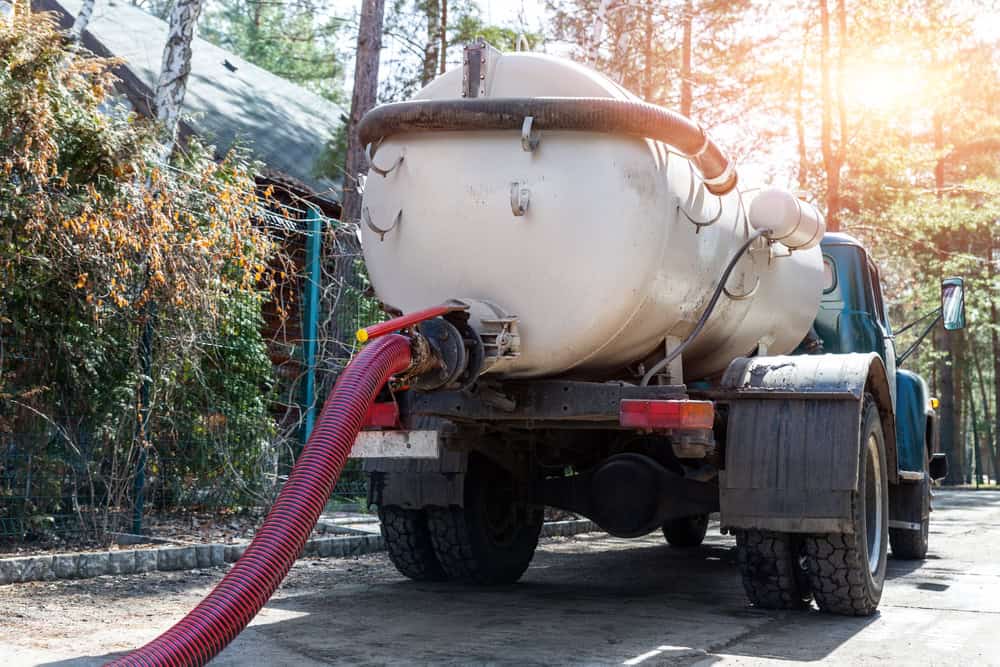
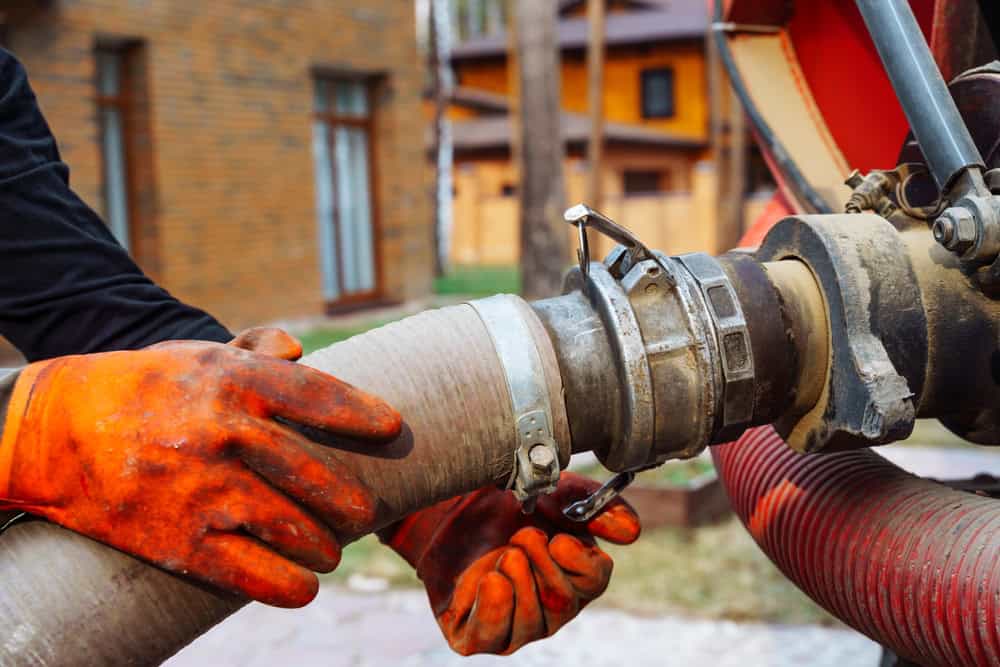
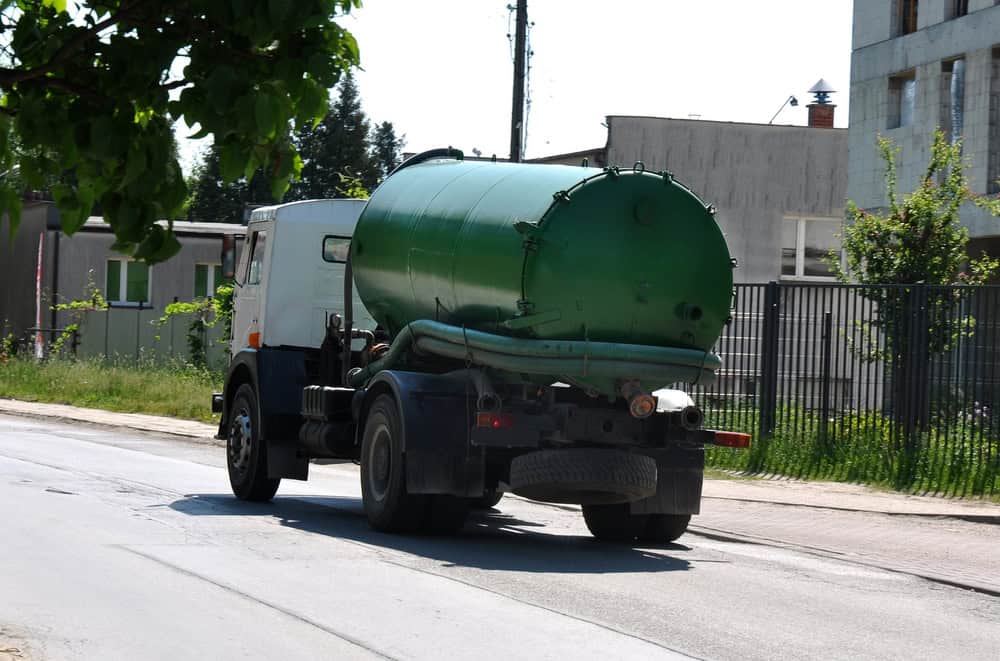
There’s also the equipment factor. Vacuum trucks, high-pressure jetting systems, and gas monitoring equipment are necessary to remove blockages without health risks. These aren’t tools you can rent from the local hardware store—they’re specialized commercial vehicles and equipment worth hundreds of thousands of dollars. You can’t replicate this capability with a shop vac and determination.
Cesspool Safety Hazards That Require Professional Expertise
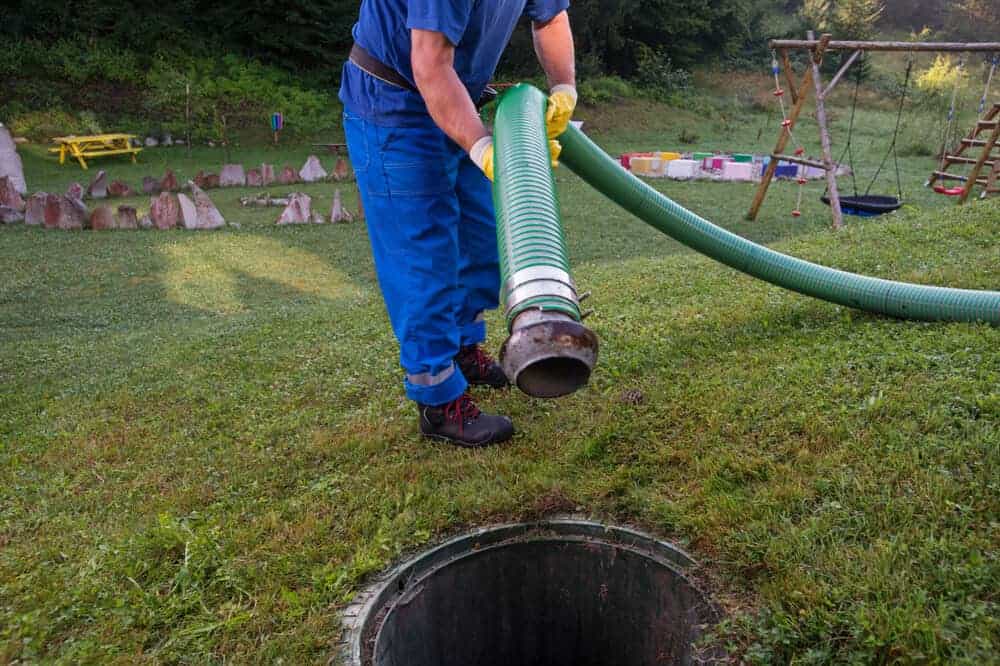
The moment you need to open your cesspool, interact with its contents, or diagnose internal problems, you’ve crossed into territory that requires professional help. This isn’t about skill level. It’s about exposure to hazards that can kill you before you realize you’re in danger.
Cesspool gases don’t just smell bad—they can kill. Hydrogen sulfide becomes lethal at concentrations as low as 100 parts per million, and methane can create explosive conditions. These gases are heavier than air, which means they accumulate in cesspool chambers and enclosed spaces. You can’t see them, and after a certain concentration, you can’t smell them either.
That’s the truly dangerous part. Hydrogen sulfide has a characteristic rotten-egg smell at low concentrations, which seems like a built-in warning system. High concentrations of hydrogen sulfide (>150 ppm) can produce olfactory fatigue, whereby the scent becomes undetectable. At higher concentrations (>300 ppm), hydrogen sulfide can cause loss of consciousness and death. Very high concentrations (>1000 ppm) can result in immediate collapse, occurring after a single breath.
Professional Cesspool Service Benefits You Can't Replicate
Professional cesspool services aren’t just about having the right truck. They’re about having systems in place to handle every aspect of the work safely and effectively.
We carry gas monitoring equipment that continuously measures air quality. These gases are heavier than air, meaning they accumulate in cesspool chambers and can overcome anyone who enters without proper detection equipment. Our technicians carry calibrated gas monitors that alert them to dangerous conditions before they become life-threatening. We know how to properly ventilate work areas and use breathing apparatus when necessary.
The pumping process itself requires careful control. Professional cesspool pumping requires trucks with powerful vacuum systems capable of handling thick sludge and solid waste. The pumping process must be carefully controlled to prevent damaging the cesspool structure or creating dangerous suction that could collapse distribution lines. Improper pumping can cause structural damage that costs thousands to repair.
Inspection capabilities make a huge difference. We pump accumulated solids using commercial vacuum equipment designed for complete waste removal without damaging the cesspool structure. We inspect the interior walls for cracks or deterioration that could affect performance. We check baffle conditions, measure liquid levels, and examine the distribution box for proper operation. This thorough approach catches developing problems when repairs cost hundreds instead of thousands.
Suffolk County regulations add another layer of complexity. Unlicensed work risks steep fines and failed inspections, with missed pump-outs or failed reports resulting in fines of $250-$2,000 in New York. Long Island’s environmental regulations are among the strictest in the nation, and compliance isn’t optional. Cesspool installation requires permits from local health departments in both Suffolk and Nassau Counties, with permit applications, soil testing, and inspection scheduling handled by professional services. Even routine maintenance now requires documentation and reporting to county databases.
We also understand Long Island’s specific environmental conditions. The county’s proximity to water bodies, like the Long Island Sound and the Atlantic Ocean, adds an environmental responsibility to maintain these ecosystems. The soil composition and water table levels in different parts of the county also affect how cesspools function and are maintained. This local knowledge matters when diagnosing problems and recommending solutions.
When to Call a Cesspool Professional Immediately
Some situations don’t give you time to research options or weigh costs. They require immediate professional response.
A true cesspool emergency means sewage is actively backing up into your home, standing water around your property smells like waste, or drains have completely stopped working throughout your entire house. These conditions create immediate health hazards and property damage that compounds by the hour.
Multiple drains backing up simultaneously tells you the problem is your main cesspool system, not individual fixture clogs. If your kitchen sink, bathroom drains, and toilets are all slow or backing up at once, waste has nowhere to go and you need professional help immediately.
Persistent foul odors that get stronger over time indicate waste is escaping your system somewhere. This isn’t just unpleasant—it’s a health hazard. Strong, unpleasant smells emanating from the area can indicate contamination and pose serious health hazards. These gases can cause headaches, nausea, and respiratory problems with prolonged exposure. Children and elderly family members are particularly vulnerable to cesspool gas exposure. Contamination can be a serious health hazard, causing illness and even death in extreme cases.
Wet spots or standing water in your yard near your cesspool location signal overflow or leaks. The health risks associated with standing wastewater around your property are serious. Raw sewage contains harmful bacteria, viruses, and parasites that can cause illness if you or your family members come into contact with it. Children and pets are particularly vulnerable because they’re more likely to play in affected areas.
Even if you’re not facing an emergency, regular professional maintenance prevents these situations. Certified cesspool cleaning companies in Suffolk County offer care, repair, and maintenance for underground sewage treatment systems. These are usually done every 2 to 3 years, depending on the number of people in the household. This frequency keeps your system functioning properly and catches problems before they become emergencies.
The timeline matters because cesspools don’t last forever. Concrete, depending on the quality and mixing, can last up to 40 years. Steel can last for 15 to 20 years until it becomes rusted. Professional inspections help you understand where your system is in its lifecycle and plan for eventual replacement before you’re dealing with a crisis.
Suffolk County’s high percentage of cesspool-dependent homes makes professional services readily available. Almost 75% of households in Suffolk County, NY currently have cesspools. This means local professionals understand the specific challenges Long Island homeowners face and have extensive experience with systems like yours.
Making Smart Decisions About Cesspool Maintenance Safety
You can absolutely contribute to your cesspool’s health and longevity. Monitor your system, manage water usage, dispose of waste properly, protect the physical structure, and keep good records. These tasks are safe, effective, and save you money over time.
But know where the line is. Pumping, internal inspections, repairs, gas monitoring, and anything that requires opening your cesspool or handling its contents belongs in professional hands. The risks aren’t worth it, the equipment isn’t accessible, and the regulations require proper licensing and documentation.
Your cesspool is a critical part of your home’s infrastructure. Treating it with respect means knowing when to handle maintenance yourself and when to call experts who have the training, equipment, and experience to do the job safely. For Suffolk County homeowners who need reliable cesspool services backed by four generations of experience, we offer the expertise and safety-first approach your property deserves.