Septic Tank Pumping in Elwood, NY

Your Septic System Running Smoothly Again

Fast, professional septic tank pumping that prevents backups and keeps your Elwood property protected from costly failures.
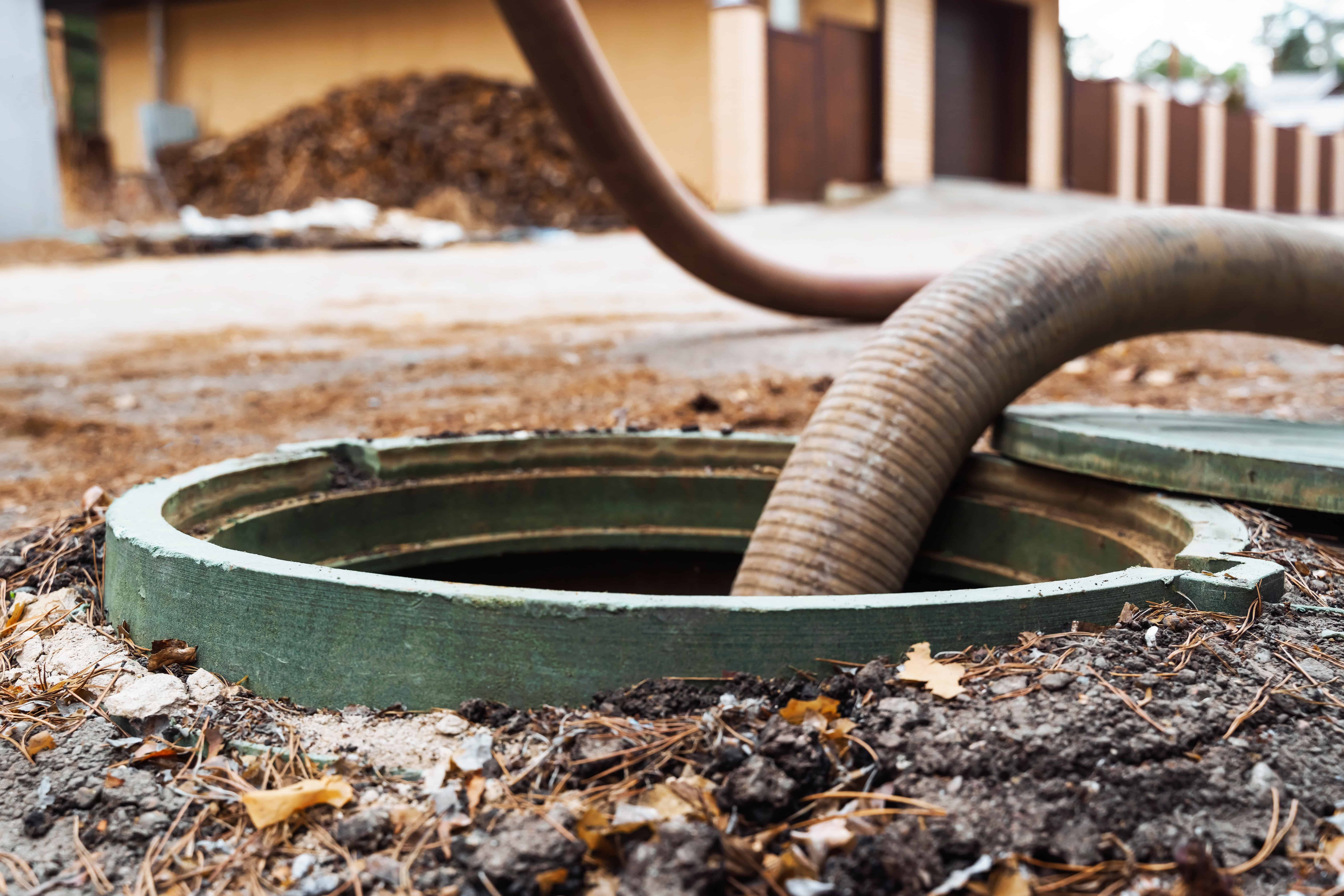
A large hose is inserted into an open green manhole on a dirt ground outside a building, suggesting septic tank pumping is in progress.

Hear from Our Customers

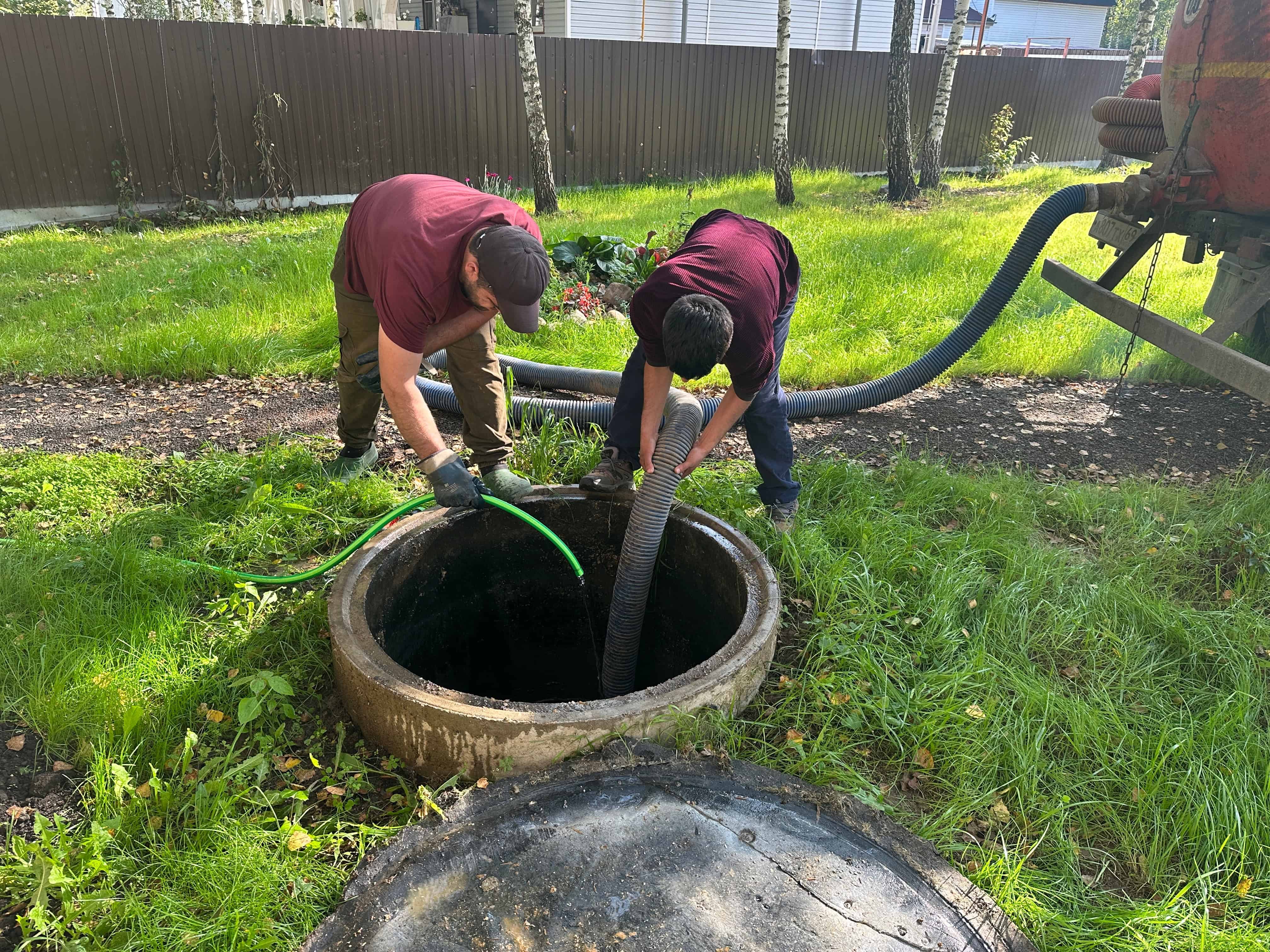
Two workers in maroon shirts and gloves are standing on grass, working on a sewer manhole.

Professional Septic Pumping Services

What Proper Septic Maintenance Gets You

When your septic tank gets pumped on schedule, you avoid the nightmare scenarios that keep homeowners up at night. No more worrying about sewage backing up into your basement during your next dinner party. No more wondering if that slow drain means you’re headed for a five-figure system replacement.

Regular septic pumping means your system processes waste efficiently, your drains flow freely, and you’re not dealing with unpleasant odors around your property. You get peace of mind knowing your septic system is working as designed, protecting both your home and your wallet.

Most importantly, you’re staying ahead of problems instead of reacting to emergencies. That means lower costs, less stress, and a septic system that serves your family reliably for decades instead of failing when you least expect it.

Elwood Septic System Experts

We Know Long Island Septic Systems

We’ve been handling septic tank pumping and maintenance throughout Elwood and the surrounding Long Island communities for years. We understand how the sandy soil and high water table in this area affects septic systems, and we know what it takes to keep them running properly.

Our technicians are licensed, experienced, and equipped with professional-grade pumping equipment that gets the job done right the first time. We follow all local regulations for waste disposal and environmental protection, so you never have to worry about compliance issues.

When you call us, you’re working with a local business that understands the unique challenges of maintaining septic systems in Elwood, NY.
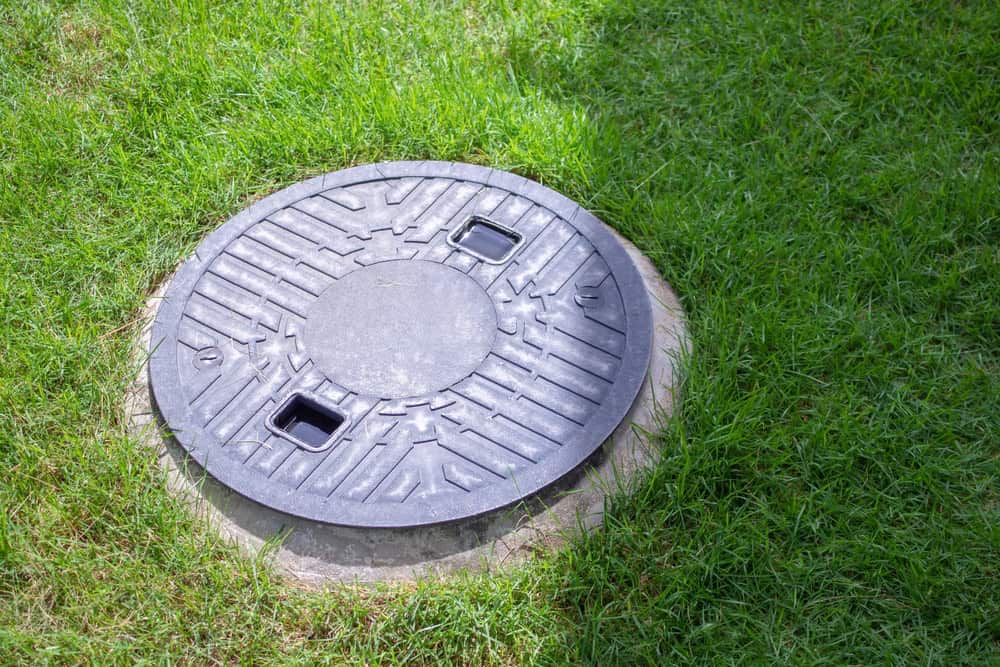
A round, black manhole cover with two small rectangular slots is situated on a grassy lawn, likely indicating a point for septic tank pumping.

Septic Tank Pumping Process

Here's Exactly What Happens During Service

First, we locate and uncover your septic tank access port, taking care not to damage your landscaping or property. Our technician inspects the tank to assess the sludge and scum levels, checking whether pumping is needed and looking for any signs of potential issues.

Next, we use professional pumping equipment to remove all liquid and solid waste from your tank. This isn’t a quick suction job – we thoroughly clean the tank, breaking up any stubborn buildup and ensuring everything gets removed properly.

During the process, we inspect your tank’s condition, checking for cracks, damaged baffles, or other issues that could cause problems down the road. We’ll let you know what we find and give you straight advice about any maintenance or repairs you might need.

Finally, we properly dispose of all waste according to environmental regulations, clean up the work area, and provide you with a service record showing when your tank was pumped and when you should schedule your next service.
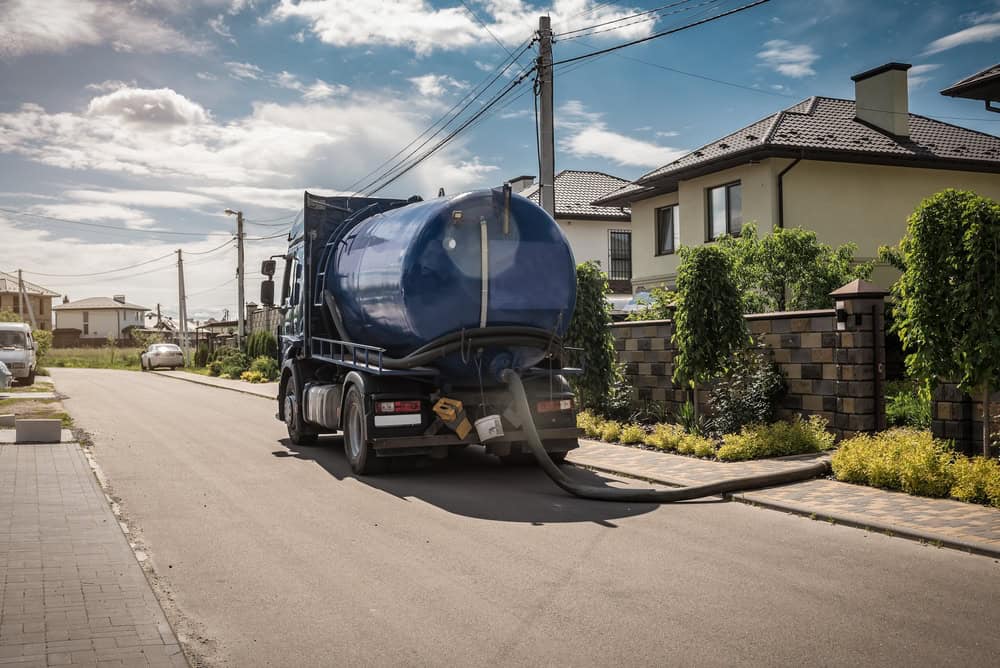
A blue septic tank truck is parked on the side of a residential street in a suburban neighborhood on a sunny day, ready for its next job in cesspool cleaning.

Ready to get started?

Explore More Services

About Quality Cesspool

Get a Free Consultation

Complete Septic Cleaning Services

What's Included in Every Service Call

Every septic tank pumping service includes complete removal of all liquids and solids, thorough tank cleaning, and proper waste disposal. We don’t just pump and leave – we take the time to clean your tank properly so it functions efficiently until your next service.

You also get a professional assessment of your septic system’s condition. Our technicians know what to look for and will alert you to any issues that could turn into expensive problems if left unaddressed. This inspection is included at no extra charge because we believe in helping our customers avoid unnecessary repairs.

We handle all the details that matter but that most homeowners don’t think about. That includes proper waste disposal, following local regulations, and cleaning up the work area when we’re finished. You get professional service that protects your property and gives you confidence in your septic system’s performance.
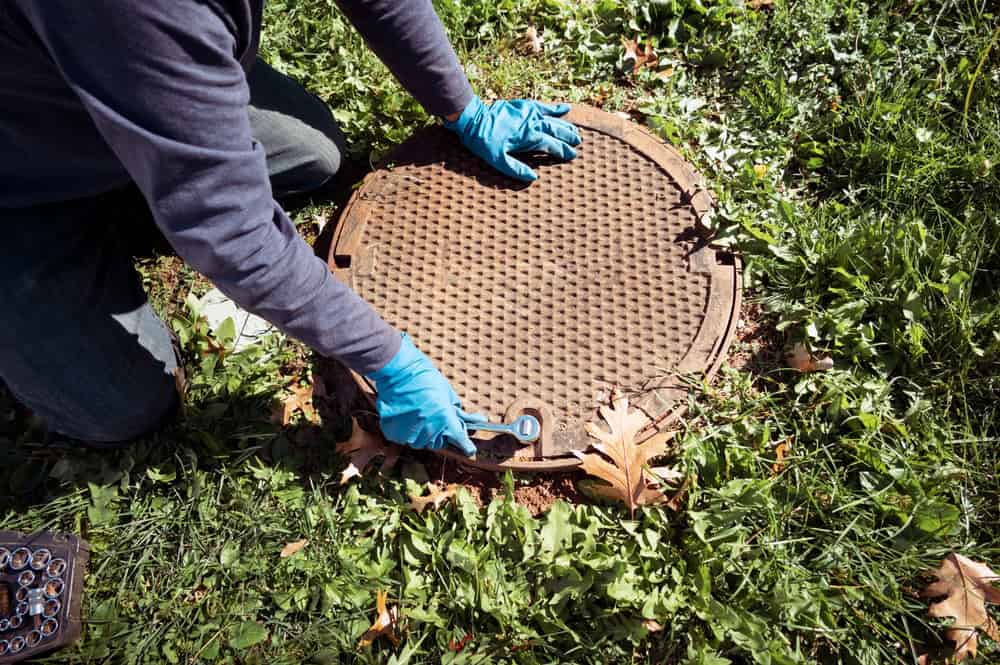
A person wearing blue gloves is kneeling on grass and using a wrench to open a round metal manhole cover, preparing for cesspool cleaning. Leaves and greenery are scattered around on the ground, while a set of sockets lies near the edge of the frame.
Most septic tanks in Elwood should be pumped every 3-5 years, but the exact timing depends on your household size, tank size, and usage patterns. A family of four with a 1,000-gallon tank typically needs pumping every 3-4 years. If you have a garbage disposal, do lots of laundry, or have more people in your household, you might need more frequent service. The sandy soil common in Long Island can also affect how quickly your tank fills up. The best approach is to have your tank inspected annually after the initial pumping to determine the right schedule for your specific situation.
Slow drains throughout your house are often the first sign your septic tank is getting full. You might notice toilets taking longer to flush, sinks draining slowly, or gurgling sounds from your plumbing. Bad smells around your septic tank area or in your house can indicate the tank is overloaded. Sewage backups in your basement or lowest-level drains are a clear emergency sign that pumping is overdue. Lush, green grass over your drain field might seem good, but it often means effluent is reaching the surface. Don’t wait for these warning signs – regular pumping prevents these problems entirely.
Septic tank pumping costs in Elwood typically range from $300-600, depending on your tank size, accessibility, and how long it’s been since your last pumping. Larger tanks cost more to pump, and if your tank is difficult to access or hasn’t been pumped in many years, the price may be higher. Most standard residential tanks fall in the middle of this range. We provide upfront pricing before starting any work, so you know exactly what you’ll pay. Remember that regular pumping every 3-5 years costs much less than emergency repairs or system replacement, which can run into the thousands.
Pumping your own septic tank isn’t recommended and may be illegal in your area. Professional septic pumping requires specialized equipment, proper waste disposal permits, and knowledge of safety procedures. Septic tanks contain dangerous gases that can be deadly, and improper pumping can damage your system or create environmental hazards. Licensed septic professionals know how to handle waste disposal according to local regulations – something homeowners can’t do on their own. The cost of professional pumping is small compared to the risks and potential costs of doing it wrong. Plus, professional service includes system inspection that can catch problems early.
Skipping septic tank pumping leads to serious and expensive problems. When your tank gets too full, solids flow into your drain field and clog the soil, causing system failure that requires thousands of dollars to repair. You’ll experience sewage backups in your house, creating unsanitary conditions and potential health hazards. Overloaded systems can contaminate groundwater, leading to environmental violations and fines. Your plumbing will drain slowly or not at all, making your home essentially unlivable until the problem is fixed. System replacement can cost $15,000-30,000 or more, compared to a few hundred dollars for regular pumping. Regular maintenance isn’t optional – it’s essential for protecting your home and investment.
Most septic tanks in Elwood are located 10-25 feet from your house, usually in the direction of your main sewer line. Look for a rectangular or circular depression in your yard, or an area where grass grows differently. Your original house plans or septic permit records may show the tank location. If you have a newer system, there might be risers or access ports visible at ground level. Don’t worry if you can’t locate your tank – we have equipment to locate buried tanks quickly. We can find your tank and install risers to make future access easier. Never dig randomly looking for your tank, as you could damage the system or hit utility lines.