
Hear from Our Customers
Your drains flow freely again. No more slow toilets, standing shower water, or that sinking feeling when you flush. Your septic system works the way it should—quietly, efficiently, without demanding your attention every few months.
You get years added to your system’s life. Regular pumping prevents the sludge buildup that forces expensive repairs or complete system replacement. Most Great River homeowners save thousands by staying ahead of problems instead of reacting to them.
Your property stays protected. No sewage odors drifting across your yard. No soggy spots where wastewater seeps up through the soil. No contamination issues that threaten your family’s health or your home’s value.
We’ve served Great River and Suffolk County for over a decade. We’re the local family-owned company that shows up when we say we will, does the work right the first time, and charges exactly what we quote.
We know Great River’s unique challenges. Suffolk County’s sandy soil and high water table stress septic systems differently than other areas. We factor these conditions into our service approach, not as an afterthought when problems arise.
Our team understands Suffolk County’s strict environmental regulations. We stay current with the county’s requirements for system maintenance, replacement standards, and proper waste disposal to keep your property compliant.

First, we locate your septic tank if needed. Many Great River homeowners aren’t sure where their system is located—we use electronic detection equipment to pinpoint it without damaging your landscaping.
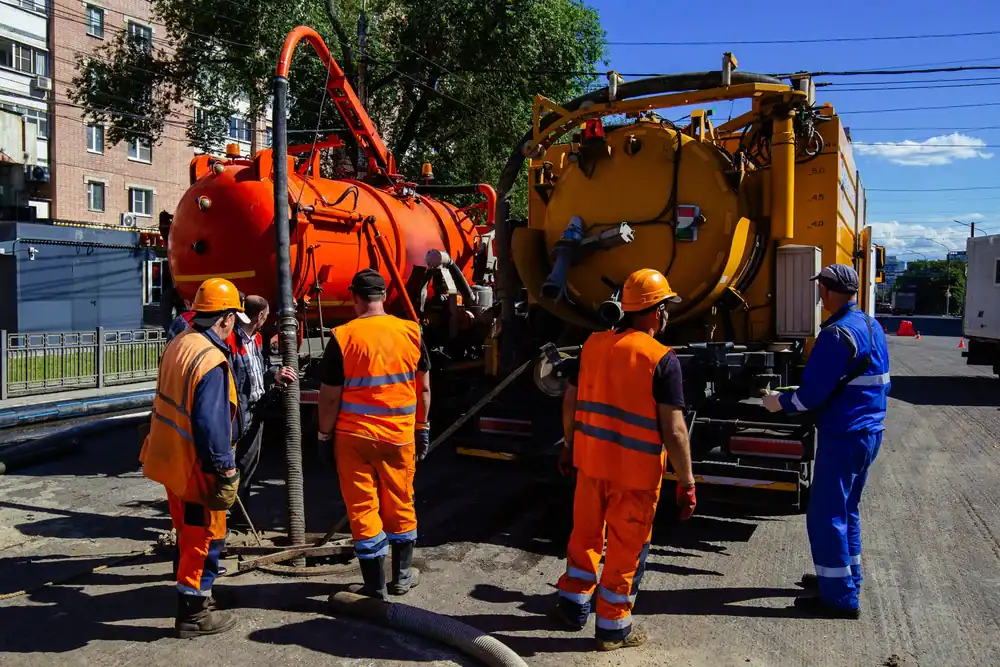
Next, we pump out the accumulated solids and liquids. Our truck-mounted vacuum system removes everything from sludge at the bottom to the scum layer at the top. We inspect the tank condition while we work, noting any potential issues.
We dispose of the waste properly at licensed treatment facilities. Suffolk County requires specific disposal methods, and we handle this compliance automatically. You get a clean system without worrying about environmental regulations.
Finally, we provide a clear timeline for your next service. Based on your household size, water usage, and system type, we recommend when you’ll need pumping again. Most Great River homes need service every 2-4 years.

Ready to get started?
You get comprehensive tank pumping that removes all accumulated waste. We don’t just skim the surface—our equipment handles everything from heavy sludge to floating debris that clogs your system.
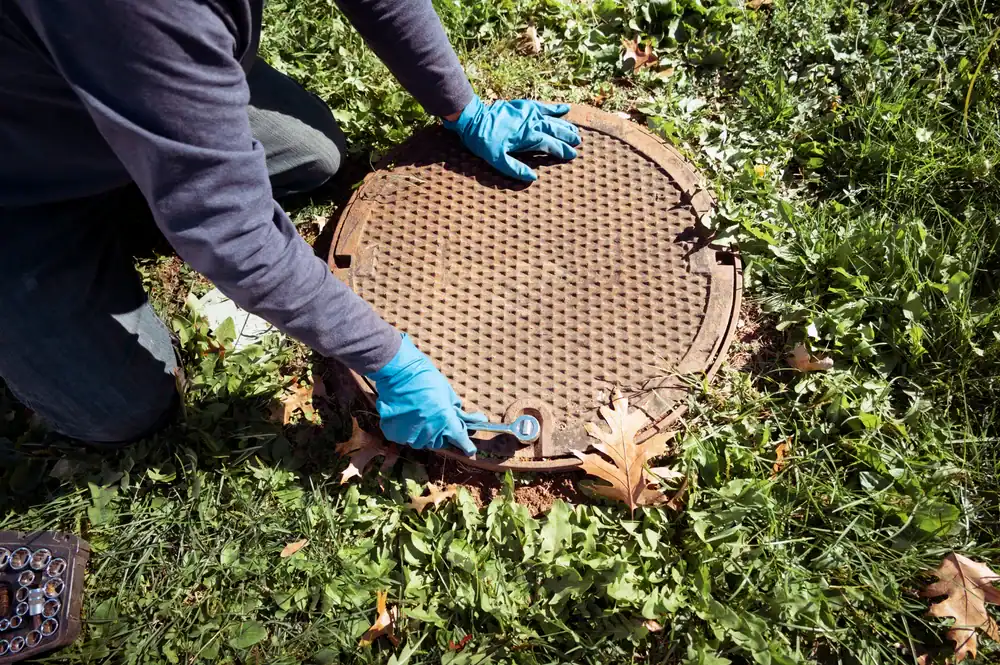
Our service includes tank location if needed. Great River properties often have tanks buried 3 feet or more underground. We mark the location for future services, saving you time and money on subsequent visits.
We provide system inspection during pumping. While the tank is being emptied, we check for cracks, damaged baffles, or other issues that could cause problems. Early detection prevents expensive emergency repairs.
Suffolk County’s environmental requirements mean proper waste disposal is crucial. We transport all pumped material to licensed treatment facilities, handling the regulatory compliance that protects Great River’s water quality and your property’s environmental standing.
Most Great River homes need septic tank pumping every 2-4 years, but your specific timeline depends on household size and water usage. A family of four typically needs service every 3 years, while smaller households can often wait 4-5 years.
Suffolk County’s sandy soil and high water table affect timing too. These conditions stress septic systems more than inland areas, so we often recommend slightly more frequent pumping—every 3 years instead of 4-5—to account for local environmental factors.
The key is tracking your actual usage patterns rather than following generic advice. If you do laundry daily, run the dishwasher twice a day, or have increased household occupancy, your tank fills faster and needs more frequent attention.
Slow drains are the most common early warning sign. If your toilets take longer to flush, your shower doesn’t drain quickly, or your kitchen sink backs up regularly, your septic tank is likely getting full.
Sewage odors inside your home or in your yard indicate a more serious problem. There’s no mistaking the smell of raw sewage, and when you notice it, your system needs immediate attention to prevent health hazards and property damage.
Unusually green grass over your drain field suggests wastewater is seeping up from a full tank. While small amounts of liquid normally rise from healthy systems, large amounts indicate your tank has reached capacity and needs pumping right away.
Most Great River homeowners pay between $300-600 for standard septic tank pumping. The exact cost depends on your tank size, accessibility, and any additional services needed like tank location or system inspection.
Difficult access situations can add $50-100 to the base price. If your tank is far from the driveway, requires long hose runs, or sits in tight spaces, expect additional charges. However, once your tank is located and marked, future services become more straightforward and cost-effective.
Tank location services cost $75-150 if you’re not sure where your system is located. While this adds to your initial expense, it’s often worth it to avoid guesswork and potential property damage from incorrect digging.
Waiting too long between pumpings actually costs more money in the long run. When tanks get too full, solids push into your drain field, causing expensive damage that requires system repair or replacement instead of routine maintenance.
Emergency pumping during a backup situation costs significantly more than scheduled service. You’ll pay premium rates for urgent response, plus potential cleanup costs if sewage backs up into your home or contaminates your property.
The most cost-effective approach is staying on schedule with regular pumping. Preventive maintenance costs a few hundred dollars every few years, while emergency repairs or system replacement can cost thousands of dollars.
Septic system failure in Great River creates both immediate health hazards and long-term property issues. Raw sewage can back up into your home, contaminate your yard, and create serious health risks for your family.
Suffolk County has strict regulations about failed systems. You’ll need permits for repairs or replacement, and all work must meet current environmental standards. The county requires registration of new systems and compliance with minimum standards that may be more stringent than when your original system was installed.
Replacement costs typically range from $10,000-25,000 depending on your property’s conditions and system requirements. This makes regular maintenance—costing a few hundred dollars every few years—a smart investment compared to emergency replacement expenses.
Suffolk County requires registration for septic system replacements as of July 2019. If you’re replacing an existing system, you must file paperwork with the Department of Health Services and meet the same standards required for entirely new installations.
Routine maintenance like pumping doesn’t require permits, but any system modifications, repairs, or replacements need county approval. The regulations aim to protect water quality throughout Suffolk County by ensuring all septic work meets current environmental standards.
We handle permit requirements and regulatory compliance as part of our service. When you need system work beyond routine pumping, we manage the paperwork and ensure your project meets all Suffolk County requirements without delays or compliance issues.