
Hear from Our Customers
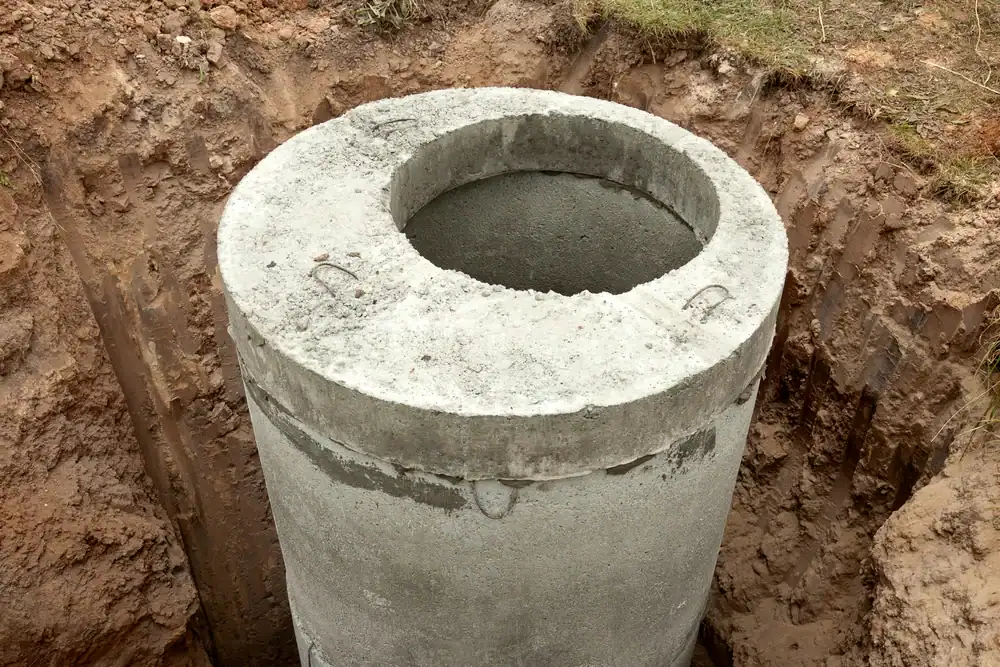
You get peace of mind knowing your system won’t fail when you need it most. Regular pumping removes the sludge buildup that causes sewage backups, foul odors, and drain field damage that costs thousands to repair.
Most Islandia homes need pumping every 3-4 years, but the timing depends on your household size and water usage. When done right, you avoid the nightmare scenarios—sewage backing up into your home, wet spots in your yard, or that unmistakable smell that tells everyone something’s wrong.
Your property value stays protected too. A well-maintained septic system passes inspections and keeps you compliant with health department regulations, which matters when it’s time to sell.
We’ve been maintaining septic systems in Islandia for over a decade, serving the community through four generations of expertise. We know the unique challenges that Islandia’s soil conditions and housing patterns create for septic systems.
Since most of Islandia relies on septic systems instead of municipal sewers, we’ve built our reputation on understanding exactly what local homeowners need. Our technicians know the difference between the original Levitt homes and newer construction, and how that affects your system’s maintenance requirements.
We’re not the cheapest option in town—and that’s intentional. You’re investing in technicians who show up on time, complete the job properly, and leave your property cleaner than they found it.
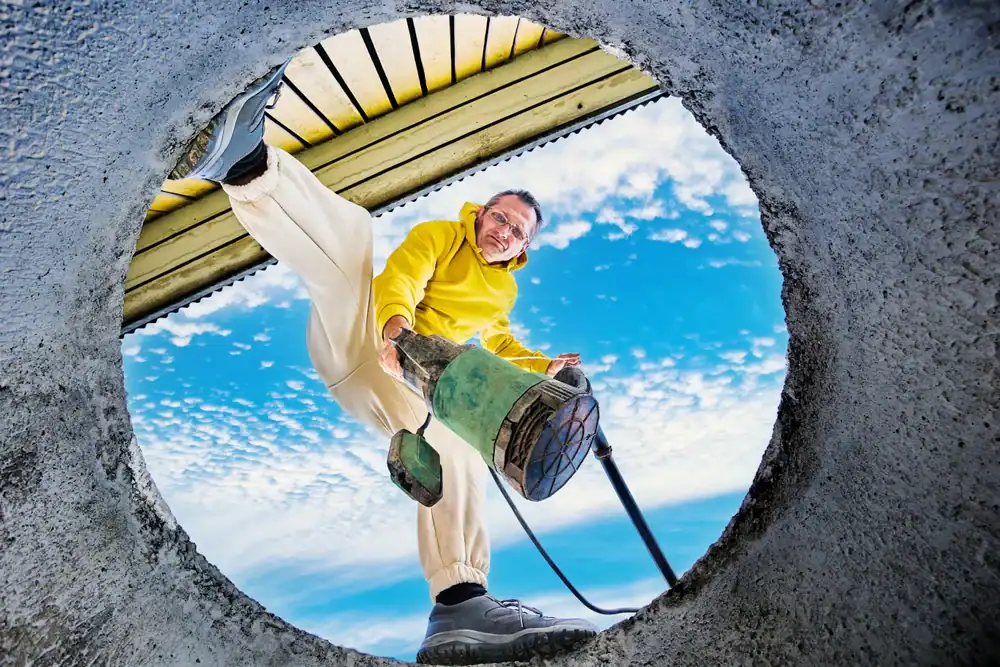
We start by locating and uncovering your septic tank, then inspect the overall condition before pumping begins. Our technicians check the inlet and outlet baffles, measure sludge levels, and look for any signs of damage or wear.
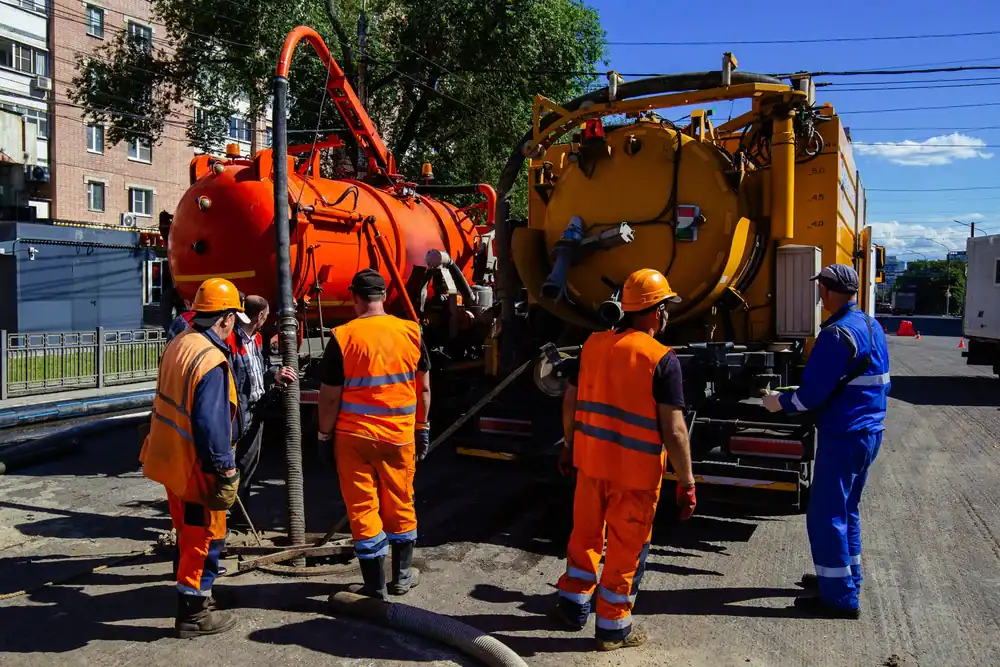
The actual pumping takes 30-45 minutes using professional-grade vacuum trucks that remove all liquid and solid waste efficiently. We don’t just empty your tank—we break up compacted sludge and ensure complete removal so your system operates at peak efficiency.
After pumping, you receive a written report documenting your tank’s condition, the volume removed, and our recommendations for future maintenance. We also note any household changes that might affect your pumping schedule, like new appliances or family size changes. This helps you plan ahead and avoid emergency situations.
Ready to get started?
Islandia’s unique situation—being almost entirely dependent on septic systems rather than municipal sewers—means your system handles everything your household produces. The original Levitt development homes from 1963 often have aging systems that need more frequent attention than newer installations.
Local soil conditions affect how your septic system processes waste. The clay-heavy soils common in parts of Islandia retain water longer than sandy areas, which can impact your drain field’s performance during heavy rains. This is why generic pumping schedules don’t work—your system needs service based on how it actually performs in local conditions.
We’ve tracked pumping patterns across Islandia for years and know that most homes need service every 3-4 years, but households with garbage disposals, water softeners, or larger families often need more frequent pumping. Our maintenance approach prevents the expensive drain field replacements that can cost $15,000-$30,000 when systems fail completely.
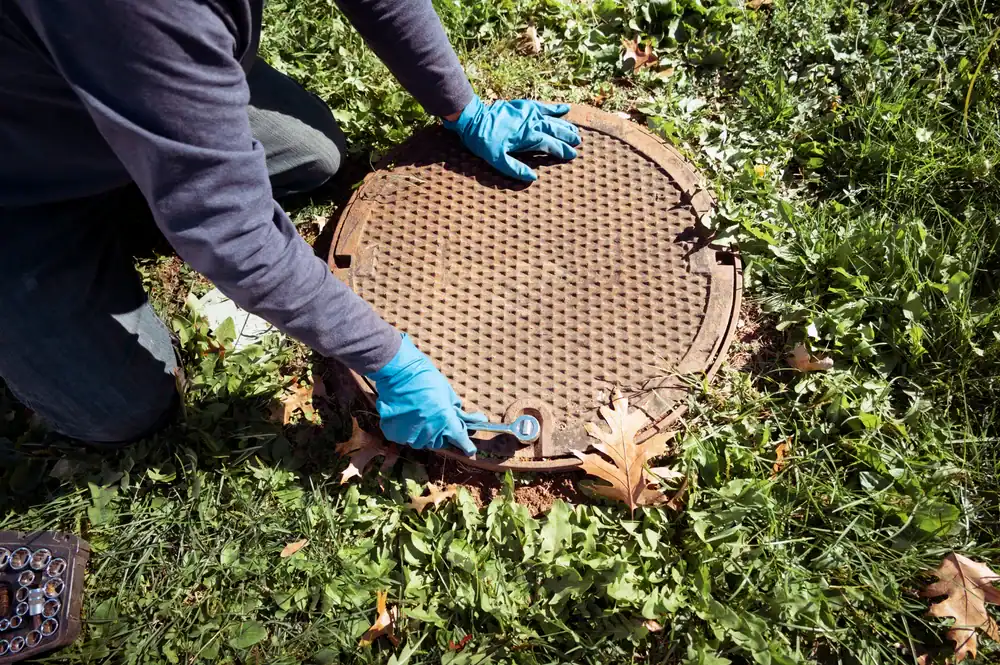
Most Islandia homes need septic pumping every 3-4 years, but your specific schedule depends on household size, water usage, and system age. A four-person household typically needs pumping every 3 years, while couples can often extend to 4-5 years.
Garbage disposals, water softeners, and frequent laundry increase solid accumulation, requiring more frequent service. We measure sludge depth during each visit to establish your property’s optimal schedule based on actual performance rather than generic recommendations.
Signs you’re overdue include slow drains throughout the house, gurgling sounds from toilets, or sewage odors near your tank area. These warning signals mean solids are backing up into your drain field, requiring immediate attention to prevent costly damage.
Skipping pumping allows accumulated solids to overflow into your drain field, causing permanent soil damage that requires expensive replacement costing $15,000-$30,000. You’ll also experience sewage backups, persistent odors, and potential health department violations.
The damage happens gradually, then suddenly. Your system might seem fine for months, then fail catastrophically during heavy usage or rainfall. Emergency repairs typically cost 40-60% more than scheduled maintenance, and the cleanup from sewage backups can cost $2,500-$5,000.
Regular pumping costs $300-$500 but prevents thousands in emergency repairs. It’s essentially insurance for your property—a small investment that protects you from major disasters that disrupt your daily life and drain your savings.
Standard septic pumping in Islandia costs $300-$500 depending on tank size and accessibility. Larger tanks (1,500+ gallons) or difficult access locations may cost more, but we provide exact pricing over the phone based on your property’s specifics.
Emergency pumping typically costs 40-60% more than scheduled service, which is why planning ahead saves money. We offer competitive rates with no hidden fees—the price we quote is what you pay, regardless of how long the job takes.
Most homeowners find that regular maintenance every 3-4 years costs far less than dealing with system failures. When you consider that drain field replacement can cost $15,000-$30,000, routine pumping is one of the best investments you can make in your property.
Yes, we provide septic pumping year-round in Islandia, including winter months. Cold weather doesn’t prevent pumping, though frozen ground can make tank access more challenging and may require additional time to locate and uncover the tank.
Winter pumping is often necessary because septic systems don’t stop working when temperatures drop. In fact, systems can fail more frequently in winter due to increased indoor water usage and reduced bacterial activity in cold conditions.
We recommend scheduling winter service during milder days when possible, but our equipment and experience allow us to work in most weather conditions. Emergency service is available 24/7 regardless of season, because septic problems don’t wait for convenient timing.
Clear the area around your septic tank of any obstacles like patio furniture, vehicles, or decorative items. If you know where your tank is located, mark it clearly so our technicians can find it quickly. Remove any covers or decorations over the access point.
Avoid using water-intensive appliances like dishwashers or washing machines for a few hours before pumping to allow solids to settle. This makes the pumping process more efficient and gives us a clearer view of your tank’s actual condition.
If you’re unsure about your tank’s location, don’t worry—we have equipment to locate buried tanks. However, knowing the general area saves time and reduces costs. Keep pets indoors during service for their safety and our technicians’ ability to work efficiently.
Call for emergency pumping if you notice sewage backing up into your home, standing water or wet spots over your drain field, or strong sewage odors inside or outside your house. These signs indicate your system is failing and needs immediate attention.
Other urgent warning signs include all drains in your house running slowly simultaneously, toilets that won’t flush properly, or gurgling sounds coming from multiple fixtures. If your system hasn’t been pumped in over 5 years, any of these symptoms likely means emergency service is needed.
Don’t wait for the problem to worsen—septic emergencies create health hazards and can cause extensive property damage. We provide 24/7 emergency response because we understand that septic failures can’t wait for business hours, and quick action prevents minor problems from becoming major disasters.