Septic Tank Pumping in North Great River

Your Septic System Running Smoothly Again

Professional septic tank pumping that prevents backups, eliminates odors, and keeps your Long Island property protected.
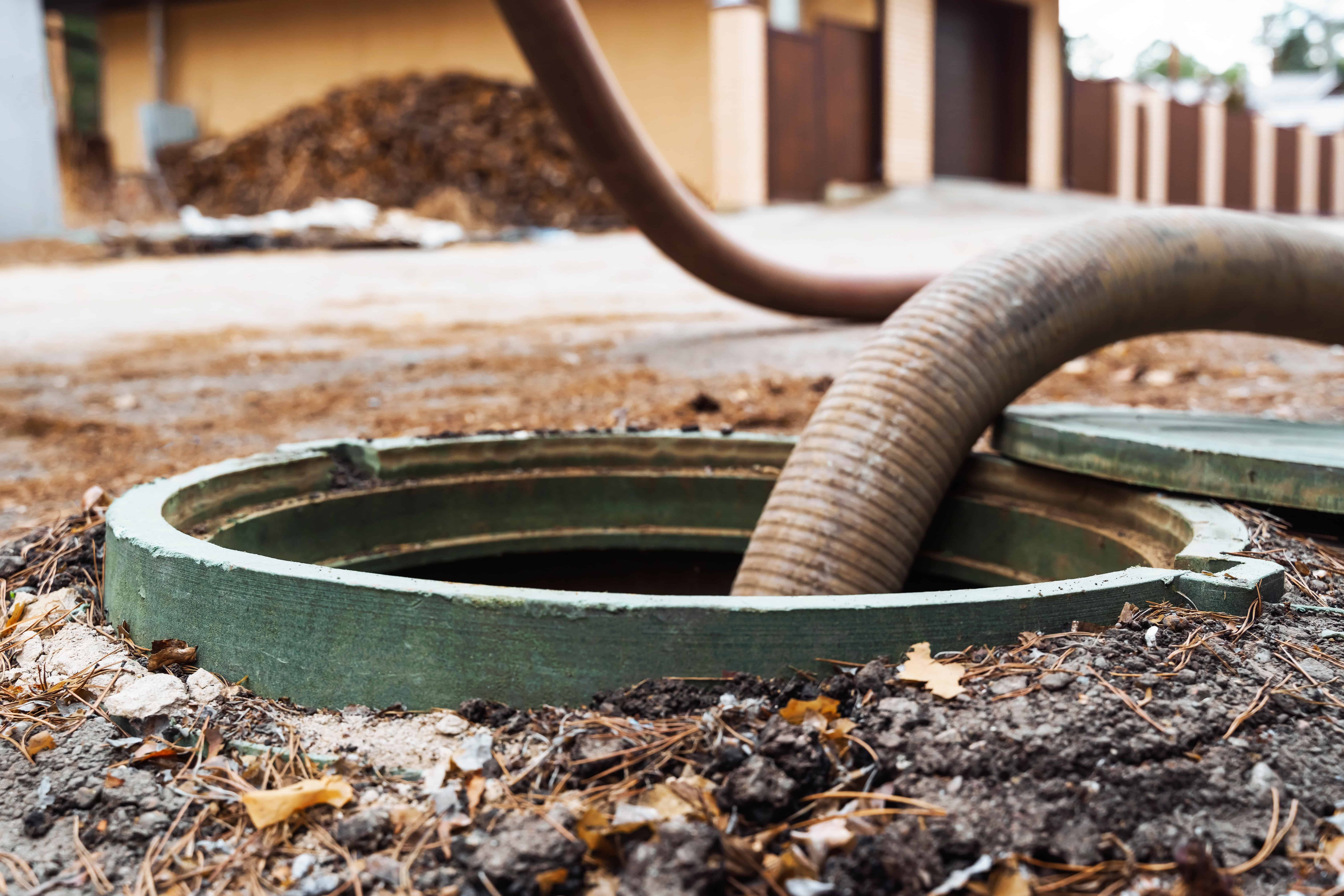
A large hose is inserted into an open green manhole on a dirt ground outside a building, suggesting septic tank pumping is in progress.

Hear from Our Customers

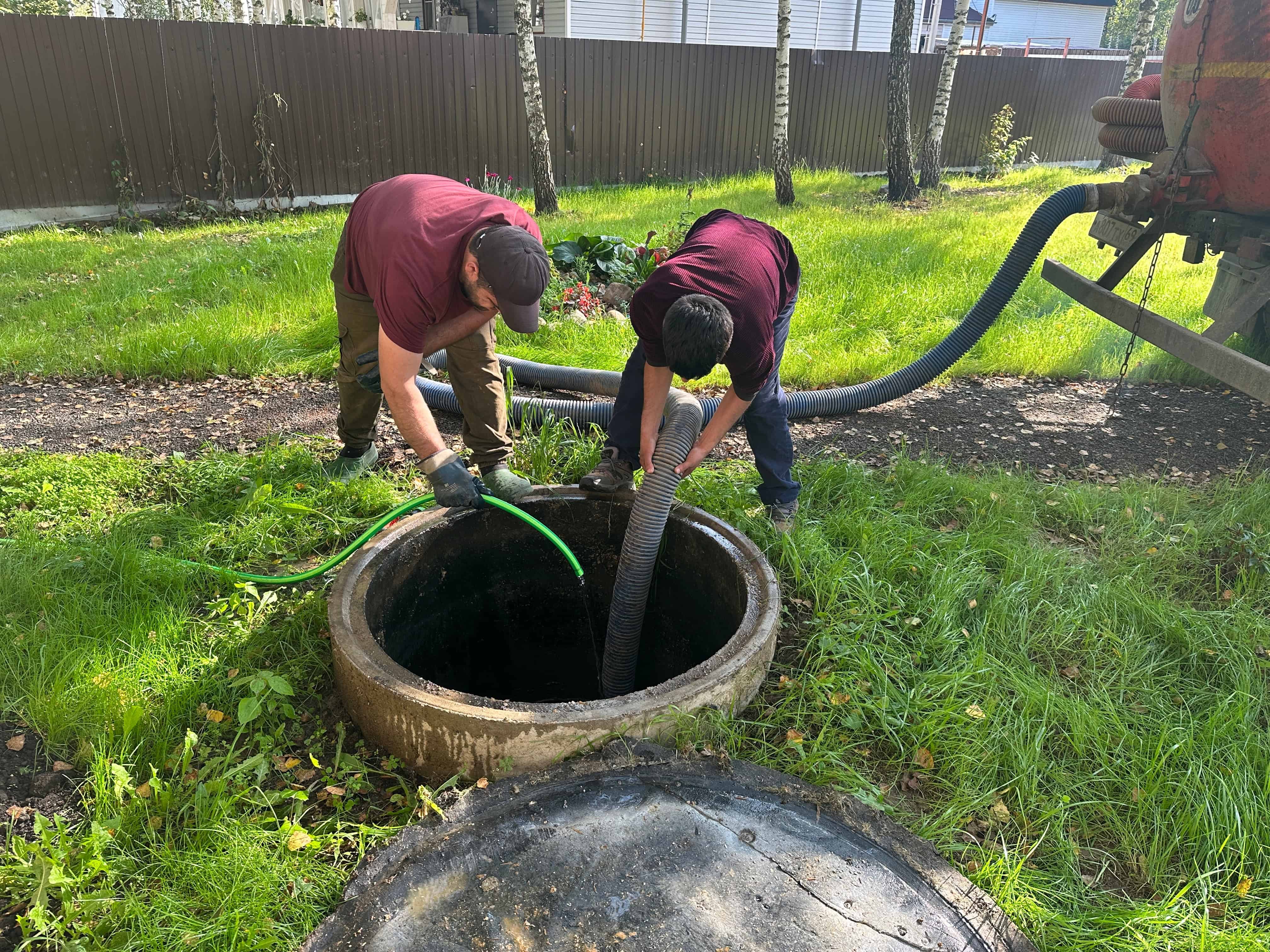
Two workers in maroon shirts and gloves are standing on grass, working on a sewer manhole.

Professional Septic Pumping Services

What Proper Septic Maintenance Gets You

When your septic system works the way it should, you don’t think about it. No slow drains backing up during dinner prep. No mysterious odors drifting across your yard when you’re trying to enjoy your outdoor space. No panic about whether that gurgling sound from your bathroom means you’re looking at thousands in emergency repairs.

Regular septic tank pumping keeps your system running efficiently and your property protected. You get peace of mind knowing your investment is maintained properly. Your drains flow freely, your yard stays clean, and you avoid the stress and expense of emergency septic failures.

Most Long Island homeowners need pumping every 3-5 years, but the exact timing depends on your household size, tank capacity, and usage patterns. When you stay ahead of maintenance, your septic system can last decades instead of failing prematurely.

North Great River Septic Experts

Local Knowledge Makes The Difference

We’ve been serving North Great River and Long Island communities for years, handling everything from routine maintenance to emergency septic situations. We understand how Long Island’s soil conditions, groundwater levels, and local regulations affect your septic system’s performance.

Our licensed technicians know the difference between systems installed in different decades and how to service each type properly. We’ve seen what works and what doesn’t in this area, so we can spot potential problems before they become expensive emergencies.

When you call us, you’re working with professionals who live and work in your community. We’re not a national chain trying to figure out local conditions – we’re your neighbors who understand exactly what Long Island property owners deal with.
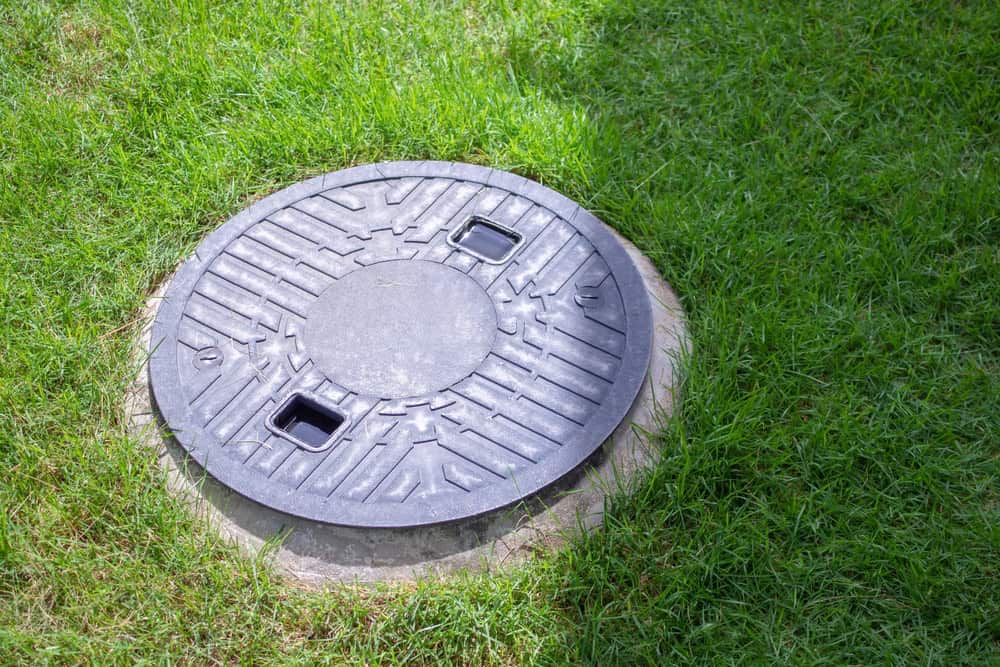
A round, black manhole cover with two small rectangular slots is situated on a grassy lawn, likely indicating a point for septic tank pumping.

Septic System Cleaning Process

Here's What Happens During Service

First, we locate and safely open your septic tank access port. Our technician inspects the current sludge and scum levels to determine how much pumping is needed and check for any obvious system issues.

Next, we use professional pumping equipment to remove the accumulated solids and liquids from your tank. This isn’t just sucking out some liquid – we’re removing the heavy sludge layer that builds up over time and can clog your system if left alone.

During pumping, we inspect your tank’s condition, checking for cracks, damaged baffles, or other issues that could cause problems later. We’ll let you know if we spot anything that needs attention, but we won’t try to sell you services you don’t need.

After pumping is complete, we properly dispose of the waste at licensed facilities according to New York state regulations. We’ll also give you a realistic timeline for your next service based on your household size and usage patterns.
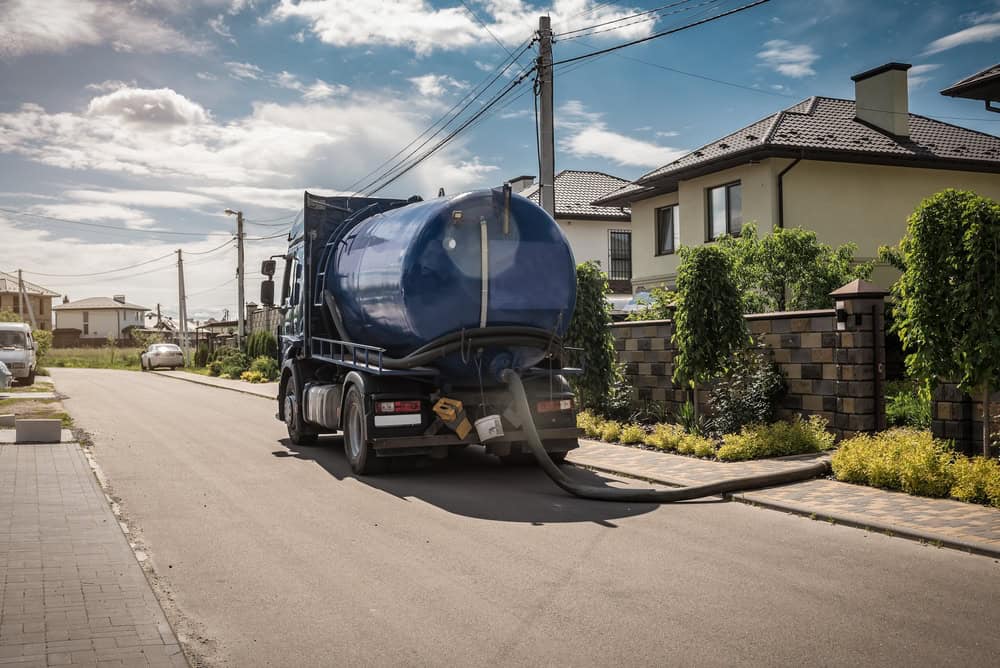
A blue septic tank truck is parked on the side of a residential street in a suburban neighborhood on a sunny day, ready for its next job in cesspool cleaning.

Ready to get started?

Explore More Services

About Quality Cesspool

Get a Free Consultation

Complete Septic Tank Maintenance

What's Included In Every Service Call

Every septic pumping service includes complete tank evacuation, not just partial pumping that some companies try to get away with. We remove both liquid and solid waste to give your system a fresh start and maximum capacity.

You also get a basic system inspection during every visit. We check tank condition, inlet and outlet baffles, and look for signs of potential problems. If we see something concerning, we’ll explain it in plain English and give you honest advice about timing and priorities.

Our service includes proper cleanup and site restoration. We don’t leave your yard looking like a construction zone. Tank lids are properly secured, and we clean up any spills or debris from the work area.

All waste disposal is handled according to Long Island regulations and environmental requirements. You don’t have to worry about whether the job was done legally and safely – that’s our responsibility, and we take it seriously.
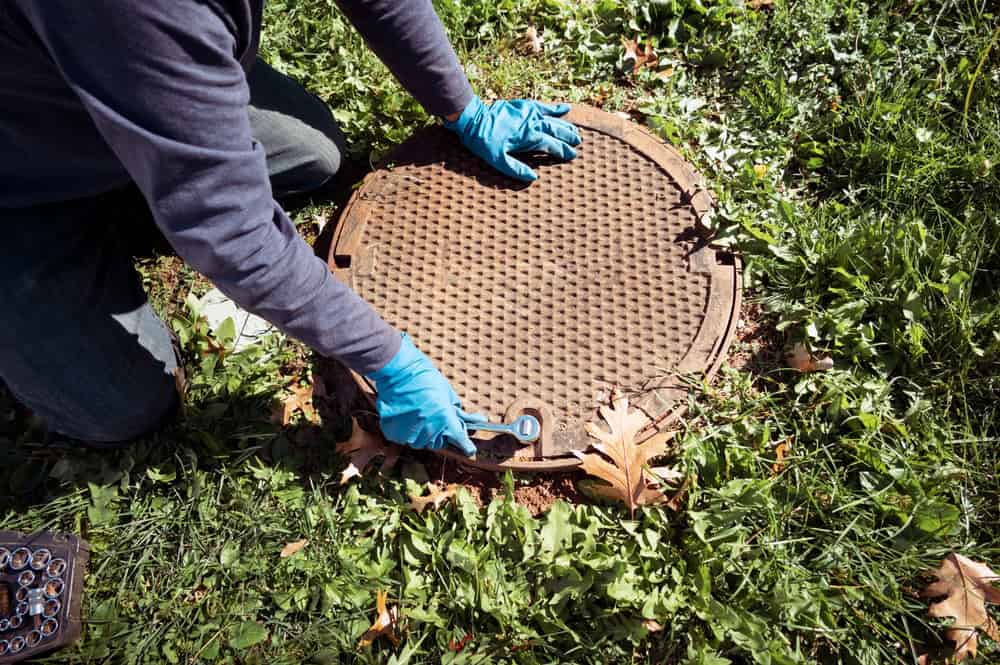
A person wearing blue gloves is kneeling on grass and using a wrench to open a round metal manhole cover, preparing for cesspool cleaning. Leaves and greenery are scattered around on the ground, while a set of sockets lies near the edge of the frame.
Most North Great River homes need septic pumping every 3-5 years, but your specific timeline depends on several factors. A household of two people with a 1,000-gallon tank might go 5 years between services, while a family of five with the same tank size might need pumping every 2-3 years. Heavy garbage disposal use, frequent laundry, or water softener discharge can also increase pumping frequency. The best approach is having your tank inspected every 2-3 years to check sludge levels and determine the right pumping schedule for your situation.
Several warning signs indicate your septic tank is getting full and needs pumping soon. Slow drains throughout your house, especially when multiple fixtures are affected, often mean your tank is reaching capacity. Sewage odors in your yard or near the tank area are another clear indicator. Gurgling sounds from toilets or drains, sewage backup in basement drains, or unusually green grass over your drain field can all signal an overfull tank. If you notice any of these signs, don’t wait – call for service immediately to prevent a messy and expensive backup.
Septic pumping costs in North Great River typically range from $300-600 for standard residential tanks, depending on tank size, accessibility, and current condition. Tanks that haven’t been pumped in many years or require extra time due to heavy sludge buildup may cost more. Additional fees might apply for difficult access, buried or damaged lids, or emergency service calls. We provide upfront pricing before starting work, so you know exactly what you’re paying. The cost of regular pumping is minimal compared to the thousands you’d spend on emergency repairs or drain field replacement.
Septic tank pumping should always be handled by licensed professionals for several important reasons. First, septic tanks contain dangerous gases that can be fatal – hydrogen sulfide and methane can overcome someone quickly in confined spaces. Professional pumpers have proper safety equipment and training. Second, New York state requires proper disposal of septic waste at licensed facilities, which individual homeowners can’t access. Finally, professional equipment removes both liquid and solid waste effectively, while DIY attempts often leave behind sludge that continues causing problems. The cost savings aren’t worth the safety risks and potential legal issues.
After pumping your septic tank, we transport the waste to licensed treatment facilities that are approved by New York state environmental authorities. These facilities process the septage through biological treatment systems that break down organic matter and remove harmful pathogens before any treated water is released. Some facilities also convert the processed solids into biosolids that can be used as soil amendments in approved applications. This regulated disposal process protects Long Island’s groundwater and environment. You’ll receive documentation showing your waste was disposed of properly and legally.
Several practices can help extend your septic system’s life and reduce pumping frequency. Use water efficiently by fixing leaks, installing low-flow fixtures, and spreading laundry loads throughout the week rather than doing it all in one day. Avoid putting grease, coffee grounds, cigarette butts, or non-biodegradable items down drains. Limit garbage disposal use since food waste increases solid buildup. Don’t use excessive household cleaners or antibacterial products that can kill beneficial bacteria in your tank. Avoid additives or septic treatments – they don’t reduce pumping needs and can sometimes harm your system. Regular maintenance and mindful usage can often extend pumping intervals by 1-2 years.