
Hear from Our Customers
Your septic system works quietly in the background, exactly like it should. No slow drains backing up during dinner parties. No foul smells embarrassing you in front of neighbors. No emergency calls disrupting your weekend plans.
When your system is properly maintained, you get your life back. You sleep better knowing a four-generation Nassau County company has your back with proper maintenance that actually prevents problems instead of just fixing them after they happen.
Regular septic tank pumping prevents the drain field failures that cost $5,000-$15,000 to repair. It stops the sewage backups that ruin flooring and landscaping. Most importantly, it gives you the peace of mind that comes from working with people who understand Ronkonkoma’s soil conditions and exactly what your system needs.
Quality Cesspool has been family-owned and operated for four generations, delivering dependable cesspool and septic system services that Ronkonkoma homeowners rely on. We understand Long Island’s sandy soil and high water table conditions that make septic maintenance more critical here than anywhere else.
We know the local regulations, the common problems with older systems built in the 1950s and 60s, and how to work efficiently in residential neighborhoods without tearing up your property. Our trucks are equipped for Ronkonkoma’s streets, and our technicians understand that your time matters.
You get straightforward service from people who’ve been doing this work every day for years. No surprises, no learning curves, just reliable results when you need them most.
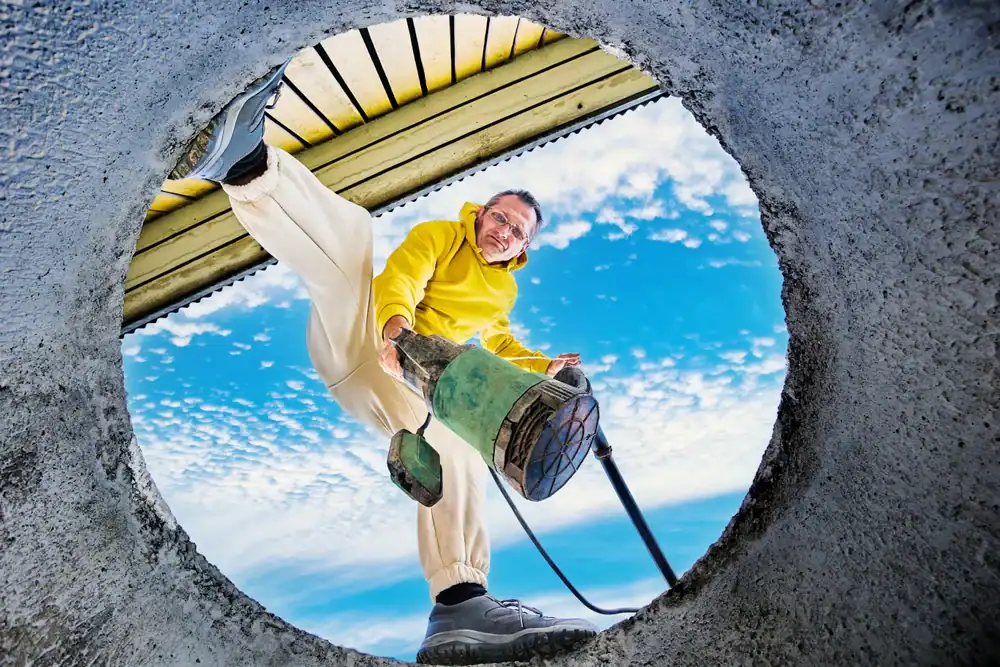
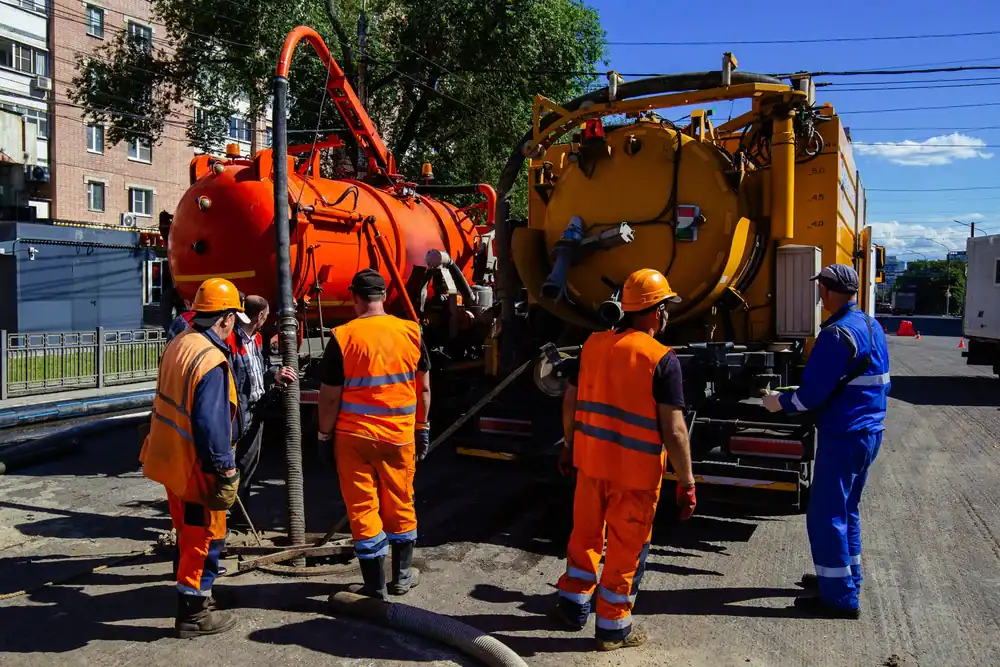
First, we locate and access your septic tank system safely. Our equipment completely pumps out all accumulated waste and liquids—not just the easy stuff on top, but everything including the sludge layers that cause real problems.
During septic tank cleaning, we inspect your system to catch any developing issues before they become expensive emergencies. If we spot problems, we explain exactly what needs attention and handle repairs with proper materials that last.
The whole process is designed to be thorough but efficient, so you get back to your day while we make sure your system works properly for years to come. We clean up completely and give you a clear record for future maintenance planning.

Ready to get started?
Most residential septic systems in Ronkonkoma need pumping every 2-3 years, but larger families or homes with garbage disposals may need more frequent service. We assess your specific situation and recommend a maintenance schedule that prevents problems and saves money long-term.
Long Island’s sandy soil means waste moves through your system differently than other areas, often requiring more frequent attention than generic maintenance schedules suggest. Many older Ronkonkoma homes have systems that were installed decades ago and need professional attention because of how these systems work in residential areas throughout Suffolk County.
We handle emergency septic pumping when your system backs up or fails, plus regular septic service that keeps everything running smoothly between visits. Understanding local soil conditions and requirements, we help you avoid the costly system failures that happen when maintenance is neglected.
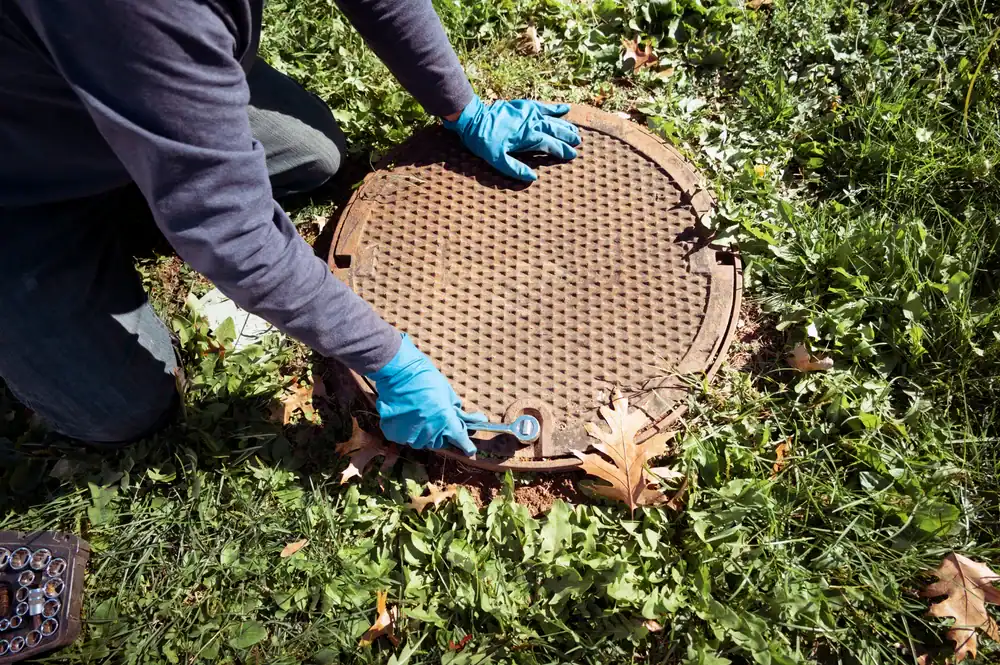
Most Ronkonkoma septic systems need pumping every 2-3 years, but your specific schedule depends on household size, water usage, and tank capacity. Families of four typically need service every 1-2 years, while single-person homes can often go 3-4 years between pumpings.
Long Island’s sandy soil conditions mean your system processes waste differently than other areas, often requiring more frequent attention than standard recommendations. If you have a garbage disposal, you’ll need pumping every 2-3 years regardless of household size because food waste increases solid accumulation significantly.
Keep records of your last pumping, note any changes in household size, and pay attention to how your system performs throughout the year. We provide reminder services to contact you when your next pumping is due based on your specific timeline, taking the guesswork out of scheduling.
Watch for slow-draining sinks, toilets, or showers, unpleasant sewage odors around your property, and wet spots or standing water in your yard that don’t dry up. You might also notice gurgling sounds from plumbing fixtures or toilet bowls rising higher than normal.
If sewage backs up into your home, that’s an immediate emergency requiring professional attention. These symptoms indicate your tank is likely full or your system is failing, and waiting can lead to expensive damage including ruined flooring, contaminated soil, and drain field failures.
We provide 24/7 emergency septic pumping services for situations like active backups or plumbing failures. We prioritize these calls and typically arrive within 30 minutes to mitigate damage to your Ronkonkoma property as quickly as possible.
Most Suffolk County homeowners pay between $300-$600 for standard septic tank pumping, with costs varying based on tank size, accessibility, and system condition. A typical 1,000-gallon tank costs $300-$450, while larger systems range from $400-$600 or more.
The primary cost factors are the size of your tank, how far it is from a paved surface for our truck, and the last time it was serviced, which affects the pumping duration. Tanks that are difficult to access or haven’t been pumped regularly require more time and effort, potentially increasing costs.
We provide upfront pricing before starting work, so you know exactly what to expect. Regular maintenance every 2-3 years keeps costs predictable and prevents the expensive emergency repairs that cost thousands more than routine service.
Long Island’s sandy soil and high water tables create unique challenges that make regular septic maintenance more critical than other areas. The sandy soil means waste moves through your system differently, and high water tables can cause systems to become saturated during heavy rain seasons, making pumping more difficult.
Suffolk County’s environmental regulations are stricter due to groundwater protection requirements. Your septic system must be properly maintained to prevent contamination of the sole-source drinking water aquifer that serves the entire region.
Without regular pumping, solids flow into your drain field and can permanently destroy the drainage capability. This environmental damage is expensive to repair and can impact neighboring wells, making consistent maintenance both a practical necessity and community responsibility.
Yes, we offer 24/7 emergency septic pumping services throughout Ronkonkoma and Suffolk County. We understand septic emergencies can’t wait for regular business hours, especially when sewage is backing up into your home or creating health hazards for your family.
Our emergency response typically arrives on-site within 30 minutes because we know how quickly septic problems can cause extensive property damage. We’re equipped to handle these problems quickly and thoroughly, even on weekends and holidays when other companies aren’t available.
Emergency services cover complete system failures, sewage backups, and any situation where your septic system creates health hazards or threatens property damage. We work fast to restore your system’s function and prevent further complications that could cost thousands in restoration expenses.
Delaying septic pumping doesn’t save money—it creates expensive problems that cost much more than regular maintenance. When tanks become overfull, solid waste starts flowing into your drain field, potentially causing permanent damage that requires complete system replacement costing $15,000 or more.
Neglected systems can back up into your home, ruining flooring, drywall, and landscaping with thousands of dollars in restoration costs. The accumulated solids also make pumping more difficult and expensive when you finally schedule service, often requiring additional cleaning.
In Ronkonkoma’s environmental conditions, overfull systems can contaminate groundwater and violate Suffolk County regulations. Regular pumping every 2-3 years prevents these costly scenarios and keeps your system operating efficiently for decades, protecting both your investment and the local environment.