
Hear from Our Customers
When your septic system works the way it should, you don’t think about it. No surprise backups in your basement. No mysterious odors around your property. No panic calls to plumbers on weekends.
That’s what regular pumping does—it keeps everything invisible and working behind the scenes. Your drains flow normally. Your toilets flush without hesitation. Your property stays clean and valuable.
Most Shelter Island homeowners discover that spending a few hundred dollars every three to five years saves them thousands in emergency repairs. It’s simple math, but it only works if you stay ahead of problems instead of waiting for them to find you.
We’ve been maintaining septic systems in Shelter Island for over a decade. We understand how Suffolk County’s regulations work with the island’s unique soil conditions and environmental requirements.
Shelter Island presents specific challenges that mainland contractors often miss. The sandy soil, proximity to water, and strict environmental protections require local knowledge and proper equipment. We’ve built our reputation by handling these details correctly the first time.
When you call us, you’re working with technicians who know exactly what your system needs and how to service it without damaging your property or violating local codes.

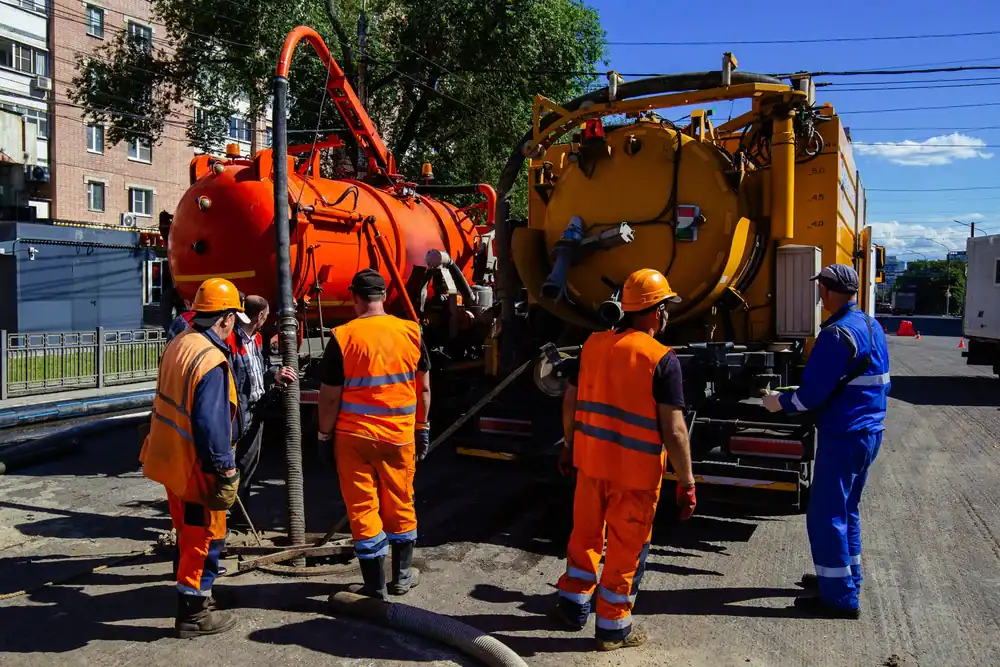
First, we locate and access your septic tank safely. Our truck positions to minimize impact on your landscaping while ensuring efficient pumping access.
Next, we pump out accumulated solids and liquids using specialized equipment designed for Suffolk County systems. We inspect the tank condition and note any potential issues that need attention.
Finally, we dispose of waste materials at certified facilities according to environmental regulations. You receive a service record and recommendations for your next maintenance schedule. The entire process typically takes 30-60 minutes, depending on your tank size and condition.

Ready to get started?
Professional septic pumping includes complete waste removal, tank condition inspection, and proper disposal at licensed facilities. We check access points, measure sludge levels, and identify potential problems before they become expensive emergencies.
Shelter Island’s environmental regulations require specific handling procedures that we follow precisely. Your service includes documentation for compliance purposes and scheduling recommendations based on your household size and usage patterns.
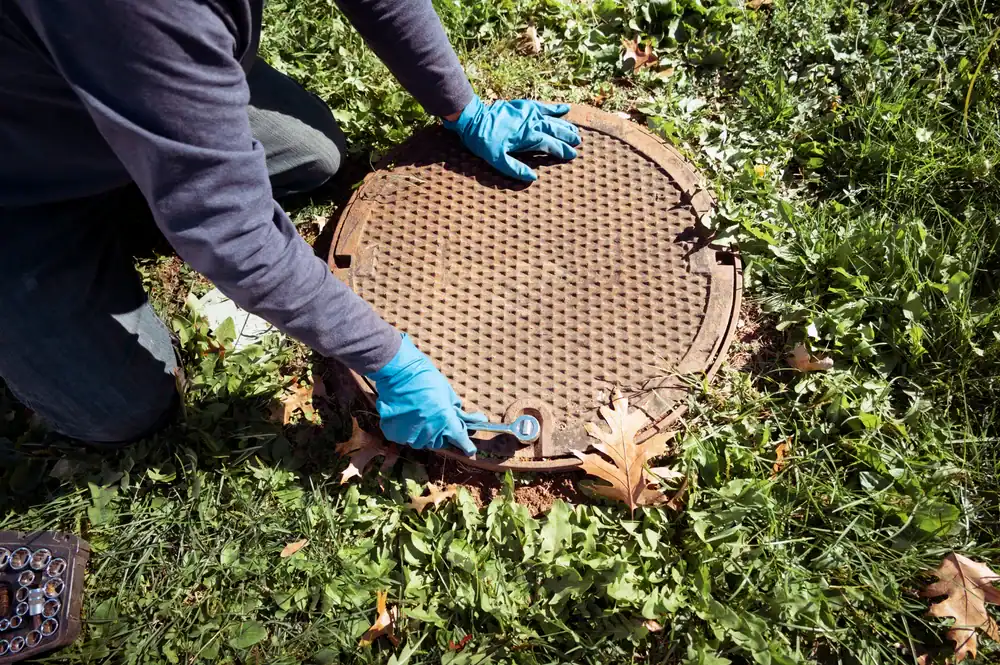
We also provide tank location services if needed, using electronic detection equipment to pinpoint your system without guessing or damaging property. Once located and marked, future services become more efficient and cost-effective for you.
The EPA recommends pumping every three to five years, but your actual schedule depends on household size and water usage. A family of four with a 1,000-gallon tank typically needs service every 3-4 years.
Larger families or homes with heavy water usage should pump every 2-3 years. Smaller households might extend this to 4-5 years. Suffolk County’s environmental regulations also influence timing, especially with newer nitrogen-reducing requirements.
We assess your specific situation during service and provide personalized recommendations. Regular pumping costs far less than emergency repairs when systems overflow or fail.
Most Shelter Island homeowners pay between $300-600 for standard septic tank pumping, depending on tank size and accessibility. A typical 1,000-gallon tank costs $300-400, while larger 2,000-gallon systems run $400-600.
Additional factors affecting cost include tank location, access difficulty, and service frequency. Emergency pumping typically costs 20-50% more than scheduled maintenance, making regular service the smarter financial choice.
We provide upfront pricing with no hidden fees. Tank location services, if needed, add $75-150 but make future services more efficient and affordable.
Slow draining sinks and toilets are often the first warning signs. You might notice gurgling sounds in plumbing or unpleasant odors around your property, especially near the tank or drain field area.
More serious signs include sewage backups in your home, standing water near the septic system, or unusually green grass over the drain field. These indicate your system is approaching or has reached capacity.
Don’t wait for these warning signs to appear. Regular pumping prevents these problems entirely and protects your property from expensive damage and health hazards.
Regular septic tank pumping typically doesn’t require permits in Suffolk County. However, any system modifications, repairs, or replacements must comply with both county and local Shelter Island regulations.
Shelter Island has specific requirements beyond Suffolk County’s standards, especially for properties near water or in environmentally sensitive areas. New construction and major renovations require upgraded nitrogen-reducing systems under current regulations.
We handle all regulatory compliance during routine service and can advise you on permit requirements if repairs or upgrades become necessary. Our experience with local codes ensures your system meets all current standards.
Septic tank pumping requires specialized equipment, proper disposal methods, and knowledge of safety procedures. The vacuum trucks, hoses, and disposal requirements aren’t available to homeowners.
More importantly, Suffolk County regulations require licensed professionals for waste handling and disposal. Improper pumping can damage your system, contaminate groundwater, or violate environmental laws with significant penalties.
Professional service also includes system inspection and maintenance recommendations that prevent costly problems. The expertise and equipment investment make professional pumping both safer and more cost-effective than attempting DIY approaches.
Neglected septic tanks eventually overflow, sending solids into your drain field and potentially backing up into your home. This creates unsanitary conditions, unpleasant odors, and expensive cleanup requirements.
Drain field damage from overflow often requires complete system replacement, costing thousands of dollars. Under Suffolk County’s current regulations, replacement systems must include expensive nitrogen-reducing technology, significantly increasing costs.
Emergency pumping and repairs typically cost 20-50% more than scheduled maintenance. Regular pumping every 3-5 years prevents these problems entirely and protects your property investment while maintaining compliance with environmental regulations.