
Hear from Our Customers
You shouldn’t have to worry about sewage backing up into your basement or foul smells greeting your guests. When your septic system works properly, you forget it exists.
Regular septic tank pumping every 3-4 years prevents the buildup that causes those nightmare scenarios. No more slow drains that make morning routines take forever. No more mysterious odors that make you avoid certain areas of your yard. No more panic when you hear that gurgling sound coming from your pipes.
Your West Hills neighbors choose us because we show up on time, work efficiently, and charge exactly what we quote. You get peace of mind, and we get another satisfied customer who refers their friends.
Four generations of our family have been pumping septic tanks on Long Island. We’re not learning about your area’s challenges from a manual – we grew up here, raised families here, and understand exactly what West Hills homeowners face.
Long Island’s sandy soil drains differently than other areas. Our high water table creates unique challenges during wet seasons. The soil composition affects how your system processes waste. These aren’t textbook problems for us – they’re conditions we deal with every single day.
When you call Quality Cesspool, you’re working with licensed, insured professionals who live in your community and stand behind every job. We’ve built our reputation one satisfied customer at a time, and we plan to keep it that way.

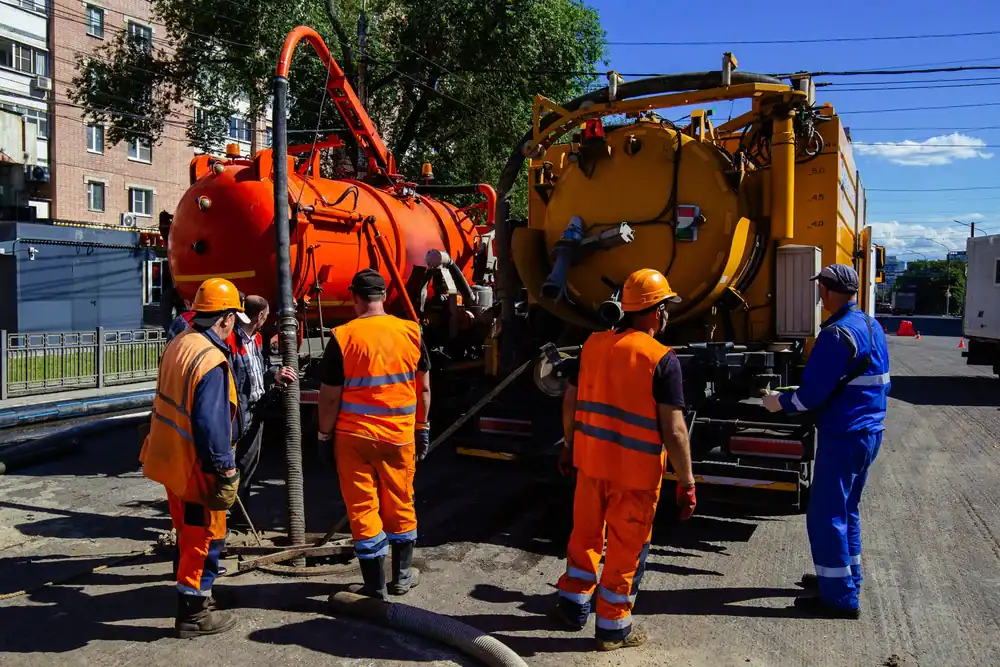
First, we locate your septic tank and evaluate access from your driveway. Our trucks carry specialized equipment that handles most West Hills properties, even those with challenging layouts or landscaping obstacles.
The actual pumping removes all liquid waste and accumulated solids from your tank. This usually takes 20-60 minutes depending on your tank size and how long it’s been since your last service. While we work, we’re inspecting your system for potential problems that could cause expensive repairs down the road.
Before we leave, you get a clear explanation of your system’s condition and our recommendations for future maintenance. We clean up completely and provide you with documentation for your records. Your property looks exactly like we found it, except your septic system now works the way it should.

Ready to get started?
Every service call includes a comprehensive inspection of your tank’s baffles, inlet and outlet pipes, and overall structural integrity. We look for cracks, damage, or signs that your system isn’t processing waste efficiently.
West Hills homeowners deal with specific challenges that out-of-area companies don’t understand. Heavy spring rains can make tank access difficult and affect pumping schedules. Sandy soil means waste processes differently than in other regions. Seasonal water table changes impact how your system functions throughout the year.
You also get transparent pricing with no surprise fees, 24/7 emergency availability when disasters strike, and the confidence that comes from working with a local company that’s served your community for generations. We’re licensed, insured, and committed to keeping your investment protected.
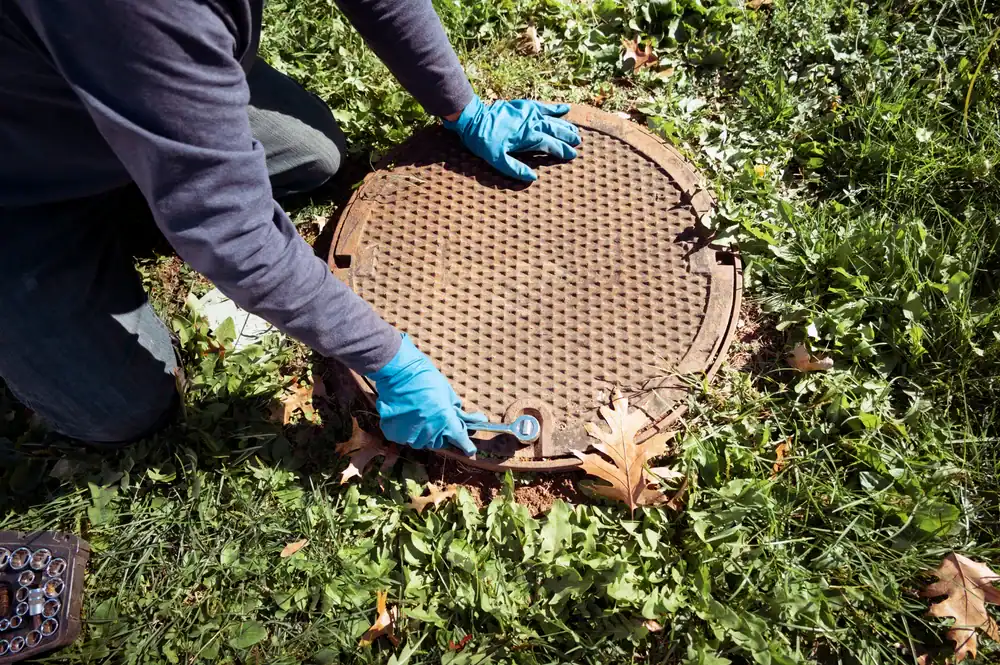
Most West Hills homeowners need septic tank pumping every 3-4 years, but your specific schedule depends on household size and daily water usage. A family of four with a standard 1,000-gallon tank fits this timeframe perfectly.
Larger families, frequent entertaining, or heavy garbage disposal use means you’ll need pumping every 2-3 years. Smaller households might stretch to 4-5 years safely. The goal is staying ahead of problems rather than reacting to warning signs like slow drains or yard odors.
Annual inspections help us determine your optimal pumping schedule based on actual usage patterns rather than generic recommendations. This approach prevents emergency situations and saves you money over time.
Most West Hills homeowners pay $300-600 for septic tank pumping, depending on tank size and property accessibility. Standard 1,000-gallon tanks typically cost $225-400, while larger 2,000-gallon systems run $400-600.
Your final cost depends on factors like driveway access, distance from the street, time since your last pumping, and any additional services needed. We provide upfront pricing before starting work – no hidden fees or surprise charges after completion.
Emergency pumping costs 20-50% more than scheduled maintenance. A routine $400 pumping becomes a $600-800 emergency call, plus potential damage costs. Regular maintenance is always the smarter financial choice.
Watch for slow-draining sinks, toilets, or showers that suddenly take forever to empty. Unpleasant odors around your property, especially near the septic area, indicate your system is struggling. Wet spots on your lawn that don’t dry up suggest waste is surfacing where it shouldn’t.
You might hear gurgling sounds from plumbing fixtures or notice toilet water levels rising higher than normal. These are early warning signs that give you time to schedule service before problems escalate.
Sewage backing up into your home means you’ve waited too long – this requires immediate emergency service. Don’t let minor issues become major disasters. Early intervention saves thousands in cleanup and repair costs.
Yes, we offer same-day emergency septic pumping throughout West Hills and surrounding Long Island communities. Septic emergencies don’t respect business hours, and we’re available 24/7 to handle urgent situations that can’t wait.
Our emergency response team typically reaches West Hills properties within 30 minutes to an hour, depending on current service calls and weather conditions. We carry complete equipment on every truck to handle most situations immediately without return trips.
Emergency service costs more than scheduled maintenance, but we maintain fair pricing even during urgent calls. You’ll get an upfront quote with no surprise charges added after we complete the work.
We serve West Hills and communities throughout Suffolk and Nassau Counties. We’ve been serving Long Island families for four generations and understand the unique septic challenges across our region.
Our service area includes Huntington, Commack, Dix Hills, Melville, and dozens of other Long Island communities. We’re familiar with local soil conditions, municipal regulations, and the specific maintenance needs that come with coastal living.
Whether you’re in West Hills or elsewhere on Long Island, you get the same commitment to quality service, transparent pricing, and professional workmanship. Call to confirm service availability in your specific area.
Monitor what goes down your drains and toilets carefully. Only flush toilet paper and human waste – never baby wipes, feminine products, medications, or household chemicals. These items clog your system and kill the beneficial bacteria that process waste naturally.
Avoid putting grease, coffee grounds, or excessive food waste down kitchen drains. Spread laundry loads throughout the week rather than doing multiple loads in one day, which can overwhelm your system with too much water at once.
Schedule annual inspections and stick to your pumping schedule religiously. This proactive approach prevents most problems and extends your system’s lifespan significantly. When questions arise, call us for guidance – preventing problems is always cheaper than fixing them.