
Hear from Our Customers
Regular septic tank cleaning means no more surprise backups flooding your basement. No more sewage odors embarrassing you in front of neighbors. No more emergency calls that cost three times what maintenance would have.
You get a system that works quietly in the background, protecting your property value and your family’s health. Your drains flow freely, your yard stays clean, and you sleep better knowing your septic system won’t fail when you least expect it.
Most Coram homeowners discover that consistent maintenance saves them thousands compared to emergency repairs or full system replacement.
We’ve served Long Island families for nearly two decades, with four generations of experience behind every job. We understand how Coram’s sandy soil affects your septic system and what it takes to keep things running properly.
Our team knows the local regulations inside and out, especially Suffolk County’s evolving requirements for nitrogen reduction and system upgrades. We’ve seen every type of septic problem this area can throw at a homeowner, and we know how to fix them right the first time.
When you call Quality Cesspool, you’re working with neighbors who live here too and care about keeping Long Island’s water clean for everyone.
First, we locate your septic tank and assess its current condition. Our technicians check for any signs of damage or unusual wear that could cause problems down the road.
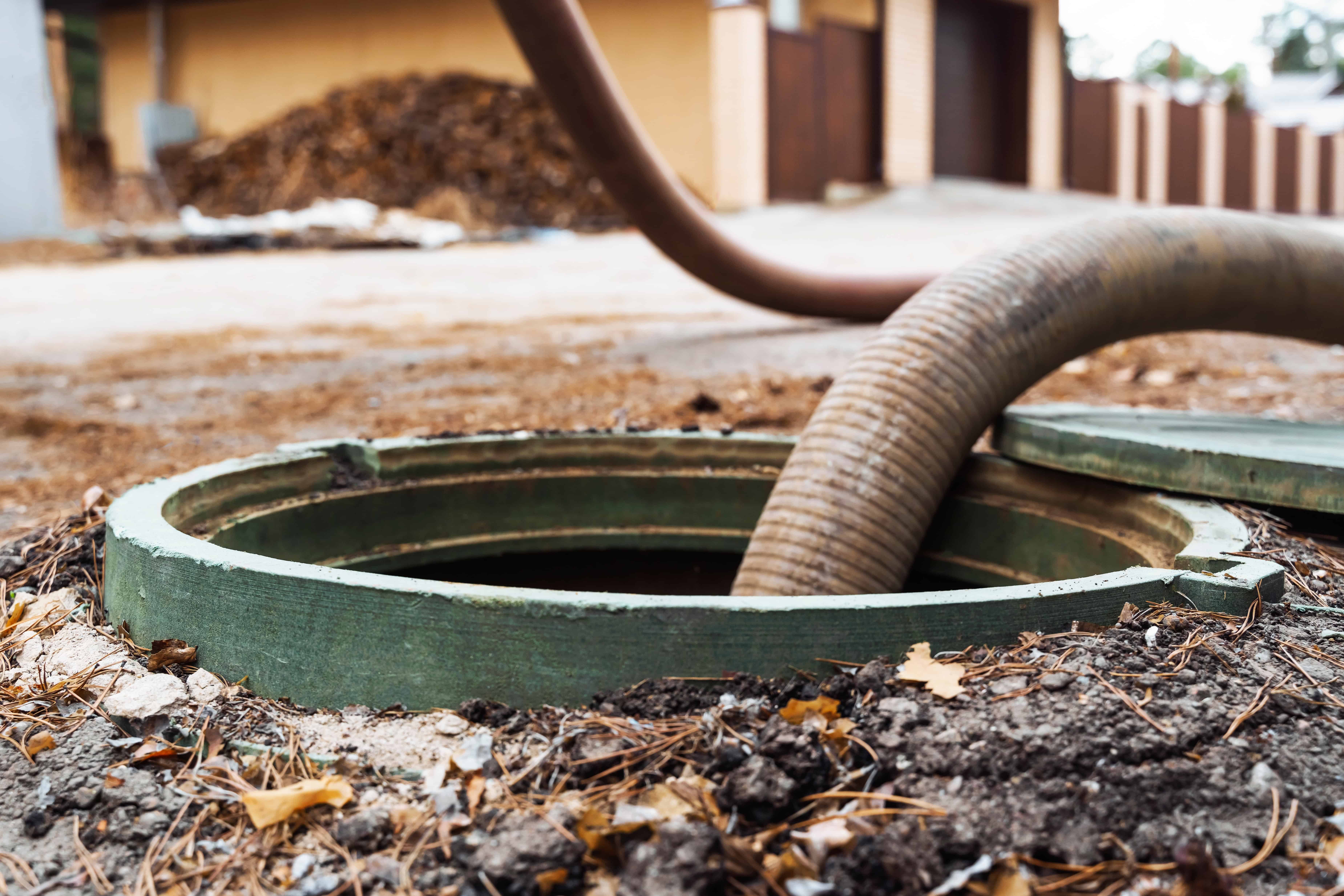
Next comes the actual cleaning and pumping. Using professional-grade equipment, we remove accumulated solids while leaving the right amount of beneficial bacteria to keep your system functioning properly. This isn’t just about emptying the tank—it’s about maintaining the biological balance your system needs.
Finally, we inspect all accessible components and give you a clear picture of your system’s health. You’ll know exactly when to schedule your next service and what warning signs to watch for between visits. No surprises, no confusion—just straight information you can use to protect your investment.
Ready to get started?
Our septic tank cleaning service includes thorough pumping, component inspection, and system health assessment. We check your tank’s structural integrity, evaluate drain field conditions, and test proper flow throughout your entire system.
For Coram residents, this means addressing the unique challenges of Long Island’s sandy soil, which allows wastewater to move quickly but provides less natural filtration. Our service accounts for these local conditions, ensuring your system meets Suffolk County’s strict environmental standards.
We also provide guidance on Suffolk County’s septic improvement programs, which offer grants and rebates for system upgrades. Many Coram homeowners qualify for financial assistance when upgrading to nitrogen-reducing systems, and we help navigate these opportunities to save you money while protecting local water quality.
Most Coram homes need septic tank cleaning every 3-5 years, but your specific schedule depends on household size, tank capacity, and usage patterns. Long Island’s sandy soil means systems here often need attention sooner than the national average.
A family of four typically needs service every 3 years, while smaller households might stretch it to 4-5 years. Heavy garbage disposal use, large families, or older systems usually require more frequent cleaning. We recommend annual inspections to catch problems early and determine the right pumping schedule for your specific situation.
Watch for slow drains throughout your house, gurgling sounds from plumbing fixtures, or sewage odors around your property. Wet spots or unusually green grass over your septic area often indicate system problems.
More serious signs include sewage backing up into your home, standing water in your yard, or toilets that won’t flush properly. If you notice any of these warning signs, don’t wait—contact us immediately. Early intervention prevents minor issues from becoming major emergencies that cost thousands to fix.
Septic tank cleaning in Coram typically costs between $300-$800, depending on tank size, accessibility, and how long since your last service. Standard residential tanks usually fall in the $300-$500 range, while larger or harder-to-access systems cost more.
This investment prevents much more expensive problems down the road. Emergency repairs often cost $2,000-$5,000, while full system replacement can reach $15,000-$25,000. Regular maintenance is significantly less expensive than dealing with system failure, property damage, or health department violations.
Routine septic tank cleaning doesn’t require permits, but Suffolk County has strict regulations about waste disposal and system modifications. All septic service companies must be properly licensed and follow county guidelines for waste removal and disposal.
If your cleaning reveals the need for repairs or system upgrades, permits may be required. Suffolk County also requires permits for any system replacements or major modifications. We handle all necessary paperwork and ensure compliance with local regulations, so you don’t have to worry about regulatory issues.
DIY septic tank cleaning isn’t recommended and can be dangerous. Professional pumping requires specialized equipment, proper waste disposal methods, and knowledge of system mechanics that most homeowners don’t have.
Attempting DIY maintenance can damage your system, create health hazards, or violate Suffolk County regulations for waste disposal. Professional service ensures safe waste removal, proper system evaluation, and compliance with local environmental standards. The cost of professional service is minimal compared to the risks and potential damage from improper maintenance.
Skipping maintenance leads to solid buildup that eventually causes backups, system failure, and expensive emergency repairs. Neglected systems can contaminate groundwater, create health hazards, and damage your property with sewage overflows.
In Suffolk County, failed septic systems can also result in health department violations and mandatory upgrades to expensive nitrogen-reducing systems. Regular maintenance prevents these problems and keeps your system functioning properly for decades. The small cost of routine cleaning saves thousands in potential repairs and protects your family’s health and safety.