
Hear from Our Customers
Your cesspool works behind the scenes every day, handling everything your household sends down the drain. When it’s maintained properly, you don’t think about it. When it’s not, you’ll know immediately.
Regular cesspool maintenance means no surprise backups in your basement. No sewage odors drifting across your yard when you’re trying to enjoy your outdoor space. No emergency calls on weekends when contractors charge double.
Most importantly, it means your system lasts longer and works better. A well-maintained cesspool can serve your Village of the Branch home for decades. A neglected one can fail in just a few years, leaving you with a mess that costs thousands to fix.
We’ve been serving Village of the Branch since this north shore Long Island community incorporated in 1927. We understand how the area’s unique soil conditions affect your system’s performance.
Suffolk County’s regulations have changed significantly over the years, especially with the 2019 cesspool installation ban and new nitrogen reduction requirements. We stay current with every regulation change so you don’t have to worry about compliance issues.
Our team knows the difference between a system that needs simple maintenance and one that’s heading toward failure. That knowledge saves our customers money and prevents headaches.
First, we locate and access your cesspool. Many homeowners don’t know exactly where their system is located, especially if covers are buried three feet or more underground. We handle the detective work and excavation if needed.
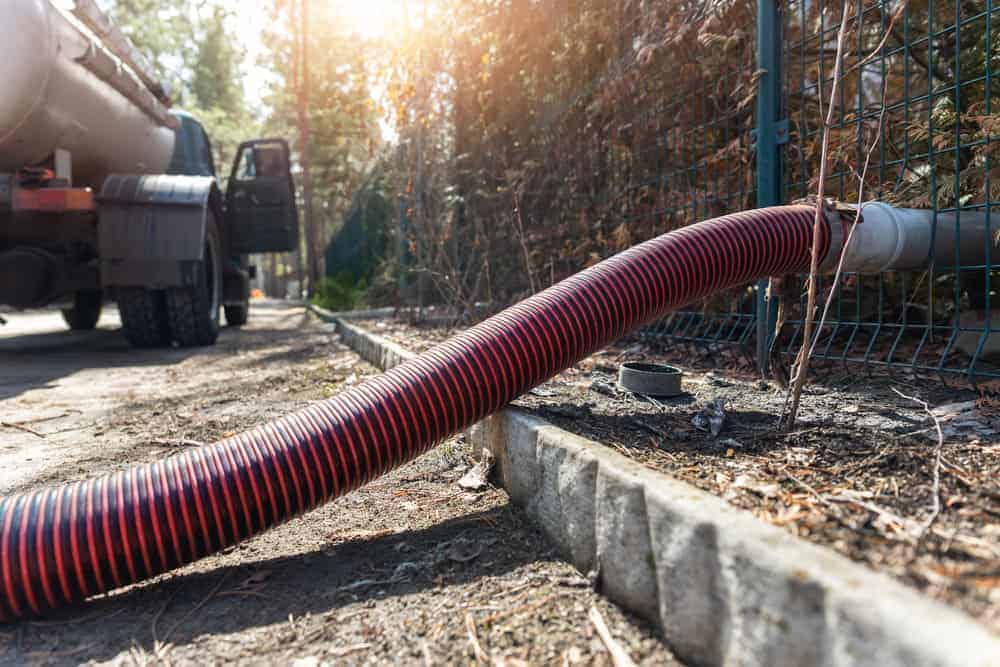
Next, we pump out accumulated solids and liquids using our specialized vacuum trucks. We’re not just removing waste – we’re also inspecting what comes out to spot potential problems before they become emergencies.
Finally, we perform a thorough system check. We look for cracks, clogs, or signs of failure in the tank and connecting pipes. If we find issues, we explain them clearly and give you options for addressing them. No surprises, no pressure.
Ready to get started?
Our cesspool maintenance includes pumping, cleaning, inspection, and minor repairs all in one service call. We also provide video camera inspections when needed to get a clear picture of your system’s condition.
Village of the Branch residents deal with specific challenges. The area’s older homes often have aging cesspool systems that need more frequent attention. The local soil conditions can affect drainage rates. Heavy rains common to Long Island can overwhelm systems that aren’t properly maintained.
We factor all of this into our maintenance approach. Each property gets service tailored to its specific needs, not a one-size-fits-all treatment that ignores local conditions.
Most cesspools in Village of the Branch should be pumped every 2-3 years, but your specific needs depend on several factors. Household size makes a big difference – a family of four generates more waste than a couple.
Your water usage patterns matter too. If you do a lot of laundry or take long showers, you’re putting more load on your system. The age and size of your cesspool also affect how often it needs service.
We recommend starting with a 2-year schedule and adjusting based on what we find during inspections. Some systems need annual service, others can go longer between pumpings.
The most obvious sign is sewage odors around your property or inside your home. This usually means your system is backing up or overflowing. Don’t ignore it – the problem will only get worse.
Slow drains throughout your house can indicate your cesspool is full or clogged. If multiple drains are sluggish at the same time, it’s likely a system issue, not individual drain problems.
Unusually green, lush grass over your drain field often means wastewater is seeping out and fertilizing the area. Standing water or wet spots in your yard that persist even when it hasn’t rained are also red flags.
Regular maintenance like pumping and cleaning doesn’t require permits. However, if your system needs repairs or replacement, Suffolk County requires permits and inspections as of 2019.
The regulations changed significantly to address nitrogen pollution in Long Island’s water supply. If you’re replacing a failed cesspool, you’ll need to install at least a septic tank system, and in some cases, advanced nitrogen-reducing systems.
We handle all permit applications and inspections for our customers. We know the current requirements and make sure your work meets all county standards.
Pumping typically costs between $300-600 depending on your tank size and accessibility. Systems that are easy to access cost less than those requiring excavation to reach buried covers.
Additional services like video inspections, minor repairs, or chemical treatments add to the base cost. We provide upfront pricing before starting any work, so you know exactly what you’re paying.
Emergency service costs more than scheduled maintenance. Regular pumping every 2-3 years is much more economical than waiting until your system fails and needs emergency repairs.
Yes, we provide year-round service including emergency calls. Winter can actually be harder on cesspool systems because frozen ground affects drainage and cold temperatures can slow bacterial action in your tank.
Snow cover makes it more challenging to locate and access your system, but we have the equipment to handle winter conditions. We recommend scheduling maintenance in fall or early spring when possible.
If you’re experiencing problems during winter, don’t wait until spring. Frozen pipes or backed-up systems can cause significant damage to your home if left untreated.
Complete cesspool failure requires immediate replacement, and Suffolk County’s current regulations mean you can’t simply install another cesspool. You’ll need to upgrade to at least a septic tank system, and possibly an advanced nitrogen-reducing system.
The good news is Suffolk County offers grants through their Septic Improvement Program to help offset replacement costs. Over 1,000 homeowners have already received grants, and funding is still available.
We work with homeowners to navigate the grant application process and ensure new systems meet all current regulations. The key is acting quickly when problems arise rather than letting a failing system cause property damage.