
Hear from Our Customers
Your cesspool handles everything your household puts down the drain, day after day. When it’s working properly, you don’t think about it. When it’s not, everything stops.
Regular cesspool pumping keeps your Ridge property running smoothly. You avoid the mess of sewage backups. Your family stays safe from health hazards. Your property value stays protected.
The difference between routine maintenance and emergency repairs is about $300 versus $3,000. Smart homeowners get ahead of problems before they become expensive disasters.
We’ve been handling cesspool services throughout Ridge and Suffolk County for years. We know the soil conditions here, the local regulations, and exactly what works in this area.
Ridge properties have specific challenges. The clay soil affects drainage. County requirements change regularly. We handle those details so you don’t have to worry about them.
When you call us, you’re talking to people who have seen every type of cesspool problem Ridge homeowners face. We’re licensed, insured, and we live and work in this community.
First, we assess your system. We locate your cesspool, check the access points, and determine what type of service you need. No guessing, no assumptions about what might be wrong.
Then we handle the actual work. For pumping, we remove all accumulated solids and liquids, inspect the system for damage, and check that everything’s functioning properly.
After we’re finished, we clean up completely and give you a clear explanation of what we found. You’ll know exactly when you need service again and what to watch for between visits.
Ready to get started?
Every cesspool pumping includes complete removal of waste, thorough system inspection, and detailed documentation for Suffolk County compliance. You get honest feedback about your system’s condition and realistic timelines for future maintenance.
Most Ridge homeowners need cesspool cleaning every 2-3 years, depending on household size and usage. A family of four typically needs service every 2-3 years, while smaller households might go 3-4 years.
Ridge’s clay soil conditions make proper maintenance even more important than other areas. Clay doesn’t absorb liquids quickly, so overloaded cesspools can cause surface contamination. We factor these local conditions into our recommendations and help you avoid common mistakes that lead to system failure.
Most Ridge homeowners need cesspool pumping every 2-3 years, but it depends on your household size and water usage patterns. A family of four typically needs service every 2-3 years, while smaller households might go 3-4 years between pumpings.
Heavy usage or older systems may need annual cleaning. Ridge’s clay soil conditions also affect how often you need service because clay doesn’t drain as quickly as other soil types.
The best approach is having your system inspected to determine the right schedule for your specific situation. We can check your current waste levels and give you a realistic timeline based on your actual usage patterns.
Slow drainage in sinks, toilets, or showers is often the first sign your cesspool is nearing capacity and needs pumping. If multiple fixtures in your home are backing up simultaneously, that suggests a blockage or full tank.
Foul odors from drains or around your yard indicate sewage gases that should be properly contained within the system. Wet spots or unusually lush grass growth over your cesspool area can signal leaks or overflow.
Don’t wait if you notice these warning signs. What starts as slow drains can quickly become sewage backing up into your home, creating health hazards and expensive cleanup costs.
Routine cesspool pumping in Ridge typically costs $300-500, depending on the size of your system and how much material needs to be removed. Emergency service costs more because of the urgency and potential complications involved.
Regular maintenance is always less expensive than emergency repairs. The difference is usually about $300 in routine maintenance versus $3,000 in emergency repairs when systems fail.
We provide detailed estimates before starting work, so you know exactly what you’re paying for. There are no surprise charges or hidden fees added later.
Ridge properties deal with clay soil conditions that don’t drain like other areas. Clay soils have reduced capacity to absorb wastewater efficiently, which can lead to system performance problems or even failure.
When clay soil gets wet from cesspool effluent, it expands and reduces the space available for drainage. This means your cesspool has to work harder and may need more frequent maintenance than systems in areas with better-draining soil.
Suffolk County also has specific regulations for cesspool installation and maintenance that change regularly. We stay current with these requirements so your system stays compliant and your property transfers go smoothly.
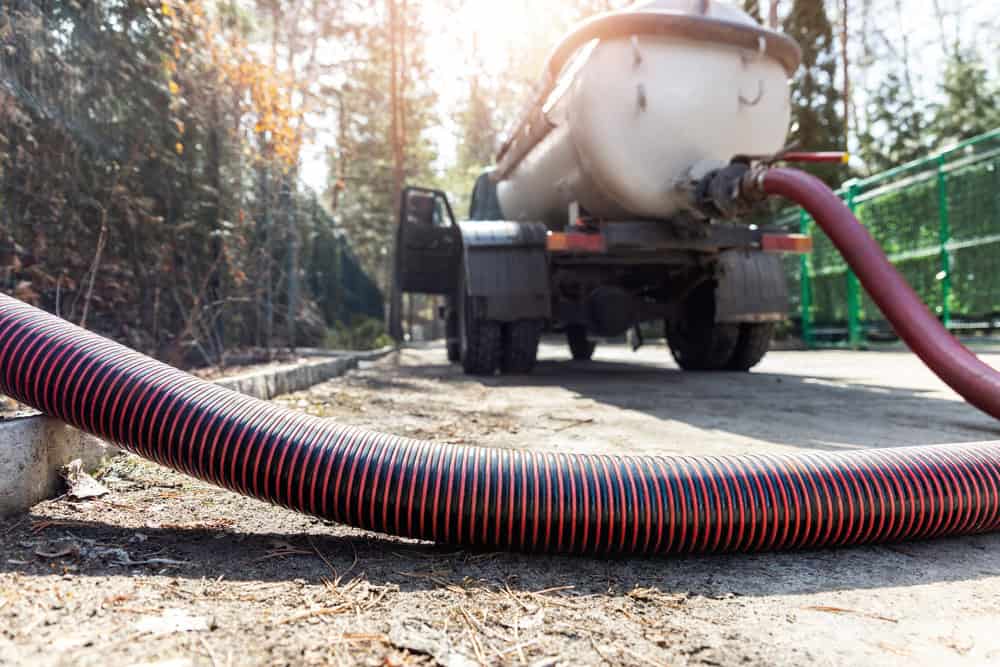
Cesspool pumping requires specialized vacuum trucks, safety equipment, and proper waste disposal permits that homeowners cannot access. The work also involves exposure to toxic gases and contamination that create serious health risks.
Professional pumping includes system inspection and documentation required for Suffolk County compliance. You need these records for property transfers and renovation permits, and improper documentation can delay real estate transactions.
Suffolk County requires cesspool pumping records for property transfers. When you try to sell your home, you’ll need proof of proper maintenance by licensed contractors to pass inspections and close on time.
Skipping maintenance leads to solid buildup that eventually blocks your drainage system and causes sewage backups into your home. You’ll face surface contamination, sewage odors, and eventual system failure requiring replacement costs of $3,000-8,000.
Suffolk County can issue violation notices and mandatory replacement orders for neglected cesspools that contaminate groundwater or create surface hazards. These violations come with significant fines on top of the replacement costs.
Regular maintenance prevents these expensive problems and protects your property value. It’s much cheaper to stay ahead of issues than to deal with emergency repairs and regulatory violations.