
Hear from Our Customers
You’re not calling because everything’s fine. Something’s off—slow drains, wet spots in the yard, or you’re buying a house and the bank wants proof the system works. Whatever brought you here, you need answers that don’t involve ripping up your property to find out what’s wrong.
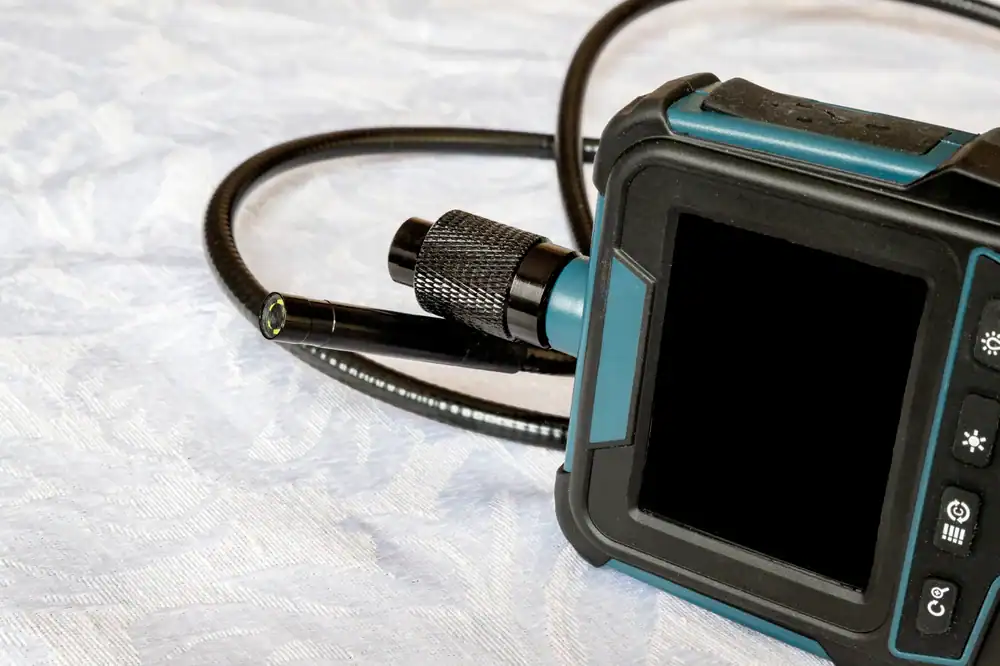
A sewer line video inspection shows you what’s actually happening inside your pipes. We send a high-definition camera through your system and you see the same footage we do. Cracks, root intrusions, blockages, collapsing walls—it’s all there in real time. No speculation about whether you need repairs. No paying for work you don’t need.
This matters in Aquebogue because most homes here sit on cesspool systems that were installed decades ago. Suffolk County’s sandy soil drains fast, which means problems develop differently than they would elsewhere. When a pipe starts failing, you want to catch it before sewage backs up into your home or creates a sinkhole in your yard.
We’ve been handling cesspool systems in Aquebogue and throughout Suffolk County for over a decade, built on four generations of family experience in this industry. We’re licensed, insured, and we’ve seen what happens when homeowners wait too long or hire someone who doesn’t know what they’re looking at.
Aquebogue properties deal with specific challenges. Your soil composition, your water table, your aging infrastructure—these aren’t abstract problems. They’re why your neighbor’s cesspool failed last winter and why the house down the road needed a full replacement during a sale. We know this area because we work here every day.
When you call us for a camera inspection, you’re getting someone who understands what a pre-1972 cinder block cesspool looks like on camera versus a newer concrete system. That difference matters when we’re telling you what needs attention now versus what can wait.
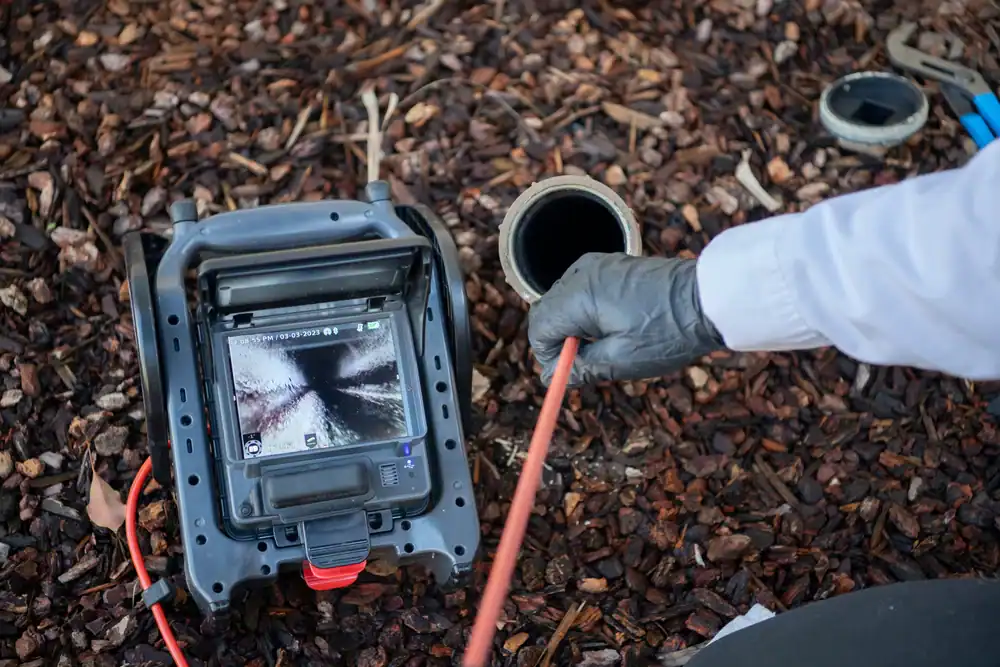
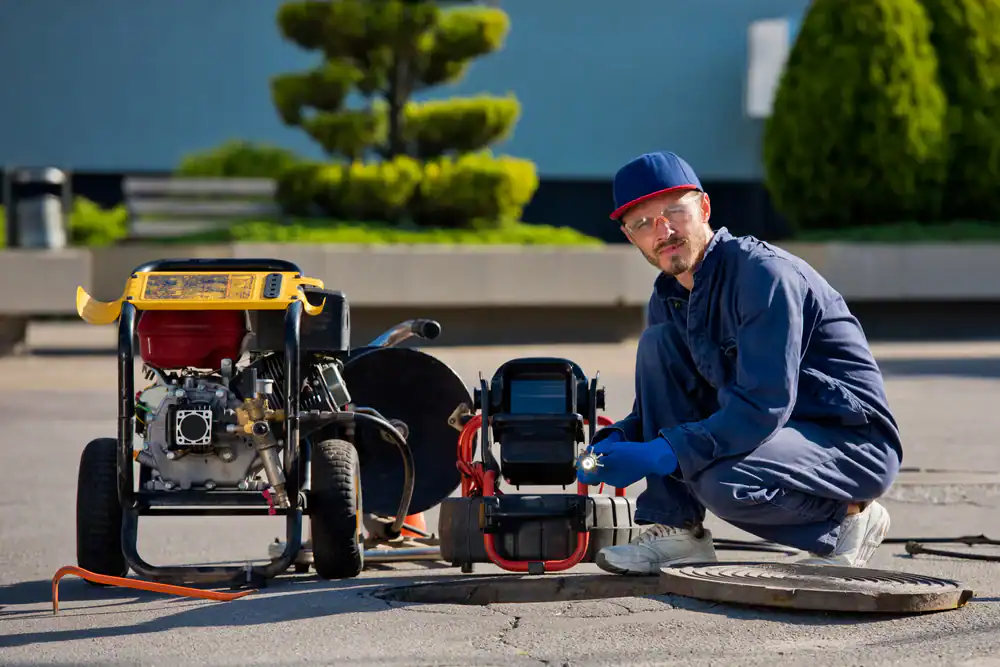
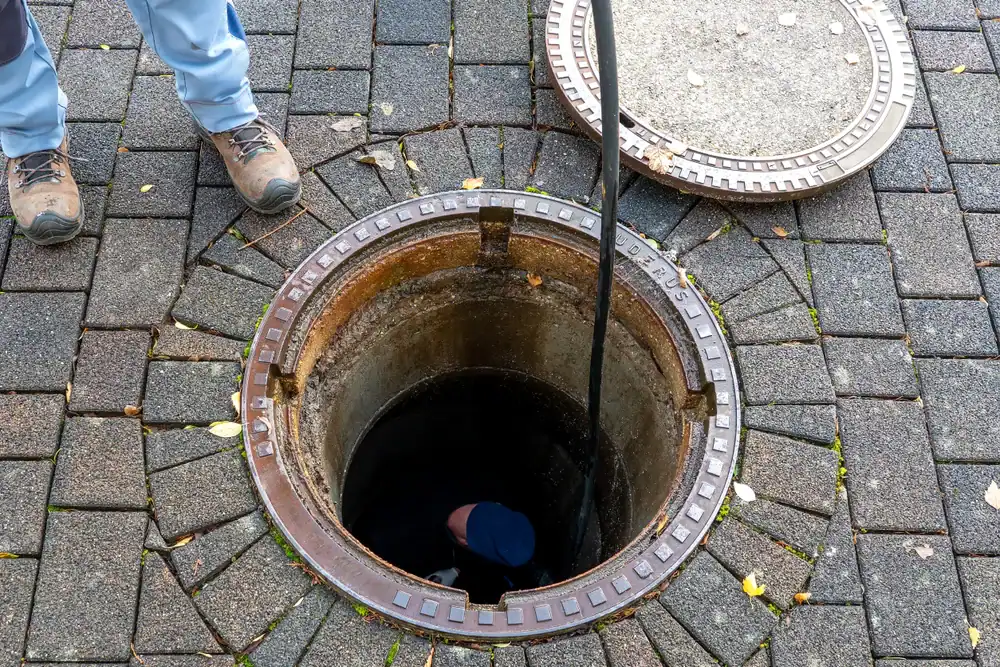
We start by locating your access points—usually the cesspool opening or a cleanout. Once we’ve got clear entry, we feed a waterproof camera attached to a flexible cable into your system. The camera has its own lighting and sends live video back to our monitor so you can watch alongside us.
As the camera moves through your pipes, we’re looking at the condition of your walls, checking for cracks, measuring any root intrusion, and identifying blockages. The camera has a footage counter, so when we spot a problem, we know exactly how many feet from the access point it is. That means if you need repairs, there’s no guesswork about where to dig.
For pipe condition assessment, we’re checking whether your cesspool walls are intact or starting to collapse inward. We’re seeing if tree roots have broken through joints. We’re identifying whether that slow drain is from a partial blockage or a bigger structural issue. You get digital footage and reporting that shows what we found, which is especially useful if you’re dealing with a mortgage company or need documentation for Suffolk County’s mandatory inspection requirements.
The whole process usually takes under an hour unless we’re dealing with a complex system or multiple access points. When we’re done, you’ll know whether you’re looking at a simple pump-out, a repair, or something more involved.
Ready to get started?
Real-time clog detection catches blockages before they turn into backups. You’ll see exactly what’s causing slow drains—whether it’s grease buildup, root intrusion, or something someone flushed that shouldn’t have gone down. We’ve pulled out everything from toys to construction debris that’s been sitting in pipes for years.
Locating underground pipe leaks is critical in Aquebogue because of how fast your sandy soil drains. When a pipe cracks, you’re not just losing wastewater—you’re potentially contaminating groundwater before natural filtration can happen. The camera shows us where leaks are forming so you can address them before they become environmental violations or health hazards.
For homes built before 1972, we’re often looking at cinder block cesspools that Suffolk County now considers dangerous. These systems can collapse without warning, creating sewage-filled sinkholes. A camera inspection shows whether your walls are still stable or starting to deteriorate. If you’re selling property or refinancing, this documentation proves your system meets current safety standards—or shows exactly what needs upgrading.
Suffolk County requires cesspool inspections every three years with mandatory reporting. Our digital footage and reporting gives you the documentation you need for compliance. If you’re closing on a house, mortgage lenders want proof the system works. We provide video evidence and written reports that satisfy their requirements so your transaction doesn’t stall over cesspool concerns.
A camera inspection typically runs a few hundred dollars and takes less than an hour. Compare that to excavation, which starts around $1,500 just to expose your pipes—before any actual repairs. If the problem isn’t where the contractor guessed, you’re paying to dig multiple holes.
The camera eliminates guesswork. We know exactly where the problem is before anyone picks up a shovel. That means you’re only digging where necessary, which saves you money on labor and restoration. Your lawn isn’t torn apart in three different spots because we had to hunt for the issue.
For Aquebogue homeowners dealing with older systems, this matters even more. When you’re trying to figure out if you need a repair or a full replacement, spending a few hundred on an inspection can save you from making a $15,000 decision based on incomplete information.
Cracks in your cesspool walls are the first red flag. Small cracks let wastewater leak into surrounding soil, which means you’re contaminating groundwater and potentially violating environmental regulations. Large cracks or crumbling sections mean your system is close to structural failure.
Root intrusion is common in Aquebogue because trees seek out water sources. Once roots break through a pipe joint, they grow inside your system and catch everything flowing through. What starts as a small root becomes a massive blockage that backs up your drains. The camera shows us how extensive the root problem is and whether we can clear it or if the pipe needs replacement.
Bellied pipes—sections that have sunk and created a low spot—collect water and waste instead of draining properly. You’ll see standing water in the camera footage where there shouldn’t be any. These spots become chronic problem areas that need correction. We also watch for offset joints where pipes have separated, partial collapses, and any foreign objects causing blockages.
If you’re selling in Aquebogue, expect the buyer’s mortgage company to require cesspool documentation. They want proof your system has been maintained and is currently functional. If you can’t produce recent service records, you’ll need a professional inspection before closing.
Getting the inspection done before you list gives you control. If the camera finds problems, you can fix them on your timeline and budget—not in a panic when you’re already under contract. Buyers are less likely to negotiate your price down if you hand them a recent inspection report showing a well-maintained system.
For properties with pre-1972 cesspools, this is even more critical. Suffolk County regulations have changed, and some older systems don’t meet current standards. Finding out during a sale that your cinder block cesspool needs replacement puts you in a terrible negotiating position. The camera inspection tells you where you stand before buyers start making demands.
Suffolk County requires cesspool inspections every three years, but that’s a minimum for regulatory compliance. If your system is over 30 years old, you’re dealing with mature trees near your cesspool, or you’ve had previous problems, annual inspections make sense.
Think of it like checking your car’s engine instead of waiting for the check engine light. An annual camera inspection catches small issues—a developing crack, early root intrusion, minor settling—before they become expensive emergencies. You’re spending a few hundred dollars to potentially avoid thousands in emergency repairs.
For Aquebogue properties on older systems, we typically recommend inspection whenever you notice changes. Slow drains that used to work fine, wet spots in your yard, sewage odors, or gurgling sounds all suggest something’s developing underground. The camera shows you what’s happening while you still have options besides emergency service.
Yes, and it’s more common than you’d think. Older Aquebogue properties sometimes have cesspools that were installed decades ago with no documentation of location. Previous owners didn’t keep records, or the system was put in before current mapping requirements.
We start by checking your property records and any available surveys. If that doesn’t work, we use locating equipment to trace your drain lines from the house to where they terminate. Once we find your cesspool, we can access it for camera inspection.
This situation actually makes the camera inspection more valuable. If nobody’s been maintaining your system because nobody knew where it was, you have no idea what condition it’s in. The camera gives you a complete picture of what you’re dealing with—whether it’s a system that’s somehow still functioning fine or one that’s been failing slowly for years and needs immediate attention.
You get a clear explanation of what we found, where it is, and what your options are. The footage counter tells us exactly how many feet from your access point the problem sits, so if excavation is necessary, we’re digging in the right spot the first time.
For some issues—like root intrusions or minor blockages—we can often handle repairs the same day. We clear the obstruction, run the camera again to confirm it’s resolved, and you’re done. For structural problems like cracked walls or collapsed sections, we’ll walk you through whether you need a targeted repair or if the damage indicates your system is reaching the end of its functional life.
The digital footage and reporting we provide gives you documentation to get second opinions if you want them, submit to your insurance company if applicable, or show contractors exactly what needs fixing. You’re not relying on someone’s description of the problem—you have video evidence of what’s actually happening underground.