
Hear from Our Customers
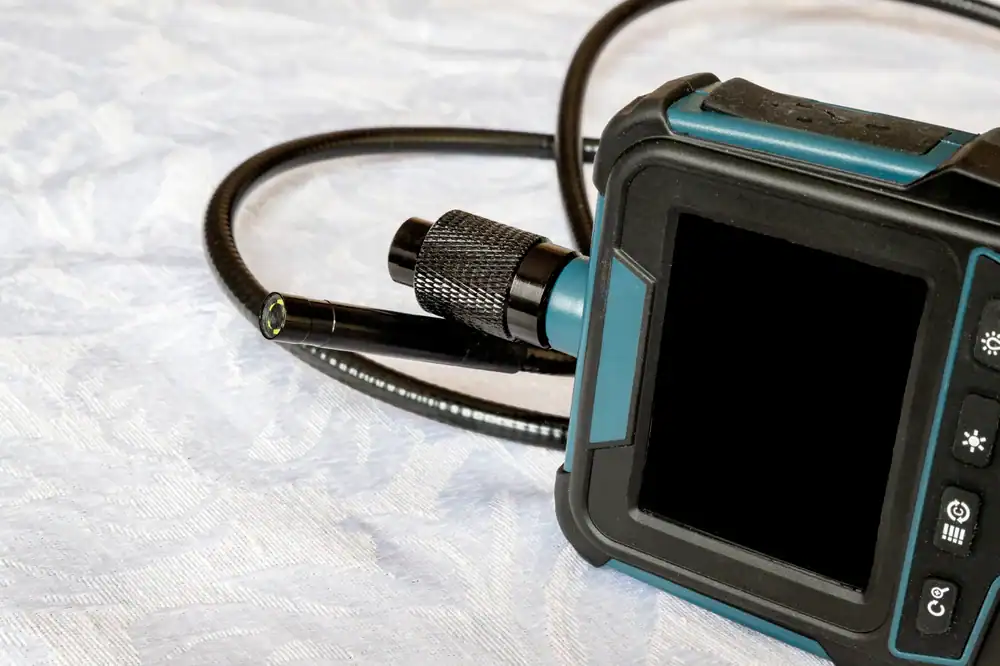
You shouldn’t have to guess what’s wrong with your cesspool or sewer lines. A fiber-optic camera inspection shows you the exact condition of your underground pipes—cracks, root intrusion, blockages, collapsed sections—all on a screen in real time.
That means no excavation until you actually need it. No paying for exploratory digging that may or may not find the issue. You get a clear diagnosis first, then decide what makes sense for your property and your budget.
If you’re buying a home in Asharoken, most lenders require video documentation of your septic or cesspool system before closing. This inspection gives you that proof, plus peace of mind that you’re not inheriting someone else’s underground disaster.
We’ve been servicing cesspool and septic systems across Long Island for over 40 years. We’re licensed, bonded, and insured—and we’ve seen just about every underground problem Asharoken properties can throw at us.
Most homes here were built decades ago, and many still rely on cesspools or older septic systems that weren’t designed for modern water usage. That’s why video inspections have become standard practice for real estate transactions and routine maintenance in this area.
We’re local. We understand what breaks down in these systems and why. And we’re not interested in selling you work you don’t need.
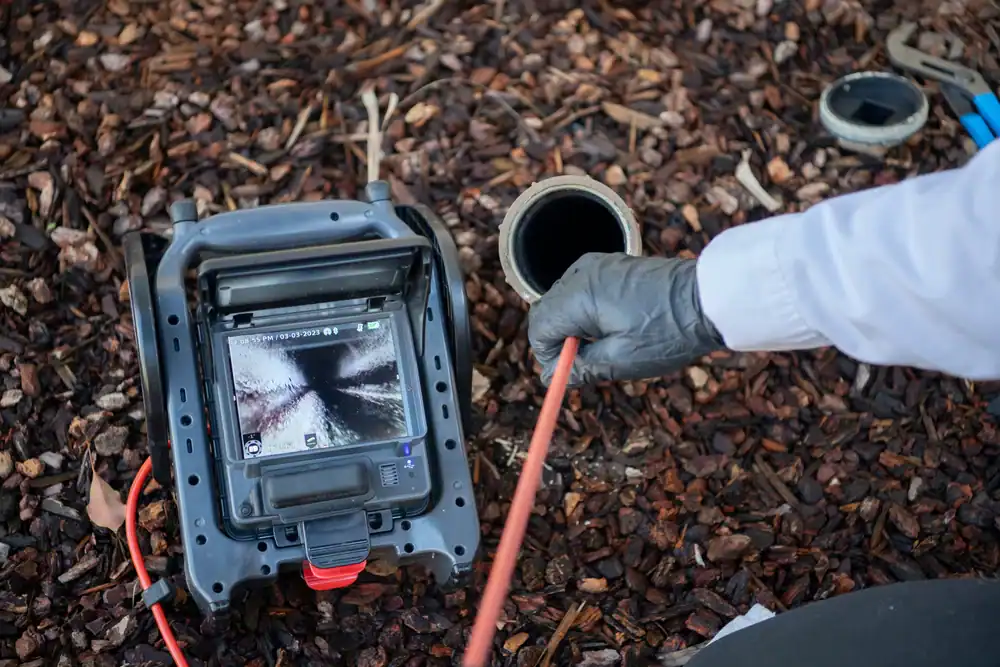
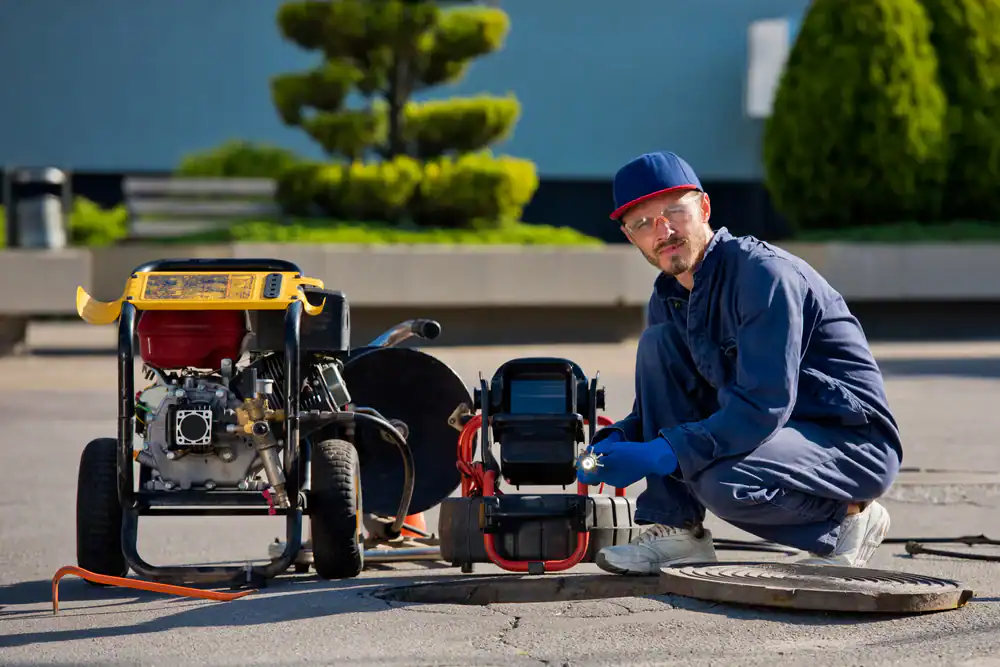
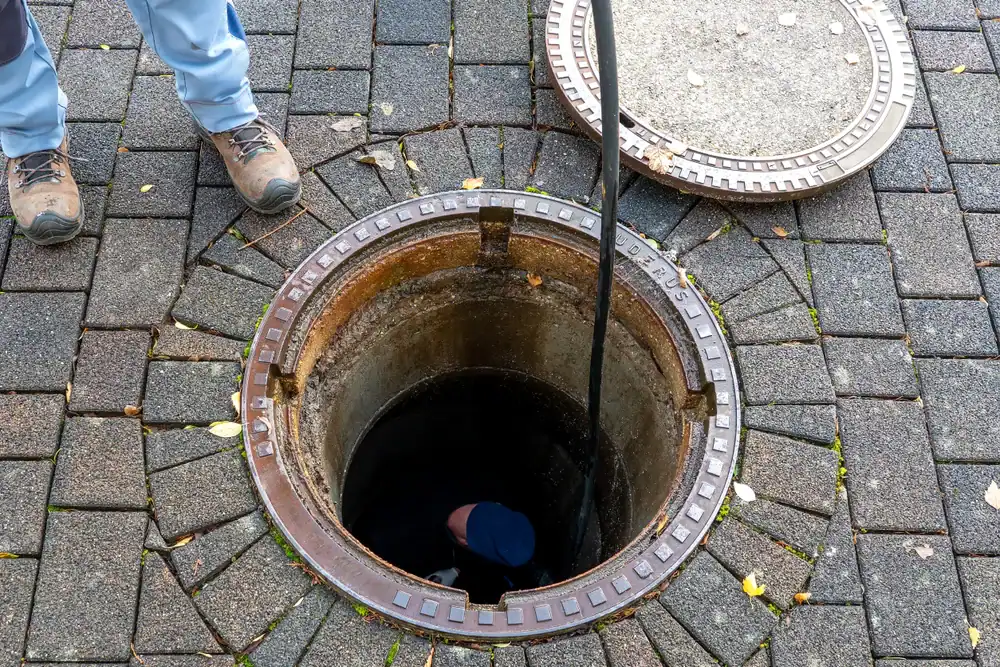
We start by locating your cleanout access point or the best entry to your sewer line. From there, a waterproof fiber-optic camera on a flexible cable gets fed through your pipes. It records everything as it moves—cracks, blockages, root growth, grease buildup, whatever’s there.
You can watch the footage with us in real time. We’ll walk you through what you’re seeing, where the problem is, and how deep it’s located. The camera also has a locator beacon, so if there’s an issue underground, we can mark the exact spot on your property without tearing up your yard to find it.
Once the inspection is done, you get digital footage and a detailed report. That’s your documentation for insurance, real estate closings, or just your own records. Then we talk through your options—what needs to be fixed now, what can wait, and what it’ll actually cost.
Ready to get started?
Every camera inspection includes a full sewer line video inspection from entry point to your cesspool, septic tank, or connection to the municipal line. You’re not just getting a quick look—we’re documenting the entire run so nothing gets missed.
The footage shows real-time clog detection, structural damage, and any signs of deterioration that could lead to bigger problems down the road. If we’re locating underground pipe leaks or trying to trace a mystery wet spot in your yard, the camera can often pinpoint the source without excavation.
In Asharoken, where many properties sit near the water and deal with high water tables, knowing the condition of your underground system before it fails can save you thousands. Wet soil conditions here accelerate corrosion and root intrusion, so catching issues early makes a real difference. You’ll leave with digital footage and a written report that explains what we found and what it means for your property.
Cost depends on the size of your property and how much of the system needs to be inspected. A standard residential sewer line video inspection in Asharoken typically runs a few hundred dollars, but that’s a fraction of what you’d pay for unnecessary excavation or misdiagnosed repairs.
If you’re dealing with a real estate closing, some inspection companies bundle the camera work with a full cesspool or septic certification. That can add to the upfront cost, but it also means you’re getting everything the bank requires in one visit.
The bigger question is what it costs not to inspect. If your cesspool is failing and you don’t catch it early, you’re looking at emergency repairs, potential health department violations, and damage to your property. A camera inspection is the cheapest insurance you can buy for an underground system.
Yes. The camera we use has a built-in transmitter that sends a signal to a locator device above ground. Once we spot the leak or damage on the video feed, we can mark the exact spot on your lawn or driveway within inches.
That’s critical if you’re dealing with a wet area in your yard or a sinking spot near your driveway. Instead of digging exploratory trenches and hoping to find the problem, we know exactly where to go. Less digging means less damage to your landscaping and lower repair costs overall.
Locating underground pipe leaks this way also helps if you’re trying to figure out whether the issue is with your sewer line, a broken water line, or something else entirely. The camera doesn’t lie—you’ll see exactly what’s leaking and where.
Most lenders require it, especially if the property has a cesspool or septic system. They want proof that the underground waste system is functional before they approve your mortgage. Without that documentation, your closing can get delayed or fall through entirely.
Even if your lender doesn’t require it, you should still get one. Replacing a failed cesspool or septic system in Asharoken can cost $20,000 or more. A video inspection shows you what you’re actually buying and gives you leverage to negotiate repairs or a price reduction if there’s a problem.
Think of it this way: you wouldn’t buy a car without checking under the hood. Your home’s underground plumbing system is just as important, and a lot more expensive to replace. A camera inspection is the only way to see what’s really down there before you sign.
A sewer line video inspection can identify cracks, breaks, and collapsed pipe sections that let soil and water infiltrate your system. It also catches root intrusion, which is common in Asharoken’s older neighborhoods where tree roots grow into sewer lines looking for water.
You’ll also see blockages—whether it’s grease buildup, foreign objects, or sediment that’s restricting flow. The camera shows pipe condition too, so if your cast iron or clay pipes are corroding or deteriorating, that’ll be visible on the footage.
One thing people don’t always think about: the camera can also confirm that your pipes are properly sloped. If the grade is off, waste doesn’t flow the way it should, and you end up with chronic backups even when there’s no blockage. That’s something you can’t diagnose from the surface, but the video makes it obvious.
For a typical residential property in Asharoken, the inspection itself usually takes 30 to 60 minutes. That includes feeding the camera through your sewer line, recording the footage, and marking any problem areas on your property.
If your system is larger or more complex—say you’ve got a commercial property or multiple lines to inspect—it can take longer. Same goes if we run into a blockage that needs to be cleared before the camera can pass through.
The time investment is minimal compared to what you learn. In an hour, you’ll know the exact condition of your underground pipes, where any problems are located, and what your next steps should be. Compare that to days of excavation work and guesswork, and it’s not even close.
No. The camera is designed to move through your pipes without causing any damage. It’s a flexible, waterproof fiber-optic line that navigates bends and turns in your sewer system. There’s no digging, no excavation, and no disruption to your yard or landscaping.
The only time we need to access your property is to locate the cleanout or entry point, and that’s usually a small cap at ground level. Once the inspection is done, everything goes back the way it was. No mess, no torn-up lawn, no backhoe tracks across your driveway.
That’s the whole point of camera inspections—you get all the information you need without the property damage that comes with traditional inspection methods. If we do find a problem that requires excavation, at least you’ll know exactly where to dig and what you’re fixing.
Other Services we provide in Asharoken