
Hear from Our Customers
You’re not looking to spend money you don’t need to spend. A sewer line video inspection shows you the actual condition of your pipes before anyone starts digging up your driveway or tearing into your yard.
Most Blue Point homes were built in the 1960s, which means your cesspool or sewer lines have been underground for decades. Concrete deteriorates. Tree roots find their way in. Pipes shift and crack. But you don’t know what’s really going on until you look.
That’s what pipe condition assessment does. A high-definition camera goes into your line and captures real-time footage of blockages, cracks, root intrusion, or structural damage. You see it. We see it. And then you can make an informed decision about what actually needs fixing, not what someone thinks might be wrong.
We’ve been handling cesspool and sewer issues across Long Island for years. We’re not new to this, and we’re not learning on your property.
Blue Point sits in an area where most homes still rely on cesspools, not municipal sewer systems. Suffolk County has roughly 250,000 cesspools, and many are past their expected lifespan. We work in this environment every day, so we know what fails, why it fails, and how to catch it early.
When you call us for a camera inspection, you’re getting a team that understands the local soil conditions, water table issues, and the specific challenges older cesspool systems face in this area. We’re licensed, insured, and equipped with the technology to give you answers fast.
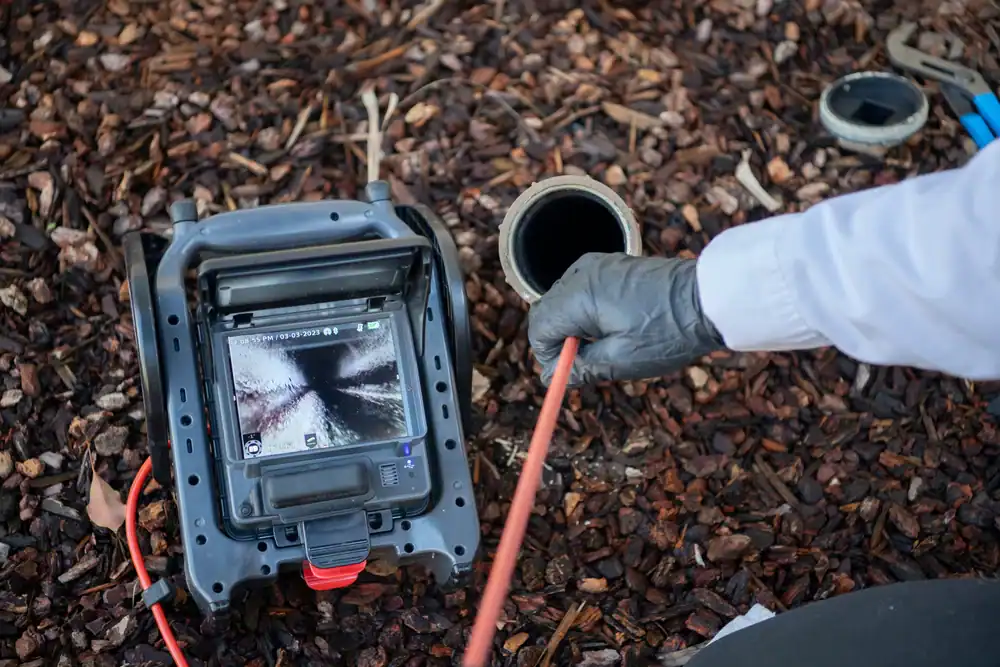
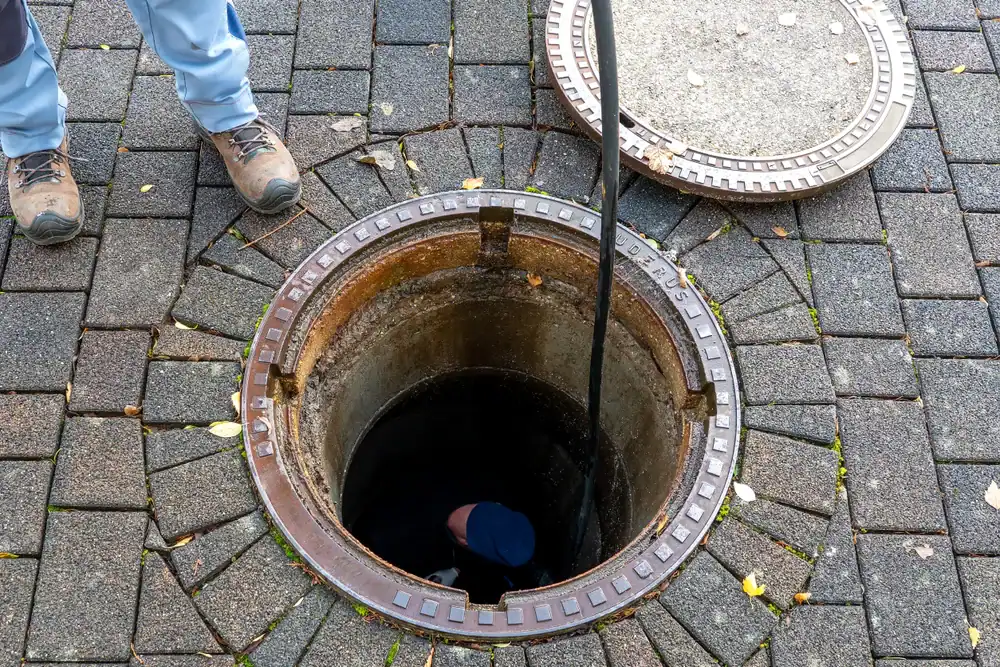
First, we locate the access point to your sewer line or cesspool system. In most cases, that’s a cleanout or an existing opening. We don’t need to dig to get started.
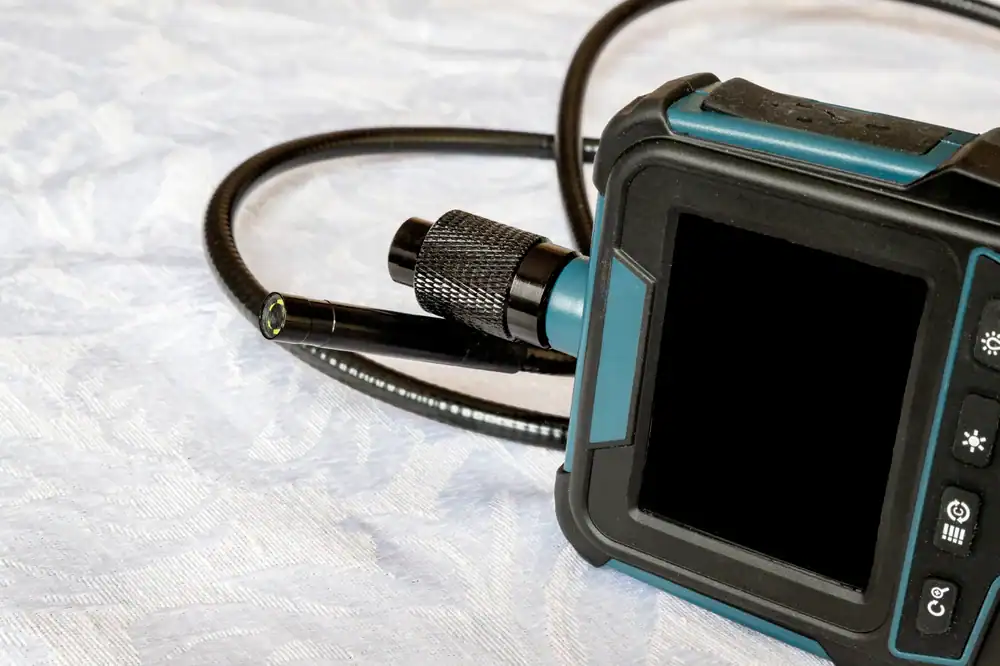
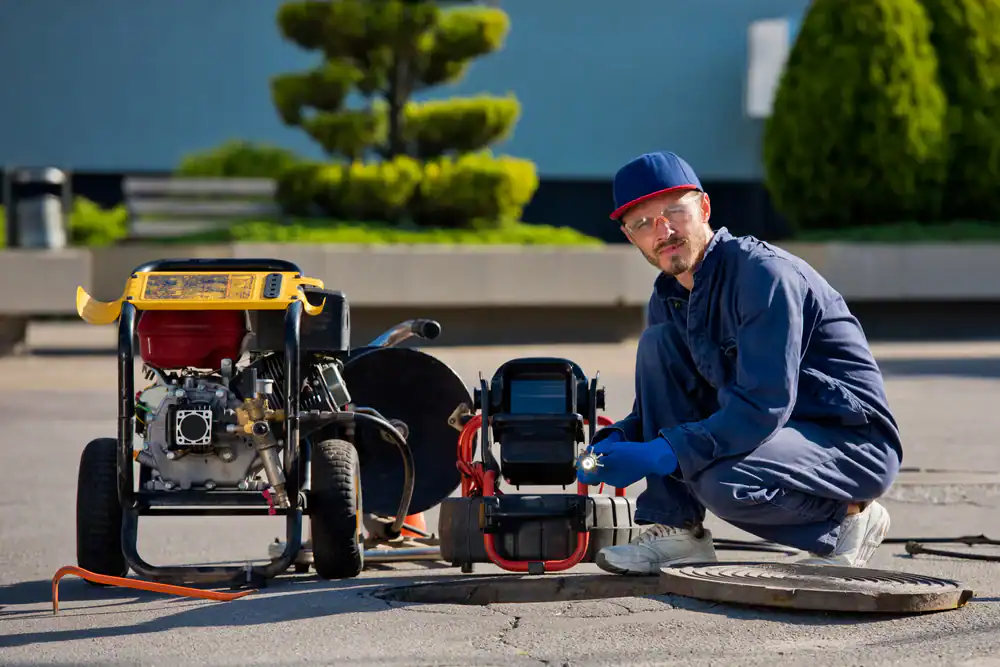
Then we feed a flexible cable with a waterproof, high-definition camera into the line. The camera has its own LED lighting, so even in completely dark or water-filled pipes, we get a clear picture. As it moves through, we’re watching the live feed and recording everything.
We’re looking for clogs, cracks, root intrusion, pipe corrosion, bellied sections where water pools, and any structural damage. The camera also has locating technology, so if we find a problem, we know exactly how deep it is and where it’s located on your property.
Most inspections take one to two hours. When we’re done, you get digital footage and a clear explanation of what we found. If there’s an issue, we’ll walk you through your options. If everything looks good, you have documentation and peace of mind.
Ready to get started?
Every camera inspection includes digital footage and reporting. You’re not just hearing about the problem—you’re seeing it. That matters when you’re making decisions about repairs or when you need documentation for insurance or a property sale.
In Blue Point, Suffolk County requires cesspool pumping records and maintenance documentation during property transfers. A video inspection gives you that proof. It also helps if you’re dealing with recurring backups, slow drains, or foul odors and you need to know if it’s a simple clog or something structural.
Real-time clog detection means we can identify blockages immediately and, in many cases, clear them during the same visit. If we’re locating underground pipe leaks or assessing damage from tree roots, the camera tells us exactly where to focus so you’re not paying for exploratory digging.
This is especially useful in older Blue Point neighborhoods where systems were installed decades ago and haven’t been inspected since. You might think you need a full system replacement when really it’s an isolated crack or a root ball that can be addressed for a fraction of the cost.
Most camera inspections in this area run between $220 and $270, depending on the length of the line and accessibility. That’s significantly less than the cost of guessing wrong and digging in the wrong spot.
If you’re dealing with a backup or slow drain and you’re not sure what’s causing it, a camera inspection usually pays for itself by preventing unnecessary work. It’s also a lot cheaper than emergency repairs after a system fails completely.
Some companies will try to upsell you into repairs before they even know what the problem is. We run the camera first so you know exactly what you’re paying for and why.
If you’re having repeated backups, slow drains, or sewage odors, that’s a clear sign something’s wrong. A camera inspection will show you whether it’s a clog, a structural issue, or root intrusion.
You should also get an inspection if you’re buying or selling a home in Blue Point. Suffolk County is tightening regulations around cesspool maintenance, and having documentation protects you during the transaction. Many buyers now request proof that the system has been inspected and maintained.
Even if everything seems fine, it’s smart to inspect older systems every few years. Most cesspools in Blue Point were installed in the 1960s or 70s, and concrete doesn’t last forever. Catching a crack early is a lot easier than dealing with a collapse.
Yes. The camera equipment includes locating technology that pinpoints the depth and position of any issue we find. That means if there’s a crack, a root intrusion, or a collapsed section, we know exactly where it is on your property.
This eliminates the need for exploratory digging. Instead of tearing up your yard to find the problem, we go straight to the spot. That saves you money on labor, restoration, and landscaping.
It’s especially helpful in Blue Point where properties have mature trees and established landscaping. You don’t want someone digging up your driveway or tearing out shrubs just to figure out where the problem is. The camera gives us that answer before we touch a shovel.
The camera shows us the interior condition of your pipes in real time. We can see cracks, holes, corrosion, root intrusion, grease buildup, bellied sections where the pipe has sagged, and any blockages.
We can also identify what your pipes are made of—whether it’s clay, cast iron, PVC, or concrete—and assess how much deterioration has occurred. In older Blue Point homes, it’s common to find concrete cesspool walls that have started to crumble or clay pipes that have separated at the joints.
The footage is recorded, so you can review it with us and see exactly what we’re talking about. It’s not a salesperson telling you there’s a problem. It’s you looking at the screen and seeing it yourself.
Most inspections take one to two hours, depending on the length of your sewer line and how easy it is to access. If your system is straightforward and we don’t encounter major blockages, it can be faster.
The process itself is non-invasive. We’re not digging, we’re not damaging your property, and we’re not disrupting your day any more than necessary. You can be there to watch the footage in real time if you want, or we can walk you through it afterward.
Once we’re done, you get the digital footage and a clear explanation of what we found. If repairs are needed, we’ll give you options. If everything looks good, you have documentation for your records.
It’s not legally required, but it’s becoming standard practice in Blue Point and across Suffolk County. Buyers are asking for proof that cesspool and sewer systems have been maintained, especially in older homes.
If your system hasn’t been inspected in years, a buyer’s inspector might flag it as a concern. That can delay the sale or give the buyer leverage to negotiate the price down. Getting a camera inspection before you list gives you documentation and eliminates surprises.
It also protects you from liability. If there’s a problem with the system and you didn’t know about it, a camera inspection shows you addressed due diligence. If everything checks out, it’s one less thing a buyer can use to renegotiate.
Other Services we provide in Blue Point