
Hear from Our Customers
You can’t fix what you can’t see. For decades, diagnosing pipe problems meant digging up your yard and hoping the problem was where someone thought it might be. More often than not, it wasn’t.
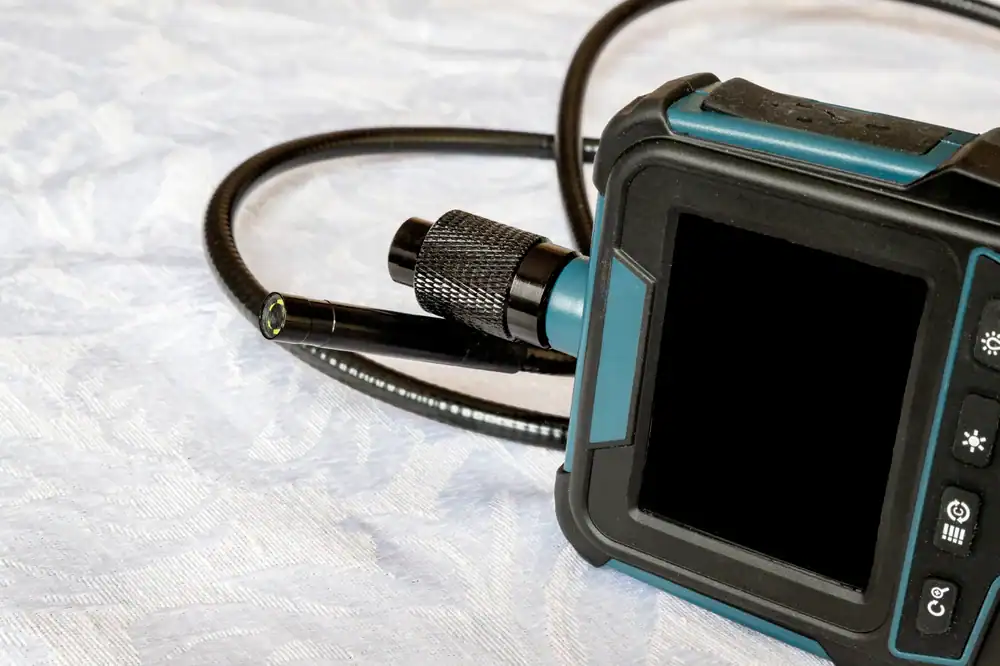
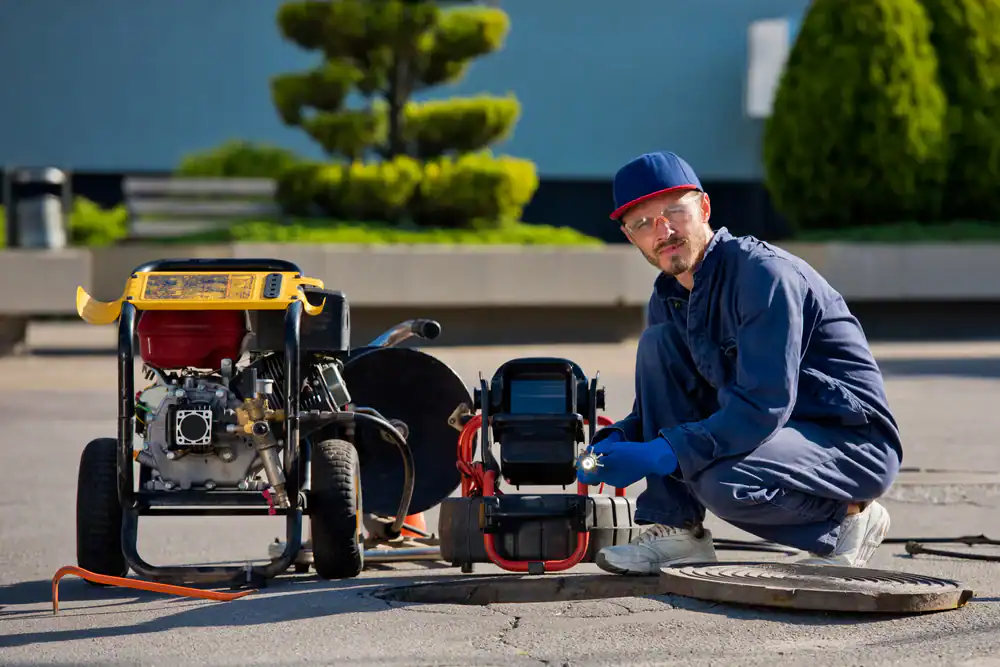
Camera inspections changed that. A fiber-optic camera travels through your sewer lines, cesspool connections, and drain pipes, sending back live video that shows blockages, root intrusion, cracks, and deterioration as it happens. You watch it on the monitor right alongside our technician.
That means no exploratory holes in your landscaping. No backhoes tearing up your driveway on a hunch. Just precise problem location with foot-by-foot measurements, so if repairs are needed, you know exactly where to target them. You also get a USB card with the full video—useful for insurance claims, real estate transactions, or getting a second opinion.
We’ve been serving Long Island for nearly two decades. We’re a four-generation family business, which means we’ve built our reputation on doing the work right—not just fast.
Bridgehampton properties, especially older homes in the area, often have cesspool and septic systems that were installed decades ago. Many of those systems are now subject to Suffolk County’s strict regulations, particularly when properties change hands. We understand those requirements because we work with them every day.
Our technicians use the latest camera technology, and we’re available 24/7 if something goes wrong after hours. We’re licensed, insured, and we don’t leave until you understand what we found and what your options are.
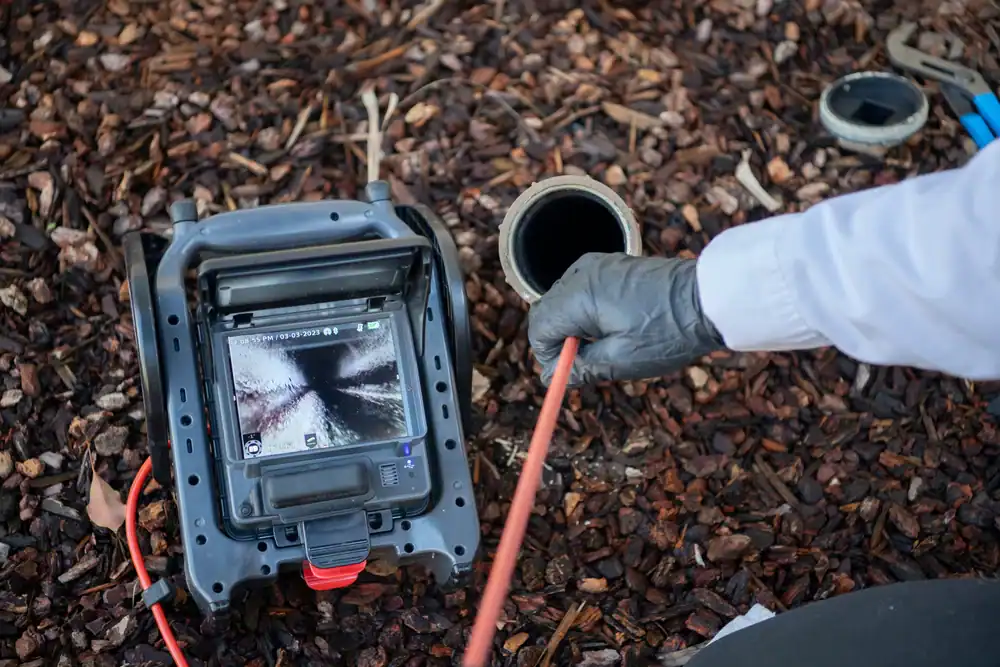
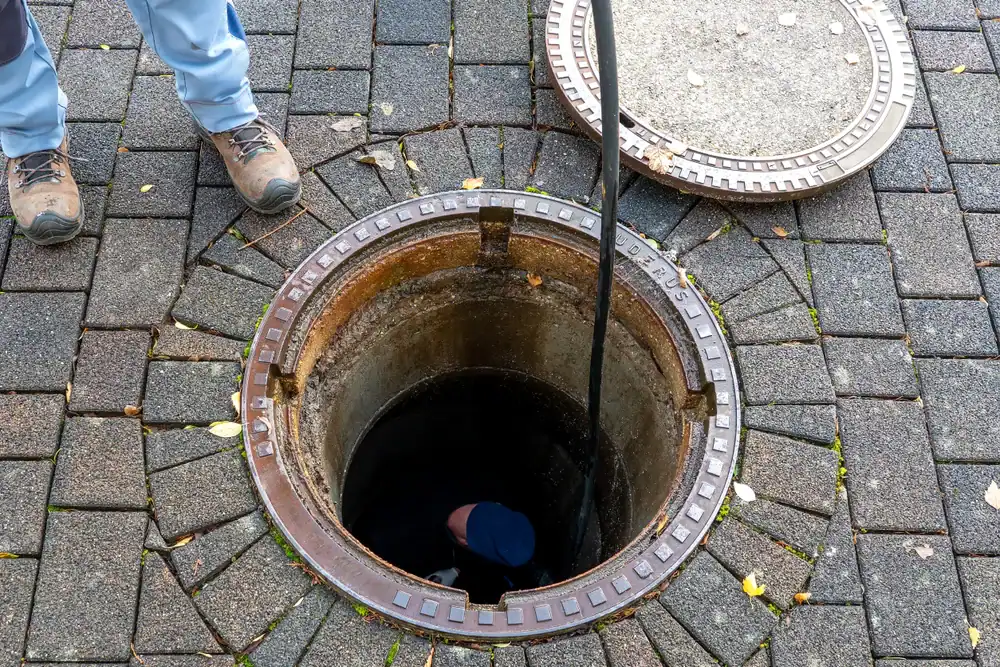
First, we locate the access point to your sewer line or cesspool system—usually a cleanout or an existing opening. We don’t need to dig to get started in most cases.
Then we feed a flexible cable with a high-resolution camera on the end into the line. The camera has its own light source and sends live video back to a monitor. As it moves through your pipes, we’re watching for clogs, cracks, root intrusion, bellied sections, or any signs of deterioration.
The camera includes a distance counter, so we know exactly how many feet in the problem is located. That precision matters if you need a repair—it keeps costs down and your property intact. The whole process usually takes 30 to 60 minutes depending on the length of the line and what we find.
Once we’re done, you get a full explanation of what we saw, a USB copy of the footage, and a written report if needed for real estate or insurance purposes. No jargon. No upselling. Just the facts about what’s happening underground.
Ready to get started?
Every inspection includes live video you can watch as we move through your system. You’re not waiting for a report or trusting someone’s word—you see it yourself.
We provide digital footage and reporting on a USB card, which is especially important in Bridgehampton’s real estate market. Suffolk County requires disclosure of septic system conditions during property sales, and buyers often request video documentation before closing. Having that footage ready can prevent delays and give everyone confidence in the transaction.
You also get precise measurements for locating underground pipe leaks or damage. If roots have infiltrated your line or a section has collapsed, we’ll tell you exactly how far from the access point it is. That saves time and money when it’s time to make repairs.
More than 360,000 homes in Suffolk County rely on cesspools and septic systems, many of which are aging. A camera inspection gives you a clear picture of your system’s condition before a small problem turns into a sewage backup in your basement or a failed inspection during a home sale.
Most residential camera inspections run between $200 and $400, depending on the length of the line and how accessible your system is. That’s a small investment compared to what you’d spend on unnecessary excavation or emergency repairs.
If you’re buying or selling a home in Bridgehampton, the inspection often pays for itself by catching problems during negotiations. One homeowner we worked with saved over $15,000 by discovering sewer line damage before closing—the seller covered the repair cost instead.
For older properties or homes where you’ve noticed slow drains, recurring backups, or soggy spots in the yard, a camera inspection gives you answers without tearing up your landscaping. You’ll know whether you need a repair, a cleaning, or if everything’s fine and you can stop worrying.
In Suffolk County, you’re required to disclose the condition of your septic system when selling a property. Buyers are increasingly requesting video documentation as part of their due diligence, especially for homes with older cesspools.
A camera inspection before listing gives you control. If there’s a problem, you can address it on your timeline instead of scrambling during negotiations or risking a deal falling through. If your system is in good shape, the video proof can actually strengthen your position and speed up closing.
Real estate agents in the Hamptons area are familiar with this process. Having the inspection done upfront shows transparency and can make your property more attractive to serious buyers who want to avoid surprises after they move in.
No. The camera is designed to move through your pipes without causing damage. It’s a flexible cable with a small camera head, and it follows the path of your existing lines.
We access your system through a cleanout or existing opening—no digging required in most cases. Your landscaping, driveway, and yard stay intact. That’s one of the biggest advantages over the old method of exploratory digging, which often meant multiple holes before finding the actual problem.
The only time we’d need to excavate is if we find damage that requires a repair, and even then, we know exactly where to dig because the camera’s distance counter pinpoints the location. You’re not paying for guesswork or unnecessary disruption to your property.
A camera inspection reveals blockages from grease buildup, foreign objects, or collapsed sections of pipe. It shows root intrusion, which is common in older systems where tree roots have worked their way into cracks or joints. You’ll also see cracks, corrosion, and sections where the pipe has bellied or sagged, causing drainage issues.
We can identify the exact condition of your pipe material—whether it’s cast iron, clay, PVC, or something else—and how much deterioration has occurred. That’s important because some materials break down faster than others, especially in systems that are several decades old.
The inspection also confirms whether your line is properly connected to the municipal system or your cesspool, and whether there are any offsets or misalignments that could cause future problems. Basically, if something’s wrong underground, the camera will find it.
Most inspections take 30 to 60 minutes, depending on how much line we’re inspecting and what we encounter. If your system is straightforward and we don’t find major blockages, it’s usually closer to 30 minutes.
If there’s a clog or significant damage, it might take a bit longer as we document everything thoroughly and make sure we’ve covered the full length of the line. Either way, you’re watching the process in real time, so there’s no waiting around wondering what’s happening.
After the inspection, we’ll spend a few minutes walking you through what we found, answering your questions, and explaining your options if any issues came up. You’ll leave with the video footage on a USB card and a clear understanding of your system’s condition.
Yes. We’re available 24/7 for emergency situations. If you’re dealing with a backup, a suspected pipe collapse, or sewage surfacing in your yard, a camera inspection can quickly identify the problem so we can fix it fast.
In an emergency, time matters. The camera lets us diagnose the issue without spending hours digging or guessing. We locate the blockage or break, determine the best way to address it, and get your system working again.
For Bridgehampton properties, especially during busy summer months when homes are occupied and entertaining, a sewage emergency isn’t just inconvenient—it’s a health hazard. Having a team that can respond immediately with the right diagnostic tools makes a real difference in how quickly you get back to normal.
Other Services we provide in Bridgehampton